
Pakistan is a land of ancient civilizations, powerful empires, and remarkable architectural achievements. Across the country, travelers can explore some of the most impressive historical forts in Pakistan, each telling stories of conquest, culture, resistance, and royal grandeur. From Mughal masterpieces to desert strongholds and mountain fortresses, these landmarks represent centuries of history and heritage.
At Top Places in Pakistan, our mission is to guide travelers toward destinations that reveal the true cultural identity of the country. Exploring the historical forts in Pakistan is one of the best ways to understand the nation’s diverse past and architectural brilliance.
In this complete guide, we explore the most famous and significant historical forts in Pakistan, their background, architecture, and why they deserve a place on your travel bucket list.
Also known as Shahi Qila, Lahore Fort is one of the most iconic historical forts in Pakistan. Located in Lahore, the cultural capital of the country, this fort represents the peak of Mughal architecture.
Reconstructed during the reign of Emperor Akbar in the 16th century, the fort includes stunning structures such as Sheesh Mahal (Palace of Mirrors), Naulakha Pavilion, and Alamgiri Gate. The detailed marble inlay work, mirror mosaics, and grand courtyards reflect Mughal artistic excellence.
In 1981, Lahore Fort was designated a UNESCO World Heritage Site, emphasizing its global historical significance. Among all historical forts in Pakistan, this one stands out for its artistic beauty and preservation.
Rohtas Fort
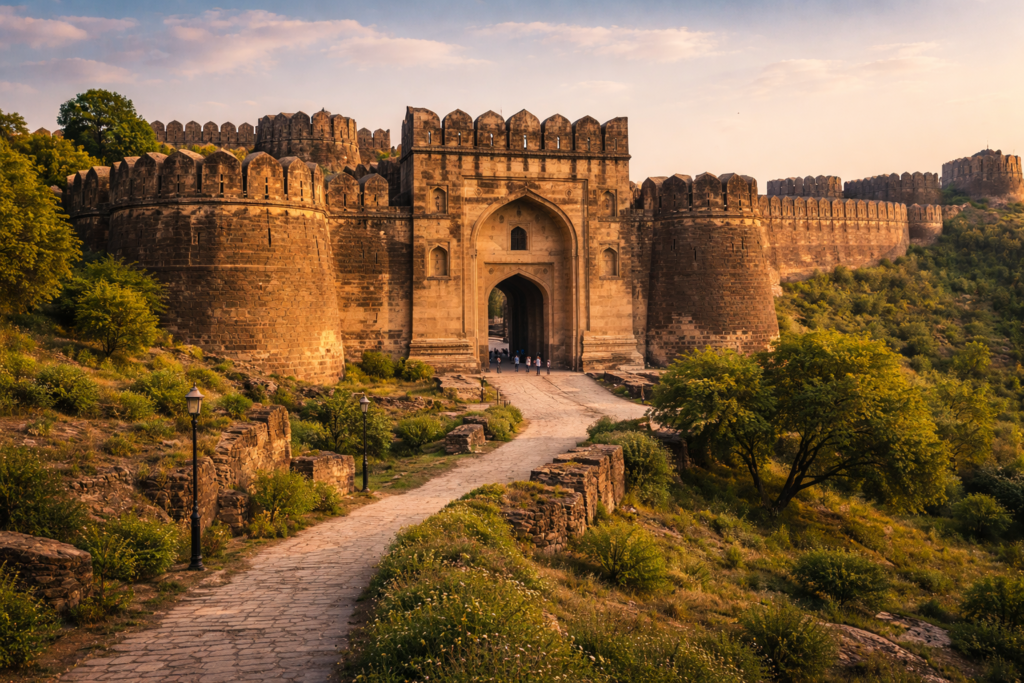
Rohtas Fort is a massive 16th-century fortress built by Sher Shah Suri to prevent the return of Mughal Emperor Humayun. Located near Jhelum, this fort represents military strength rather than royal luxury.
Unlike Mughal palaces, Rohtas Fort was designed purely for defense. It features 12 grand gates, massive stone walls, and strategic watchtowers. The structure blends Afghan and Islamic architectural styles, making it unique among historical forts in Pakistan.
Today, it is also a UNESCO World Heritage Site and remains one of the best-preserved defensive forts in South Asia.
Standing tall in the Cholistan Desert, Derawar Fort is one of the most visually striking historical forts in Pakistan. Its 40 massive bastions rise dramatically from the desert landscape.
Originally built in the 9th century and later reconstructed by the Abbasi family, Derawar Fort served as a stronghold on ancient trade routes. The exterior alone is breathtaking, especially during sunset when the desert sky enhances its golden tones.
Among all historical forts in Pakistan, Derawar offers a unique desert exploration experience.
Baltit Fort
Located in the Hunza Valley, Baltit Fort is over 700 years old and reflects Tibetan and Central Asian architectural influence.
Perched on a hilltop, the fort offers panoramic views of Hunza Valley and surrounding peaks. It once served as the residence of the Mir of Hunza and now operates as a museum.
When discussing historical forts in Pakistan, Baltit Fort stands out for its mountainous setting and cultural significance.
Altit Fort
Even older than Baltit, Altit Fort dates back more than 900 years. Built on a cliff overlooking the Hunza River, it served as the original seat of Hunza rulers.
After restoration, Altit Fort has become an important cultural and tourism site. It offers insight into the traditional lifestyle of northern Pakistan.
Together, Baltit and Altit represent some of the most unique historical forts in Pakistan located in mountainous regions.
Ranikot Fort
Often called the “Great Wall of Sindh,” Ranikot Fort is believed to be one of the largest forts in the world. Its walls stretch approximately 30 kilometers.
Although its exact origins remain uncertain, historians believe it evolved over centuries. Within its massive boundaries lie smaller forts such as Meeri and Shergarh.
Among the grand historical forts in Pakistan, Ranikot offers an unmatched sense of scale and mystery.
Umerkot Fort
Umerkot Fort holds immense historical importance as the birthplace of Mughal Emperor Akbar in 1542.
Constructed with red sandstone, the fort reflects a blend of Islamic and Rajput architecture. Today, it houses a museum displaying Mughal-era artifacts.
This makes it one of the most historically symbolic historical forts in Pakistan.
Skardu Fort
Also known as Kharpocho Fort, Skardu Fort was built in the 16th century to defend the Skardu region.
Although partially in ruins, the fort offers stunning views of Skardu Valley and the Indus River. It perfectly combines natural beauty with historical depth.
Among northern historical forts in Pakistan, Skardu Fort remains a top attraction for adventurers and photographers.
Cultural and Tourism Importance of Historical Forts in Pakistan
The historical forts in Pakistan are more than old military structures. They symbolize cultural identity, architectural brilliance, and political power across centuries.
These forts:
Preserve Mughal, Afghan, Rajput, and regional architecture
Promote heritage tourism
Support local economies
Educate visitors about Pakistan’s diverse history
At Top Places in Pakistan, we encourage travelers to explore these landmarks responsibly and support heritage conservation efforts.
Why You Should Visit Historical Forts in Pakistan
Visiting historical forts in Pakistan offers:
A deep understanding of South Asian history
Incredible photography opportunities
Unique architectural experiences
Cultural immersion
Adventure and exploration
Whether located in deserts, mountains, or major cities, these forts provide unforgettable travel experiences.
Final Thoughts
Pakistan is home to some of the most magnificent fortresses in South Asia. From the artistic splendor of Lahore Fort to the defensive strength of Rohtas Fort and the desert majesty of Derawar Fort, the historical forts in Pakistan reflect centuries of power, culture, and craftsmanship.
Each fort tells a different story. Each structure represents a chapter of history. And together, the historical forts in Pakistan form a heritage trail that every traveler should experience at least once.
For more detailed travel guides and cultural insights, keep exploring Top Places in Pakistan — your trusted source for discovering the true beauty and history of the country.