
Author name: Adeel Ahmad

Adeel Ahmad is a Pakistan-based travel writer and the founder of Top Places in Pakistan, a travel guide dedicated to showcasing the country's most stunning destinations. Born and raised in Lahore, Adeel has a deep love for Pakistan's diverse landscapes — from the towering peaks of Hunza and Skardu to the lush valleys of Swat and the historic streets of Lahore. His mission is to inspire travelers to explore Pakistan's natural beauty, rich culture, and hidden wonders through well-researched, authentic, and easy-to-follow travel guides.

Best hill stations in Pakistan
Hill Stations

Best Hill Stations in Pakistan (2026 Complete Guide)

Pakistan is home to some of the best hill stations in Pakistan and mountain valleys found anywhere in the world — green slopes, snow-covered peaks, and landscapes that feel genuinely untouched in places. These destinations pull travelers from across the country and abroad, chasing fresh air, natural beauty, and the cultural richness that comes with them. Here’s a full rundown of the best hill stations in Pakistan, from the most accessible weekend escape to places that take real effort to reach. Best Hill Stations in Pakistan — Quick Overview Murree, Swat Valley, Naran Kaghan, Hunza Valley, and Skardu form the core of any list of the best hill stations in Pakistan, with Nathia Gali, Fairy Meadows, and Kumrat Valley worth adding for anyone chasing something quieter. Each one has a genuinely different character, so the right pick depends on how much time and effort you want to put into getting there. Murree Murree is one of the most famous and accessible hill stations in the country — close enough to Islamabad for an easy weekend trip, with pine-covered hills and a genuinely lively atmosphere. Mall Road is the heart of it, packed with shops, local food, and a cool mountain breeze that draws crowds year-round. Winter snowfall transforms the whole area into a popular destination in its own right. Despite being busy, Murree keeps its charm thanks to easy access and a consistently good mix of things to do. For the full breakdown, see our Murree travel guide, and for official tourism information, the Punjab tourism department’s Murree and Galiyat page is a useful reference. Swat Valley Swat Valley is often called the “Switzerland of Pakistan” for good reason — rivers, green fields, waterfalls, and tall mountains create a genuinely peaceful setting. Mingora and Fizaghat are well-developed and easy to reach, while Kalam offers deeper, quieter natural beauty for those willing to go further. The region’s culture and hospitality add another layer worth experiencing beyond the scenery alone. For the complete guide, see our Swat Valley travel guide. Naran Kaghan Valley Naran and Kaghan are among the most visited destinations in the northern region, known for their rivers, mountains, and alpine lakes. Lake Saif-ul-Malook is the highlight — deep blue water ringed by snow-covered peaks — and the drive up to Naran is scenic enough to be worth the trip on its own. Summer is the peak season here, when the weather is pleasant and every road is open. For full logistics and attractions, see our Naran Kaghan travel guide. Hunza Valley Hunza is one of the most peaceful and culturally rich regions in the north, surrounded by peaks like Rakaposhi. Friendly locals, historical forts like Baltit and Altit, and a genuinely slower pace of life set it apart from busier tourist spots — this is a destination for relaxation and cultural connection as much as scenery. Sunrise and sunset views here are especially well known, and for good reason. For district tourism information, see the Gilgit-Baltistan tourism department’s Hunza page. Skardu Skardu is the gateway to some of the highest mountains in the world, including K2, with dramatic landscapes, clear lakes, and vast valleys. Shangrila Resort, often called “Heaven on Earth,” is one of the most famous spots here, alongside Upper Kachura Lake and the Deosai Plains nearby. It’s a strong fit for travellers who want adventure and genuinely untouched natural surroundings. See our Skardu travel guide for the full picture. Nathia Gali and Ayubia Part of the wider Galyat region near Murree, Nathia Gali is smaller and quieter than Murree, with forest trails and low-hanging cloud that occasionally settles right at ground level. Ayubia National Park nearby adds dense forest, wildlife, and the well-known Pipeline Track — a solid half-day addition if you want nature and quiet over shopping and crowds. Hidden Hill Stations and Less-Explored Places Beyond the well-known names, Pakistan has quieter hill destinations that reward the extra effort to reach them. Fairy Meadows and Kumrat Valley are both becoming more popular among nature lovers and adventure travellers precisely because they require more work — jeep tracks, hikes, or both — which keeps them from getting overrun. Best Time to Visit Most northern regions are best visited from May to September, when roads are fully open and weather is favourable. Spring brings fresh greenery and blooming flowers; autumn brings golden foliage; winter is ideal for snow lovers, especially around Murree, though many higher-altitude areas become difficult or impossible to reach once the snow sets in. Travel Preparation and Safety Tips Book accommodation ahead during peak season — availability tightens fast in Murree, Naran, and Hunza alike. Carry warm layers regardless of season, since mountain temperatures shift quickly, along with basic medicines and snacks for longer drives. Respect local culture and keep the environment clean — these regions are naturally fragile, and responsible tourism is what keeps them worth visiting for the next traveller. Conclusion From Murree’s easy accessibility to Hunza’s slow pace and Skardu’s dramatic scale, the best hill stations in Pakistan offer a genuinely wide range of experiences within a relatively compact region. Whether you’re after relaxation, adventure, or cultural immersion, northern Pakistan covers all three without much overlap between destinations. FAQs — Hill Stations in Pakistan 1. Which hill station is closest to Islamabad? Murree, at roughly 1.5–2 hours by road, is the most accessible option for a day trip or weekend getaway. 2. What’s the best hill station for a first-time visitor? Murree or Nathia Gali are the easiest starting points, with good infrastructure and short travel times. 3. Are Pakistan’s hill stations accessible year-round? Most are, though higher-altitude spots like parts of Hunza and Skardu can become difficult to reach in deep winter due to snow. 4. What makes these the best hill stations in Pakistan specifically? A combination of accessibility, scenery, and infrastructure — Murree, Swat, and Nathia Gali are easy to reach with good facilities, while Hunza and Skardu add dramatic mountain scale for travelers willing to go further.

Best Hill Stations in Pakistan (2026 Complete Guide) Read Post »
Trekking in Pakistan
Adventure & Trekking

Trekking in Pakistan: 7 Ultimate Adventure Tourism Spots

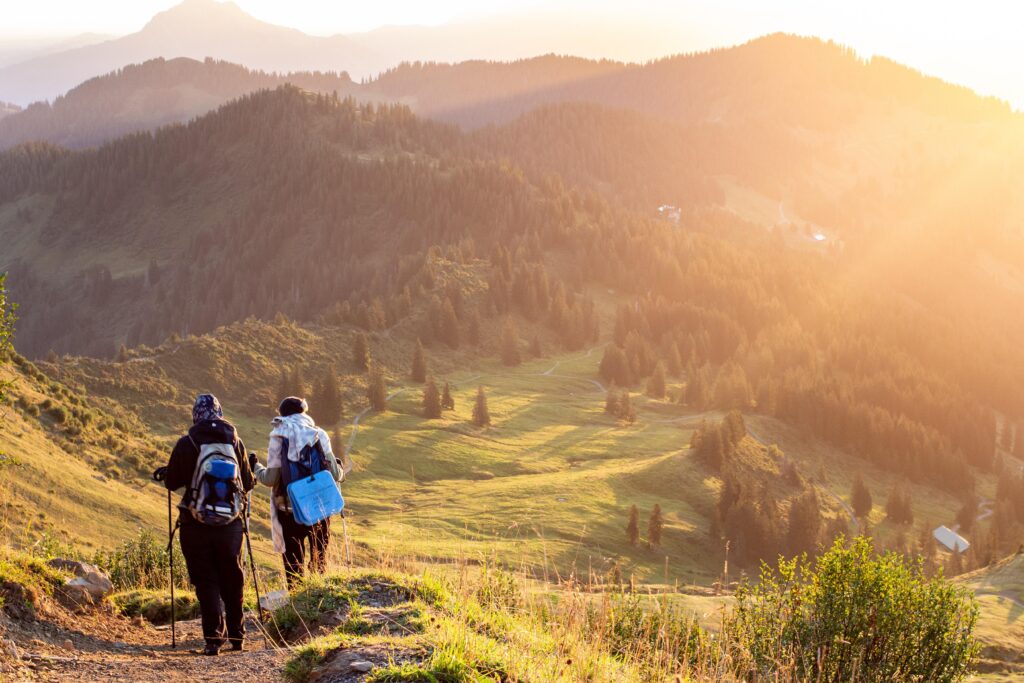
Trekking in Pakistan and the country’s wider adventure tourism scene has grown fast over the past few years — towering mountains, deep valleys, roaring rivers, and vast deserts all within the same country, offering a genuinely wide range of experiences for travellers after more than standard sightseeing. Much of the recent attention has come from travel vloggers and independent explorers rediscovering places that were largely off the mainstream tourism map. What sets it apart isn’t just the scenery but how raw and relatively untouched much of it still is. Whether you’re drawn to trekking, mountaineering, river rafting, skiing, or desert camping, there’s a serious option here at every skill level, in every season. Trekking in Pakistan — Quick Overview Pakistan’s adventure tourism spans trekking, mountaineering, river rafting, skiing, and desert exploration, spread across dramatically different landscapes — often within a single trip if you plan it right. For anyone specifically interested in trekking in Pakistan, the northern areas hold nearly all of the country’s serious routes, while the south and centre of the country offer an entirely different set of activities the rest of the year. The Northern Areas — A Paradise for Adventure Seekers The northern regions are the heart of Pakistan’s adventure tourism industry. Hunza and Skardu, in particular, are known for breathtaking landscapes and genuinely challenging terrain. Hunza blends culture and adventure — ancient forts, mountain trails, and views across the Karakoram range — while Skardu functions as the gateway to some of the world’s highest peaks. The Karakoram Highway adds a layer of excitement on its own; simply driving it, with dramatic mountain views and winding roads the whole way, counts as part of the adventure for many visitors. For broader regional planning, the Gilgit-Baltistan tourism department’s official site is a useful reference. Trekking and Mountaineering Pakistan is home to five of the world’s fourteen highest peaks, including K2, making it a genuine dream destination for trekkers and climbers. Routes like the Baltoro Glacier trek and K2 Base Camp rank among the most demanding and rewarding in the world, running through glaciers, rocky paths, and high-altitude terrain — this is where trekking in Pakistan reaches its most serious, technical level. For less extreme options, Fairy Meadows, the Passu Glacier trek, and Rakaposhi Base Camp all offer serious mountain views without requiring technical climbing experience — genuinely solid entry points if you’re new to trekking in the region. For the full list of routes and difficulty levels, see our trekking destinations guide. River Rafting and Water Sports Pakistan’s glacier-fed rivers make for genuinely exciting white-water rafting, with the Swat River among the most popular spots — fast-flowing water conditions peak in summer as glacier melt increases river levels, with the rapids around Kalam being a particular favourite among rafting operators. The Neelum and Gilgit rivers also offer rafting, each with its own character and difficulty level. Water sports have been growing steadily in popularity here, adding a genuinely different dimension to adventure travel beyond the usual trekking and mountaineering focus. Most operators run trips between May and September, when water levels and weather line up best. Skiing and Winter Sports Winter flips the adventure calendar on its head, and Malam Jabba in Swat Valley is where most of that action happens. As Pakistan’s first and best-known ski resort, it offers a roughly one-kilometre slope, a chairlift running up to around 2,800 metres, and lessons for beginners alongside more serious runs for experienced skiers and snowboarders. Beyond the slopes, the resort’s cable car ride alone is worth the trip for the views over the snow-covered Swat Valley, and the area has a genuinely festive atmosphere during peak winter weekends when the snow is at its best. Desert Adventures in Southern Pakistan While the north gets most of the mountain attention, southern Pakistan offers a completely different kind of adventure — the Cholistan and Thar Deserts are known for their vast sand dunes and a very different pace of travel. Jeep rallies, camel safaris, and desert camping are the main draws, with the annual Cholistan Jeep Rally pulling participants from across the country. Spending a night camped in the desert under a clear sky is genuinely one of the more unique experiences on offer here — quiet, open, and a sharp contrast to the mountains further north. Winter is by far the most comfortable season to visit, once the punishing summer heat has faded. Camping, Hiking, and Nature Exploration Camping and hiking remain some of the most accessible adventure activities in the country, and Deosai and Saif ul Malook are both good starting points. Deosai, the “Land of Giants,” offers wide open plains covered in wildflowers through summer — ideal for camping and photography. Saif ul Malook’s crystal-clear lake, ringed by mountains, offers equally rewarding hiking without requiring advanced skills. K2 Base Camp and the Karakoram’s Extreme Routes For trekking in Pakistan at its most demanding, K2 Base Camp remains the benchmark — a multi-day trek along the Baltoro Glacier that passes Concordia, where several of the world’s highest peaks come into view at once. This is genuinely expert territory: permits, an experienced local team, and serious physical preparation are all non-negotiable. Our full K2 Base Camp trekking guide covers logistics, permits, and what to realistically expect from the route. Challenges and Opportunities in Adventure Tourism Adventure tourism here still faces real challenges — infrastructure in remote areas is developing but not fully there yet, and reaching certain locations remains genuinely difficult. Safety perceptions internationally still lag behind the actual situation on the ground, though that gap has narrowed considerably in recent years as more tourists visit without incident. On the positive side, government initiatives and private investment are steadily improving facilities, and social media has done a lot of the work in showcasing destinations that were previously unknown outside the country. With continued development, Pakistan has real potential to become one of the world’s leading adventure tourism destinations. Conclusion Trekking in Pakistan and its wider adventure tourism

Trekking in Pakistan: 7 Ultimate Adventure Tourism Spots Read Post »

Best trekking places in Pakistan
Adventure & Trekking

8 Best Trekking Places in Pakistan (Complete 2026 Guide)

Pakistan has some of the best trekking places in Pakistan — and honestly, some of the best trekking anywhere in the world: towering mountains, glacier-fed valleys, high-altitude plateaus, and remote landscapes that range from gentle meadow walks to some of the hardest routes on the planet. Whether you’re after a first trek or a serious expedition, there’s a fitting route somewhere in the north. This guide covers the best trekking places in Pakistan, what each trail actually involves, and how to prepare for it. Best Trekking Places in Pakistan — Quick Overview Fairy Meadows, Hunza Valley, Skardu, Deosai Plains, Rakaposhi Base Camp, Ratti Gali Lake, and the Nanga Parbat and K2 Base Camp routes make up the best trekking places in Pakistan — each offering a genuinely different kind of landscape, culture, and difficulty level. Between them, they cover practically every kind of trekking experience the country has to offer, from a gentle first hike to a multi-week glacier expedition. Fairy Meadows — A Gateway to Nanga Parbat Fairy Meadows, in Pakistan’s north, is one of the most famous trekking spots in the country, offering a direct view of Nanga Parbat, the ninth-highest mountain in the world. The trek itself is moderate and suitable for beginners, though it starts with one of the more thrilling jeep tracks anywhere, followed by a scenic hike through forest and grassy fields. Once you’re at the meadow, snow-covered peaks, clean air, and genuine quiet make it worth the trip on its own — and it’s one of the best spots in the country for camping under a clear night sky. For the full route breakdown, see our complete Fairy Meadows guide. Hunza Valley — Culture Meets Natural Beauty Hunza Valley is not just a tourist destination but a genuine trekking base, surrounded by the Karakoram range with trails for every skill level. What sets trekking here apart is the cultural layer — routes pass through traditional villages, and it’s easy to spend as much time talking with locals as walking. Popular routes include the Passu Glacier trek and Ultar Meadows, with views of the Passu Cones that are especially popular among photographers. For mountain trekking that pairs well with sightseeing and culture, Hunza is hard to beat. For the district’s full tourism details, see the Gilgit-Baltistan tourism department’s Hunza page. Rakaposhi Base Camp — A Full Day With No Technical Skills Required The trek to Rakaposhi Base Camp is one of the more rewarding one-day routes in the north, running from the village of Minapin in the Nagar district up to the base of Rakaposhi itself — a peak that rises almost 6,000 metres from its base without interruption, one of only a handful of mountains in the world that do. The trail is well marked and doesn’t require any technical climbing skills, though it is a steady uphill walk, so reasonable fitness helps. Most trekkers complete the round trip in a single long day, though camping partway up for a slower pace and better light is a genuinely worthwhile option if you have the time. Skardu — The Heart of High-Altitude Adventures Skardu is often considered the gateway to some of the highest peaks in the world, including K2, making it one of the most important bases for serious trekkers. Routes here range from easy day hikes to genuinely extreme expeditions — the Baltoro Glacier trek, in particular, is one of the most demanding and rewarding routes anywhere for experienced trekkers. Skardu is also home to lakes like Shangrila and Sheosar, adding a completely different kind of scenery to the trip beyond the mountains and glaciers themselves. For a full breakdown of the town and surrounding area, see our Skardu travel guide. Deosai Plains — The Land of Giants Deosai, one of the highest plateaus in the world, offers a completely different kind of trekking from the mountainous routes elsewhere on this list. It’s less about steep climbs and more about long, peaceful walks across vast open terrain, covered in wildflowers through the summer months. Wildlife is a genuine draw here too — Himalayan brown bears, marmots, and a range of bird species all call the plateau home. For anyone chasing something quieter and more contemplative than a mountain summit, Deosai is worth the detour. Ratti Gali Lake — Azad Kashmir’s Alpine Trek Ratti Gali Lake, deep in the Neelum Valley of Azad Kashmir, involves a jeep ride from the village of Dowarian followed by a genuine trek — around two to three hours of moderate-to-difficult walking, or a horse ride for anyone who’d rather skip the climb. The route passes waterfalls, streams, and a good range of alpine flora along the way. The reward at the top is a glacial lake in a deep turquoise-blue, ringed by snow-covered peaks, sitting at over 3,600 metres. It’s a summer-only trek — the lake and surrounding trail are snowbound the rest of the year — but between July and September it’s one of the more rewarding alpine treks in Kashmir for the effort involved. Nanga Parbat Base Camp — A True Adventure The trek to Nanga Parbat Base Camp is one of the more rewarding adventures in the country, bringing you close to one of the world’s tallest and most notoriously dangerous mountains. It’s noticeably more demanding than Fairy Meadows and requires solid fitness — river crossings, forest walking, and rocky climbing sections are all part of the route. The views get more dramatic the closer you get, with massive glaciers and towering peaks closing in around you. For trekkers who’ve already done Fairy Meadows and want to push further, this is the natural next step. K2 Base Camp — For Serious Trekkers For anyone wanting the single most demanding trek on this list, K2 Base Camp is the answer — a multi-day route along the Baltoro Glacier that passes Concordia, where several of the world’s highest peaks come into view simultaneously. This is genuinely expert territory, requiring permits, an experienced local team, and

8 Best Trekking Places in Pakistan (Complete 2026 Guide) Read Post »

K2 Base Camp Pakistan
Adventure & Trekking

K2 Base Camp Pakistan: Trekking Guide & Route Tips

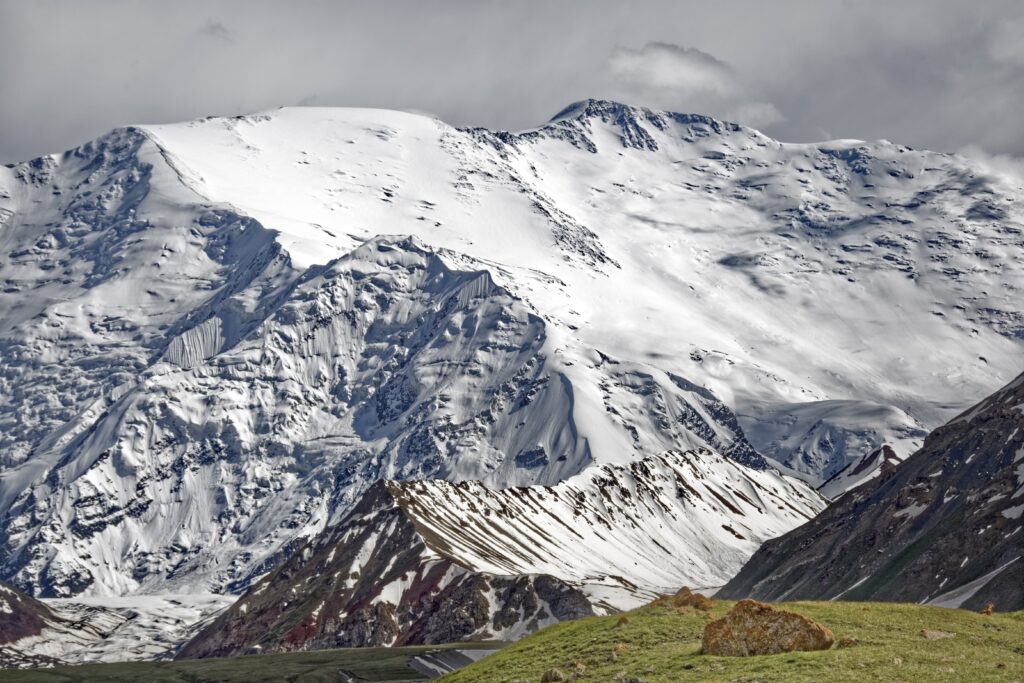
Hidden deep within the rugged landscapes of northern Pakistan, the journey to K2 Base Camp Pakistan is considered one of the most breathtaking and challenging adventures in the world. Known for its raw beauty and untouched wilderness, this region offers a rare experience for those who seek more than just ordinary travel. The towering peaks, vast glaciers, and remote valleys create a setting that feels almost unreal. The trek to K2 Base Camp is not just about reaching a destination. It is about the journey itself, the changing landscapes, and the connection with nature in its purest form. From the moment you step into the Karakoram region, every step brings a new perspective and a deeper appreciation for the mountains. This guide walks through everything worth knowing, from the trekking route to preparation and what makes this destination so special. The Significance of K2 and Its Base Camp K2 is the second-highest mountain in the world, standing as a symbol of strength and challenge. Unlike other famous peaks, it has a reputation for being extremely difficult to climb, which adds to its mystique. The base camp, located at the foot of this massive mountain, serves as a meeting point for climbers and trekkers from around the world. The importance of the base camp goes beyond mountaineering. It represents a gateway to understanding the scale and power of nature. The surrounding environment, including glaciers and neighboring peaks, creates a dramatic landscape that leaves a lasting impression on anyone who visits. For many, reaching the base camp is a personal achievement. It requires physical effort, mental strength, and a willingness to step outside of comfort zones. The journey is demanding, but the reward is an experience that few places on earth can offer. The Trekking Experience and Route Overview The trek to the base camp typically begins from Skardu, a town that acts as the main hub for expeditions in the region. From there, travelers move towards Askole, which marks the starting point of the trek. The route then follows the Baltoro Glacier, one of the longest glaciers outside the polar regions. This journey is often referred to as the K2 Base Camp trek and is known for its diverse landscapes. Trekkers pass through rocky paths, icy terrain, and wide open valleys. Along the way, they encounter iconic locations such as Concordia, often called the “Throne Room of the Mountain Gods,” where several of the world’s highest peaks are visible — arguably the single most photographed viewpoint on the entire K2 Base Camp Pakistan trek. Each day of the trek presents new challenges and rewards. The altitude gradually increases, making acclimatization an important part of the journey. Despite the physical demands, the sense of achievement grows with every step. The experience is not just about reaching the base camp but about embracing the entire journey through one of the most stunning regions on earth. Natural Beauty and Unique Landscape The Karakoram region is known for its dramatic and untouched beauty. Massive peaks rise sharply into the sky, creating a skyline that feels both powerful and peaceful. Glaciers stretch across the land, reflecting sunlight and adding to the visual impact of the surroundings. This area offers something truly different from typical travel destinations. There are no crowded streets or commercial attractions. Instead, visitors find silence, space, and a deep connection with nature. Wildlife in the region is rare but fascinating. You may encounter species adapted to extreme conditions, adding another layer of interest to the journey. The combination of high-altitude terrain, unique geology, and remote location makes this landscape one of the most remarkable in the world. Preparation and Essential Tips for Travelers Preparing for this journey requires careful planning. The remote nature of the region means that travelers must be self-sufficient and well-prepared. Physical fitness is essential, as the trek involves long days of walking over challenging terrain. Proper gear is equally important. Warm clothing, sturdy trekking shoes, and reliable equipment can make a significant difference in comfort and safety. Since the weather can change quickly, being prepared for different conditions is crucial. Many travelers rely on experienced local guides for this kind of remote trek. These professionals help manage logistics, ensure safety, and provide valuable knowledge about the region. They also assist with permits and coordination, making the journey smoother and more organized. Acclimatization should not be overlooked. Taking time to adjust to higher altitudes reduces the risk of altitude sickness and allows you to fully enjoy the experience. Hydration, rest, and a steady pace are key factors in completing any K2 Base Camp Pakistan expedition successfully. Cultural Experience and Local Communities While the focus is often on the mountains, the cultural aspect of the journey adds depth to the experience. The region is home to small communities that have adapted to life in extreme conditions. Their traditions, hospitality, and way of life offer valuable insights into a different world. Travelers often pass through villages where they can interact with locals and learn about their daily lives. These moments create meaningful connections and provide a deeper understanding of the region beyond its natural beauty. The combination of cultural exposure and natural exploration makes the journey more enriching. It is not just about the destination but also about the people and stories encountered along the way. Getting to K2 Base Camp Pakistan: How to Reach the Starting Point Most journeys begin with a flight or road trip to Skardu, the gateway town for expeditions into the Karakoram. Flights from Islamabad to Skardu are the fastest option when weather allows, cutting what would otherwise be a long overland journey down to about an hour in the air — though flights are weather-dependent and can be delayed or cancelled with little notice. The overland route via the Karakoram Highway takes considerably longer but offers its own dramatic scenery along the way. From Skardu, a jeep transfer takes trekkers to Askole, the last village before the trek proper begins, following unpaved mountain roads that

K2 Base Camp Pakistan: Trekking Guide & Route Tips Read Post »

Best Places in Karachi
Cities of Pakistan

Best Places in Karachi 2026: Beaches, History & Top Spots

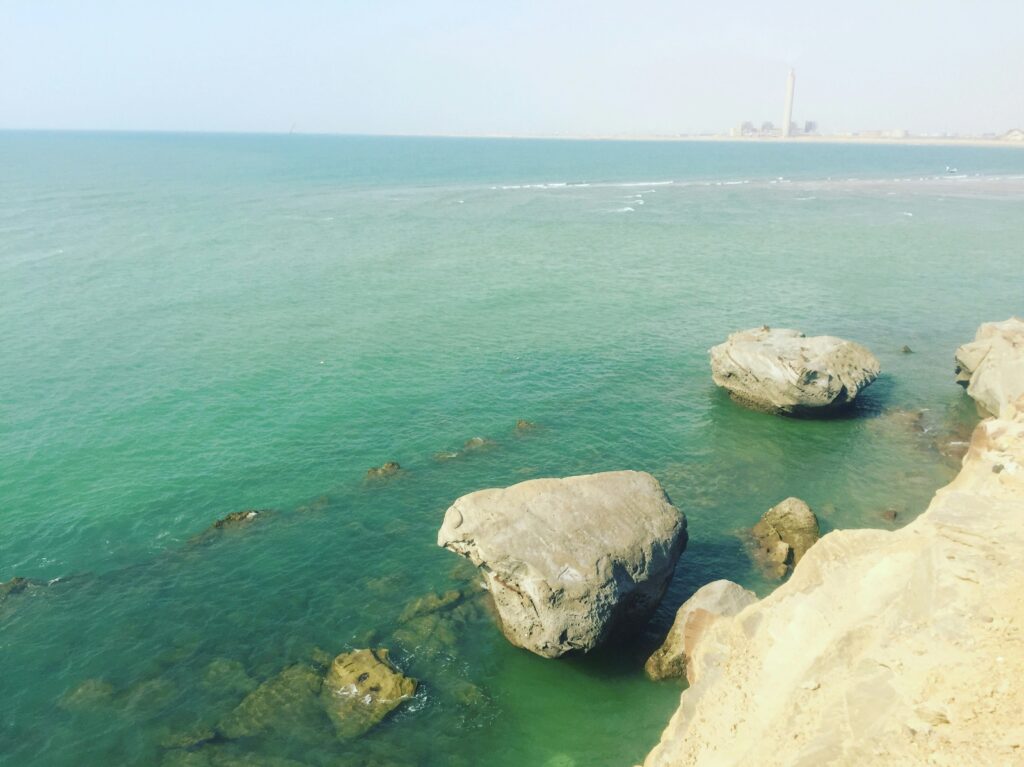
Karachi, Pakistan’s largest city, offers a genuinely wide mix of experiences — beaches along the Arabian Sea, colonial-era architecture, modern shopping malls, and a food scene that’s hard to match anywhere else in the country. Whether you’re a first-time visitor or a local looking to explore further, the city rewards a bit of planning. This guide covers the best places in Karachi worth building an itinerary around, from the coastline to the old city center. Why Karachi Is Worth Exploring Karachi is often called the city of lights, and it earns the name — it rarely slows down. As Pakistan’s financial hub, it’s also one of the most diverse cities in the region, home to people from a wide range of cultures and backgrounds. From beaches to historical architecture to modern malls, it’s a city that blends old and new in ways that surprise a lot of first-time visitors, and it’s exactly this contrast that puts so many of the best places in Karachi on the map. Clifton Beach Clifton Beach is one of the city’s most famous coastal spots, popular with families, tourists, and evening walkers alike. The sea breeze, horse and camel rides, and street food stalls all add to a lively atmosphere, and sunset here is genuinely one of Karachi’s best free views. It’s an easy first stop for anyone new to the city, and one of the most popular best places in Karachi to start any itinerary. Mohatta Palace Mohatta Palace is one of the city’s finest examples of colonial-era architecture, built with striking stonework and intricate detail. Today it operates as a museum showcasing art and culture, making it a favorite stop for history lovers and anyone curious about Karachi’s pre-independence past. The building itself is worth the visit even before you step inside, and it’s consistently ranked among the best places in Karachi for architecture alone. Quaid-e-Azam Mausoleum The mausoleum of Muhammad Ali Jinnah, Pakistan’s founder, is a national monument and a genuine symbol of respect and pride for the country. Its white marble structure stands out in the center of the city, and visitors come both to pay tribute and to learn more about Pakistan’s founding history. It’s one of the more meaningful stops on a Karachi itinerary, not just a photo opportunity, and remains one of the most visited best places in Karachi for anyone interested in the country’s history. Empress Market Empress Market in Saddar is one of the oldest and most atmospheric of the best places in Karachi for anyone who wants a real feel for the city rather than just its landmarks. Built during the British colonial era and named after Queen Victoria, the building’s clock tower and Gothic arches still stand over a market that sells everything from spices and textiles to fresh produce. It’s crowded, noisy, and a little chaotic — and that’s exactly the point. Wandering its lanes for half an hour tells you more about daily life in Karachi than most museums do. Port Grand Port Grand is a modern waterfront entertainment complex bringing together restaurants, live music, shopping, and cultural events in one spot. It’s especially lively after dark, when the whole complex lights up and fills with visitors looking for a solid night out combining food and entertainment in one place. It’s quickly become one of the buzzier best places in Karachi to grab dinner with a view. Do Darya Do Darya is known for its restaurants built directly along the water, offering a dining experience with ocean views and a steady sea breeze. It’s a popular evening destination for exactly that reason — good food paired with a genuinely scenic backdrop that’s hard to find elsewhere in the city. Pakistan Maritime Museum The Pakistan Maritime Museum offers a close look at Pakistan’s naval history, with real submarines, aircraft, and maritime exhibits on display. It’s both educational and genuinely interesting, making it one of the best places in Karachi for families and students to explore naval history together. Safari Park Safari Park is one of Karachi’s largest recreational spaces, offering wildlife viewing, chair lifts, and plenty of room for family picnics. It’s a reliable choice for outdoor time away from the city’s busier streets, and works especially well if you’re traveling with kids — one of the more family-friendly best places in Karachi to spend a full day outdoors. Dolmen Mall Clifton Dolmen Mall is Karachi’s best-known shopping destination, featuring international brands, restaurants, and entertainment options under one roof. For anyone who wants a break from sightseeing — or just wants to shop — it’s one of the most modern best places in Karachi to eat, browse, and unwind. Frere Hall Frere Hall is a historic building surrounded by well-kept gardens, known equally for its architecture and its calm atmosphere in the middle of a busy city. It regularly hosts art exhibitions and cultural events, and remains a favorite spot for photographers and local artists looking for a quieter corner of Karachi. Churna Island Churna Island sits just off Karachi’s coastline and is the city’s best option for snorkeling, scuba diving, and general marine life exploration. Adventure-minded travelers regularly include it as a weekend trip, and it’s one of the few spots near Karachi where the underwater scenery genuinely competes with the city’s landmarks for attention. Comparison of Top Places in Karachi Here’s a quick side-by-side look at some of the best places in Karachi covered in this guide, grouped by what each one is best suited for: Place Type Best For Clifton Beach Beach Relaxation & food Mohatta Palace Museum History & culture Quaid-e-Azam Mausoleum Monument National heritage Empress Market Market Local life & history Port Grand Entertainment Dining & nightlife Do Darya Restaurant zone Sea view dining Maritime Museum Museum Education & history Safari Park Park Family outings Dolmen Mall Shopping Retail & entertainment Frere Hall Historical Art & photography Churna Island Adventure Water sports Getting Around Karachi Karachi is a sprawling city, and traffic can be heavy at almost

Best Places in Karachi 2026: Beaches, History & Top Spots Read Post »

saif ul malook lake travel guide
Lakes & Valleys

Saif ul Malook Lake Travel Guide 2026: Stunning Views & Tips

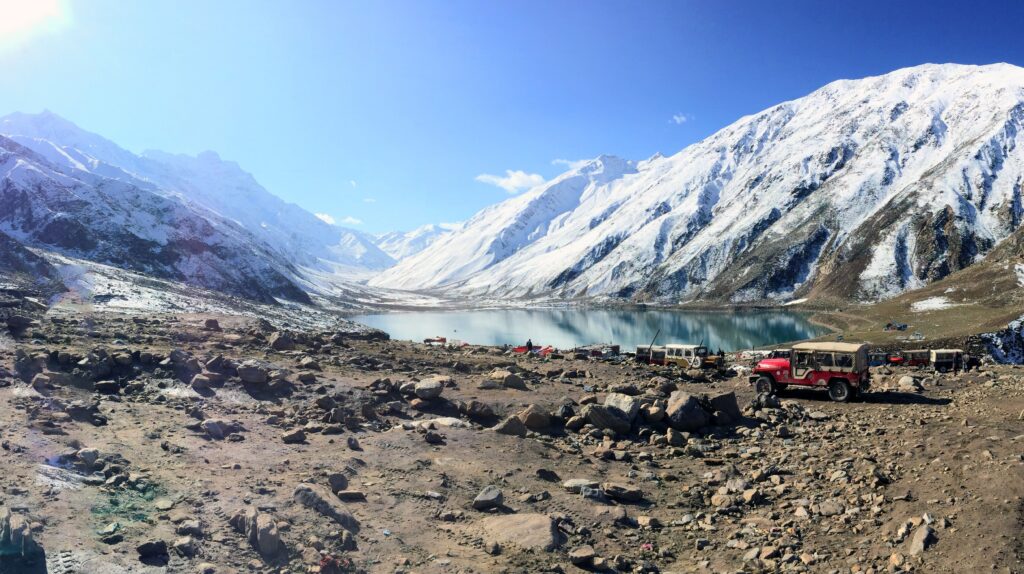
Saif ul Malook Lake is one of the most famous and breathtaking natural attractions in Pakistan. Located near Naran in the Kaghan Valley of Khyber Pakhtunkhwa, this alpine lake is known for its crystal-clear water, snow-covered mountains, and scenery that draws thousands of visitors every year. This Saif ul Malook Lake travel guide covers everything worth knowing before you go. At an altitude of around 3,224 metres above sea level, Saif ul Malook is not just a tourist destination but also a symbol of natural beauty and folklore. The lake is surrounded by towering peaks, including the famous Malika Parbat, which adds real drama to its landscape. It’s also deeply connected to a romantic fairy tale that gives it a mystical, cultural weight beyond the scenery alone. For many travelers heading into the Kaghan Valley, this lake is the single image that first drew them to the region — and it tends to live up to that expectation once you’re actually standing at the water’s edge. Saif ul Malook Lake Travel Guide: Location and Overview Saif ul Malook Lake sits roughly 8 kilometres from Naran town, inside the wider Kaghan Valley — one of the most visited tourist regions in Pakistan. The lake lies within a national park area, ringed by glaciers and snow-covered peaks. Because of its high altitude, temperatures stay cold for most of the year, and the lake freezes over completely during winter. That remote setting is exactly what makes it one of the most striking alpine lakes anywhere in the world. How to Reach Saif ul Malook Lake Getting there starts with reaching Naran, accessible by road from major cities including Islamabad, Abbottabad, and Mansehra. From Naran, the final stretch to the lake is covered by jeep or on foot. The jeep ride is the more popular option, taking roughly 30 to 40 minutes over a rough, unpaved track that makes the short trip genuinely adventurous. Hiking is also possible for those who prefer it, though it demands reasonable fitness given the steep terrain and altitude. Jeep services are readily available from local drivers in Naran throughout peak season. This section of the Saif ul Malook Lake travel guide is worth re-reading closer to your trip, since jeep availability can shift with the weather. Best Time to Visit May through September is the window worth planning around — this is when snow clears and the road to Naran opens up. Summer brings pleasant weather and full visibility of the lake’s deep blue water against green surrounding slopes, though it’s also peak season, so expect crowds. Winter brings heavy snowfall that blocks the roads entirely and freezes the lake solid, making it inaccessible to most visitors. If photography and a quieter atmosphere matter to you, aim for early morning or late afternoon rather than midday. Timing is one of the most useful things to take from this Saif ul Malook Lake travel guide if you only remember one tip. Natural Beauty and Landscape Saif ul Malook Lake earns its reputation for unmatched natural beauty — on calm days, it reflects the surrounding mountains almost like a mirror. Malika Parbat is the most prominent peak nearby, snow-covered year-round, and the combination of glaciers, rock, and blue water creates a genuinely surreal setting. Because the lake’s appearance shifts with sunlight and weather throughout the day, it’s become a favorite subject for photographers chasing different moods from the same spot. Activities at the Lake Boating is the standout activity here — local operators run rides that let you get out onto the water and take in the surrounding peaks from a different angle. Photography draws just as many visitors, given how much the lake’s light and color shift throughout the day. For those who want more movement, short hikes around the lake’s edge offer a good look at the terrain, and plenty of people simply sit by the water for a while, which given the setting, is honestly reason enough to visit. Folklore and Cultural Importance Beyond its scenery, Saif ul Malook carries real cultural weight. According to local folklore, a Persian prince named Saif ul Malook fell in love with a fairy princess, Badi-ul-Jamal, at this very lake — a story passed down for generations and famously immortalized by Sufi poet Mian Muhammad Bakhsh in his poetry. That layer of legend gives the lake a romantic, almost mythical quality that goes beyond its natural beauty alone. Accommodation Near the Lake There’s no lodging directly at the lake itself, but Naran — the nearby town — offers a full range of hotels, guesthouses, and lodges to suit families, groups, and solo travelers alike, from budget stays to mid-range hotels. During peak season, booking ahead is genuinely worth it, since demand climbs fast and last-minute options thin out quickly. Travel Tips Prepare properly given the altitude and shifting weather — warm clothing matters even in summer, since temperatures can drop suddenly, and comfortable shoes make the jeep-to-lake walk and any hiking far easier. Carry basic supplies like water, snacks, and any medicines you might need, since options thin out once you’re past Naran, and expect mobile signal to be weak or nonexistent in stretches. Respecting the site and packing out your own trash goes a long way toward keeping the lake as striking as it is now. These are the practical basics every Saif ul Malook Lake travel guide should cover before you set off. Challenges to Expect The road from Naran to the lake is rough and not suitable for every vehicle, so factor that into your transport plans. Weather can shift quickly — sudden rain or cold wind isn’t unusual — and during peak season, overcrowding is a real possibility at the more accessible viewpoints. None of this takes much away from the experience, but it’s worth going in prepared rather than surprised. FAQs 1. Where is Saif ul Malook Lake located? Near Naran in the Kaghan Valley of Khyber Pakhtunkhwa, Pakistan. 2. What is the best time

Saif ul Malook Lake Travel Guide 2026: Stunning Views & Tips Read Post »

Best Beaches in Pakistan
Beaches & Coastal

Best Beaches in Pakistan: 12 Top Coastal Spots for 2026

Pakistan is often known for its mountains, deserts, and historical cities, but many people don’t realise it also has a stunning coastline stretching over 1,000 kilometers along the Arabian Sea. This guide to the best beaches in Pakistan covers a coastline home to some of the most naturally rich and varied beaches in South Asia — from the bustling shores of Karachi to the untouched coves of Balochistan. Each beach here has its own character. Some are built for family picnics and easy city escapes; others reward the effort of a longer drive with genuine isolation and untouched scenery. In recent years, tourism along Pakistan’s coast has grown steadily thanks to improved security and better road infrastructure — these beaches are increasingly full travel destinations in their own right, not just weekend afterthoughts. Clifton Beach, Karachi — The Most Famous Urban Beach Clifton Beach, also known as Sea View, is the most popular and easily accessible beach in Pakistan, drawing thousands of visitors daily, especially in the evenings and on weekends. It’s known for its lively atmosphere — food stalls, camel and horse rides, and wide open views of the Arabian Sea — and the sunset here is one of Karachi’s best free experiences. Swimming isn’t always advisable due to strong currents, but as a place to walk, eat, and watch the sky change color, it remains one of the best beaches in Pakistan for a quick, lively evening out. Hawksbay Beach — Calm Waters and Golden Sand Hawksbay Beach, near Karachi, is known for cleaner water and softer sand than the city’s more crowded spots, making it a genuinely peaceful option for swimming and weekend picnics. The water here is calmer than at Clifton, and small huts and resting spots along the beach make it comfortable to spend a full day. During certain seasons, it also serves as a turtle nesting site, adding an ecological dimension that makes it one of the best beaches in Pakistan to visit even outside peak beach weather. Sandspit Beach — Nature and Turtle Watching Sandspit Beach, another Karachi-area destination, is less crowded than the city’s main spots and known for its natural setting. It’s a nesting ground for sea turtles, and during the right season, visitors sometimes get to see turtles laying eggs or hatchlings making their way to the water. Shallow waters make it reasonably safe for families, and horseback and camel rides round out the experience, making it one of the best beaches in Pakistan for a relaxed family day trip. French Beach — A Private, Exclusive Stretch French Beach stands out because it’s privately owned by local fishing communities and isn’t open to the general public without prior arrangement — which is exactly what keeps it clean and peaceful. Located between Hawksbay and Paradise Point, it’s well suited to snorkeling, diving, and overnight stays in beach huts, with noticeably clearer water than most of Karachi’s other beaches. It’s a favorite for groups of friends looking for one of the more exclusive best beaches in Pakistan to experience together. Mubarak Village Beach — A Hidden Gem Mubarak Village Beach, near a working fishing village, offers a raw, uncommercialized coastal experience with clear blue water and a dramatic rocky coastline. It’s a strong pick for photography, camping, and general adventure trips, and stands apart from Karachi’s busier beaches by offering genuine peace and solitude — though facilities are limited, so it’s worth planning ahead rather than expecting amenities — this is one of the best beaches in Pakistan for travelers chasing solitude over convenience. Ormara Beach — A Peaceful Highway Stop Ormara Beach sits in Balochistan along the Makran Coastal Highway and ranks among the cleanest, most peaceful beaches in the country. Far from city life, it makes a natural stop for travelers driving the coastal route between Karachi and Gwadar, with mountains on one side and open sea on the other. It’s an easy choice for camping, photography, or simply breaking up a long drive, and firmly one of the best beaches in Pakistan for travelers heading down the Makran coast. Kund Malir Beach — One of Pakistan’s Most Beautiful Kund Malir Beach, inside Hingol National Park, is often ranked among the most beautiful beaches in Pakistan for good reason — it combines desert, mountains, and sea in a single view. The drive there via the Makran Coastal Highway is scenic enough to be part of the appeal, and the beach itself remains clean and relatively undeveloped, which only adds to the atmosphere. Sunset here is genuinely one of the best on the coast. Gwadar Beaches — A Future Tourism Hub Gwadar, in Balochistan, is emerging as one of Pakistan’s most strategically important coastal cities, and its beaches — including Gwadar Beach and Hammerhead Beach — offer striking views of deep blue water against rocky cliffs. Development here is still ongoing, but the potential for Gwadar to become a major tourism destination is real — and its beaches are shaping up to be some of the best beaches in Pakistan once that infrastructure catches up. Pasni Beach — Fishing Town Beauty Pasni Beach sits within a small Balochistan fishing town and offers a calm, low-tourism environment where visitors can watch local fishermen at work and enjoy fresh seafood nearby. For anyone wanting one of the best beaches in Pakistan for an authentic look at coastal life, away from the tourist circuit, Pasni delivers exactly that. Astola Island — Pakistan’s Hidden Paradise Astola Island, sometimes called the “Island of the Seven Hills,” is one of the most untouched spots on Pakistan’s coast. Reachable by boat from Pasni, it offers crystal-clear water, coral reefs, and rich marine life — genuinely well suited to camping, snorkeling, and low-impact ecotourism. It’s not the easiest place to reach, but that’s exactly why it remains one of the best beaches in Pakistan for anyone willing to make the extra effort. Travel Tips for Visiting the Best Beaches in Pakistan Planning matters more than it might seem,

Best Beaches in Pakistan: 12 Top Coastal Spots for 2026 Read Post »

places to visit in islamabad 2026
Cities of Pakistan

Places to Visit in Islamabad (Travel Guide 2026)

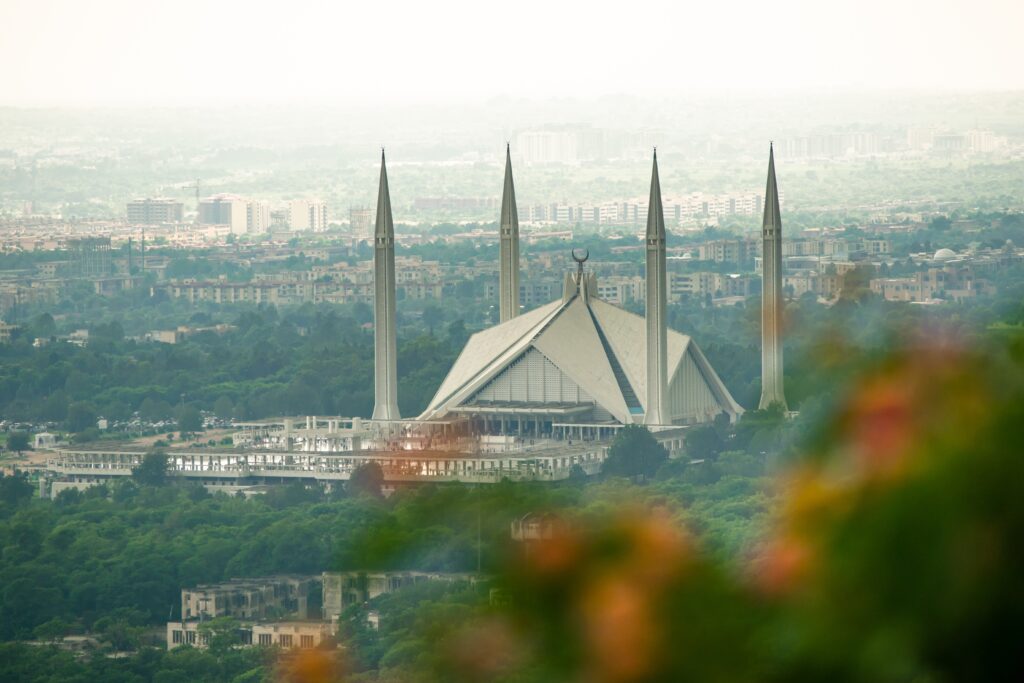
Exploring the best places to visit in Islamabad 2026 starts with a city widely recognised as one of the most beautiful and well-planned capitals in the world. Unlike many crowded metropolitan cities, Islamabad is known for its clean environment, organised infrastructure, greenery, and peaceful lifestyle. This guide to places to visit in Islamabad 2026 covers how the city blends modern architecture with natural landscapes, making it an ideal destination for tourists, families, students, and photographers. One of Islamabad’s most distinctive features is its close connection with nature. The city is bordered by the breathtaking Margalla Hills, part of the Himalayan foothills, giving it a refreshing atmosphere that’s rare among capital cities. Tourism here has grown steadily in recent years thanks to improved facilities and better infrastructure, and this guide explores the mix of history, culture, nature, and modern lifestyle all packed into one city. Top Places to Visit in Islamabad 2026: Faisal Mosque — Architectural Masterpiece and National Icon Faisal Mosque is not only the largest mosque in Pakistan but also one of the most iconic religious landmarks in the world. Its unique design, inspired by a Bedouin tent, was created by Turkish architect Vedat Dalokay — a striking departure from traditional domed mosque architecture. Located at the base of the Margalla Hills, the mosque offers a stunning combination of natural and man-made beauty. The white marble structure reflects sunlight during the day and glows beautifully at night, creating a peaceful and spiritual environment. Inside, the mosque has a massive prayer hall that can accommodate thousands of worshippers, with an equally large courtyard often used for gatherings during religious events such as Eid prayers. Tourists from around the world visit not only for worship but also to admire the architecture, and the surrounding gardens and fountains — backed by the Margalla Hills — make it a favorite spot for photography, and one of the most photographed places to visit in Islamabad 2026. Daman-e-Koh — Islamabad’s Signature Viewpoint Daman-e-Koh is one of the most popular viewpoints in Islamabad, sitting partway up the Margalla Hills with a panoramic view over the entire city. From here, visitors can pick out landmarks like Faisal Mosque, Rawal Lake, and the city’s organized sectors below. It’s especially popular at sunset, when the changing sky and the city’s lights create a memorable scene. The area is surrounded by greenery and is home to monkeys and a variety of bird species, with small restaurants and resting points making it comfortable for families. Daman-e-Koh also doubles as a trailhead for hikes deeper into the Margalla Hills, making it a natural first stop for anyone planning to explore further. Pir Sohawa — A Hilltop Escape Above the City Pir Sohawa sits at the top of the Margalla Hills and is one of the highest accessible points near Islamabad. The drive up is memorable in its own right, winding through dense forest with scenic viewpoints along the way. At the top, cooler temperatures and fresh air make it a popular summer escape, and the restaurants and cafes here — many with outdoor seating and sweeping views — are especially popular for sunset dining. For hikers, trails connecting Daman-e-Koh to Pir Sohawa offer a challenging but rewarding route. Rawal Lake — A Peaceful Water Escape Rawal Lake is an artificial reservoir supplying water to Islamabad and Rawalpindi, but it’s also become one of the region’s most relaxing recreational spots. Surrounded by gardens, picnic areas, and walking tracks, it’s a regular destination for families looking to go boating, fish, or simply spend an afternoon outdoors. Sunset here is particularly striking, with the sky’s reflection creating a calm, photogenic scene, and migratory birds during certain seasons make it a draw for birdwatchers too. Nearby parks and food stalls round it out as a solid picnic destination. Pakistan Monument — Symbol of National Unity The Pakistan Monument represents the unity of the country’s four provinces and three territories through its distinctive petal-like structure. Located on the Shakarparian Hills, it’s visible from many parts of the city, and the interior museum walks through Pakistan’s history via artifacts, photos, and cultural exhibits — a popular stop for students and researchers alike. At night, the monument is beautifully lit, making it worth a return visit after dark. Shakarparian Park — A Green Escape One of Islamabad’s oldest recreational areas, Shakarparian Park sits near the Pakistan Monument and offers large green spaces, walking tracks, and gardens. It’s frequently used for national events and cultural festivals, and its elevated position gives scenic views over the city. Spring is the best time to visit, when blooming flowers and lush greenery make the park especially photogenic. Saidpur Village — History Meets Modern Culture Saidpur Village is a centuries-old settlement preserved and transformed into one of Islamabad’s most culturally rich attractions, reflecting a mix of Hindu, Sikh, and Muslim heritage through its ancient temples, traditional houses, and restored buildings. Today, it’s also home to restaurants, cafes, and art galleries, making it easy to combine traditional Pakistani food with a walk through historical architecture — a favorite for cultural photography. Margalla Hills National Park — Nature and Hiking Margalla Hills National Park is one of Islamabad’s most important natural attractions, covering forested hills that are home to leopards, monkeys, birds, and deer. Multiple hiking trails cater to different difficulty levels, with Trail 3 and Trail 5 among the most popular routes. The combination of fresh air, natural scenery, and a genuinely peaceful setting draws thousands of hikers, photographers, and fitness enthusiasts every week, making it one of the most rewarding places to visit in Islamabad 2026 for anyone who prefers the outdoors. Centaurus Mall — Modern Islamabad Centaurus Mall represents the city’s modern side — a multi-storey complex with international brands, restaurants, entertainment areas, and a cinema. It’s a popular stop for locals and tourists alike who want a break from sightseeing, and especially well-suited to families and younger visitors given its range of entertainment options. Lok Virsa Museum — Cultural Heritage Center

Places to Visit in Islamabad (Travel Guide 2026) Read Post »

Murree travel guide
Cities of Pakistan

Murree Travel Guide: Top Places & Best Time

Murree is Pakistan’s best-known hill station, and for good reason — cool weather, pine-covered hills, and a short drive from Islamabad and Rawalpindi make it one of the easiest mountain escapes in the country. This Murree travel guide covers the main attractions, when to go, and what to expect, from the buzz of Mall Road to quieter viewpoints just outside town. Murree Travel Guide: Why It’s Worth the Trip Nicknamed the “Queen of Hills,” Murree sits at high altitude in northern Punjab, just a few hours from Islamabad and Rawalpindi — close enough for a weekend trip, high enough to feel like a proper mountain escape. The town has a well-developed tourism setup with plenty of hotels, restaurants, and guesthouses, so it works equally well as a day trip or a longer stay. Summer brings visitors escaping the heat of the plains; winter brings snow, and with it, an entirely different crowd chasing the season’s first flurries. Spring and autumn are quieter, milder, and honestly underrated if you’d rather skip the peak-season crowds. Mall Road — The Heart of Murree Mall Road is where most visitors spend their evenings — a bustling stretch lined with shops, cafes, and street vendors selling everything from handicrafts and winter clothing to roasted corn and hot pakoras. It gets especially lively at night, when the road fills with families walking, shopping, and grabbing tea from roadside stalls. Horse riding is a popular draw for kids, and no Murree travel guide is complete without a mention of it. It’s touristy, sure, but it’s also genuinely fun and a good barometer of Murree’s atmosphere at its liveliest. Kashmir Point — A Quieter Viewpoint For a break from the crowds, Kashmir Point offers one of the highest and calmest viewpoints in Murree, with sweeping views across toward the Kashmir mountains. It’s especially good at sunrise or sunset, when the changing light adds real drama to the mountain backdrop. Compared to Mall Road, it’s noticeably peaceful — a solid pick if you want photography time without jostling through crowds, and one of the quieter stops in this Murree travel guide. Pindi Point — Chair Lift and Cable Car Views Pindi Point is the spot for aerial views over Rawalpindi and the surrounding hills, reached via a chair lift and cable car that’s become one of Murree’s signature experiences. The ride itself carries you over forested slopes with views the whole way, and there are food stalls and seating at the top for a relaxed break. It’s a reliable hit with families, especially kids who get a kick out of the ride itself as much as the view. Patriata (New Murree) — Adventure with a View A short drive from central Murree, Patriata (better known as New Murree) runs some of the longest chair lift and cable car routes in the area, gliding over forests and valleys on the way up. At the top, walking trails and open viewpoints reward the climb, and because it sits outside the main town, it’s noticeably less crowded. If you want the adventure element of Murree without the Mall Road bustle, this is where to go. Ayubia National Park Ayubia is one of the region’s most important nature reserves, known for dense forest, varied wildlife, and well-kept hiking trails. The Pipeline Track is the standout walk here — a forest trail with steady mountain views throughout — and the Ayubia chair lift adds an aerial perspective for those who’d rather ride than hike. It’s a solid half-day addition to a Murree itinerary if you want nature and quiet over shopping and crowds. Nathia Gali — A Nearby Escape Part of the wider Galyat region, Nathia Gali is a smaller, quieter hill station many travelers add onto their Murree trip. It’s cooler and greener than Murree itself, with hiking trails winding through dense forest, and low-hanging cloud that occasionally settles right at ground level for a genuinely atmospheric effect. If Murree feels too busy, Nathia Gali is the natural next stop. How to Reach Murree Murree is one of the easiest hill stations in Pakistan to get to. From Islamabad or Rawalpindi, it’s roughly a 1.5 to 2-hour drive on a well-maintained road, making it genuinely feasible as a day trip if you leave early. Private cars and hired taxis are the most flexible option, while regular buses and vans also run from Rawalpindi’s Pir Wadhai bus terminal for a cheaper alternative. During peak season and on weekends, expect the final stretch into Murree to slow considerably due to traffic — this is the single biggest reason to start your drive early rather than mid-morning — a small planning tip that this Murree travel guide keeps coming back to. Where to Stay Accommodation in Murree ranges from budget guesthouses to well-known hotel chains, with the highest concentration of options clustered around Mall Road and Jinnah Road. Budget rooms are easy to find outside peak season but book up fast around major holidays and after fresh snowfall. Mid-range and upscale hotels offer more reliable heating and hot water — worth prioritizing in winter, when budget guesthouses can be underprepared for the cold. If you want a quieter base, consider staying slightly outside the main town, in the direction of Kashmir Point or Patriata, and taking a short taxi ride into the center when you want the Mall Road energy. Food in Murree Mall Road is packed with restaurants and street food stalls serving a mix of Pakistani classics — karahi, BBQ, and fast food — alongside the local staples of roasted corn and hot pakoras that are practically synonymous with a Murree evening. Sit-down restaurants along the main road offer more comfortable dining with mountain views, while the street food scene is where the real atmosphere is, especially after dark. Prices trend a bit higher than in Islamabad or Rawalpindi given the tourist volume, but not dramatically so — food is one of the easiest parts of this Murree travel guide to enjoy on

Murree Travel Guide: Top Places & Best Time Read Post »

Complete Fairy Meadows Travel Guide 2026
Northern Pakistan

Fairy Meadows Travel Guide: How to Get There, Costs & Best Time

This complete Fairy Meadows guide covers one of the most photographed places in Pakistan, and once you see it in person it’s easy to understand why. Sitting at roughly 3,300 meters in the Diamer district of Gilgit-Baltistan, this alpine meadow looks straight across the valley at Nanga Parbat, the world’s ninth-highest mountain and one of the most dramatic peaks anywhere on earth. Unlike Pakistan’s more accessible tourist spots, you can’t just drive up to Fairy Meadows. Getting there takes a rough jeep track and a multi-hour trek, and that effort is exactly what keeps the meadow so unspoiled. This guide walks through everything worth knowing before you go: how to get there, when to go, what it costs, where to sleep, and how to stay safe along the way. Complete Fairy Meadows Guide: Where It Is and Why It’s Special Fairy Meadows sits directly beneath the Rupal and Raikot faces of Nanga Parbat, near the Raikot Bridge on the Karakoram Highway. The meadow itself is a stretch of open pasture ringed by pine forest, with the mountain rising almost 5,000 meters above it in the background. Because there’s no road into the meadow, herders have grazed cattle here for generations largely undisturbed, and the surrounding forest and slopes remain some of the most pristine terrain in the region. The lack of vehicle access is the whole point: it keeps crowds down and the scenery genuinely wild. Best Time to Visit Fairy Meadows The travel window here is short. Snow closes the jeep track and trekking path for most of the year, so realistically you’re looking at late May through September. June and July bring the greenest meadows and the most reliable weather, though afternoon showers are common. August still has good access but slightly more cloud cover around the peak. By September, the crowds thin out considerably and the light turns golden in the mornings, which many photographers actually prefer over peak summer. Traveling outside this window isn’t recommended — snow, ice, and closed routes make the trip unsafe. How to Reach Fairy Meadows Most travelers start from Islamabad or Rawalpindi and head north along the Karakoram Highway toward Gilgit-Baltistan. The first landmark to aim for is Raikot Bridge, the gateway point for Fairy Meadows. From there, the paved road ends and you switch to a local 4×4 jeep for the climb up to Tattu village — a narrow, switchback-heavy track that’s become almost as famous as the destination itself. It’s manageable, but it’s not a road for a nervous passenger, and it should only be driven by local jeep operators who know the route — a rule this complete Fairy Meadows guide can’t stress enough. From Tattu, the jeep track ends and the trek begins. It’s roughly 3 to 4 hours on foot through pine forest and open slopes before the trail opens up into the meadow itself, with Nanga Parbat filling the skyline as you arrive. Porters are available in Tattu if you’d rather not carry your own bag up. How Long the Journey Takes Islamabad to Raikot Bridge is around 600 km and typically takes 14 to 18 hours by road, depending on stops and traffic through the mountains. Many travelers break this into two days, overnighting in Chilas or Gilgit rather than pushing straight through. From Raikot Bridge, the jeep ride to Tattu takes about 1.5 to 2 hours, and the final trek adds another 3 to 4 hours. All in, plan on two to three days each way if you’re not flying into Gilgit, which can cut the road time significantly when flights are running. Where to Stay in Fairy Meadows Accommodation here is intentionally simple — wooden huts, basic guesthouses, and tented camps make up most of the options, and that’s part of what keeps the area unspoiled. Expect a bed, blankets, and shared or basic bathroom facilities rather than hotel-style comforts. Electricity is limited to a few hours a day in most places, usually from a generator, and phone signal is patchy at best. During peak season (June through August), huts fill up quickly, so booking ahead through a local operator is worth the effort rather than arriving and hoping for space. Budgeting for the Trip Costs break down into transport, jeep hire, accommodation, and food. The jeep from Raikot Bridge to Tattu is typically shared or chartered per group, so traveling with others brings the per-person cost down. Huts and camps are inexpensive compared to standard hotels, and most include simple meals in the price. The biggest variable is how you get to Raikot Bridge in the first place — private car, hired van, or public transport all price out differently. Bring cash: card payments and ATMs don’t exist once you’re off the highway — a budgeting reality any complete Fairy Meadows guide needs to be upfront about. What to See and Do The meadow itself is the main attraction — wide open grassland with Nanga Parbat rising directly above it, best seen at sunrise when the light hits the summit first. From Fairy Meadows, more experienced trekkers can continue further to Nanga Parbat Base Camp, a longer hike that gets you close to the glacier and the mountain’s sheer Rupal Face. Even without pushing on to base camp, there’s plenty to fill a day or two: short walks through the surrounding pine forest, viewpoints just above the meadow, and simply sitting with the mountain in front of you, which is honestly what most people come for. Trek Difficulty The walk from Tattu to Fairy Meadows is graded moderate — steady uphill through forest and open ground rather than anything technical. Good hiking shoes and a reasonable fitness level are enough for most travelers; you don’t need mountaineering experience. Take it at a steady pace, carry water, and expect the altitude to make you breathe a bit harder than you would at sea level. A local guide isn’t mandatory but is genuinely useful on a first visit, both for navigation and

Fairy Meadows Travel Guide: How to Get There, Costs & Best Time Read Post »

Scroll to Top