
Looking for the best places to visit in Gilgit-Baltistan? This is the part of Pakistan that shows up in nearly every dramatic photo of the country — towering peaks, glacier-fed rivers, turquoise lakes, and five of the world’s fourteen highest mountains, including K2. For travellers of every kind — trekkers, honeymooners, photographers, or just people who want to see something genuinely different — this region does a lot of heavy lifting.
Here’s a full breakdown of where to go, what each spot actually offers, and when to plan your trip.
Hunza Valley — The Jewel Among the Best Places to Visit in Gilgit-Baltistan
Hunza ranks at the top of nearly every list of the region for good reason. Surrounded by peaks like Rakaposhi and Ultar Sar, it offers panoramic mountain views year-round, alongside historic Baltit and Altit Forts and the scenic town of Karimabad.
Spring brings cherry blossoms that transform the valley into something out of a postcard, and autumn turns it gold — both seasons draw serious crowds of photographers for exactly that reason. The valley’s peaceful atmosphere and welcoming locals make it an easy recommendation regardless of when you visit.
Skardu – Gateway to the Mighty Peaks
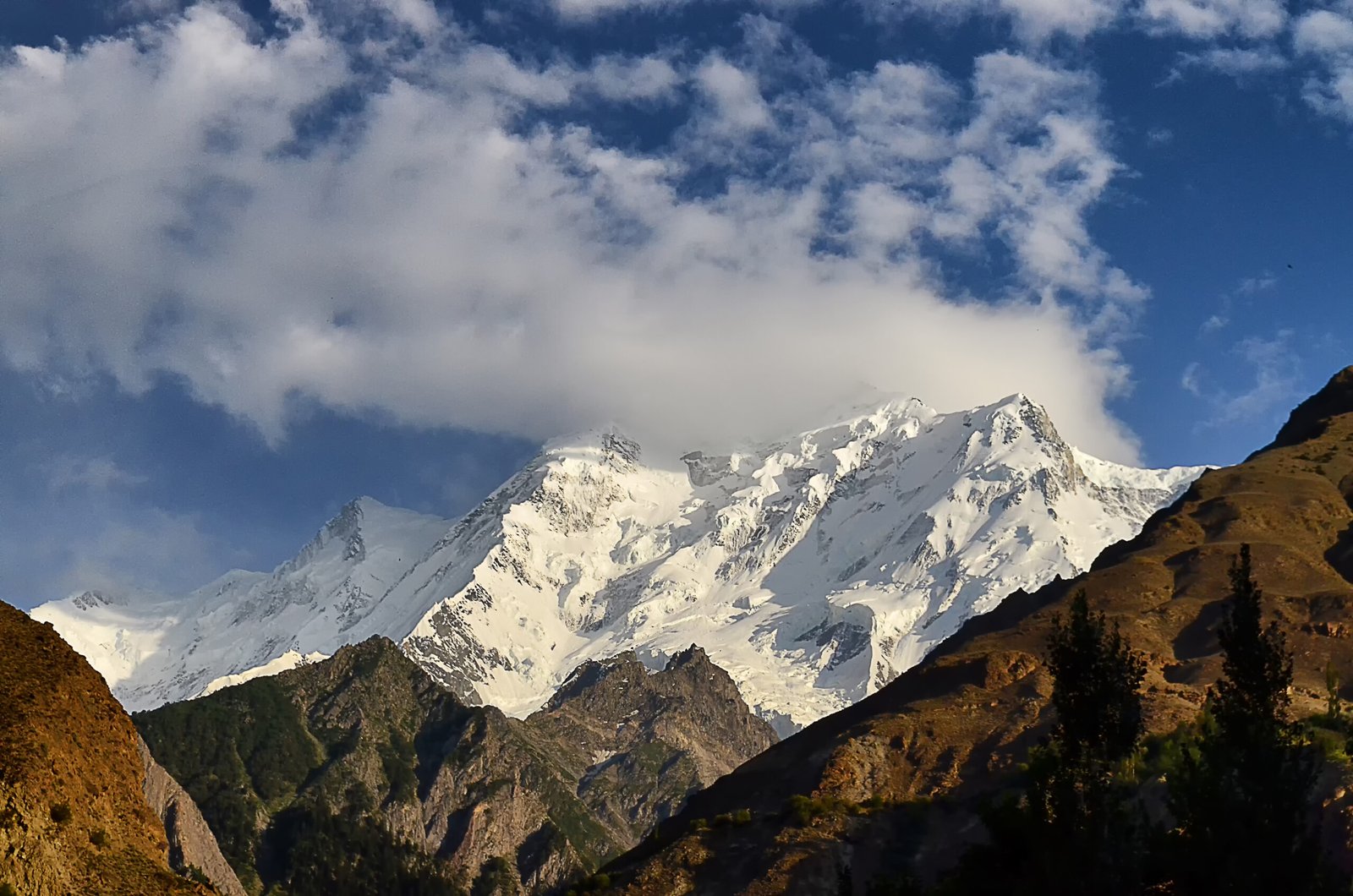
Skardu serves as the launch point for K2 and the rest of the Karakoram’s major peaks, but it’s a worthwhile destination even if you’re not headed further into the mountains. Shangrila Lake (Lower Kachura Lake), Upper Kachura Lake, Satpara Lake, the Katpana Cold Desert, and Shigar Valley are all within reach.
The Katpana Cold Desert in particular is worth the detour — one of the highest deserts in the world, with white sand set directly against snow-capped peaks. For the full picture, our Skardu travel guide covers the town and its surroundings in detail.
Fairy Meadows – A Dream Beneath Nanga Parbat
Fairy Meadows sits directly below Nanga Parbat, the ninth-highest mountain in the world, and reaching it takes a jeep ride followed by a moderate hike. The payoff is a direct view of the peak, wooden cabins, and some of the clearest stargazing conditions in the north.
For couples or anyone chasing genuine isolation, this remains one of the standout stops in the region — the effort to get there does a good job of keeping crowds down.
Attabad Lake – A Turquoise Wonder
Attabad Lake didn’t exist before 2010 — it formed after a massive landslide blocked the Hunza River, and the result is a startlingly bright turquoise lake set against rocky mountains. It’s now one of the most photographed spots along the Karakoram Highway.
Boating, jet skiing, and kayaking are all available on the lake, and its easy roadside access makes it one of the simpler stops to add to any Hunza-bound itinerary.
Passu and the Iconic Passu Cones
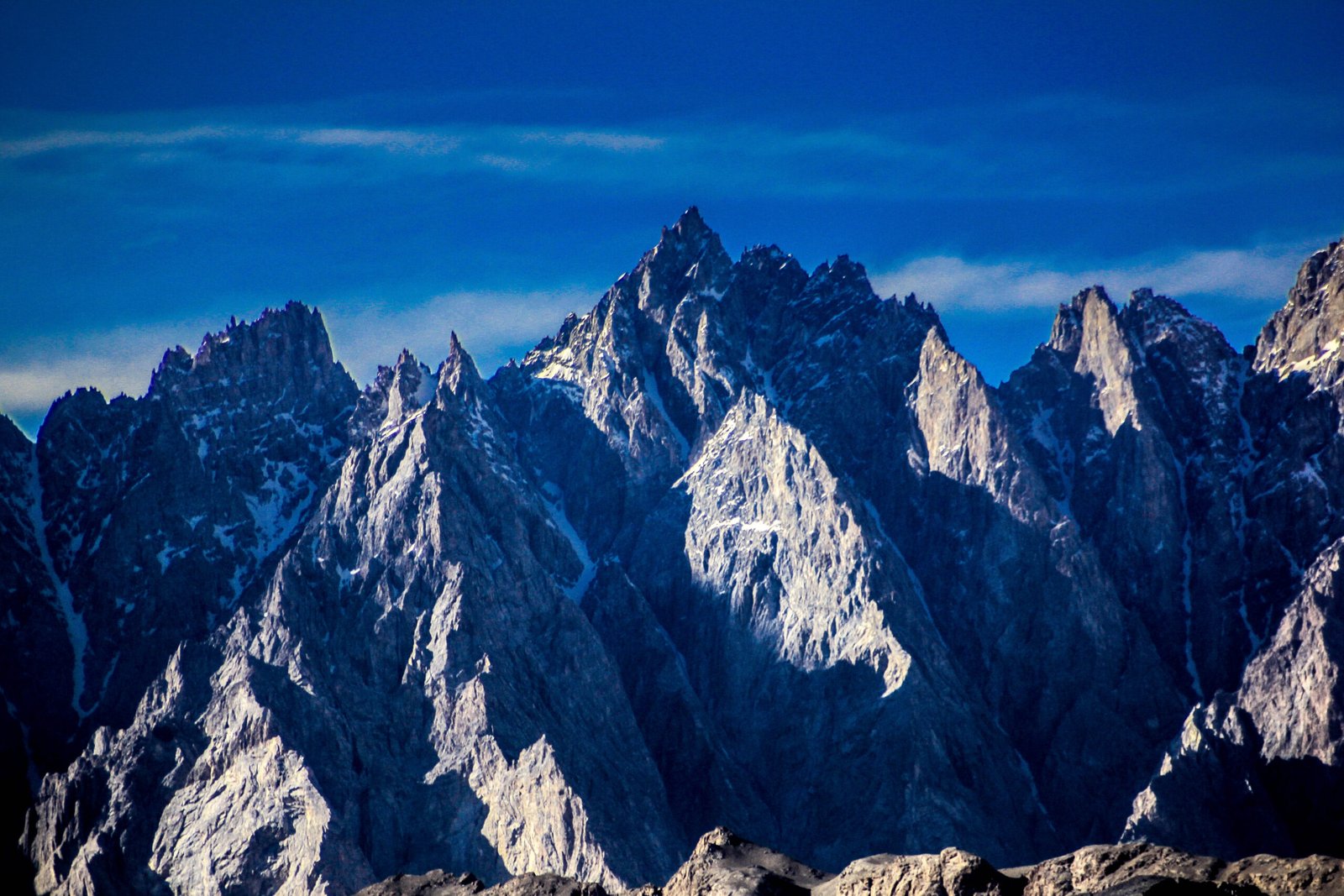
Passu village is known for the sharp, cathedral-like peaks visible directly above it — the Passu Cones, one of the most recognisable mountain silhouettes in the north. The Hussaini Suspension Bridge here is one of the more thrilling rope bridges in the region, and treks to Passu Glacier and Borith Lake are both accessible from the village.
Khunjerab Pass – The Highest Border Crossing
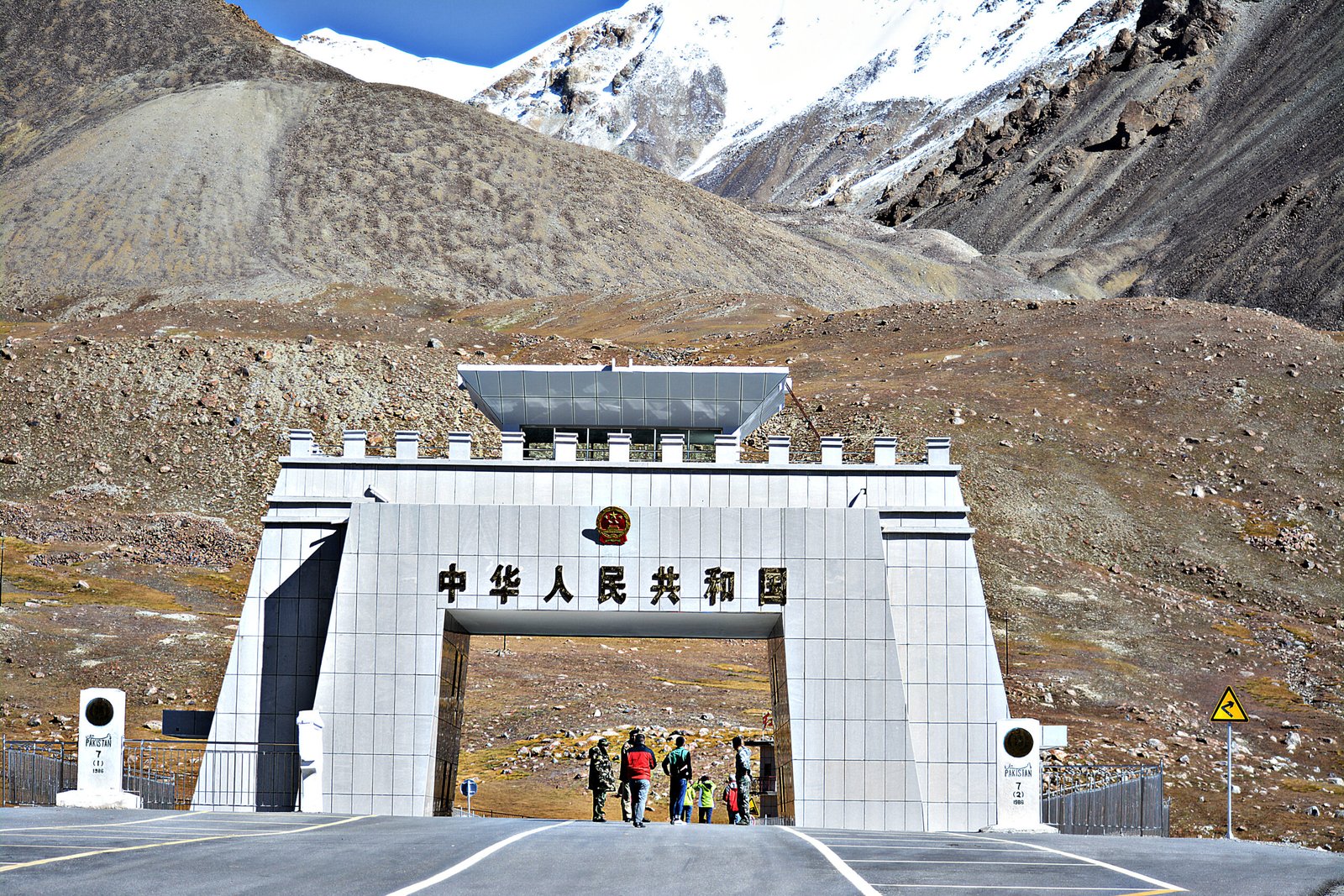
Khunjerab Pass connects Pakistan and China at over 4,600 metres above sea level, making it one of the highest paved international border crossings anywhere. Khunjerab National Park, which surrounds it, is home to snow leopards, Himalayan ibex, and yaks. For district travel information, the Gilgit-Baltistan tourism department’s Khunjerab page is a useful official reference.
Deosai Plains and Sheosar Lake – The Land of Giants
Deosai, nicknamed the “Land of Giants,” is one of the highest plateaus in the world, and in summer it’s covered in wildflowers. Sheosar Lake, within Deosai National Park, reflects the surrounding mountains with a stillness that’s genuinely striking in person. For more, see the official Deosai tourism page.
Gilgit City – Cultural Heart of the Region
Gilgit City, the capital of Gilgit-Baltistan, functions as the main entry point for most travellers heading into the region. Local bazaars, the Gilgit Suspension Bridge, and the Kargah Buddha rock carving give it enough to fill a day before heading further into the mountains, along with a good first taste of the region’s traditional cuisine.
Best Time to Visit Gilgit-Baltistan
May through October is the reliable window for most of the region. Spring (March–May) brings Hunza’s cherry blossoms; summer (June–August) is peak season for trekking and the lakes; autumn (September–October) brings the best fall colour; and winter (November–February) means snow-covered landscapes with genuinely limited access to higher-altitude spots.
Travel Tips for Gilgit-Baltistan
Carry warm clothing regardless of season — temperatures swing fast at altitude. Book accommodation early during peak months, since Hunza and Skardu both fill up quickly in summer. Hire local guides for any serious trekking route, respect local traditions and the environment, and prepare generally for high-altitude travel conditions, including patchy mobile signal in the more remote valleys.
Conclusion: The Best Places to Visit in Gilgit-Baltistan
From Hunza’s postcard scenery to Skardu’s mix of lakes and desert, and the remote calm of Deosai and Fairy Meadows, Gilgit-Baltistan covers an unusual amount of ground for one region. Whether you’re after adventure, culture, or just somewhere genuinely quiet, it’s hard to find a region in South Asia that delivers this much variety.
FAQs – Visiting Gilgit-Baltistan
1. What’s the best month to visit Gilgit-Baltistan?
June through September offers the most reliable weather and full access to lakes, trails, and high-altitude spots like Deosai.
2. How do you get to Gilgit-Baltistan?
Most travellers fly into Gilgit or Skardu from Islamabad, or drive the Karakoram Highway, which takes considerably longer but offers dramatic scenery along the way.
3. Is Gilgit-Baltistan safe for tourists?
Yes, the major tourist areas are generally considered safe, and tourism infrastructure across the region has improved significantly in recent years.
A traveler and storyteller who has personally visited several of Pakistan’s northern destinations and continues to explore more of the country every year. Adeel started Top Places in Pakistan to share honest, well-researched travel guides that help both local and international visitors plan trips with confidence. Read more about Adeel →
Adeel Ahmad is a Pakistan-based travel writer and the founder of Top Places in Pakistan, a travel guide dedicated to showcasing the country’s most stunning destinations. Born and raised in Lahore, Adeel has a deep love for Pakistan’s diverse landscapes — from the towering peaks of Hunza and Skardu to the lush valleys of Swat and the historic streets of Lahore. His mission is to inspire travelers to explore Pakistan’s natural beauty, rich culture, and hidden wonders through well-researched, authentic, and easy-to-follow travel guides.