
Looking for the most beautiful lakes to visit in Pakistan? Pakistan’s lakes range from world-famous alpine icons to genuinely obscure high-altitude spots that take a serious trek to reach. Most sit in Gilgit-Baltistan or Khyber Pakhtunkhwa, ringed by peaks and glaciers, and each has its own character — some built for a relaxed afternoon, others strictly for committed trekkers.
Here’s a rundown of the country’s standout lakes, and what it actually takes to visit each one.
1. Saif-ul-Malook Lake – The Most Iconic Lake
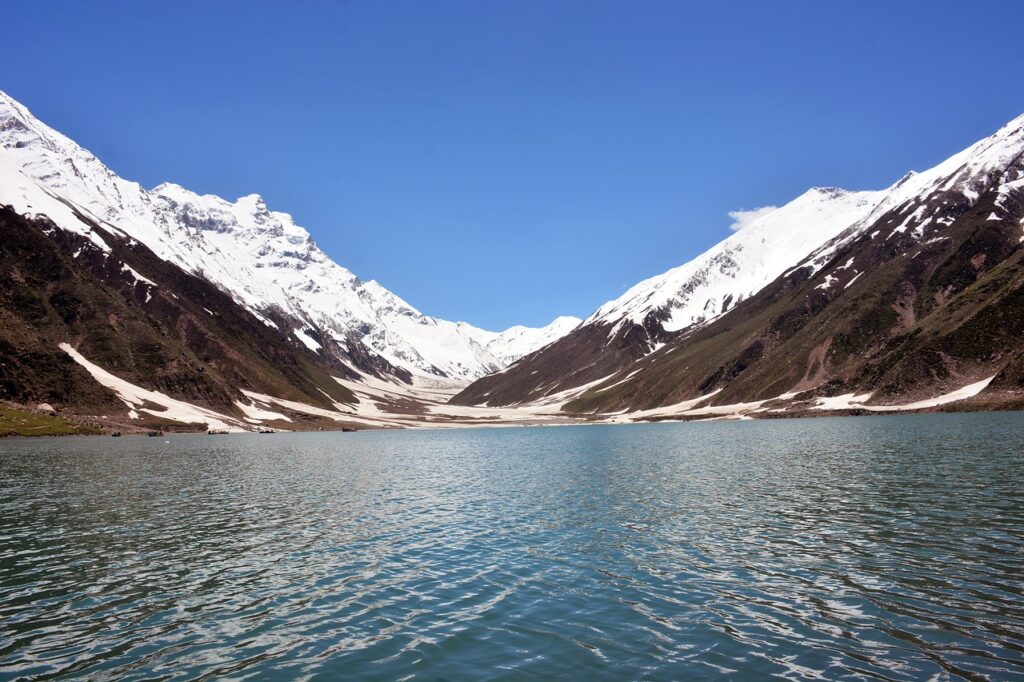
Saif-ul-Malook, near Naran in the Kaghan Valley, is probably the single most photographed lake in the country — deep blue water ringed by snow-covered peaks. Visitors typically travel by jeep from Naran, especially between June and September when the road is reliably open, passing meadows and rivers along the way.
The lake also carries genuine cultural weight: local folklore ties it to a romantic tale about Prince Saif-ul-Malook, which adds a layer of storytelling that most lakes on this list don’t have. For the full picture on visiting, see our Saif-ul-Malook Lake travel guide.
2. Attabad Lake — A Stunning Natural Wonder Among the Beautiful Lakes to Visit in Pakistan
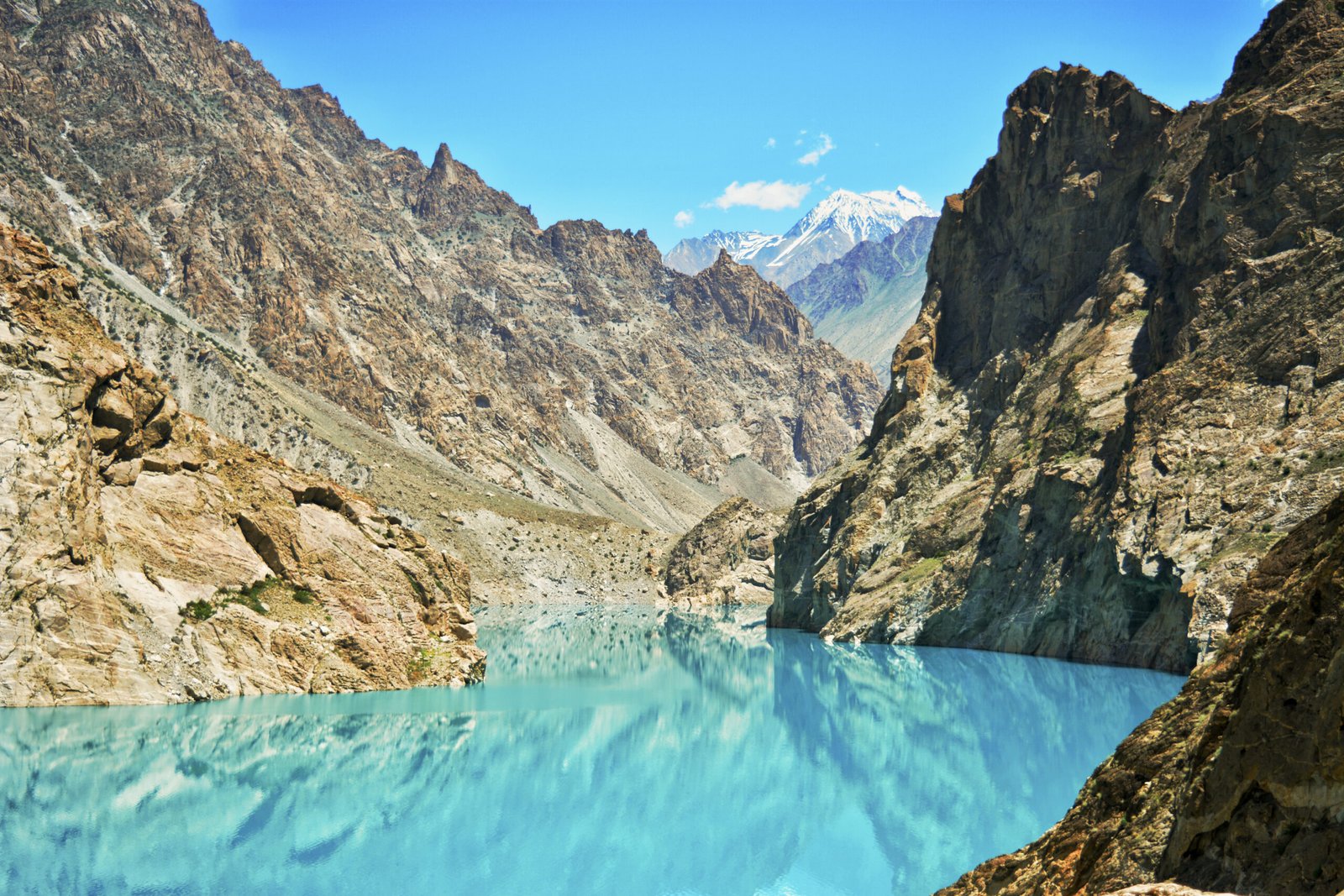
Attabad Lake didn’t exist until 2010, when a massive landslide blocked the Hunza River and created it almost overnight. Despite the relatively recent origin, the bright turquoise water against rugged mountains has made it one of the most recognisable lakes in the north. Boating, kayaking, jet skiing, and simple lakeside relaxation are all on offer here.
3. Sheosar Lake – The Jewel of Deosai
Sheosar Lake sits inside Deosai National Park at over 4,100 metres above sea level, making it one of the highest lakes on this list. The surrounding Deosai plains, summer wildflowers, and wide-open sky give it a setting unlike anything at lower altitude. June to September is the reliable window, and there’s a real chance of spotting the Himalayan brown bear nearby.
4. Shangrila Lake – A Postcard-Perfect Destination
Shangrila Lake, also known as Lower Kachura Lake, sits near Skardu and is one of the easiest lakes on this list to reach. Calm water, green surroundings, and the nearby Shangrila Resort make it a natural fit for family trips or honeymoon stops that don’t require a serious trek.
5. Rush Lake – A Surreal High-Altitude Beauty
Rush Lake ranks among the highest alpine lakes in the world, and reaching it demands either a genuine trek or a strong 4×4 for part of the way. The deep blue water set against rugged terrain rewards the effort, particularly for photographers willing to make the climb.
6. Ansoo Lake – The Tear-Shaped Wonder
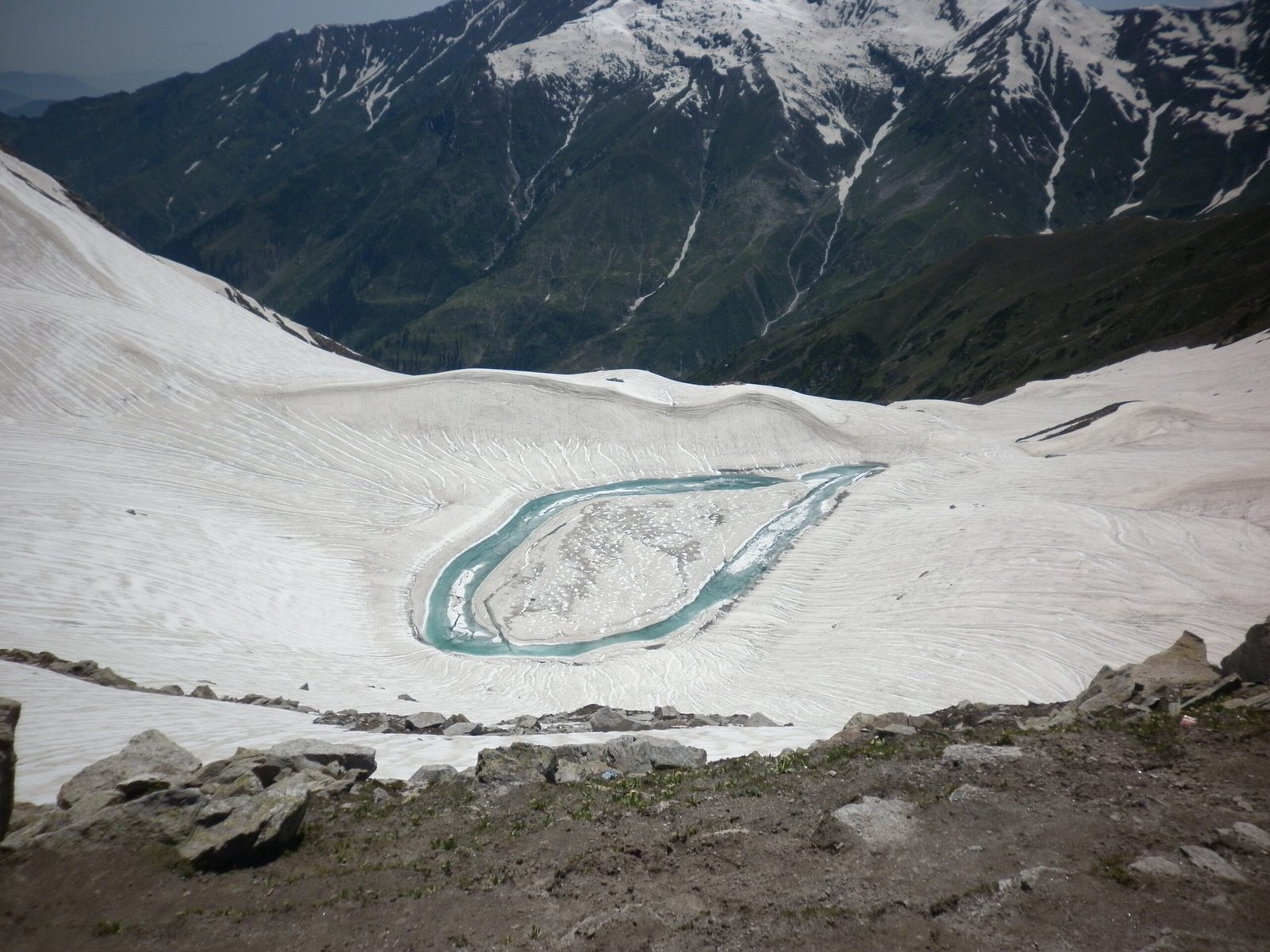
Ansoo Lake takes its name from the Urdu word for “tear,” a reference to its distinctive tear-drop shape. Reaching it requires a demanding hike through Kaghan Valley, and given the altitude and steep trails involved, most visitors go with a guide. That remoteness is exactly what’s kept it untouched.
7. Borith Lake – A Peaceful Escape
Borith Lake, near Gulmit and Passu in Hunza Valley, is smaller than most on this list but makes up for size with setting — peaceful surroundings and clear views of the Passu Cones. Light hiking, picnics, and bird watching are the main draws, and the lake is a known stop for migratory birds, which adds a wildlife angle beyond the scenery.
8. Katpana Lake – The Frozen Beauty
Katpana Lake, in the cold desert near Skardu, freezes completely during winter — a strange sight given its desert surroundings. It’s worth visiting year-round, but many travellers specifically time a winter trip to see the frozen landscape in person.
Travel Tips for Visiting Pakistan’s Lakes
Choose the right season: Most alpine lakes are only accessible from June to September.
Hire local guides: For remote destinations like Ansoo Lake or Rush Lake, a guide meaningfully improves both safety and navigation.
Prepare for altitude: Carry proper clothing and give yourself time to acclimatise before pushing to the higher lakes.
Respect the ecosystem: These are fragile environments — pack out what you bring in.
Why These Lakes Are Worth Building a Trip Around
Crystal-clear water, dramatic mountain backdrops, and in several cases genuine local folklore give these lakes an appeal that goes beyond just scenery. Whether you’re chasing adventure, photography, or just a quiet afternoon by the water, there’s a fitting option on this list regardless of how much effort you want to put in to reach it.
Conclusion: The Most Beautiful Lakes to Visit in Pakistan
From the legendary Saif-ul-Malook to the remote, tear-shaped Ansoo Lake, Pakistan’s lakes cover an unusual range of accessibility and character for one country. Pick based on how much trekking you’re up for, and you’ll find a lake that fits the trip you’re actually planning.
FAQs – Visiting Pakistan’s Lakes
1. What’s the best time to visit Pakistan’s alpine lakes?
June through September, when roads are open and weather is most favourable across the north.
2. Do I need a guide to visit these lakes?
For remote lakes like Ansoo Lake and Rush Lake, hiring a local guide is strongly recommended.
3. Are high-altitude lake trips safe in Pakistan?
Yes, generally, provided you prepare properly, travel during the right season, and follow basic altitude safety guidelines.
A traveler and storyteller who has personally visited several of Pakistan’s northern destinations and continues to explore more of the country every year. Adeel started Top Places in Pakistan to share honest, well-researched travel guides that help both local and international visitors plan trips with confidence. Read more about Adeel →

Adeel Ahmad is a Pakistan-based travel writer and the founder of Top Places in Pakistan, a travel guide dedicated to showcasing the country’s most stunning destinations. Born and raised in Lahore, Adeel has a deep love for Pakistan’s diverse landscapes — from the towering peaks of Hunza and Skardu to the lush valleys of Swat and the historic streets of Lahore. His mission is to inspire travelers to explore Pakistan’s natural beauty, rich culture, and hidden wonders through well-researched, authentic, and easy-to-follow travel guides.