
Hunza Valley is one of the most beautiful regions in the world. Tucked into the Gilgit-Baltistan area of northern Pakistan, it’s surrounded by some of the highest mountains on earth. Hunza has everything a traveler could want — snow-capped peaks, turquoise lakes, centuries-old forts, blossoming orchards, and some of the most welcoming people you’ll meet anywhere.
Whether you’re chasing adventure, history, photography, or just a quiet moment with big mountains in front of you, Hunza delivers. The valley follows the Hunza River, with Karimabad as its main town and the natural base for most travelers.
This guide covers the best places to visit in Hunza Valley, what makes each one worth your time, and the practical details — when to go, how to get there, and where to stay.
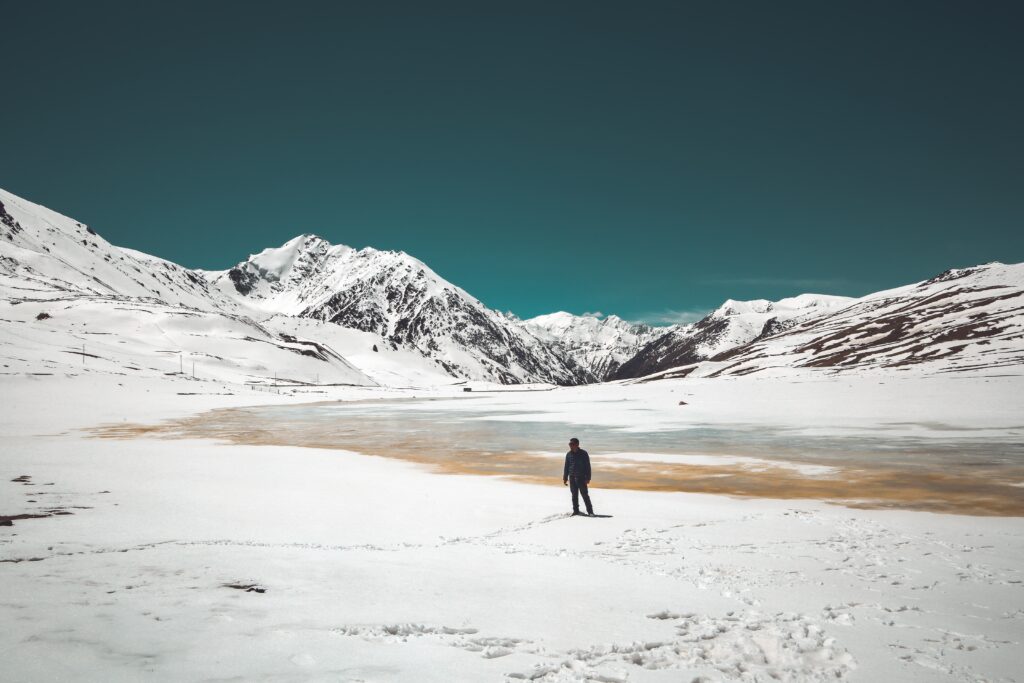
1. Baltit Fort — The Heart of Hunza’s History
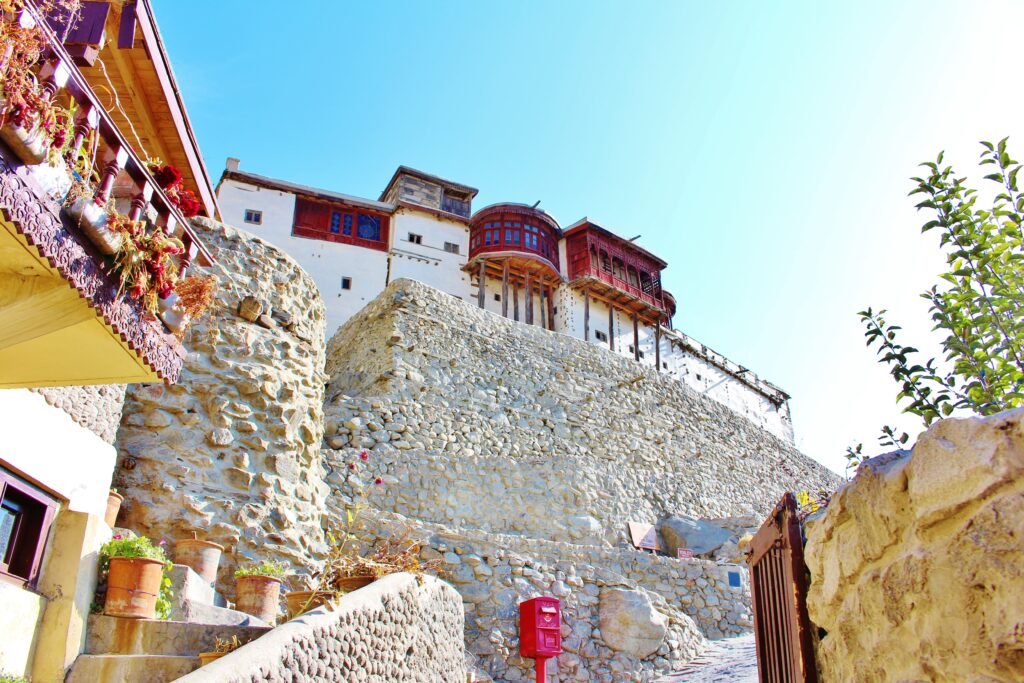
Baltit Fort is usually the first stop for any visitor to Hunza Valley. This 700-year-old fort sits above Karimabad and offers one of the best panoramic views in the valley, with Rakaposhi on one side and golden hillsides on the other.
Baltit Fort was originally home to the Mir of Hunza, the region’s ruling family. Its architecture blends Tibetan, Wakhi, and local styles — thick stone walls, carved wood, and narrow passageways that genuinely feel centuries old.
The fort has been carefully restored and now operates as a museum, with royal bedrooms, audience halls, and artifacts documenting Hunza’s history. The walk up through Karimabad’s old bazaar, past shops selling dried fruit and gemstones, is part of the experience.
Best time to visit: morning, for the best light and cooler temperatures. Open daily; a modest entry fee funds the fort’s upkeep.
2. Altit Fort — The Older Wonder
Altit Fort, a short drive from Baltit, is even older — roughly 900 years — and one of the oldest surviving fortifications in Gilgit-Baltistan. It sits dramatically on a cliff edge, hundreds of meters above the Hunza River.
The views are extraordinary: the river gorge below, terraced green fields across the valley, and the Karakoram peaks behind. Altit village itself, surrounding the fort, is quiet and well preserved — old stone houses, narrow lanes, and local women selling handmade embroidery and wool goods.
3. Attabad Lake — Hunza’s Turquoise Centerpiece
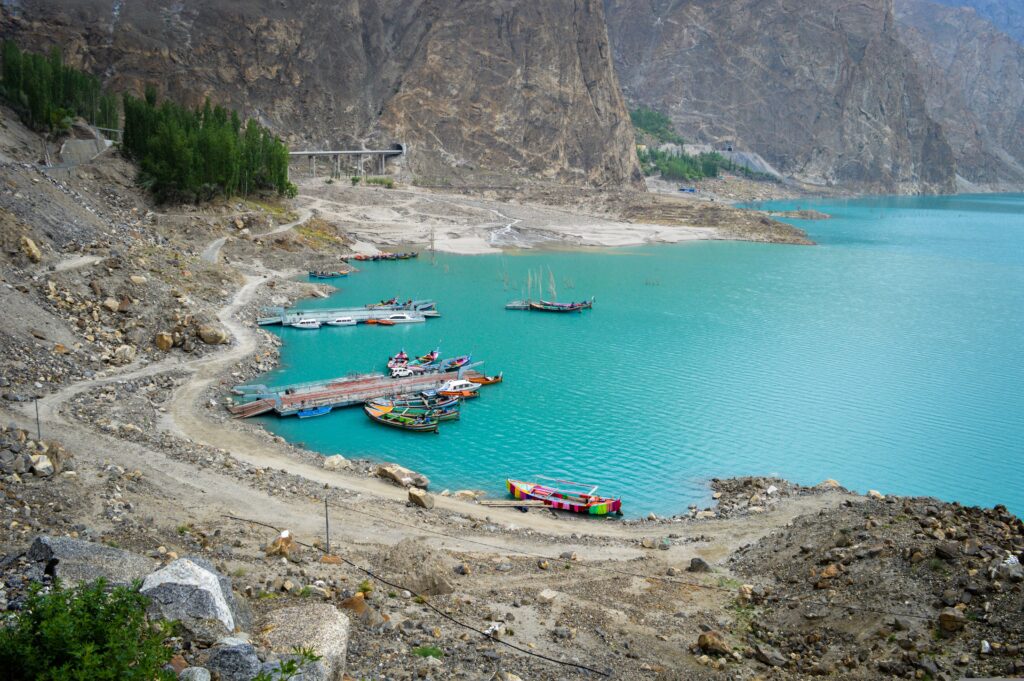
Attabad Lake is the single most photographed spot in the valley, and once you see it in person, it’s obvious why. The lake formed after a major landslide in January 2010 dammed the Hunza River, and its water is an almost unreal shade of turquoise.
Boat rides are the main draw here, taking you close to the surrounding cliffs, with jet skiing and kayaking available for those who want more. The Karakoram Highway runs right alongside the lake, so even driving through offers a spectacular view, and a handful of small cafés along the shore are good spots to stop for tea.
4. Eagle’s Nest — The Best View in the Valley
For the most complete panoramic view of Hunza, Eagle’s Nest is the place to go. Sitting at roughly 3,200 meters, this hilltop viewpoint gives a 360-degree view of the valley floor, with Rakaposhi, Diran, and Ultar Sar visible on a clear day.
Sunset and sunrise here are popular enough that many visitors stay overnight at the small guesthouse on-site to catch both. The road up is a bit rough, but the view at the top makes it worthwhile.
5. Rakaposhi Viewpoint — Face to Face with a Giant
Rakaposhi is the 27th-highest mountain in the world at 7,788 meters, and one of the most striking peaks in the Karakoram Range. The best accessible view is from the Rakaposhi Viewpoint on the Karakoram Highway near Minapin.
What makes Rakaposhi remarkable is its south face — it rises more than 5,800 meters in one continuous sweep from the valley floor, making it one of the steepest mountain faces anywhere. Minapin village is also the starting point for the Rakaposhi Base Camp trek, a 2-3 day route through forest, streams, and alpine meadows — but even a short stop at the roadside viewpoint is worth it.
6. Hussaini Suspension Bridge
For a dose of adrenaline, the Hussaini Suspension Bridge near Borit Lake is one of the more thrilling stops in Hunza — often described as one of the more precarious rope-and-plank bridges anywhere, swaying with the wind above the river below. The village of Hussaini on the far side is a good spot to take in Borit Lake and the surrounding mountains at a slower pace.
7. Passu Cones
The Passu Cones are among the most distinctive natural features in Pakistan — a row of sharp, needle-like rock spires near Passu village in upper Hunza. Best viewed from along the Hunza River, with the river flats in the foreground and the jagged peaks rising behind. The nearby Passu Glacier is also worth a short walk if you’re already in the area.
8. Hopper Glacier
Hopper Glacier, in the Nagar district near Hunza, is one of the more accessible glaciers in the region and a genuinely memorable place to walk — deep blue ice, crevasses, and rocky moraines surrounded by high peaks. A jeep to Hopper village followed by a short walk gets you to the glacier’s edge; hiring a local guide is worth it, as the terrain gets slippery in places.
9. Karimabad — Hunza’s Main Town
Karimabad, at around 2,500 meters, is where most visitors base themselves. It’s a genuinely warm, welcoming town with a good range of hotels, guesthouses, and restaurants. The bazaar is worth an afternoon on its own — local gemstones (rubies, garnets, emeralds), embroidered textiles, dried apricots and walnuts.
Try the local food while you’re here: chapshuro (a meat-stuffed bread), diram (a traditional porridge), and fresh apricot juice. Hunza’s Wakhi and Burusho communities are often cited for their longevity, generally credited to clean air and a simple, natural diet.
10. Borit Lake
Borit Lake, near Gulmit in upper Hunza, is quieter and less visited than the valley’s bigger attractions — a small wetland lake that draws migratory birds, making it a good stop for birdwatchers. Traditional Wakhi villages surround the lake, and it’s a good counterpoint to the busier stops on this list, especially in spring or autumn.
Best Time to Visit Hunza Valley
Spring (March–May): widely considered the best season — cherry, apricot, and almond blossoms cover the valley in pink and white against the snow-capped backdrop.
Summer (June–September): peak season, all roads open, best for trekking and glacier visits — but book accommodation ahead, as it gets busy.
Autumn (October–November): arguably the most photogenic season, with red, orange, and gold foliage against blue skies and white peaks.
Winter (December–February): heavy snow, some higher roads close, but a genuinely peaceful, uncrowded experience for those who don’t mind the cold.
How to Get to Hunza Valley
Most travelers reach Hunza via the Karakoram Highway, one of the highest paved roads in the world, connecting Pakistan and China through spectacular mountain scenery. The drive from Islamabad to Karimabad takes roughly 16-18 hours — either with a hired private car and driver, or by bus/shared van from Rawalpindi’s Pir Wadhai terminal.
The faster option is a domestic flight from Islamabad to Gilgit (about 45 minutes, with fantastic aerial views), followed by a roughly 2-hour drive to Hunza. Flights are weather-dependent and get cancelled fairly often in poor conditions, so build in a buffer day if you’re flying.
Where to Stay in Hunza Valley
Karimabad has the widest range of accommodation, from budget guesthouses to a few upscale mountain hotels — most with rooftop terraces and mountain views. Book ahead during summer and spring blossom season, when rooms fill up quickly.
For something different, camping near Attabad Lake, Passu, or in the valley’s open meadows is a great option — Hunza has some of the darkest night skies in Pakistan, and stargazing here is genuinely excellent.
Travel Tips for Hunza Valley
Mobile coverage is reliable in Karimabad, Aliabad, and Gulmit, but patchy or absent in more remote spots — download offline maps beforehand. Altitude can affect some visitors at higher points like Eagle’s Nest; drink plenty of water and descend if symptoms get serious. Dress modestly in villages, and always ask before photographing local people. Local food is fresh and worth seeking out — mulberry juice, apricot oil, and fresh bread are all worth trying at family-run dhabas rather than sticking only to hotel menus.
Why Hunza Valley Belongs on Your Travel List
Hunza is more than a tourist stop — it’s the kind of place that changes how you think about travel. The scale of the mountains, the color of Attabad Lake, the age of Baltit and Altit Forts, and the quiet of the evenings at altitude all add up to something genuinely memorable. Most visitors who come once find a reason to come back.
FAQs — Visiting Hunza Valley
1. How many days should I spend in Hunza Valley?
4 to 5 days covers Karimabad, the forts, Attabad Lake, and Eagle’s Nest comfortably; add more for Passu and Hopper Glacier.
2. What is the best time to visit Hunza Valley?
Spring (March–May) for blossoms or autumn (October–November) for foliage are widely considered the best seasons.
3. Is Hunza Valley safe for tourists?
Yes, Hunza is generally considered one of the safest and most welcoming regions in Pakistan for travelers.
4. Do I need a permit to visit Hunza Valley?
No special permit is required for Pakistani or most foreign tourists, though carrying ID/passport copies is recommended.
You Can Read More About Pakistan’s North
Best Tourist Places in Skardu
Best Places to Visit in Gilgit-Baltistan
Top Safest Tourist Destinations Pakistan
A traveler and storyteller who has personally visited several of Pakistan’s northern destinations and continues to explore more of the country every year. Adeel started Top Places in Pakistan to share honest, well-researched travel guides that help both local and international visitors plan trips with confidence. Read more about Adeel →

Adeel Ahmad is a Pakistan-based travel writer and the founder of Top Places in Pakistan, a travel guide dedicated to showcasing the country’s most stunning destinations. Born and raised in Lahore, Adeel has a deep love for Pakistan’s diverse landscapes — from the towering peaks of Hunza and Skardu to the lush valleys of Swat and the historic streets of Lahore. His mission is to inspire travelers to explore Pakistan’s natural beauty, rich culture, and hidden wonders through well-researched, authentic, and easy-to-follow travel guides.