
Pakistan has some of the best trekking places in Pakistan — and honestly, some of the best trekking anywhere in the world: towering mountains, glacier-fed valleys, high-altitude plateaus, and remote landscapes that range from gentle meadow walks to some of the hardest routes on the planet. Whether you’re after a first trek or a serious expedition, there’s a fitting route somewhere in the north.
This guide covers the best trekking places in Pakistan, what each trail actually involves, and how to prepare for it.
Best Trekking Places in Pakistan — Quick Overview
Fairy Meadows, Hunza Valley, Skardu, Deosai Plains, Rakaposhi Base Camp, Ratti Gali Lake, and the Nanga Parbat and K2 Base Camp routes make up the best trekking places in Pakistan — each offering a genuinely different kind of landscape, culture, and difficulty level. Between them, they cover practically every kind of trekking experience the country has to offer, from a gentle first hike to a multi-week glacier expedition.
Fairy Meadows — A Gateway to Nanga Parbat
Fairy Meadows, in Pakistan’s north, is one of the most famous trekking spots in the country, offering a direct view of Nanga Parbat, the ninth-highest mountain in the world. The trek itself is moderate and suitable for beginners, though it starts with one of the more thrilling jeep tracks anywhere, followed by a scenic hike through forest and grassy fields.
Once you’re at the meadow, snow-covered peaks, clean air, and genuine quiet make it worth the trip on its own — and it’s one of the best spots in the country for camping under a clear night sky. For the full route breakdown, see our complete Fairy Meadows guide.
Hunza Valley — Culture Meets Natural Beauty
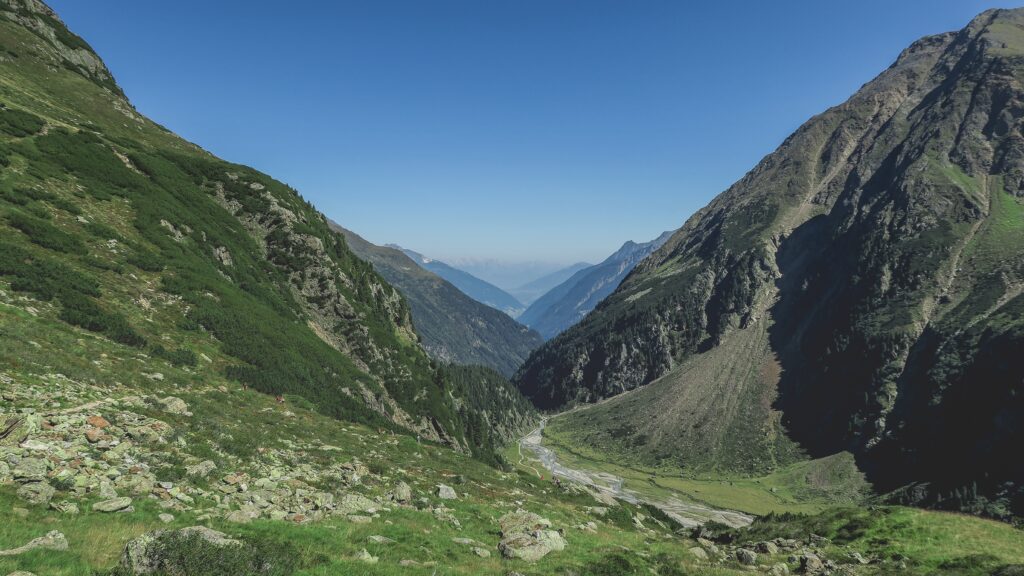
Hunza Valley is not just a tourist destination but a genuine trekking base, surrounded by the Karakoram range with trails for every skill level. What sets trekking here apart is the cultural layer — routes pass through traditional villages, and it’s easy to spend as much time talking with locals as walking.
Popular routes include the Passu Glacier trek and Ultar Meadows, with views of the Passu Cones that are especially popular among photographers. For mountain trekking that pairs well with sightseeing and culture, Hunza is hard to beat. For the district’s full tourism details, see the Gilgit-Baltistan tourism department’s Hunza page.
Rakaposhi Base Camp — A Full Day With No Technical Skills Required
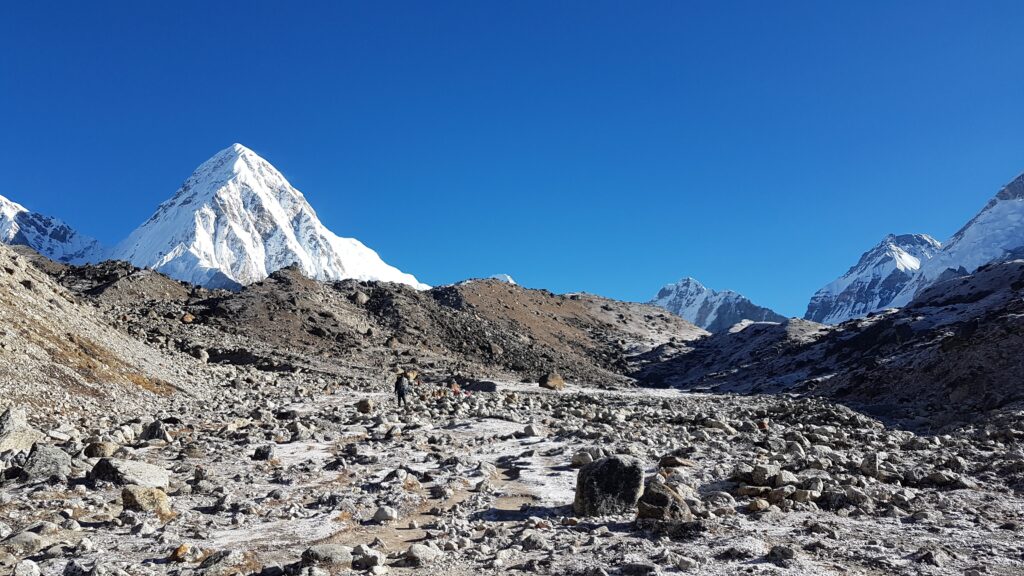
The trek to Rakaposhi Base Camp is one of the more rewarding one-day routes in the north, running from the village of Minapin in the Nagar district up to the base of Rakaposhi itself — a peak that rises almost 6,000 metres from its base without interruption, one of only a handful of mountains in the world that do.
The trail is well marked and doesn’t require any technical climbing skills, though it is a steady uphill walk, so reasonable fitness helps. Most trekkers complete the round trip in a single long day, though camping partway up for a slower pace and better light is a genuinely worthwhile option if you have the time.
Skardu — The Heart of High-Altitude Adventures
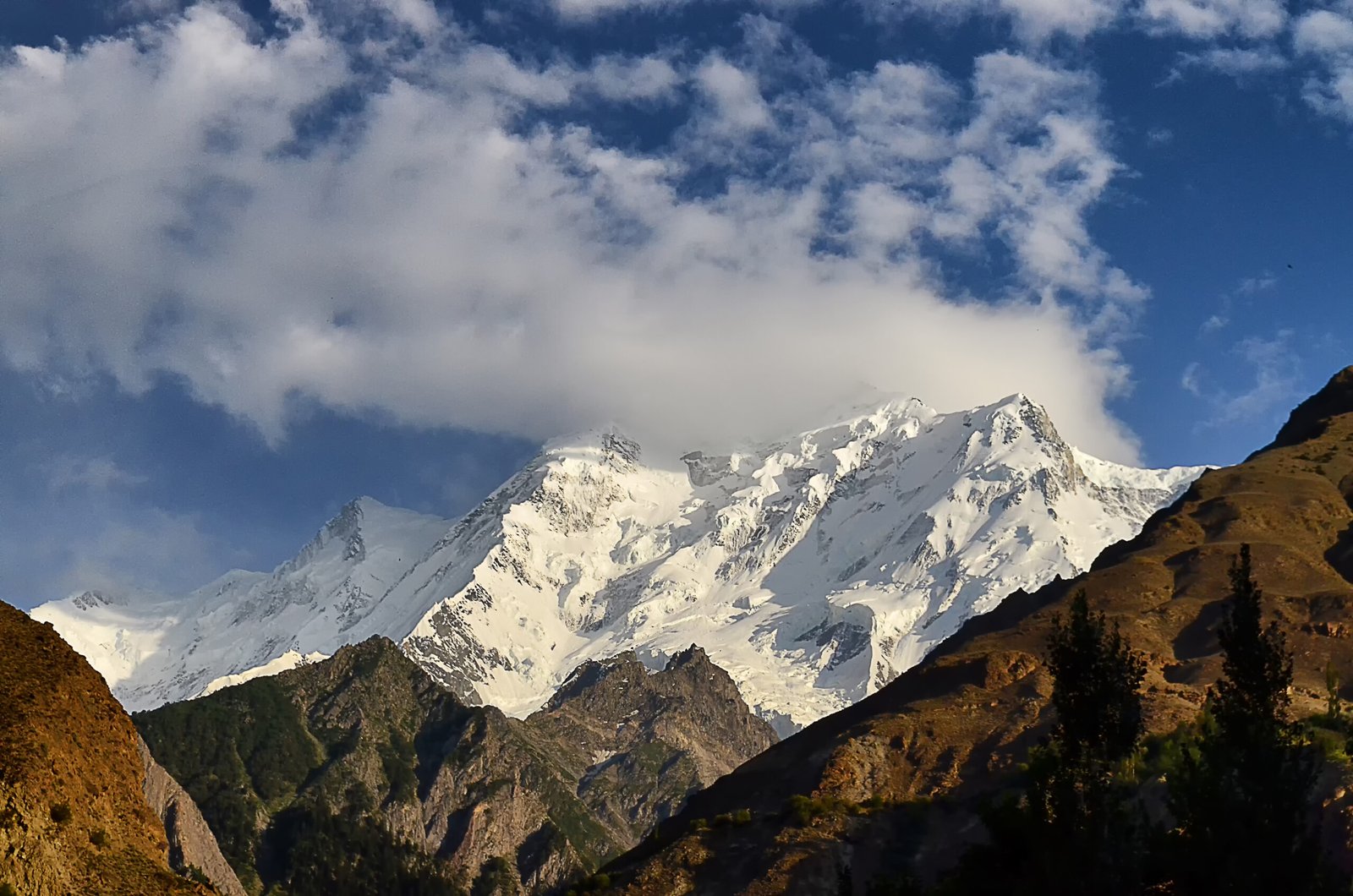
Skardu is often considered the gateway to some of the highest peaks in the world, including K2, making it one of the most important bases for serious trekkers. Routes here range from easy day hikes to genuinely extreme expeditions — the Baltoro Glacier trek, in particular, is one of the most demanding and rewarding routes anywhere for experienced trekkers.
Skardu is also home to lakes like Shangrila and Sheosar, adding a completely different kind of scenery to the trip beyond the mountains and glaciers themselves. For a full breakdown of the town and surrounding area, see our Skardu travel guide.
Deosai Plains — The Land of Giants
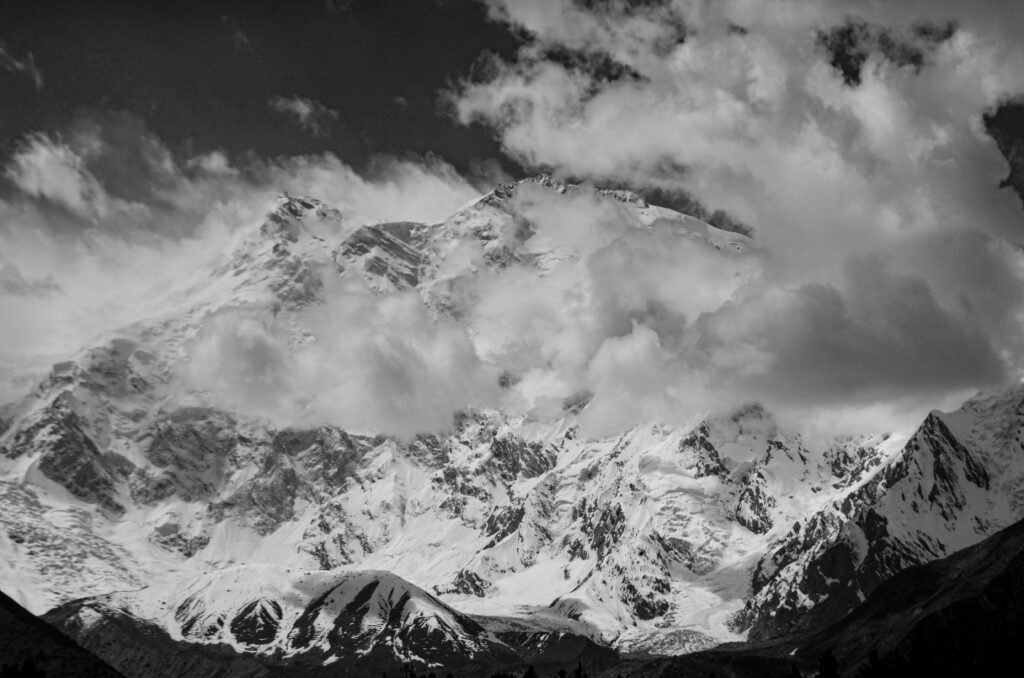
Deosai, one of the highest plateaus in the world, offers a completely different kind of trekking from the mountainous routes elsewhere on this list. It’s less about steep climbs and more about long, peaceful walks across vast open terrain, covered in wildflowers through the summer months.
Wildlife is a genuine draw here too — Himalayan brown bears, marmots, and a range of bird species all call the plateau home. For anyone chasing something quieter and more contemplative than a mountain summit, Deosai is worth the detour.
Ratti Gali Lake — Azad Kashmir’s Alpine Trek
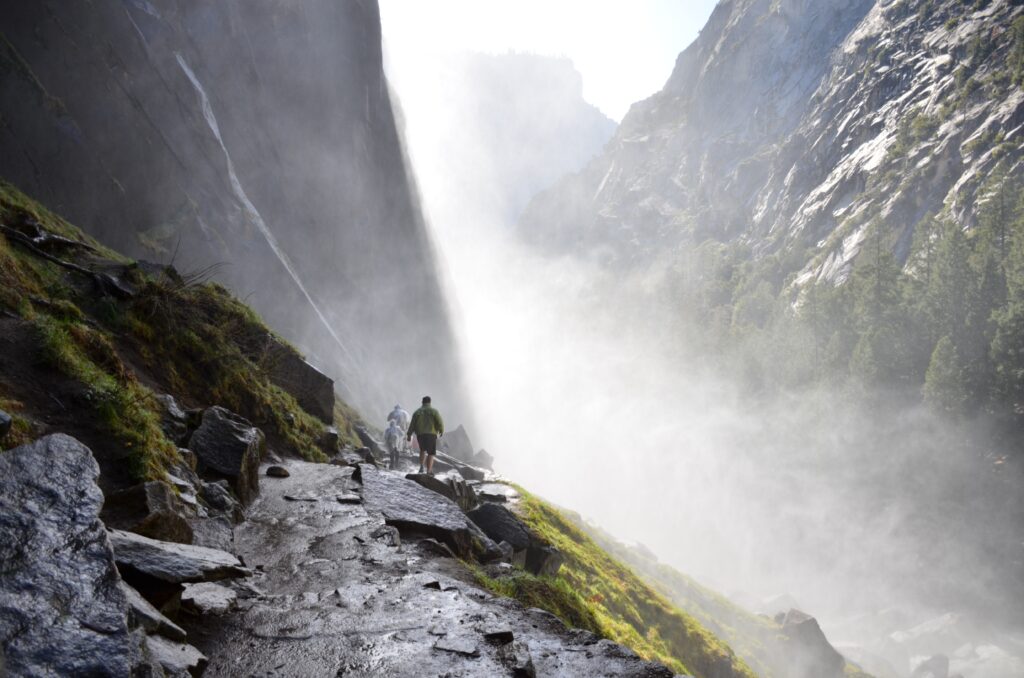
Ratti Gali Lake, deep in the Neelum Valley of Azad Kashmir, involves a jeep ride from the village of Dowarian followed by a genuine trek — around two to three hours of moderate-to-difficult walking, or a horse ride for anyone who’d rather skip the climb. The route passes waterfalls, streams, and a good range of alpine flora along the way.
The reward at the top is a glacial lake in a deep turquoise-blue, ringed by snow-covered peaks, sitting at over 3,600 metres. It’s a summer-only trek — the lake and surrounding trail are snowbound the rest of the year — but between July and September it’s one of the more rewarding alpine treks in Kashmir for the effort involved.
Nanga Parbat Base Camp — A True Adventure
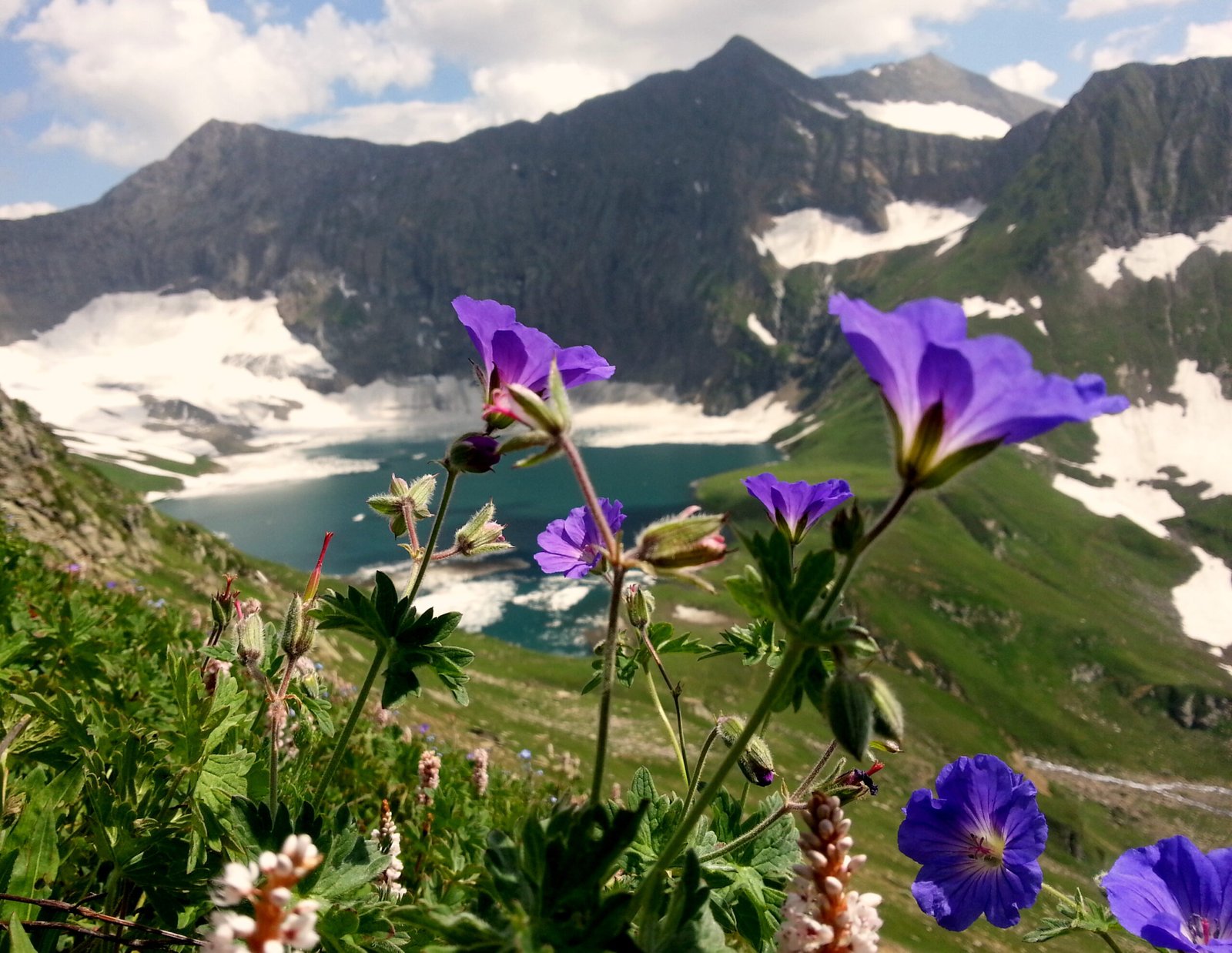
The trek to Nanga Parbat Base Camp is one of the more rewarding adventures in the country, bringing you close to one of the world’s tallest and most notoriously dangerous mountains. It’s noticeably more demanding than Fairy Meadows and requires solid fitness — river crossings, forest walking, and rocky climbing sections are all part of the route.
The views get more dramatic the closer you get, with massive glaciers and towering peaks closing in around you. For trekkers who’ve already done Fairy Meadows and want to push further, this is the natural next step.
K2 Base Camp — For Serious Trekkers
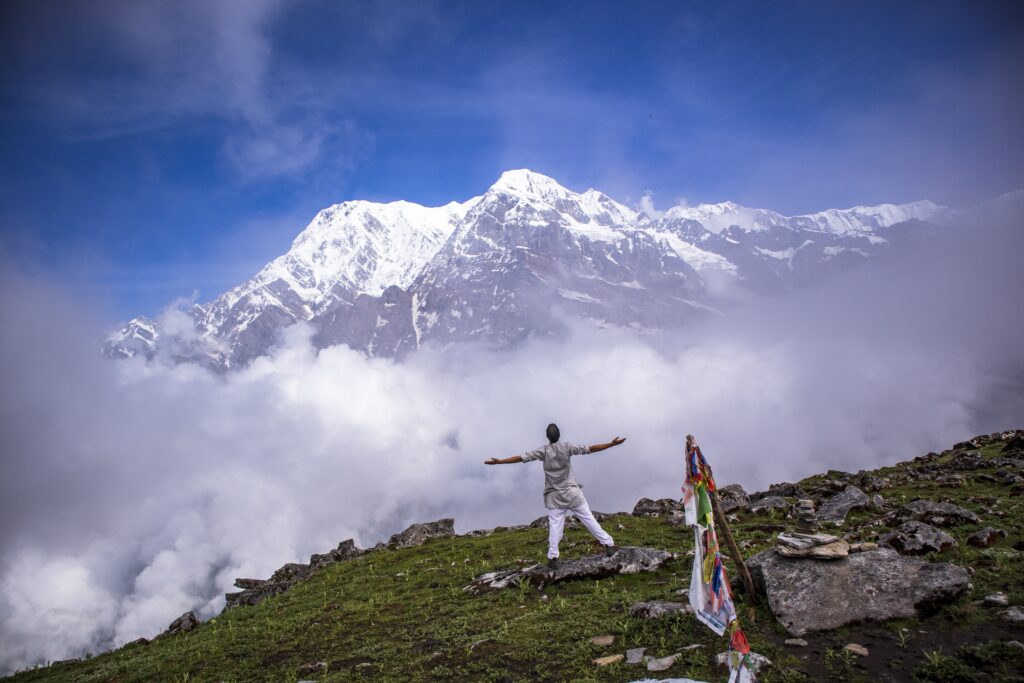
For anyone wanting the single most demanding trek on this list, K2 Base Camp is the answer — a multi-day route along the Baltoro Glacier that passes Concordia, where several of the world’s highest peaks come into view simultaneously. This is genuinely expert territory, requiring permits, an experienced local team, and serious physical preparation. Our full K2 Base Camp trekking guide covers logistics, permits, and what to expect.
Tips for Trekking in Pakistan
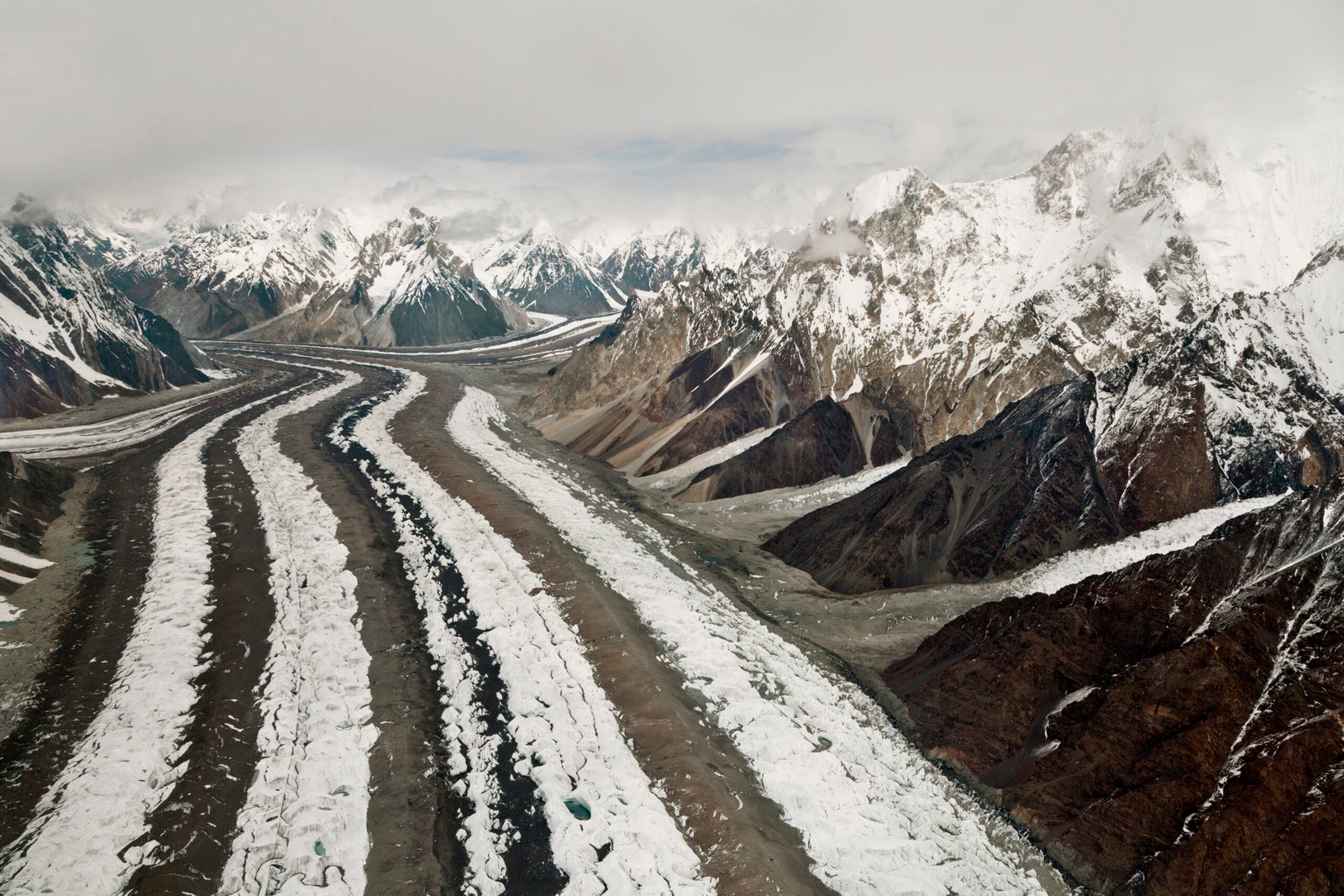
Always check weather conditions before setting out — mountain weather shifts fast, and being caught unprepared is a genuine risk rather than a minor inconvenience. Carry proper gear: solid shoes, warm layers, and basic supplies, since even easier treks can turn difficult without the right equipment.
Travel with a guide for longer or more technical routes — local knowledge genuinely improves both safety and navigation, especially in areas without clear signage. And respect the environment and local communities: pack out what you bring in, and follow responsible trekking practices generally. Altitude affects several of these routes too — Deosai, Ratti Gali, and anything above 3,000 metres deserves a slower pace and a day or two to acclimatise if your schedule allows it.
Conclusion
From the beginner-friendly walk into Fairy Meadows to the genuinely demanding push toward K2 Base Camp, the best trekking places in Pakistan cover an unusual range of difficulty and scenery for one country. Whichever route you pick, it’s rarely just about the destination — the journey through forests, villages, glacial lakes, and open plateaus tends to be just as memorable.
FAQs — Trekking in Pakistan
1. What’s the best time for trekking in Pakistan?
May to September, when weather is most stable and mountain routes are fully accessible.
2. Are trekking routes in Pakistan safe?
Yes, most popular routes are safe with proper planning and, for longer routes, an experienced local guide.
3. Do I need a guide for trekking?
Optional for easier routes like Fairy Meadows or Rakaposhi Base Camp; strongly recommended for anything more technical, including Nanga Parbat or K2 Base Camp.
4. Which of the best trekking places in Pakistan is best for beginners?
Fairy Meadows and Rakaposhi Base Camp are the most commonly recommended starting points — moderate difficulty with a genuinely spectacular payoff.
5. What should I pack for trekking?
Solid hiking shoes, warm layers, sufficient water and snacks, and a basic first aid kit are the essentials for any route.
A traveler and storyteller who has personally visited several of Pakistan’s northern destinations and continues to explore more of the country every year. Adeel started Top Places in Pakistan to share honest, well-researched travel guides that help both local and international visitors plan trips with confidence. Read more about Adeel →

Adeel Ahmad is a Pakistan-based travel writer and the founder of Top Places in Pakistan, a travel guide dedicated to showcasing the country’s most stunning destinations. Born and raised in Lahore, Adeel has a deep love for Pakistan’s diverse landscapes — from the towering peaks of Hunza and Skardu to the lush valleys of Swat and the historic streets of Lahore. His mission is to inspire travelers to explore Pakistan’s natural beauty, rich culture, and hidden wonders through well-researched, authentic, and easy-to-follow travel guides.