
Looking for the best places to visit in Pakistan in winter? Pakistan transforms into a different country every winter. Snow blankets the northern peaks, valleys go quiet and crisp, and even the big cities take on a cooler, calmer rhythm. For families planning a winter trip, the country offers a genuinely wide spread of options — from ski slopes and frozen lakes in the north to warm beach afternoons in the south. This guide walks through the destinations worth prioritizing, what each one is actually like on the ground in December through February, and what to expect logistically.
Whether you want your kids to see snow for the first time, you’re after a quiet mountain retreat, or you’d rather skip the cold altogether and head to the coast, there’s a season-appropriate answer somewhere on this list.
Murree — One of the Best Places to Visit in Pakistan in Winter
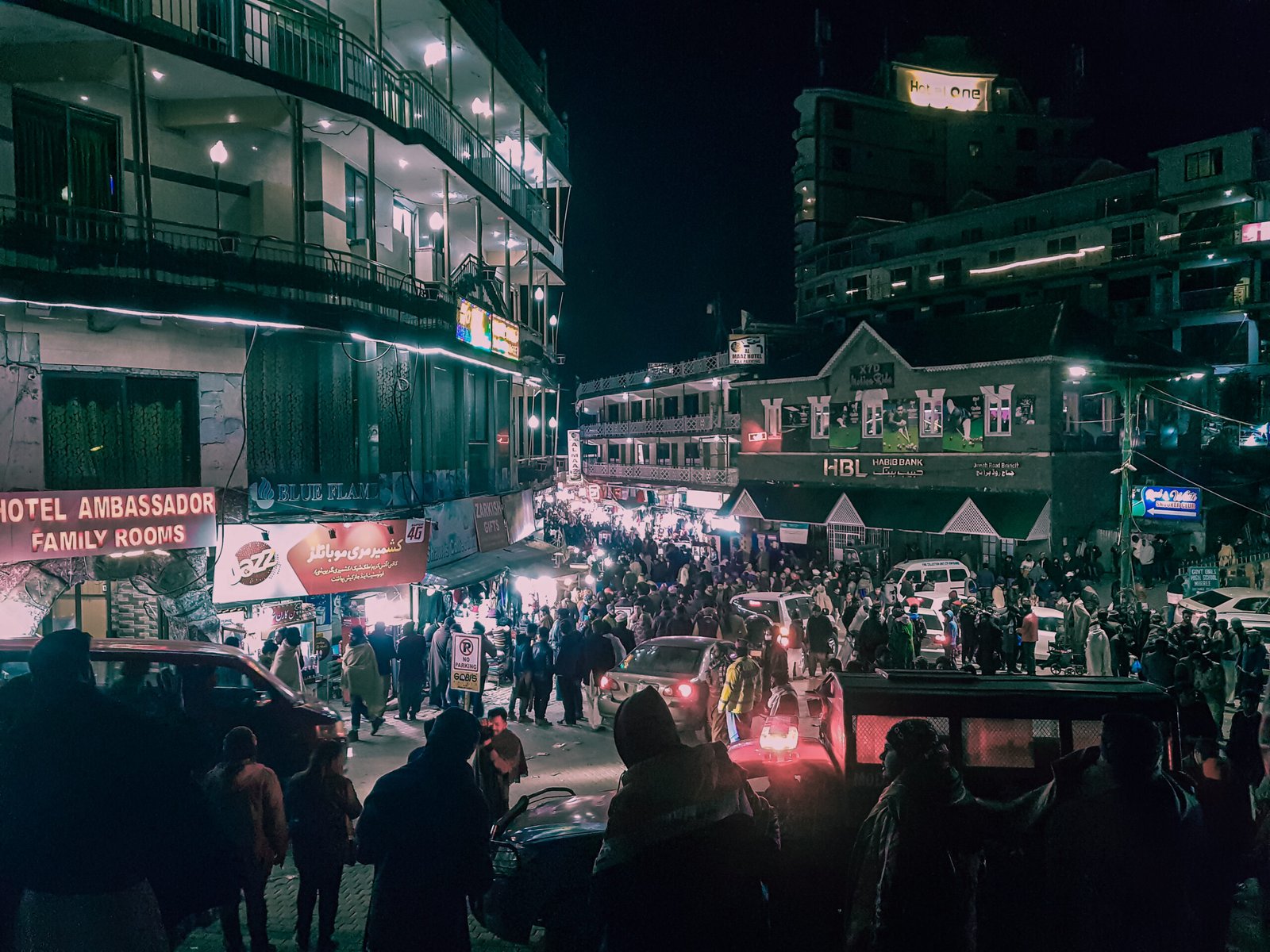
Murree remains the most convenient snow destination for families based in or near Islamabad, reachable in a couple of hours by road. Between December and February it reliably gets snowfall, and the town leans into it — Mall Road fills up with families, street food vendors, and souvenir stalls, and the atmosphere is festive rather than remote or difficult.
Kids experiencing snow for the first time tend to have the most fun here simply because everything is walkable and low-effort. A short drive away, Patriata (also called New Murree) adds a chairlift and cable car ride over snow-covered pine forest, which is worth the extra couple of hours if you have them.
The tradeoff is crowding — Murree gets busy on weekends and around New Year, so booking accommodation in advance and travelling on weekdays where possible makes for a much smoother trip.
Swat Valley – Snow-Covered Mountains and Ski Slopes
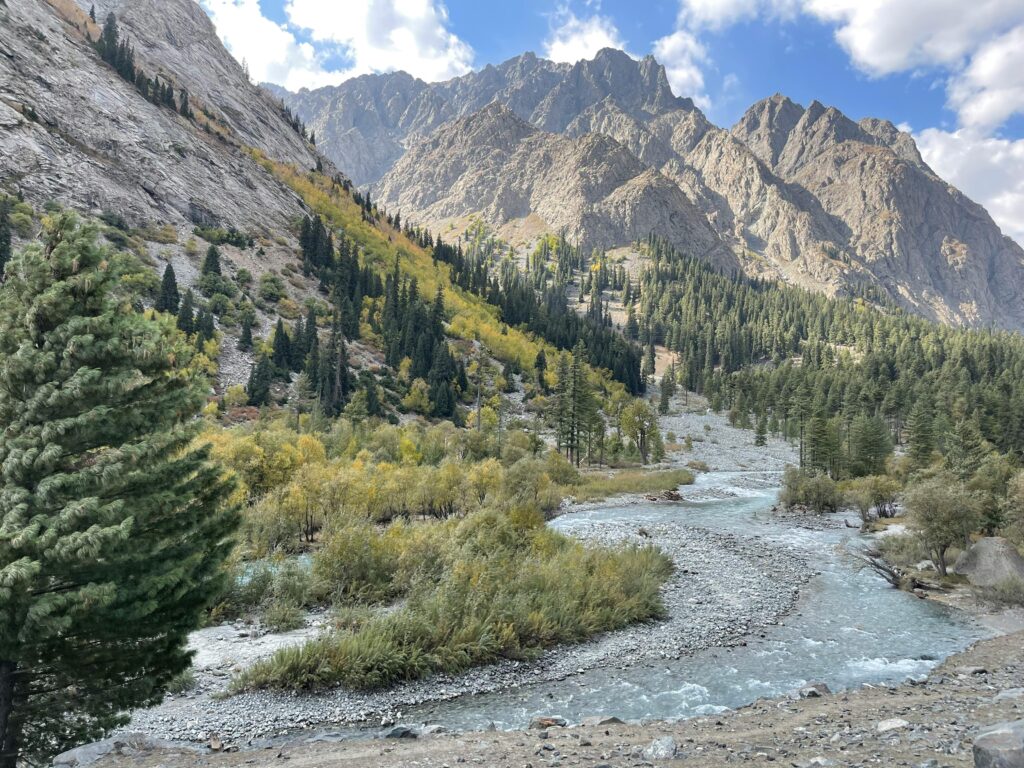
Swat earns its “Switzerland of Pakistan” nickname most convincingly in winter, when its mountains, rivers, and pine forests are dusted in snow. It’s a longer trip than Murree but rewards the extra travel time with far more variety and noticeably fewer crowds outside peak weekends.
Malam Jabba is the main draw for many visitors — it’s Pakistan’s most developed ski resort, with chairlifts and marked runs suitable for beginners as well as more experienced skiers. Kalam Valley, further up the road, offers a quieter mix of snowy rivers and dense forest, and jeep trips toward Ushu Forest and Mahodand Lake are possible when road conditions allow, though this depends heavily on recent snowfall and should be checked locally before setting out.
Swat has a reasonable range of family hotels in Mingora and Kalam, so it works well as a multi-day base rather than a single day trip.
Nathia Gali – Quiet Forest Trails
Nathia Gali suits families who want a slower, low-key winter trip rather than an activity-packed one. Its forest trails stay accessible even in winter and are gentle enough for a family walk with young children.
The Pipeline Track, Niranjani, and Mushkpuri Top are the main walking routes, and Ayubia National Park nearby is worth a stop for a short hike, tea with a view, and the chance to spot monkeys in the trees. Hotels here are smaller and cosier than Murree’s, and the town itself is calm even during peak season, which is really the whole appeal.
Hunza Valley – Snow-Capped Peaks and Historic Villages
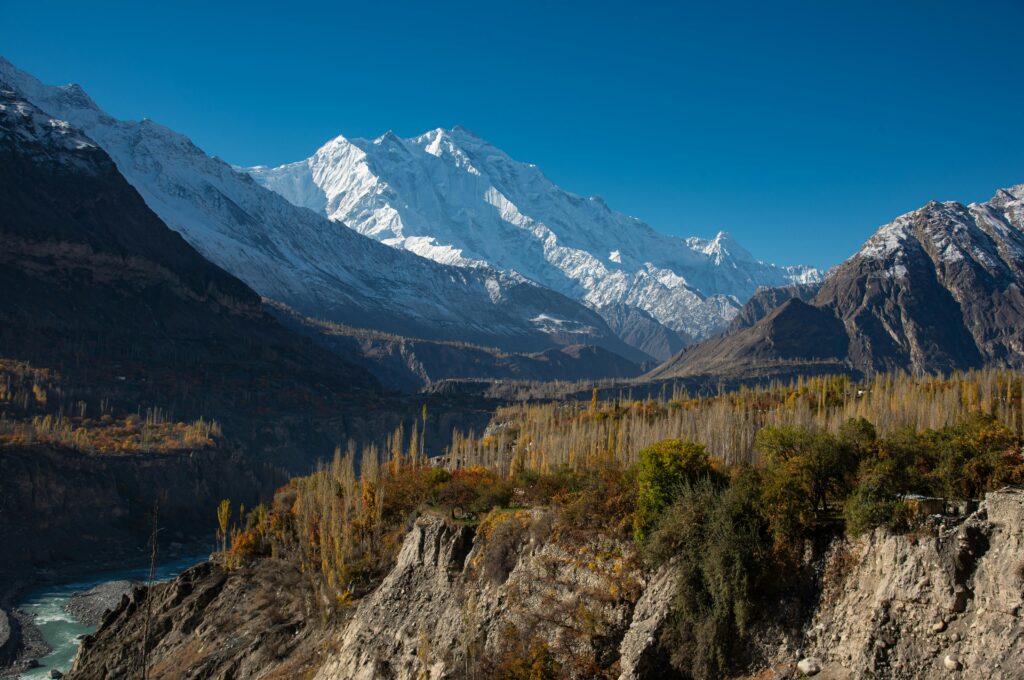
Hunza is worth visiting in any season, but winter adds something particular: fewer tourists, exceptionally clear air, and mountains that look sharper against a blue winter sky than they do in the summer haze. It’s a longer journey from Islamabad, generally by air to Gilgit followed by a road transfer, so it suits a trip of five days or more rather than a quick weekend.
Karimabad, the valley’s main town, has clear views of Rakaposhi and is home to Baltit Fort, a genuinely interesting stop for older kids interested in history. Attabad Lake holds its turquoise colour even in the cold, and the Passu Cones — the jagged peaks visible from the main road — are one of the most photographed sights in the region. For details on road conditions and district information before travelling, the Gilgit-Baltistan tourism department’s Hunza district page is a useful official reference.
Skardu – Frozen Lakes and Clear Night Skies
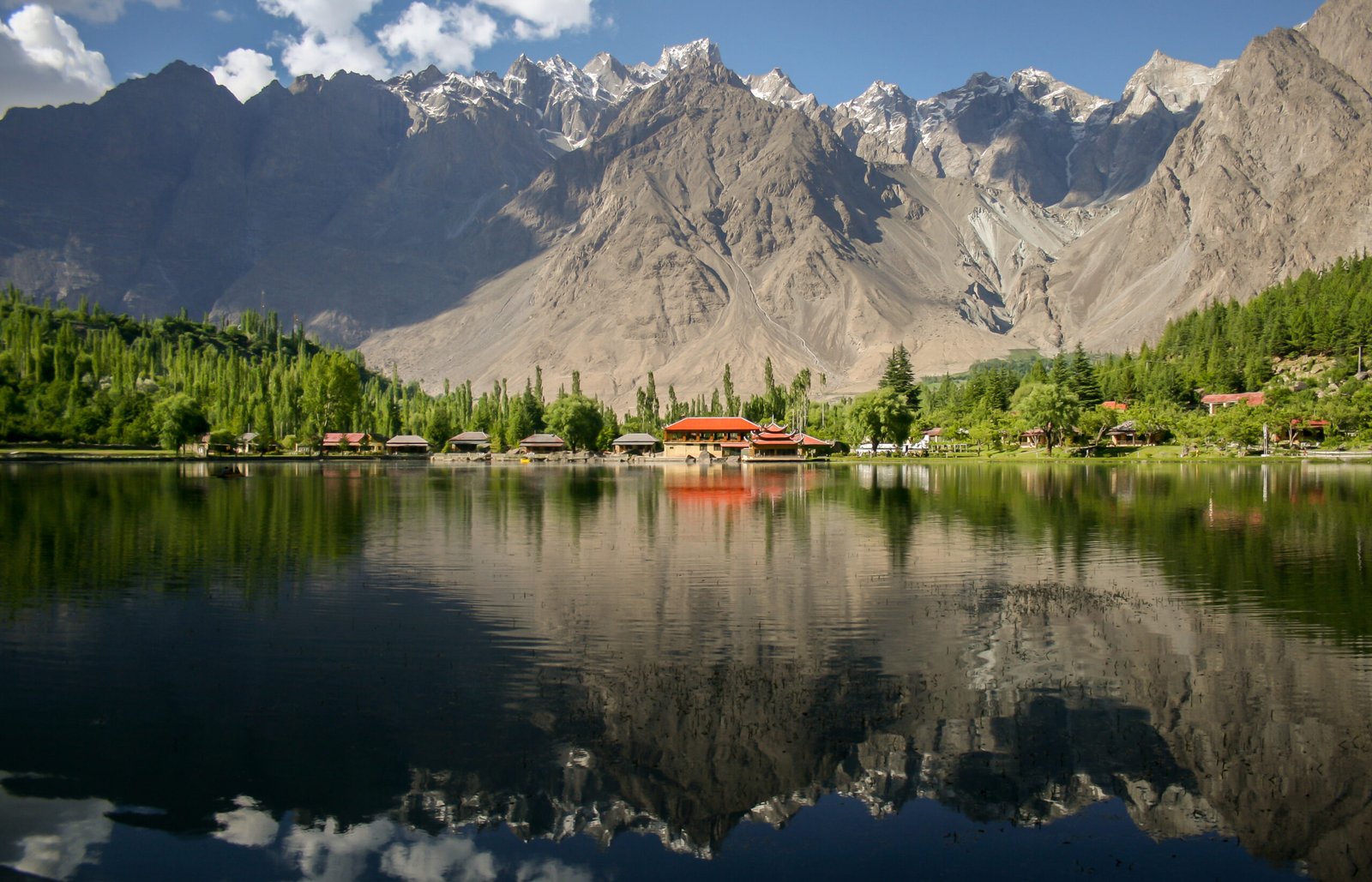
Skardu in winter feels genuinely different from Skardu in summer — quieter, colder, and with a stillness that makes the landscape feel bigger. Shangrila Resort, built around its heart-shaped lake, and Upper Kachura Lake are both worth visiting for photography, and clear winter nights here bring out star fields that are hard to see from anywhere near a city.
Deosai Plains, the high-altitude plateau south of Skardu, is largely inaccessible in deep winter due to snow closing the roads, so it’s better treated as a summer add-on rather than part of a winter itinerary. For a full breakdown of Skardu’s attractions and travel logistics, see our dedicated Skardu travel guide.
Naltar Valley – Pakistan’s Least Crowded Ski Destination
Naltar Valley, a side trip from Gilgit, is worth knowing about specifically because most visitors don’t. It has its own small ski slope, used partly for army training, alongside a scattering of alpine lakes that freeze over in winter. The valley is far less developed than Malam Jabba, which means fewer facilities but also a much quieter, more scenic experience for families who don’t need a full resort setup.
Access is by jeep from Gilgit, and the road can close after heavy snowfall, so it’s worth confirming conditions locally before committing to the trip, ideally as an add-on to a Hunza or Gilgit-based itinerary rather than a standalone destination.
Islamabad – A Comfortable Winter Base
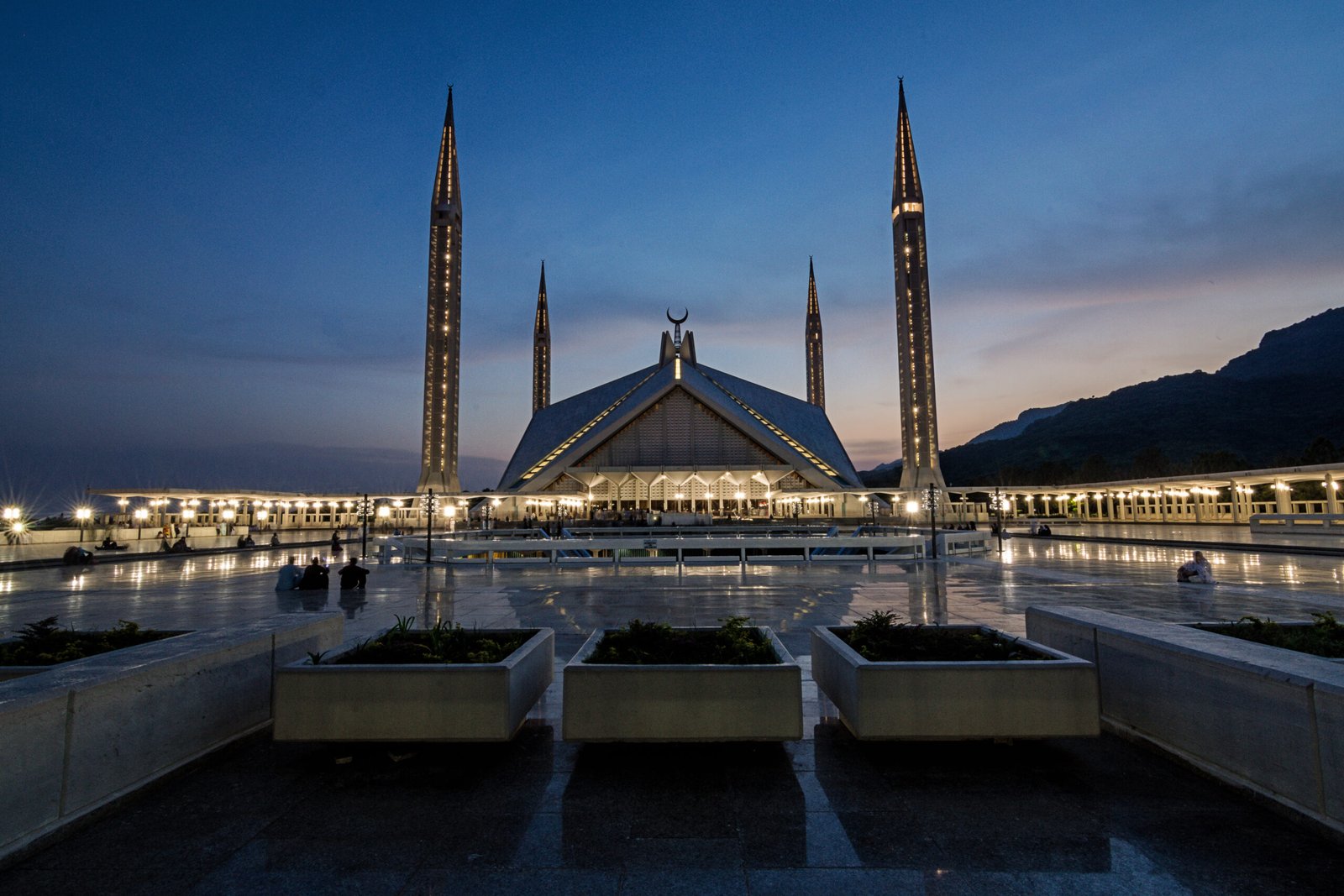
Islamabad works well for families who want a milder winter trip without long-distance travel. The city stays green and clean through the cold months, and its mix of parks, museums, and restaurants makes it easy to fill a few days without needing a car for every outing.
Daman-e-Koh gives sweeping views over the city and the Margalla Hills, and the hills themselves offer gentle winter hikes on well-marked trails. Lake View Park is popular for picnics and has boating and play areas for younger children, while the Lok Virsa Museum adds a cultural, educational stop that works well on a colder or rainy day — and Islamabad in general is one of the most comfortable best places to visit in Pakistan in winter for families avoiding rough roads.
Karachi – Warm Beaches and Winter Sunshine
Karachi is the obvious choice for families who’d rather skip the cold entirely. Winter is actually the most comfortable season to visit — the punishing summer humidity is gone, replaced by mild, sunny days that make the beaches genuinely pleasant rather than just tolerable.
Clifton Beach, Hawkesbay, and French Beach all offer a relaxed coastal afternoon, and Karachi’s attractions beyond the beach — Safari Park, Bahria Adventure Land, and the Pakistan Maritime Museum — give families plenty to do if they want a break from the sand. The city’s food scene is also reason enough on its own for many visitors, with far more variety than most other Pakistani cities.
Lahore – History and Culture in Cooler Weather
Lahore’s winter weather is arguably its best of the year — cool enough to comfortably explore its landmarks on foot without the summer heat working against you. Lahore Fort, Badshahi Mosque, Shalimar Gardens, and the Lahore Museum are all far more enjoyable to walk through in December than in June.
Jilani Park, Safari Zoo, and Gulshan-e-Iqbal Park suit families needing a picnic or play break between sightseeing, and the evening light show at Minar-e-Pakistan is worth timing your visit around. Lahore’s food scene, especially around its old-city food streets, rounds out a trip well for families who enjoy eating their way through a city.
Planning Your Winter Trip
A few practical notes worth keeping in mind: road access to higher-altitude areas like Naltar, Deosai, and parts of Swat depends heavily on recent snowfall, so it’s worth checking conditions a day or two before travelling rather than assuming a route is open. Warm layered clothing matters more than heavy single coats, since indoor spaces are often heated while outdoor sightseeing can be genuinely cold. And booking accommodation ahead of time in Murree and Swat specifically is worthwhile, since both fill up quickly around winter holidays.
Conclusion: The Best Places to Visit in Pakistan in Winter
Winter travel in Pakistan covers an unusually wide range — snow-covered mountain towns, frozen lakes, quiet forest trails, and warm coastal afternoons are all available within the same season, just in different parts of the country. Whether the plan is a short Murree weekend or a longer trip through Hunza and Skardu, the north rewards travellers with dramatically different scenery than the rest of the year, while Karachi and Lahore offer a comfortable, low-hassle alternative for anyone who’d rather stay out of the snow.
FAQs – Winter Travel in Pakistan
Murree, Swat, Hunza, Skardu, Naltar, Nathia Gali, Islamabad, Lahore, and Karachi each offer a different kind of winter trip, from snow sports to warm beaches.1. What are the best places to visit in Pakistan in winter?
Major tourist destinations are generally safe for families, though road and weather conditions in higher-altitude areas should always be checked before travelling.2. Is Pakistan safe for family travel in winter?
December through February is peak snow season in the north, while Karachi’s most pleasant winter weather also falls in this window.3. What is the best time to visit Pakistan in winter?
Murree and Islamabad are the easiest options for young kids, since both are close to Islamabad, have short travel times, and don’t require difficult road conditions.4. Which winter destination is best for young children?
A traveler and storyteller who has personally visited several of Pakistan’s northern destinations and continues to explore more of the country every year. Adeel started Top Places in Pakistan to share honest, well-researched travel guides that help both local and international visitors plan trips with confidence. Read more about Adeel →

Adeel Ahmad is a Pakistan-based travel writer and the founder of Top Places in Pakistan, a travel guide dedicated to showcasing the country’s most stunning destinations. Born and raised in Lahore, Adeel has a deep love for Pakistan’s diverse landscapes — from the towering peaks of Hunza and Skardu to the lush valleys of Swat and the historic streets of Lahore. His mission is to inspire travelers to explore Pakistan’s natural beauty, rich culture, and hidden wonders through well-researched, authentic, and easy-to-follow travel guides.