
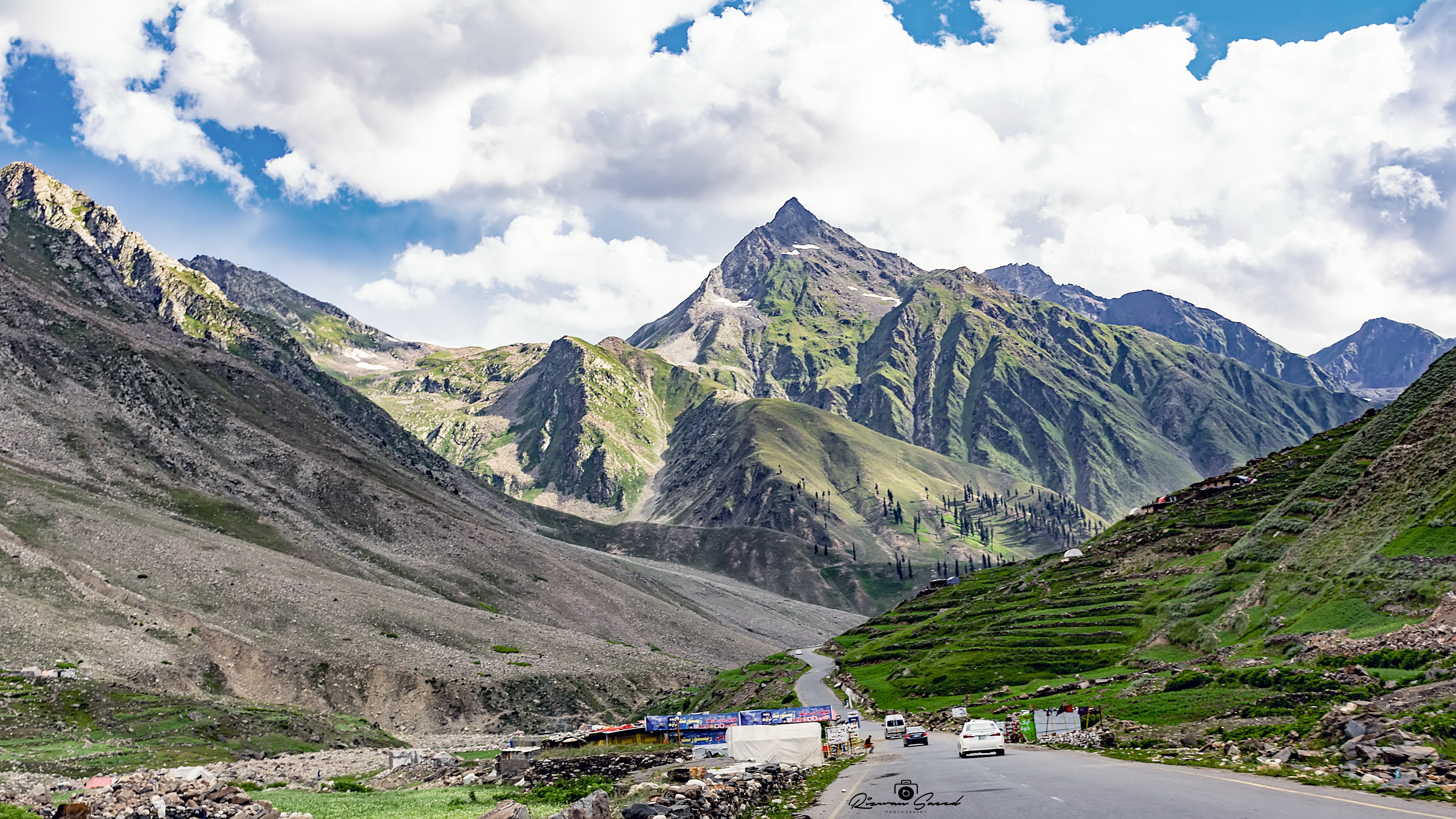
Naran Kaghan Trip: Where the Valley Is
The valley sits in the Mansehra district of Khyber Pakhtunkhwa, following the Kunhar River upstream through steadily rising terrain. Naran town is the main hub — this is where you’ll find most hotels, restaurants, and the jeep stands for onward trips to the lakes. Beyond Naran, the valley continues toward Babusar Top, a high mountain pass that eventually connects through to Gilgit-Baltistan, though it only opens when weather allows. The roads throughout are narrow and winding, which shapes almost everything about how you plan a visit here.Best Time to Visit
Access is seasonal. Heavy snowfall closes the valley for several months each year, and the road genuinely becomes impassable — this isn’t a case of just going carefully. The reliable travel window runs from late spring through early autumn. Peak season is June through August, when temperatures are pleasant during the day and cooler at night, and every major attraction is open. September brings noticeably fewer crowds and a quieter experience, though nights get colder and the weather is a little less predictable. Outside this window, don’t plan a trip here — roads are closed and travel simply isn’t possible for most visitors.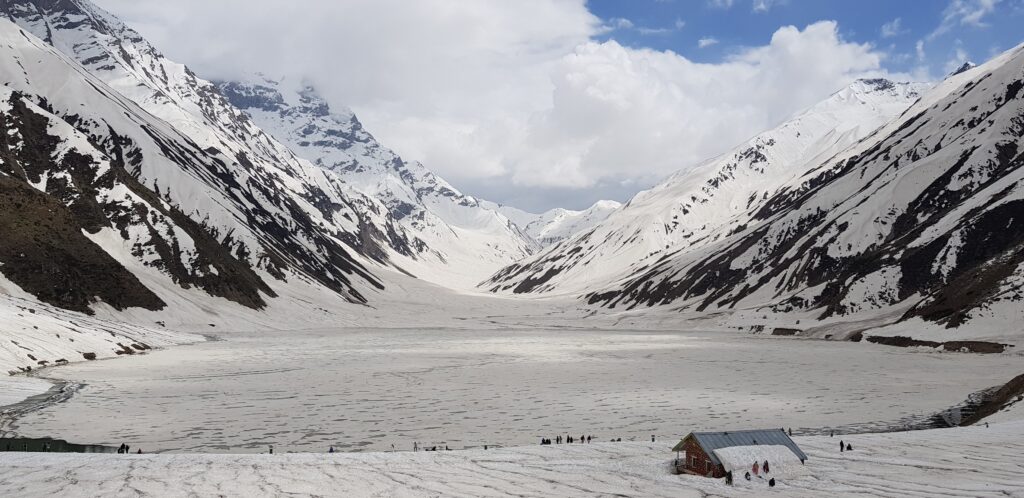
How to Reach Naran Kaghan
Most trips begin in Islamabad or Rawalpindi. From there, the route runs through Mansehra and Balakot before climbing into the valley proper alongside the Kunhar River. A private vehicle gives you the most flexibility for stops along the way, which is worth having given how scenic the drive is. Public buses and vans also run from major cities to Mansehra or Balakot, where you can pick up local transport onward. Whichever way you travel, start early — the roads narrow and wind more the closer you get to Naran, and daylight driving is safer and considerably less stressful — one of the simplest ways to keep a Naran Kaghan trip on schedule.Distance and Travel Time
Islamabad to Naran is about 240 km, but plan on six to eight hours given the mountain roads, not highway speeds. Balakot and Kiwai are the natural stopping points along the way — most travelers pause here for meals, fuel, or photos before continuing. Build in extra time rather than cutting it close; road conditions and traffic near popular stops can add unpredictable delays, especially during peak season.Where to Stay
Naran town has the widest range of accommodation in the valley, from simple budget guesthouses to mid-range hotels and a handful of more upscale resorts. Budget options are basic but clean and functional; mid-range hotels add private bathrooms and sometimes river or mountain views; the few luxury properties offer noticeably more comfort and service. Prices climb fast during peak season (June to August) and rooms sell out early, so booking ahead is genuinely worth it rather than arriving and hoping — a lesson most first-time Naran Kaghan trip planners learn the hard way. Hotels closer to the river or main road tend to book up first.
Budgeting for the Trip
Your main costs are transport, accommodation, food, and jeep rides to the lakes. Transport is usually the biggest line item, particularly if you’re hiring a private vehicle or jeep for the mountain sections. Accommodation cost swings widely with season and hotel category, while food is generally affordable — local restaurants serve a solid mix of Pakistani staples at reasonable prices. Factor in jeep charges to Saif-ul-Malook Lake specifically, since that’s a separate cost from your main transport on any Naran Kaghan trip. Traveling as a group brings the per-person cost down noticeably, and it’s worth carrying cash, since digital payments and ATMs are unreliable once you’re off the main road.Top Attractions
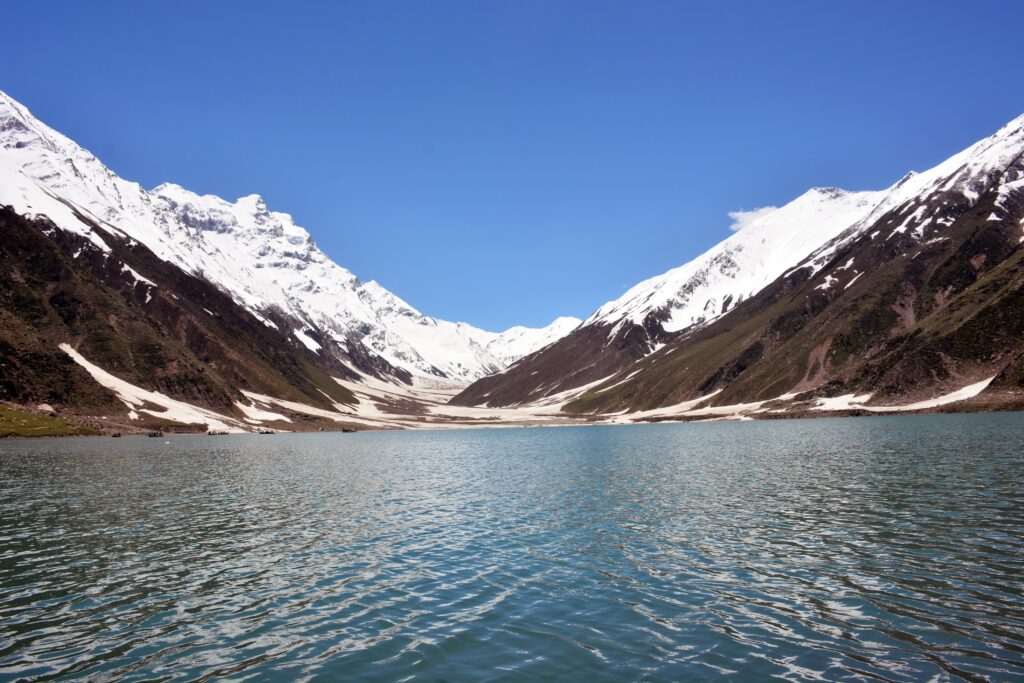
Saif-ul-Malook Lake is the valley’s signature attraction — a turquoise lake ringed by peaks, reached by jeep from Naran, and worth the detour even with the crowds. For a full breakdown of getting there, timing, and what to expect, see our Saif-ul-Malook Lake travel guide. Further along the route toward Babusar Top, Lulusar Lake offers a much quieter, wilder alternative — fewer visitors, equally striking scenery, and one of the highlights of any Naran Kaghan trip that pushes past the main lake.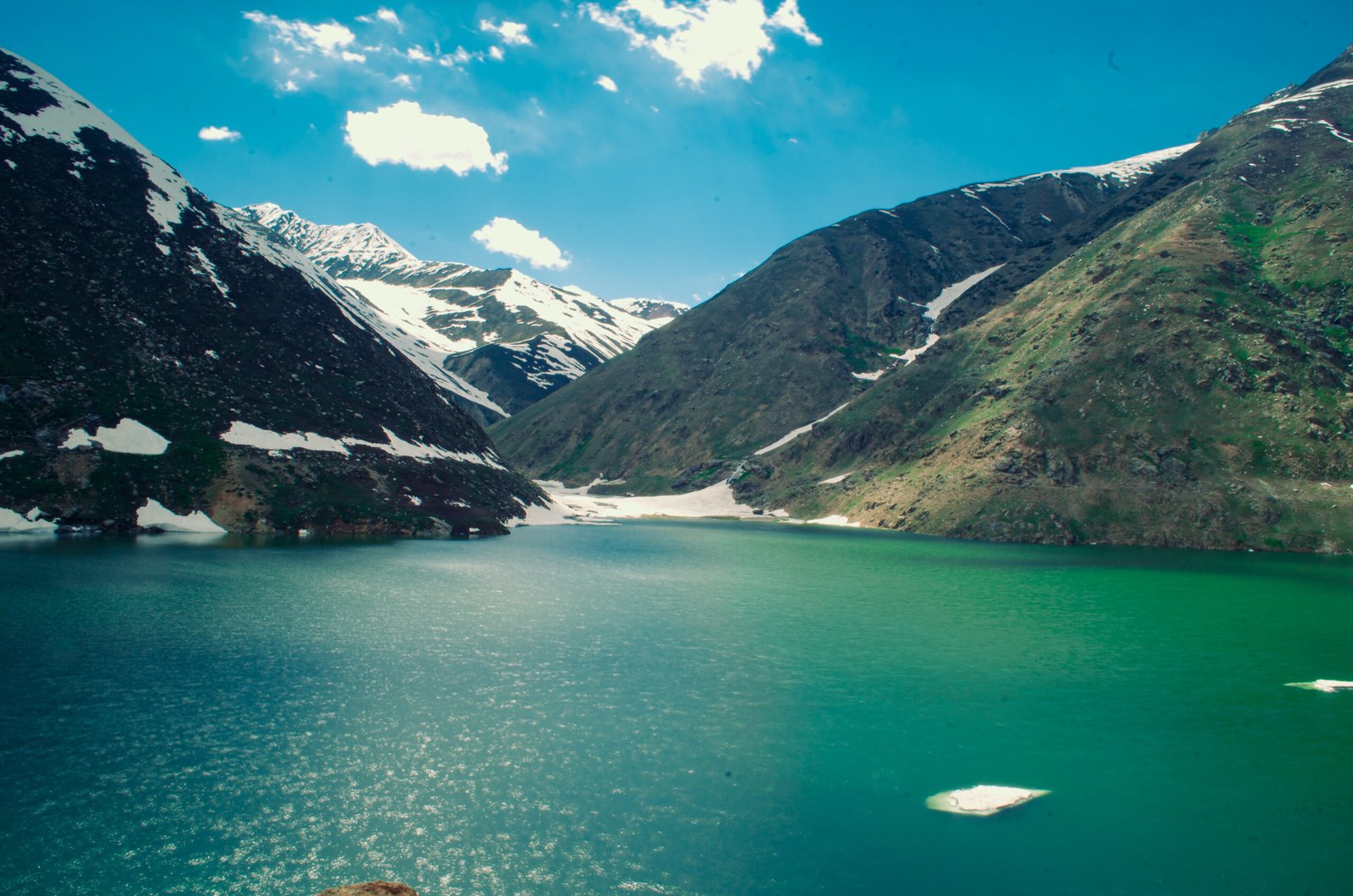 Babusar Top itself is the high pass connecting into Gilgit-Baltistan, with sweeping views back over the valley on a clear day.
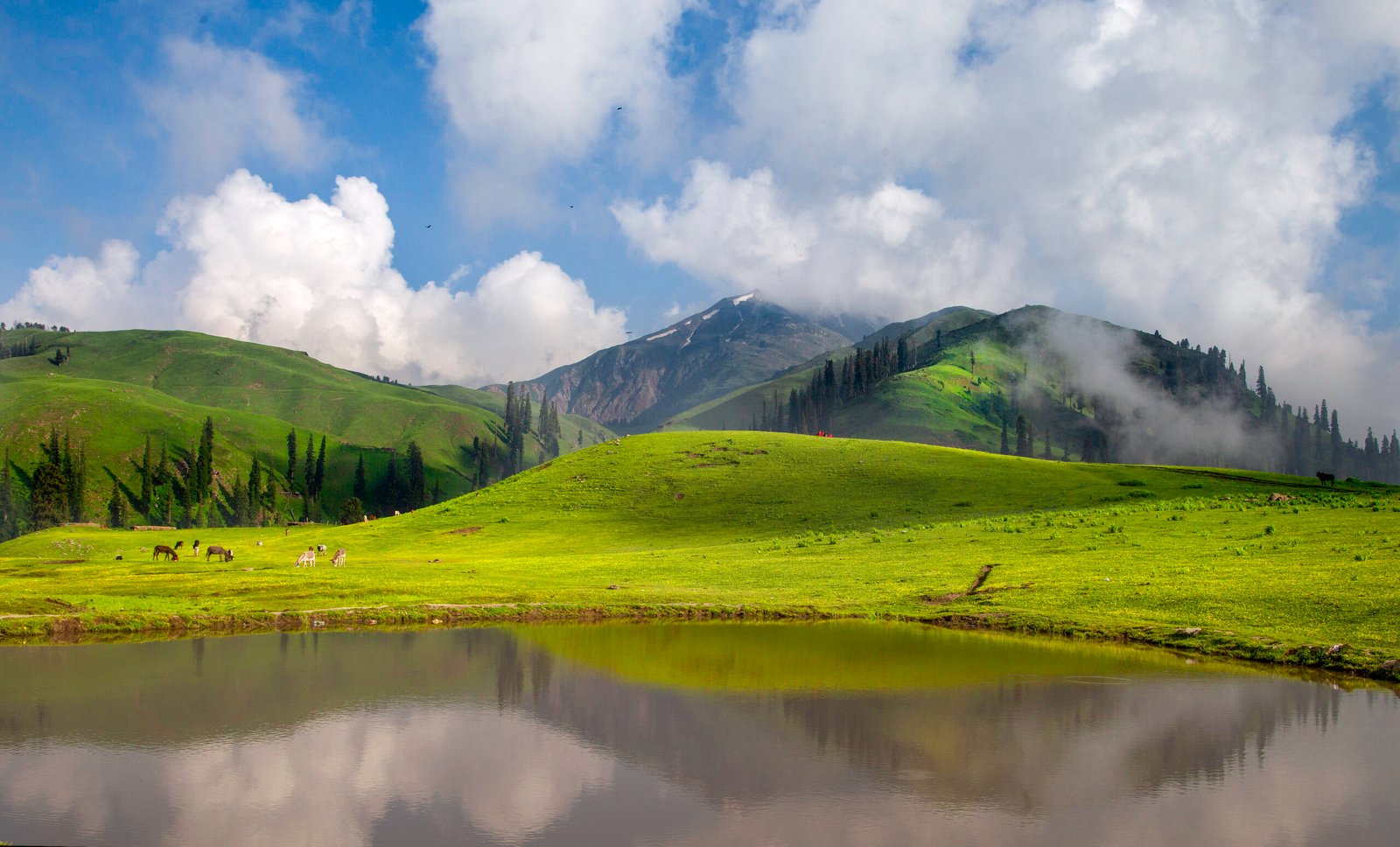
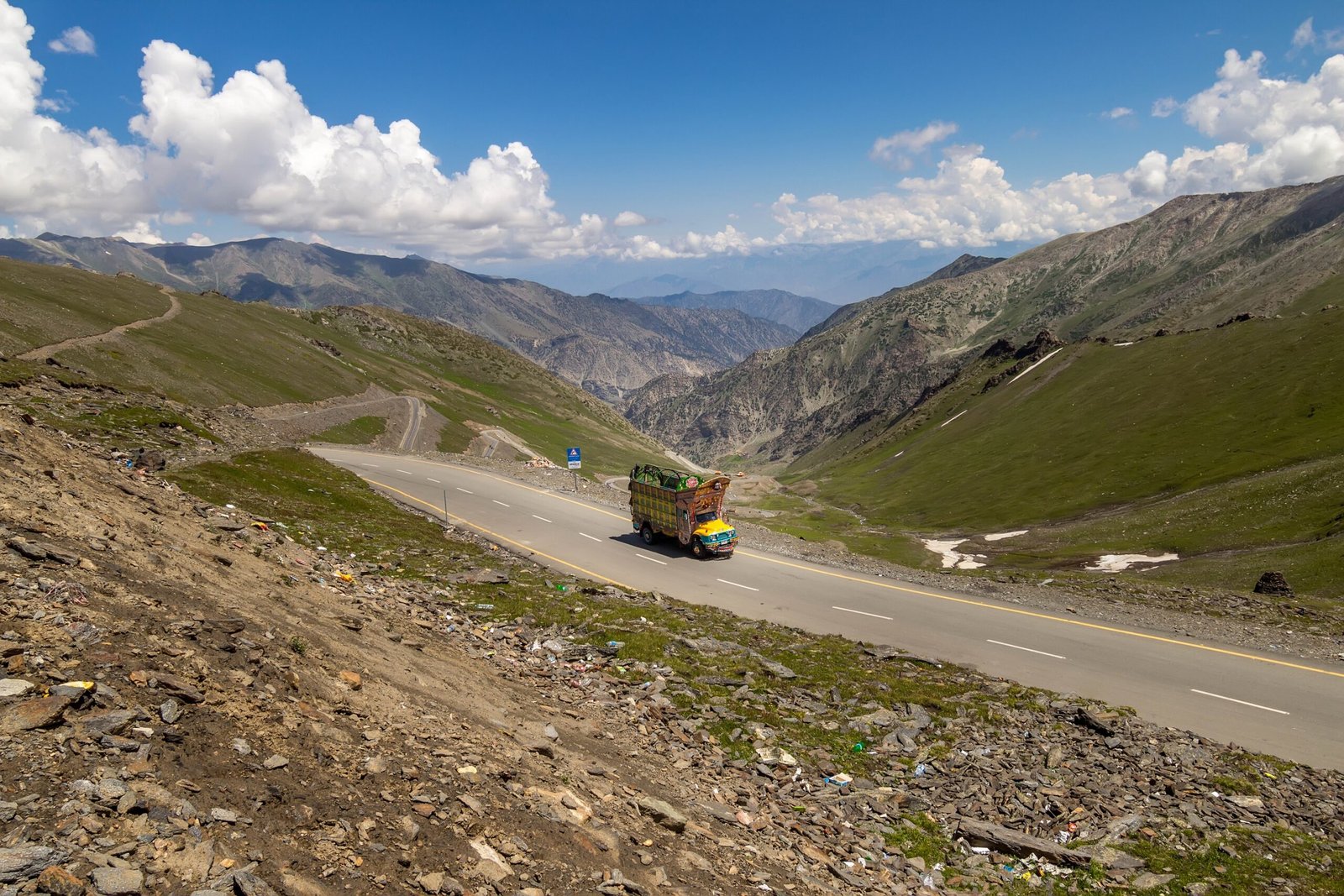 Shogran and Siri Paye, reached via jeep, add green alpine meadows to the itinerary, and the Kunhar River itself provides scenic stops for photography practically anywhere along the drive.
Road Safety
The mountain roads here demand attention — narrow, sharply curved, and prone to congestion near popular stops during peak season. Weather can shift quickly, and rain brings slippery surfaces while occasional landslides disrupt the route entirely, so it’s worth checking conditions before setting out on any given day. Night driving is best avoided given the limited visibility and lack of lighting along most of the route. Local drivers who know the road well are generally a safer bet than self-driving if you’re unfamiliar with mountain terrain — worth factoring into how you plan your Naran Kaghan trip from the start.Food in the Valley
Naran and the surrounding towns have plenty of restaurants and roadside eateries serving BBQ, karahi, and — a regional specialty worth trying — fresh trout pulled straight from the Kunhar River. Quality varies by spot, but there’s generally enough choice to suit most tastes. Stick to places with visible turnover and good hygiene, and carry water and snacks for the day trips out to the lakes, where options are far more limited.What to Do
Beyond sightseeing, the valley lends itself well to short hikes, photography, and jeep excursions to the high-altitude lakes. Shogran and Siri Paye in particular are popular for a half-day of walking through alpine meadows. Families tend to stick closer to Naran and the easily reached lakes, while more adventurous travelers push on to Babusar Top or explore trekking routes branching off the main valley. Either way, the pace here is naturally slower than a city trip, which is part of the appeal.Weather to Expect
Daytime temperatures in Naran during peak season generally sit in the mid-teens to low twenties Celsius, comfortable for walking and sightseeing, while nights can drop close to freezing even in June and July given the altitude. Higher up toward Babusar Top and around the lakes, expect it to run several degrees cooler than in Naran town, with wind adding to the chill. Rain showers are common in the afternoons during summer, so a light waterproof layer is worth packing alongside warmer clothing for the evenings.Practical Tips
Start driving early to beat both traffic and the afternoon weather changes common in the mountains. Book accommodation ahead if you’re traveling in peak season — availability tightens fast. Pack warm layers regardless of the month, since nights cool down significantly even in summer, and bring basic medicines and any personal essentials, as pharmacies thin out the further you get from Naran town. Mobile signal is patchy beyond the main town, so let people know your rough itinerary before you head out to the lakes.Conclusion
A well-planned Naran Kaghan trip delivers on its reputation as one of Pakistan’s most rewarding mountain trips — turquoise lakes, forested valleys, and a drive that’s scenic in its own right. Getting the timing right, booking accommodation ahead during peak months, and budgeting realistically for jeep trips to the lakes are what separate a smooth visit from a stressful one. With that groundwork in place, it’s a valley that consistently lives up to the photos.FAQs
1. What is the best time to visit Naran Kaghan?
May to September, with June through August as peak season when all roads and attractions are accessible.
2. How many days are enough for Naran Kaghan?
Three to five days covers the major attractions comfortably, including a day trip to Saif-ul-Malook Lake.
3. Is Naran Kaghan accessible in winter?
No. Heavy snowfall closes the valley to regular tourist traffic for several months.
4. What is the travel route to Naran Kaghan?
Islamabad → Mansehra → Balakot → Kiwai → Naran, roughly 240 km and six to eight hours by road.
5. Are hotels easily available in Naran?
Yes, but book ahead during peak season (June–August) as prices rise and availability tightens.
6. What is the average trip budget for Naran Kaghan?
A basic trip typically runs PKR 25,000–80,000 depending on travel style, group size, and duration.
7. Is it safe to travel to Naran Kaghan?
Generally yes, provided you follow road safety guidance, check weather updates, and avoid night driving on mountain roads.
8. What are the must-visit places in Naran Kaghan?
Saif-ul-Malook Lake, Lulusar Lake, Babusar Top, Shogran, and Siri Paye.
You May Also Like
Saif-ul-Malook Lake Travel Guide
Murree Travel Guide
Hidden Travel Destinations in Pakistan
A traveler and storyteller who has personally visited several of Pakistan’s northern destinations and continues to explore more of the country every year. Adeel started Top Places in Pakistan to share honest, well-researched travel guides that help both local and international visitors plan trips with confidence. Read more about Adeel →

Adeel Ahmad is a Pakistan-based travel writer and the founder of Top Places in Pakistan, a travel guide dedicated to showcasing the country’s most stunning destinations. Born and raised in Lahore, Adeel has a deep love for Pakistan’s diverse landscapes — from the towering peaks of Hunza and Skardu to the lush valleys of Swat and the historic streets of Lahore. His mission is to inspire travelers to explore Pakistan’s natural beauty, rich culture, and hidden wonders through well-researched, authentic, and easy-to-follow travel guides.