
Looking for hidden travel destinations in Pakistan? Pakistan’s best-known destinations — Hunza, Murree, Skardu, Lahore — draw the crowds for good reason, but they’re far from the whole story.
Scattered across the country are valleys, deserts, and villages that see a fraction of the tourist traffic, and they tend to reward the extra effort with something the popular spots can’t offer anymore: quiet.
This guide covers eight offbeat destinations worth the detour, from turquoise alpine lakes to a national park where desert meets the Arabian Sea, along with what to actually expect if you go.
1. Phander Valley – A Serene Escape in Gilgit-Baltistan
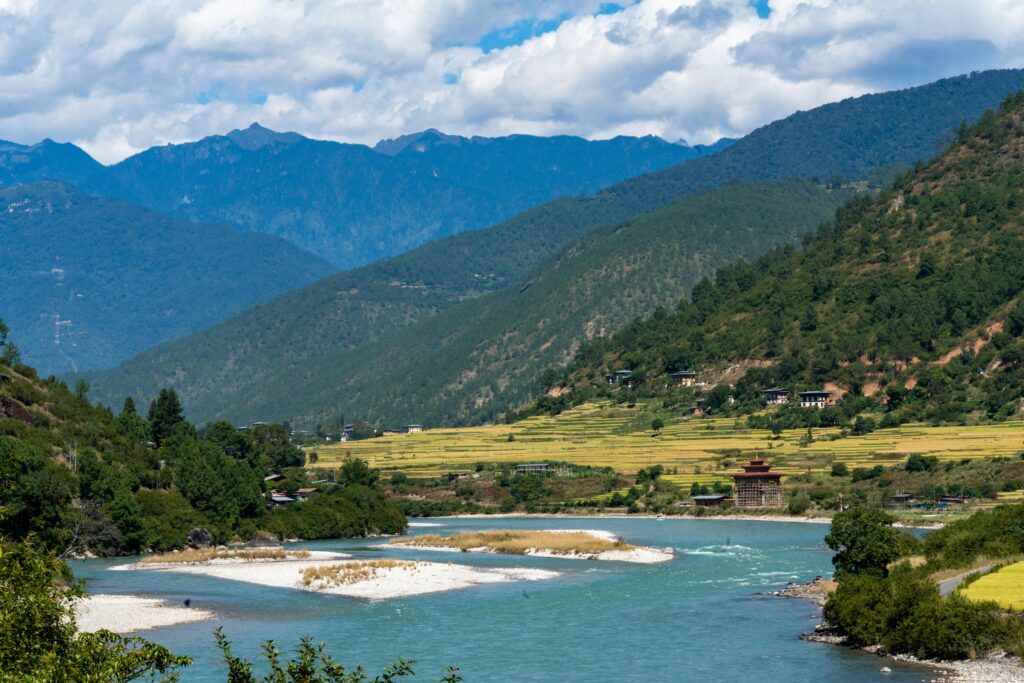
Phander Valley, in the Ghizer district of Gilgit-Baltistan, is easy to miss on a first-time itinerary and that’s exactly its appeal. Snow-capped peaks ring a valley of lush green fields, and Phander Lake at its centre is known for a turquoise colour and clarity that rivals better-known lakes without the crowds.
Trout fishing, lakeside camping, and boating are the main activities, and sunrise here — when the mountains reflect perfectly across still water — is one of the more memorable mornings you can have in the north. For district travel information, the Gilgit-Baltistan tourism department’s Phander page is a useful official reference.
2. Kumrat Valley – A Pine Forest Paradise
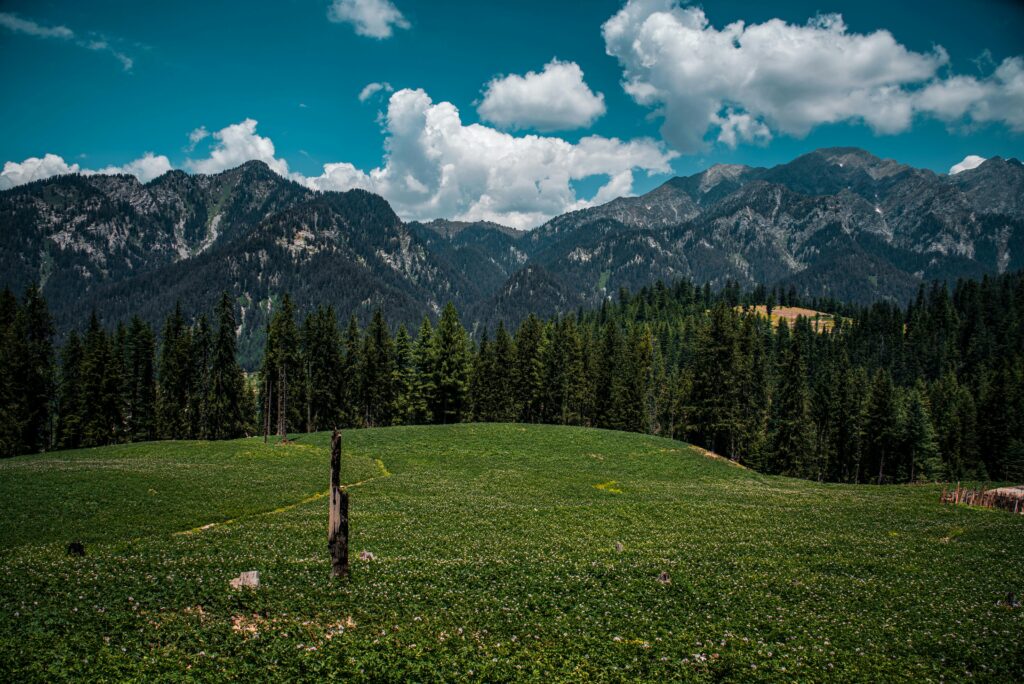
Kumrat Valley in Khyber Pakhtunkhwa has started getting more attention in recent years, but it’s still far less developed than Swat or Kaghan. Dense pine forest, clear rivers, waterfalls, and wide green meadows give it a raw, rustic character that’s increasingly hard to find elsewhere in the north.
Jahaz Banda Meadows, a green plateau ringed by mountains, is the standout camping spot, and the trek to Katora Lake — a high-altitude alpine lake — is challenging but genuinely worth it for anyone reasonably fit. Roads here are rough, so this is a trip better suited to jeeps than sedans, and tent camping rather than hotels.
3. Astore Valley – Gateway to Untouched Himalayan Beauty
Astore Valley sits deep in the Pakistani Himalayas and changes character completely across the seasons — wildflowers and rivers in spring, deep green in summer, gold in autumn, snow in winter. It’s also the access point for several trekking routes and remote campsites that see very few visitors.
Rama Lake, a mirror-still alpine lake reflecting the surrounding peaks, is the valley’s best-known spot. Minimarg and Domel, further along, require special permission to visit but reward the paperwork with wildflower-covered scenery that’s essentially untouched.
4. Hingol National Park — One of the Most Unique Hidden Travel Destinations in Pakistan
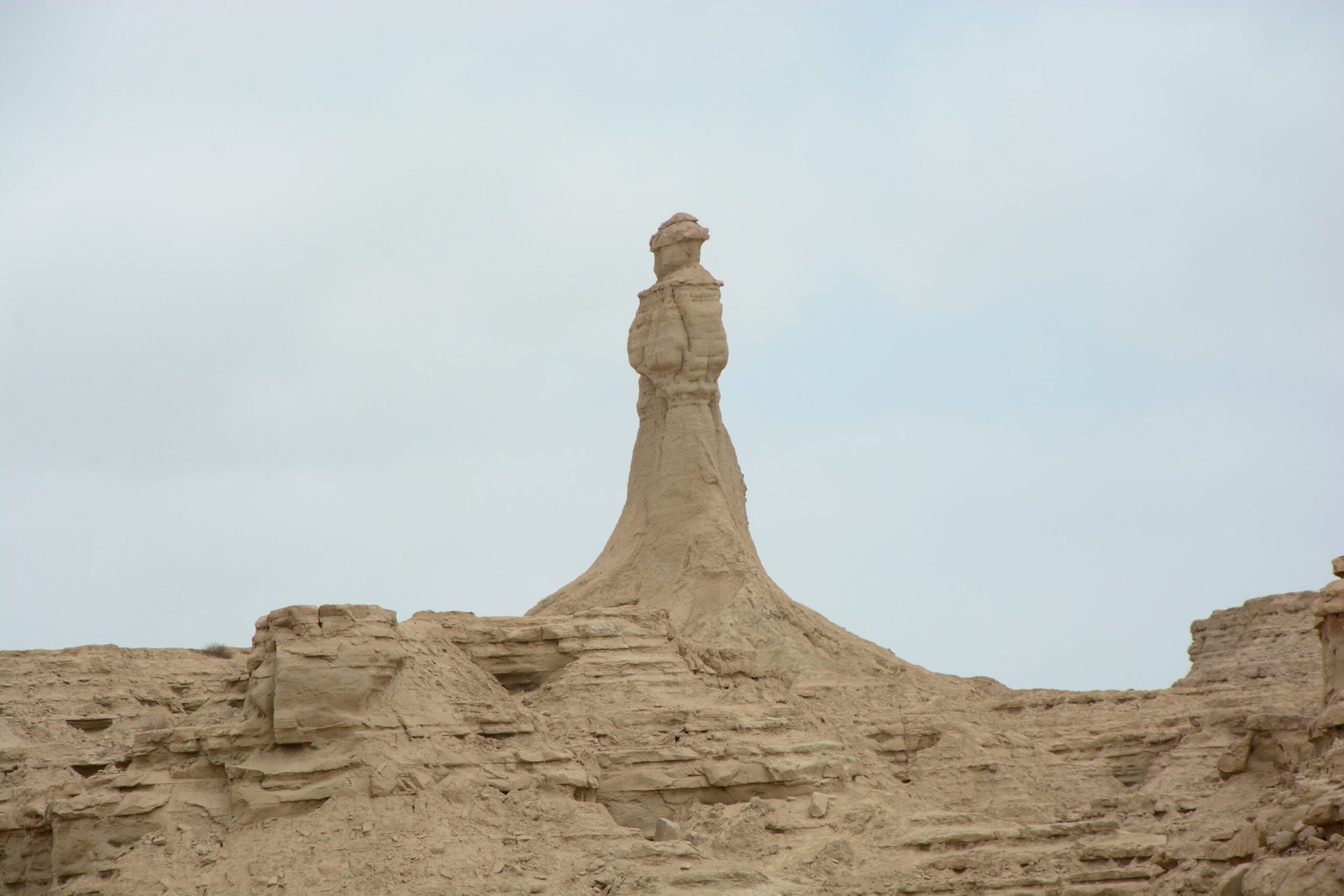
Hingol National Park in Balochistan is genuinely unlike anywhere else in Pakistan — wind-carved rock formations, desert, wildlife, and the Arabian Sea coastline all inside one park. The natural rock sculptures known as the Princess of Hope and the Lion of Hingol, shaped entirely by erosion, are the park’s signature sights.
The drive along the Makran Coastal Highway to get there is worth the trip on its own, running between desert mountains and open sea. Inside the park, the Hinglaj Mata Temple is an important Hindu pilgrimage site, and the combination of desert, coast, and wildlife makes Hingol a favourite for photographers and off-road travellers.
5. Kalash Valleys – Living Culture in the Mountains
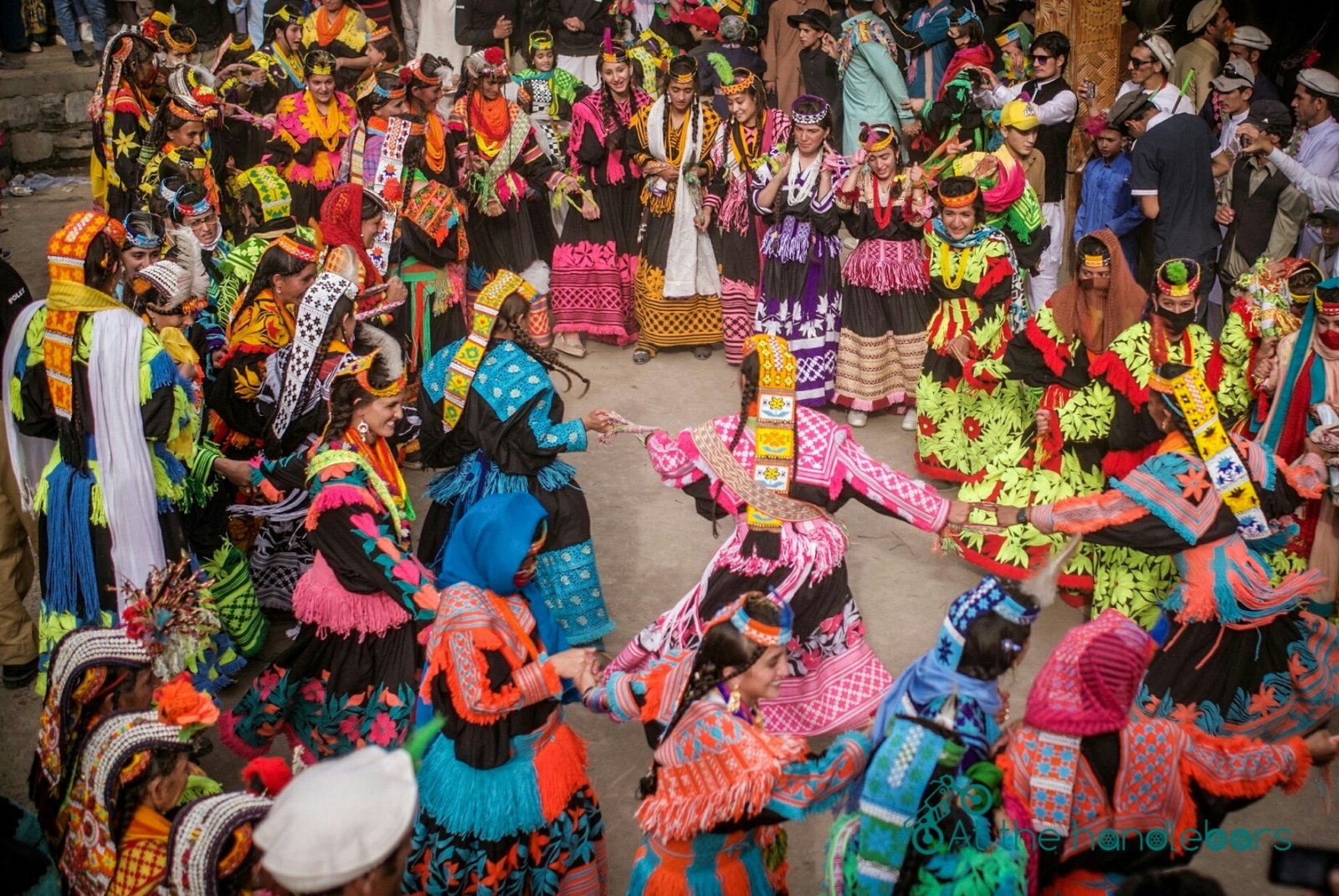
The Kalash Valleys in Chitral offer something the other destinations on this list don’t: a living, distinct culture rather than just scenery. The Kalasha community here has preserved its own traditions, clothing, and festivals for generations, largely undisturbed by outside influence.
The three main valleys — Bumburet, Rumbur, and Birir — sit among mountains, forest, and terraced farmland. If your visit lines up with festivals like Chilam Joshi, Uchal, or Choimus, you’ll see music, dancing, and rituals that don’t exist anywhere else in the country. This is a destination worth visiting with a degree of cultural respect and, ideally, a local guide.
6. Khaplu and Ghanche – Palaces and Glaciers
Khaplu, in the Ghanche district of Gilgit-Baltistan, combines history with the region’s usual mountain scenery. Khaplu Palace, a former royal residence, has been carefully restored as a heritage hotel and is worth a stay even if you’re just passing through.
From Khaplu, routes lead toward the Siachen Glacier and the Hushe Valley, both serious draws for trekkers and mountaineers. For a gentler visit, the small villages and the Shyok River make for a calm couple of days without any need for technical trekking gear.
7. Ratti Gali Lake – Azad Kashmir’s Hidden Alpine Lake
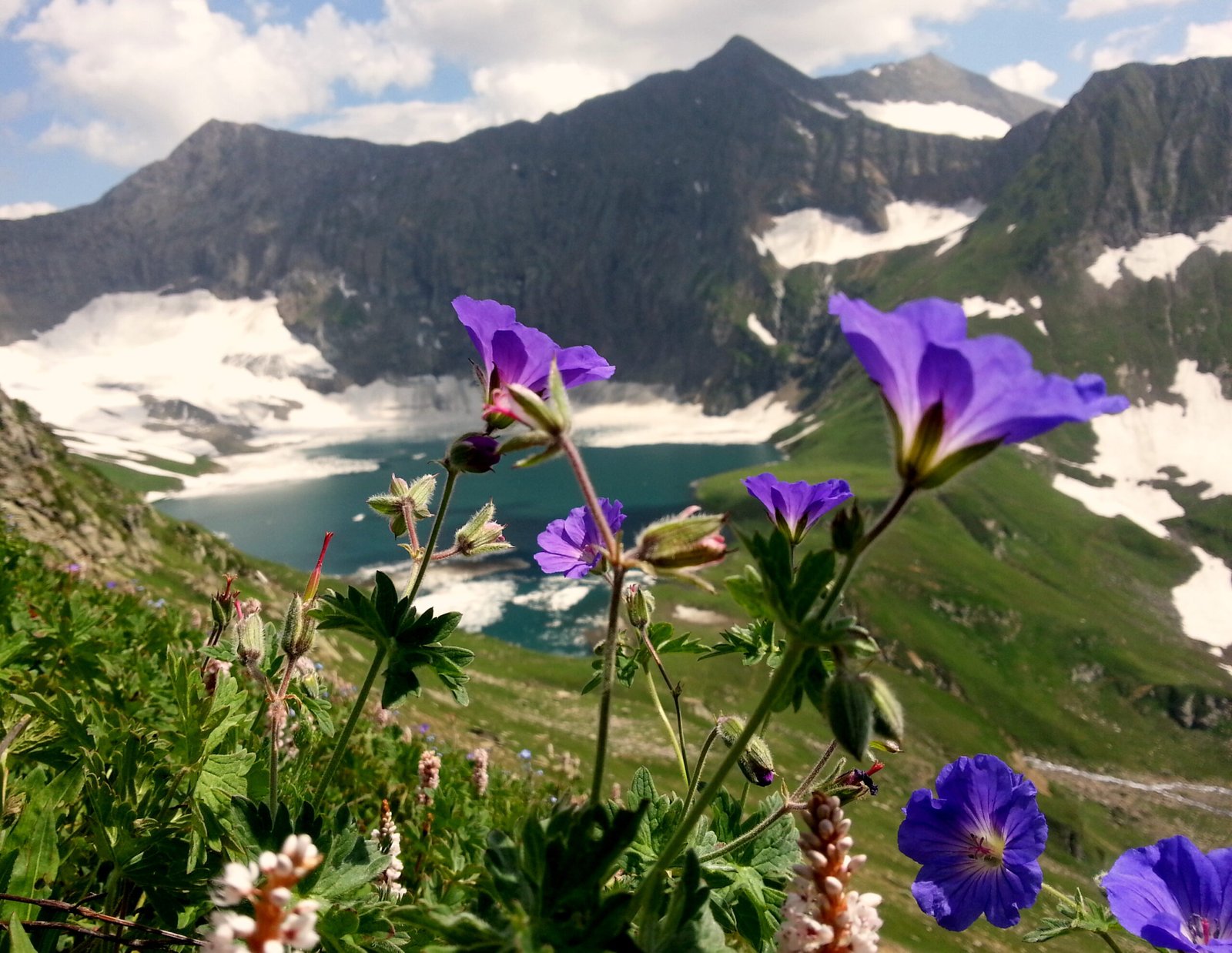
Ratti Gali Lake, high in the mountains of Neelum Valley in Azad Kashmir, requires a jeep ride and a moderate hike to reach — which is exactly why it stays quiet compared to lakes with road access. The reward is a glacial lake in a deep turquoise-green that shifts with the light through the day.
The trip is best done as a day hike from a base camp near the trailhead, and it’s strictly a summer destination — the lake and surrounding trail are snowbound for most of the rest of the year, so June through September is the realistic window.
8. Deosai Plains – The Land of Giants
The Deosai Plains, nicknamed the “Land of Giants” for their sheer scale, sit at high altitude and turn into a carpet of wildflowers through the summer months. They’re also one of the last strongholds of the Himalayan brown bear, alongside marmots and a wide range of bird species.
Sheosar Lake, Deosai’s centrepiece, offers clear water against a dramatic mountain backdrop, and with almost no light pollution, the night skies here are some of the best in the country for stargazing. For more on visiting Deosai as part of a wider trip, see our guide to Pakistan’s northern regions — note that Deosai’s roads close in winter, so it’s a summer-only destination.
Why These Hidden Travel Destinations in Pakistan Are Worth the Extra Effort
Every place on this list takes more planning than a Murree weekend — rougher roads, fewer hotels, sometimes special permits. That effort is also exactly why they’ve stayed uncrowded. Travelling to these areas tends to put more money directly into small local economies too, since there’s less large-scale tourism infrastructure absorbing it.
None of this is about avoiding the popular spots altogether — Hunza and Skardu are popular for good reasons. It’s about recognising that Pakistan’s north and south both have a second layer of destinations that rarely make it onto a first-time visitor’s list, and are often more rewarding for it.
Conclusion: Hidden Travel Destinations in Pakistan Worth the Detour
From the turquoise water of Phander Lake to the desert coastline of Hingol, from Rama Lake in Astore to the living traditions of the Kalash Valleys, Pakistan’s offbeat destinations show a side of the country most travellers never see. If quiet landscapes and genuine cultural encounters matter more to you than convenience, these eight places are worth building a trip around.
FAQs – Offbeat Travel in Pakistan
Phander Valley and Khaplu are the most accessible of these, both reachable by road from Gilgit without requiring permits.1. Which hidden destination in Pakistan is easiest to reach?
Minimarg and Domel near Astore require special permission, and travel close to the Siachen Glacier area near Khaplu is also restricted — check current requirements locally before planning around them.2. Do any of these places require special permits?
Both are summer-only destinations, generally accessible from June to September; the roads close under snow the rest of the year.3. What’s the best time of year to visit Deosai and Ratti Gali Lake?
A traveler and storyteller who has personally visited several of Pakistan’s northern destinations and continues to explore more of the country every year. Adeel started Top Places in Pakistan to share honest, well-researched travel guides that help both local and international visitors plan trips with confidence. Read more about Adeel →
Adeel Ahmad is a Pakistan-based travel writer and the founder of Top Places in Pakistan, a travel guide dedicated to showcasing the country’s most stunning destinations. Born and raised in Lahore, Adeel has a deep love for Pakistan’s diverse landscapes — from the towering peaks of Hunza and Skardu to the lush valleys of Swat and the historic streets of Lahore. His mission is to inspire travelers to explore Pakistan’s natural beauty, rich culture, and hidden wonders through well-researched, authentic, and easy-to-follow travel guides.