
Looking for the top safest tourist destinations Pakistan has to offer? Pakistan’s security situation has improved significantly over the past several years, and tourism has grown steadily as a result.
Several regions across the country are now genuinely well set up for visitors — stable, welcoming, and increasingly used to hosting travellers. This guide covers the destinations where that improvement shows most clearly, along with practical safety context for each.
Last reviewed: August 2026. Security conditions in any country can change, so travellers should always check current guidance from their government’s travel advisory and local authorities before finalising plans.
Islamabad — One of the Top Safest Tourist Destinations Pakistan Has to Offer
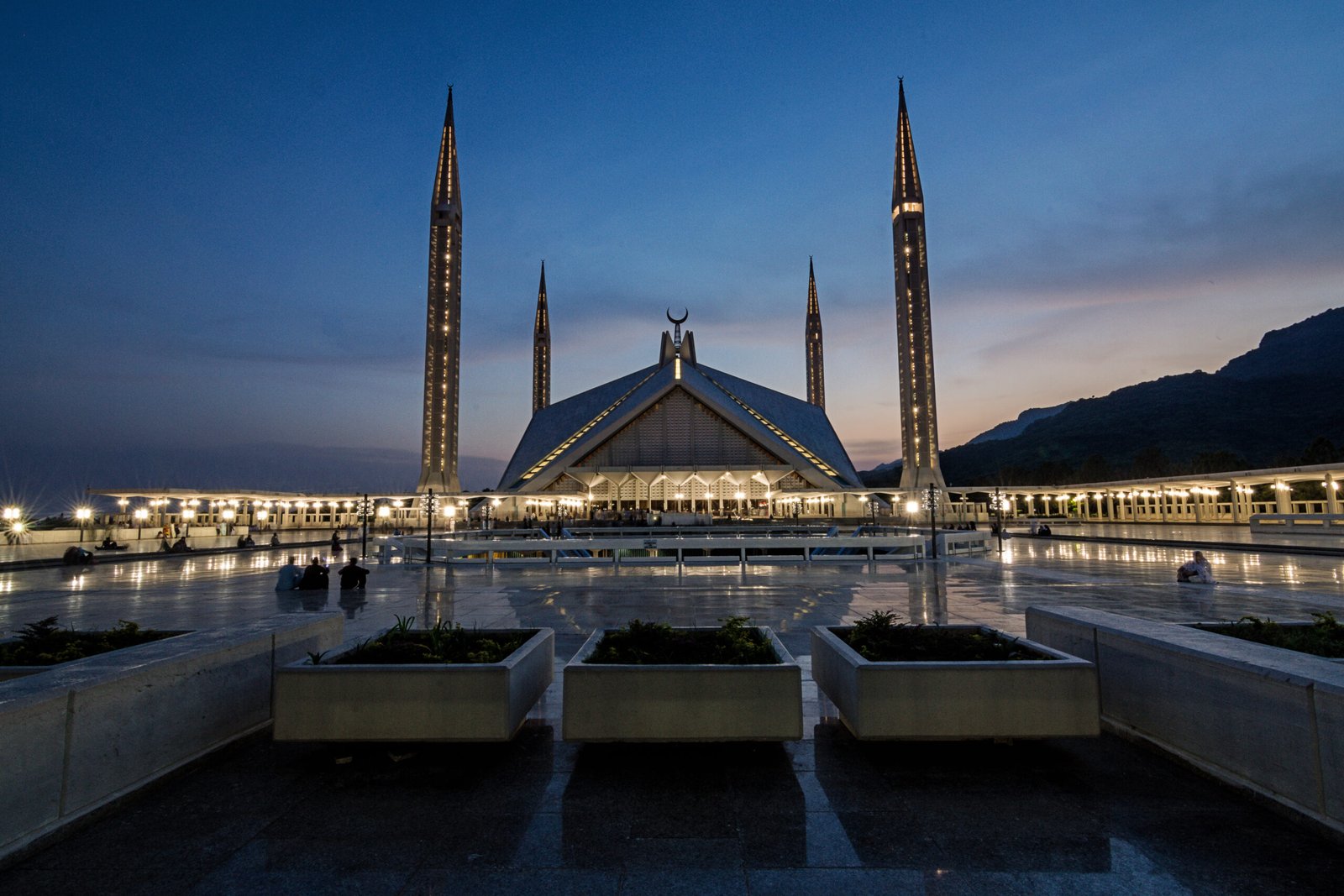
Islamabad, the capital, is widely considered one of the safest cities in the country for tourists. It’s modern and well-planned, with clean streets, wide roads, and a strong, visible security presence — all of which make it a comfortable starting point for first-time visitors.
Faisal Mosque, Daman-e-Koh, and Margalla Hills National Park are the main draws, backed up by good hotels, international restaurants, and modern shopping malls.
Lahore
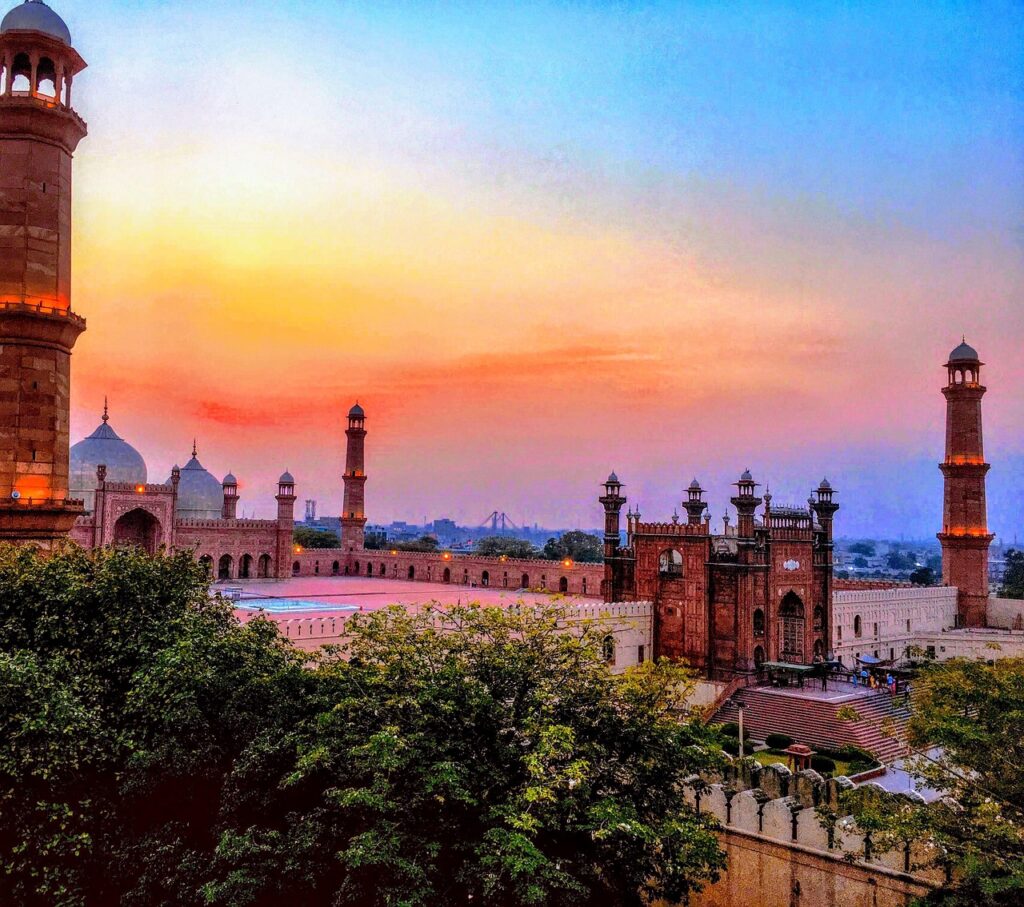
Lahore, the country’s cultural centre, is relatively safe for tourists, particularly around its well-known historical and commercial districts. Badshahi Mosque, Lahore Fort, and the Walled City draw large numbers of visitors year-round, with no major safety concerns currently reported in these areas.
A visible police presence in tourist zones, combined with the city’s well-earned reputation for hospitality, makes Lahore a secure destination for anyone interested in history and culture.
Karachi
Karachi is Pakistan’s largest city, and while some selectivity about neighbourhoods is worth exercising, several areas are genuinely tourist-friendly. Clifton, Defence (DHA), and Saddar offer beaches, museums, restaurants, and markets, all well served by reputable hotels and reliable transport.
With basic precautions — the same you’d take in any large city — Karachi is generally considered both safe and rewarding to visit.
Hunza Valley
Hunza is consistently described as one of the most peaceful regions in the country, known as much for the honesty and warmth of its people as for its mountain scenery. Travellers regularly report feeling comfortable walking through villages even after dark, and low crime rates make it a solid choice for solo travellers, couples, and families alike.
Skardu
Skardu has developed rapidly into a well-organised northern destination that’s generally considered secure. Because the local economy depends heavily on tourism, both authorities and communities have strong incentives to maintain stability and keep the region welcoming.
Lakes, valleys, and mountains are all accessible here with reasonable precautions and attention to local travel guidance.
Murree
Murree, one of the country’s most popular hill stations, benefits from its proximity to Islamabad, which makes for easier security management and access. Good roads, established hotels, and solid tourist infrastructure back this up.
It gets crowded during peak season, but that’s a comfort issue rather than a safety one — Murree remains a reliable choice for cool weather and scenic views.
Swat Valley
Swat, often called the “Switzerland of Pakistan,” has gone through a genuine safety transformation over the past decade. Security checkpoints and local tourism-protection initiatives have restored visitor confidence, and spots like Mingora, Malam Jabba, and Kalam now see steady family tourism year-round.
Neelum Valley
Neelum Valley, in Azad Kashmir, is one of the more serene and secure regions for nature-focused travel. Its economy’s reliance on tourism, combined with genuinely calm surroundings and supportive local communities, makes it a strong option for a quiet, low-stress trip.
Gilgit
Gilgit serves as the main gateway to the north and is considered safe and accessible, with the services, markets, and road connections travellers need. Locals here are accustomed to hosting visitors, which tends to translate into a genuinely comfortable stay.
Chitral — Remote and Among the Top Safest Tourist Destinations Pakistan Offers
Chitral, remote and culturally distinct, has a low crime rate and a reputation for hospitality that makes it one of the more peaceful destinations on this list. Colourful cultural festivals and dramatic mountain landscapes round out the appeal.
Safety Tips for Traveling in Pakistan
Even in the safest regions, a few basic practices go a long way: check weather and road conditions before heading into mountainous areas, use reliable transportation, avoid unnecessary night travel in unfamiliar places, respect local customs, and stay in reputable hotels. Following local authorities’ current guidance, especially in the north, further reduces risk.
Conclusion: The Top Safest Tourist Destinations Pakistan Has to Offer
Pakistan offers a genuinely wide range of secure, welcoming destinations for travellers interested in its natural beauty and cultural heritage. From modern cities like Islamabad to calm northern valleys like Hunza and Neelum, the country has made real, sustained progress on tourist safety. As with travel anywhere, conditions can change, so it’s worth checking current guidance before you go — but with reasonable planning and basic precautions, these destinations generally offer a safe and rewarding way to see the country.
FAQs – Safe Travel in Pakistan
1. Is Pakistan safe for tourists in general?
The major tourist destinations covered here are generally considered safe, especially with reasonable planning and awareness of current local conditions.
2. Is northern Pakistan safer than the big cities?
Both are generally safe for tourists — the north tends to have lower crime rates, while cities like Islamabad and Lahore benefit from stronger, more visible security infrastructure.
3. What’s the safest city in Pakistan for a first-time visitor?
Islamabad is usually recommended as a first stop, given its modern infrastructure, strong security presence, and ease of access to other destinations.
A traveler and storyteller who has personally visited several of Pakistan’s northern destinations and continues to explore more of the country every year. Adeel started Top Places in Pakistan to share honest, well-researched travel guides that help both local and international visitors plan trips with confidence. Read more about Adeel →

Adeel Ahmad is a Pakistan-based travel writer and the founder of Top Places in Pakistan, a travel guide dedicated to showcasing the country’s most stunning destinations. Born and raised in Lahore, Adeel has a deep love for Pakistan’s diverse landscapes — from the towering peaks of Hunza and Skardu to the lush valleys of Swat and the historic streets of Lahore. His mission is to inspire travelers to explore Pakistan’s natural beauty, rich culture, and hidden wonders through well-researched, authentic, and easy-to-follow travel guides.