
The Significance of K2 and Its Base Camp
K2 is the second-highest mountain in the world, standing as a symbol of strength and challenge. Unlike other famous peaks, it has a reputation for being extremely difficult to climb, which adds to its mystique. The base camp, located at the foot of this massive mountain, serves as a meeting point for climbers and trekkers from around the world. The importance of the base camp goes beyond mountaineering. It represents a gateway to understanding the scale and power of nature. The surrounding environment, including glaciers and neighboring peaks, creates a dramatic landscape that leaves a lasting impression on anyone who visits. For many, reaching the base camp is a personal achievement. It requires physical effort, mental strength, and a willingness to step outside of comfort zones. The journey is demanding, but the reward is an experience that few places on earth can offer.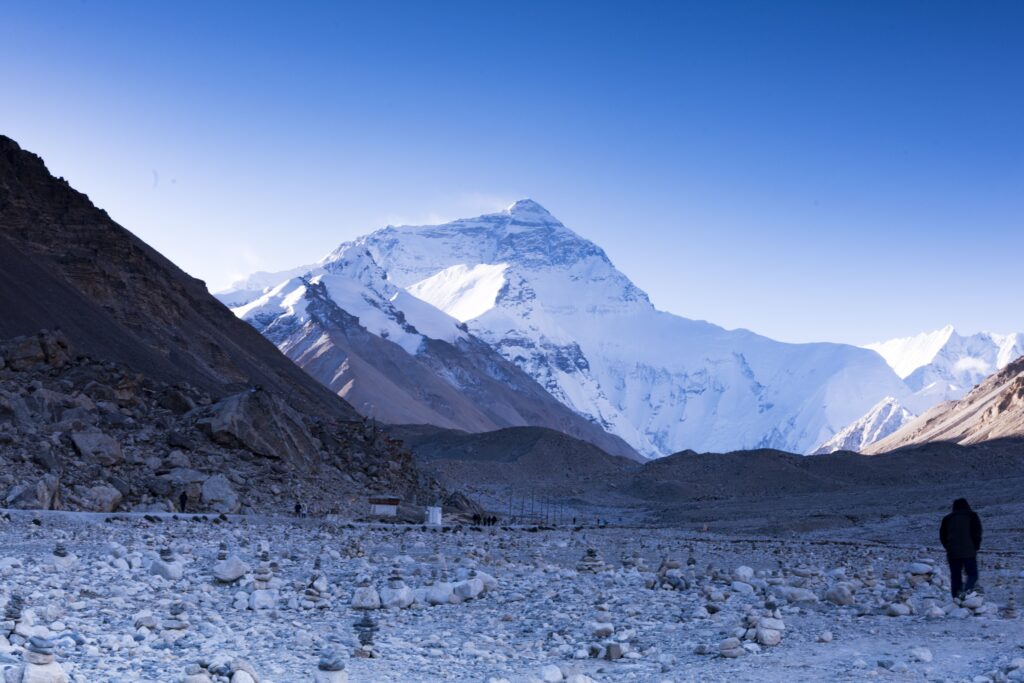
The Trekking Experience and Route Overview
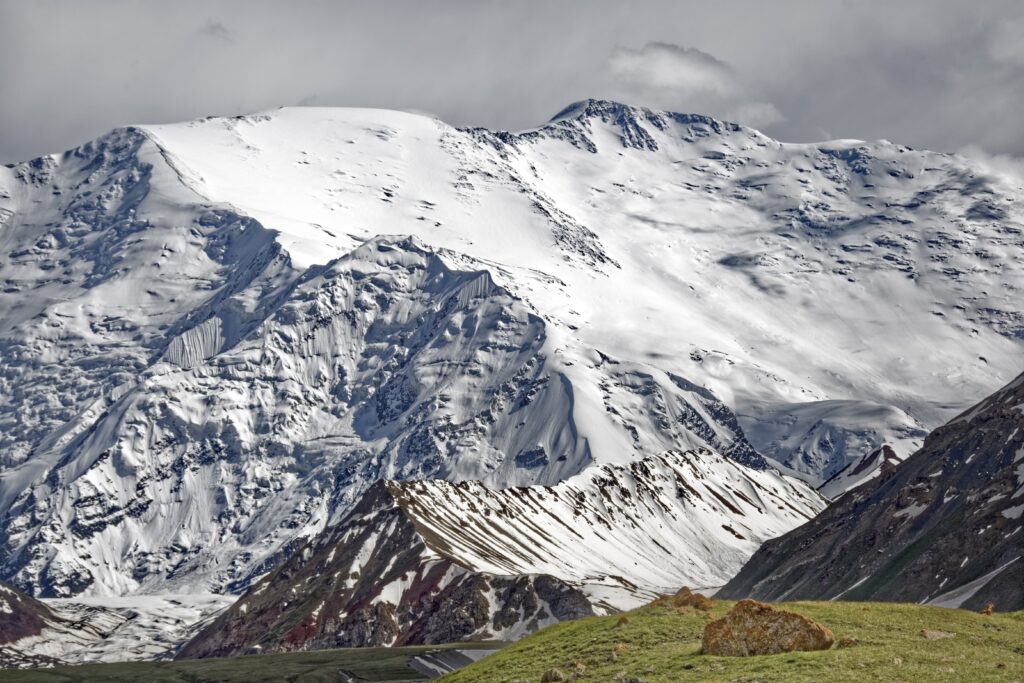
The trek to the base camp typically begins from Skardu, a town that acts as the main hub for expeditions in the region. From there, travelers move towards Askole, which marks the starting point of the trek. The route then follows the Baltoro Glacier, one of the longest glaciers outside the polar regions. This journey is often referred to as the K2 Base Camp trek and is known for its diverse landscapes. Trekkers pass through rocky paths, icy terrain, and wide open valleys. Along the way, they encounter iconic locations such as Concordia, often called the “Throne Room of the Mountain Gods,” where several of the world’s highest peaks are visible — arguably the single most photographed viewpoint on the entire K2 Base Camp Pakistan trek. Each day of the trek presents new challenges and rewards. The altitude gradually increases, making acclimatization an important part of the journey. Despite the physical demands, the sense of achievement grows with every step. The experience is not just about reaching the base camp but about embracing the entire journey through one of the most stunning regions on earth.
Natural Beauty and Unique Landscape
The Karakoram region is known for its dramatic and untouched beauty. Massive peaks rise sharply into the sky, creating a skyline that feels both powerful and peaceful. Glaciers stretch across the land, reflecting sunlight and adding to the visual impact of the surroundings. This area offers something truly different from typical travel destinations. There are no crowded streets or commercial attractions. Instead, visitors find silence, space, and a deep connection with nature. Wildlife in the region is rare but fascinating. You may encounter species adapted to extreme conditions, adding another layer of interest to the journey. The combination of high-altitude terrain, unique geology, and remote location makes this landscape one of the most remarkable in the world.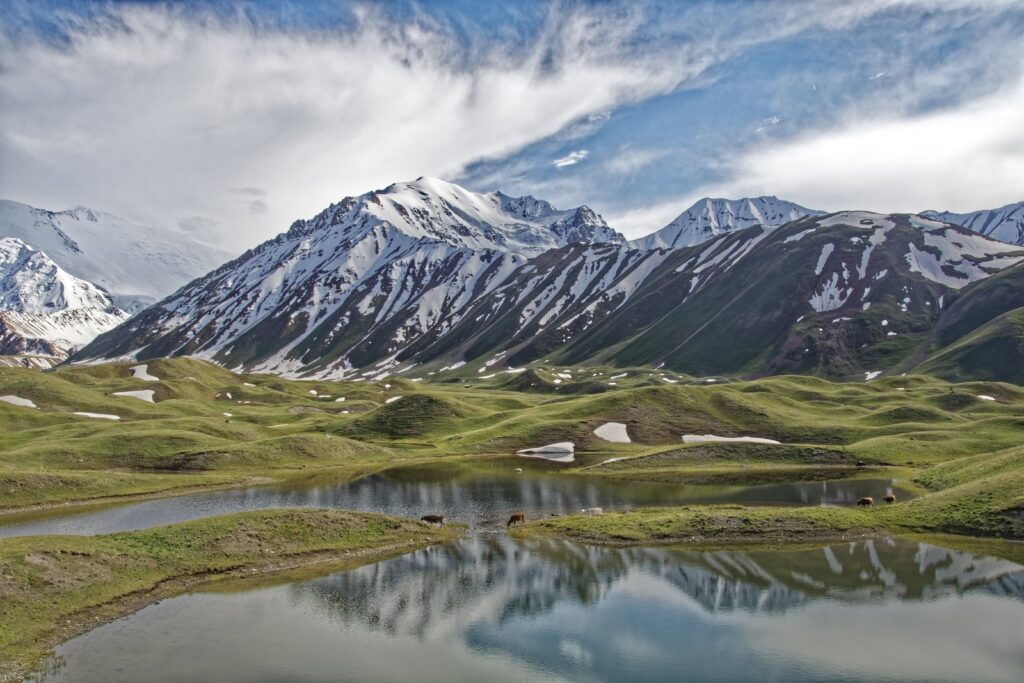
Preparation and Essential Tips for Travelers
Preparing for this journey requires careful planning. The remote nature of the region means that travelers must be self-sufficient and well-prepared. Physical fitness is essential, as the trek involves long days of walking over challenging terrain. Proper gear is equally important. Warm clothing, sturdy trekking shoes, and reliable equipment can make a significant difference in comfort and safety. Since the weather can change quickly, being prepared for different conditions is crucial. Many travelers rely on experienced local guides for this kind of remote trek. These professionals help manage logistics, ensure safety, and provide valuable knowledge about the region. They also assist with permits and coordination, making the journey smoother and more organized. Acclimatization should not be overlooked. Taking time to adjust to higher altitudes reduces the risk of altitude sickness and allows you to fully enjoy the experience. Hydration, rest, and a steady pace are key factors in completing any K2 Base Camp Pakistan expedition successfully.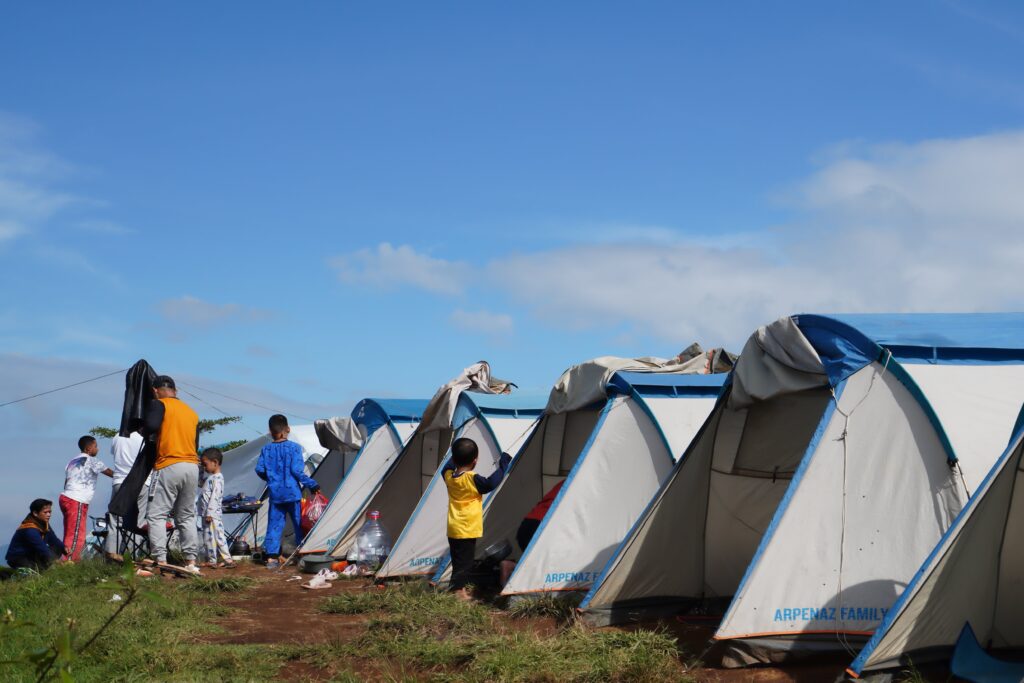
Cultural Experience and Local Communities
While the focus is often on the mountains, the cultural aspect of the journey adds depth to the experience. The region is home to small communities that have adapted to life in extreme conditions. Their traditions, hospitality, and way of life offer valuable insights into a different world. Travelers often pass through villages where they can interact with locals and learn about their daily lives. These moments create meaningful connections and provide a deeper understanding of the region beyond its natural beauty. The combination of cultural exposure and natural exploration makes the journey more enriching. It is not just about the destination but also about the people and stories encountered along the way.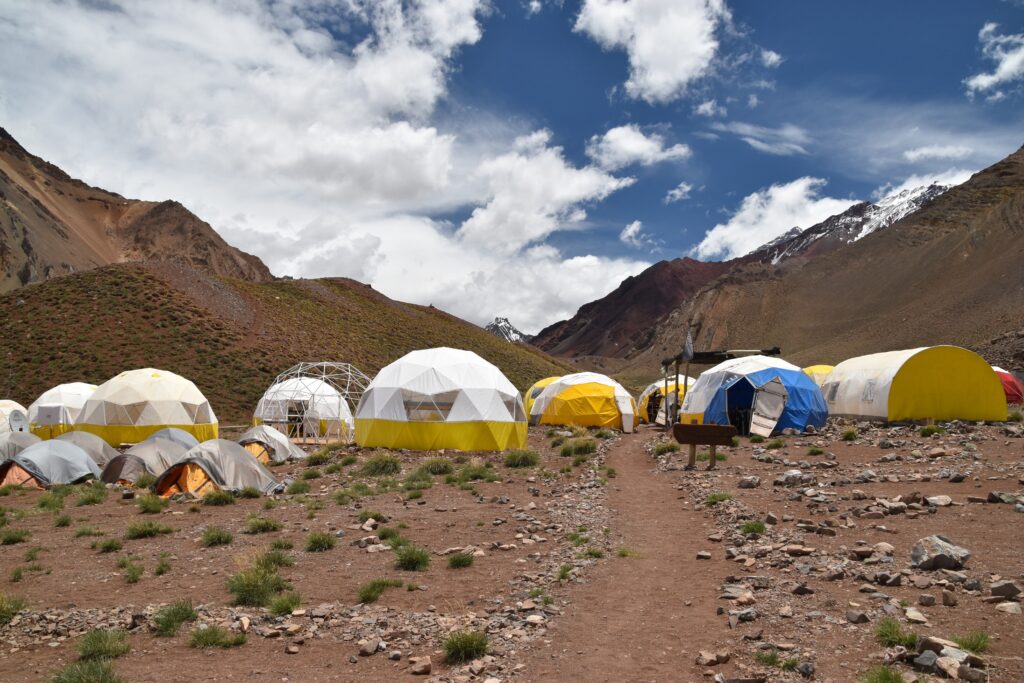
Getting to K2 Base Camp Pakistan: How to Reach the Starting Point
Most journeys begin with a flight or road trip to Skardu, the gateway town for expeditions into the Karakoram. Flights from Islamabad to Skardu are the fastest option when weather allows, cutting what would otherwise be a long overland journey down to about an hour in the air — though flights are weather-dependent and can be delayed or cancelled with little notice. The overland route via the Karakoram Highway takes considerably longer but offers its own dramatic scenery along the way. From Skardu, a jeep transfer takes trekkers to Askole, the last village before the trek proper begins, following unpaved mountain roads that add several more hours to the journey — one of the more grounding parts of any K2 Base Camp Pakistan itinerary before the trekking even starts.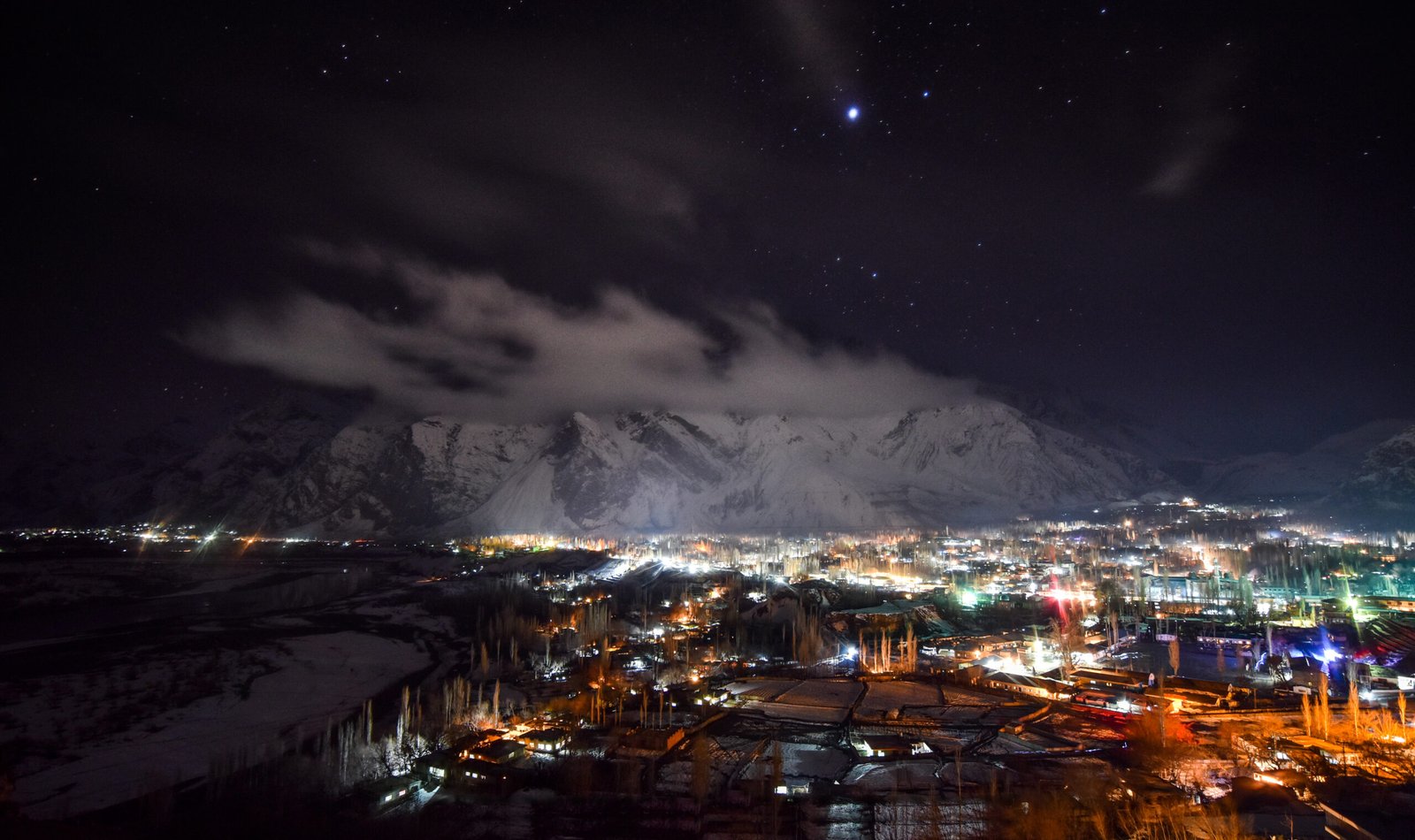
Permits and Costs
Trekking in this region typically requires permits arranged through a registered tour operator, since the route passes through restricted zones near the border and involves coordination with local authorities. Costs vary significantly depending on group size, trek duration, and the level of support (porters, cooks, guides) included, with most travelers booking through an operator that bundles permits, staffing, and logistics into a single package rather than arranging each piece independently. Budgeting for gear rental or purchase, travel insurance that covers high-altitude trekking, and a buffer for weather delays is worth factoring in alongside the core K2 Base Camp Pakistan trek cost.Best Time to Visit
The ideal time to undertake this journey is during the summer months, typically from June to September. During this period, the weather is relatively stable, and the trekking routes are more accessible. Outside of this window, conditions become extremely harsh, with heavy snowfall and limited accessibility. Planning your K2 Base Camp Pakistan trip during the recommended season ensures a safer and more enjoyable experience.FAQs
1. How difficult is the trek to K2 Base Camp?
The trek is considered challenging and requires a good level of physical fitness. It involves long walking hours, uneven terrain, and high altitudes. With proper preparation and pacing, many people successfully complete it, though prior trekking experience helps.
2. What is the best time to visit K2 Base Camp?
June to September, when weather is relatively stable and trekking routes are most accessible.
3. Do I need a guide for the trek?
While technically possible to trek independently, hiring a local guide is highly recommended given how remote and difficult to navigate the region is.
4. What kind of accommodation is available during the trek?
Accommodation is in the form of camps — trekkers stay in tents set up at designated points along the route, providing basic facilities and a place to rest after long days of walking.
5. Is the trek safe for international travelers?
Yes, generally, especially when organized through a reputable tour operator and with proper planning, acclimatization, and an experienced team.
Getting Fit for the Trek
Because the trek involves multiple consecutive days of walking at altitude, general fitness matters more than any single specialized skill. Building cardiovascular endurance in the months before the trip — hiking, running, or cycling — makes a noticeable difference in how the days feel once you’re out there. Carrying a loaded daypack on training walks helps condition your legs and shoulders for the real thing, and some prior experience at moderate altitude, even if it’s a shorter trek elsewhere, helps you gauge how your body responds before committing to a multi-week expedition at much higher elevation.Conclusion
The journey to K2 Base Camp Pakistan is more than just a trek. It is an experience that combines adventure, natural beauty, and cultural discovery. From the towering peaks to the quiet valleys, every moment offers something unique. For those seeking a true adventure, far from the usual tourist paths, this destination provides an unforgettable experience — one that challenges you physically while rewarding you with views and memories that stay for a lifetime.You May Also Like
Discover Hunza Valley
Best Trekking Places in Pakistan
Top Safest Tourist Destinations Pakistan
A traveler and storyteller who has personally visited several of Pakistan’s northern destinations and continues to explore more of the country every year. Adeel started Top Places in Pakistan to share honest, well-researched travel guides that help both local and international visitors plan trips with confidence. Read more about Adeel →

Adeel Ahmad is a Pakistan-based travel writer and the founder of Top Places in Pakistan, a travel guide dedicated to showcasing the country’s most stunning destinations. Born and raised in Lahore, Adeel has a deep love for Pakistan’s diverse landscapes — from the towering peaks of Hunza and Skardu to the lush valleys of Swat and the historic streets of Lahore. His mission is to inspire travelers to explore Pakistan’s natural beauty, rich culture, and hidden wonders through well-researched, authentic, and easy-to-follow travel guides.