
Looking for the top hiking trails and mountains in Pakistan? Pakistan sits at the meeting point of three of the world’s great mountain ranges — the Himalayas, the Karakoram, and the Hindu Kush — and holds five of the fourteen peaks on Earth above 8,000 metres. That combination makes it one of the most serious hiking and mountaineering destinations anywhere, with routes ranging from gentle valley walks to some of the hardest technical climbs in the world.
This guide covers the country’s standout trails and mountain regions, from beginner-accessible meadows to expert-only glacier routes, along with what to know before you go.
The Karakoram and K2 — One of the Top Hiking Trails and Mountains in Pakistan for Experts
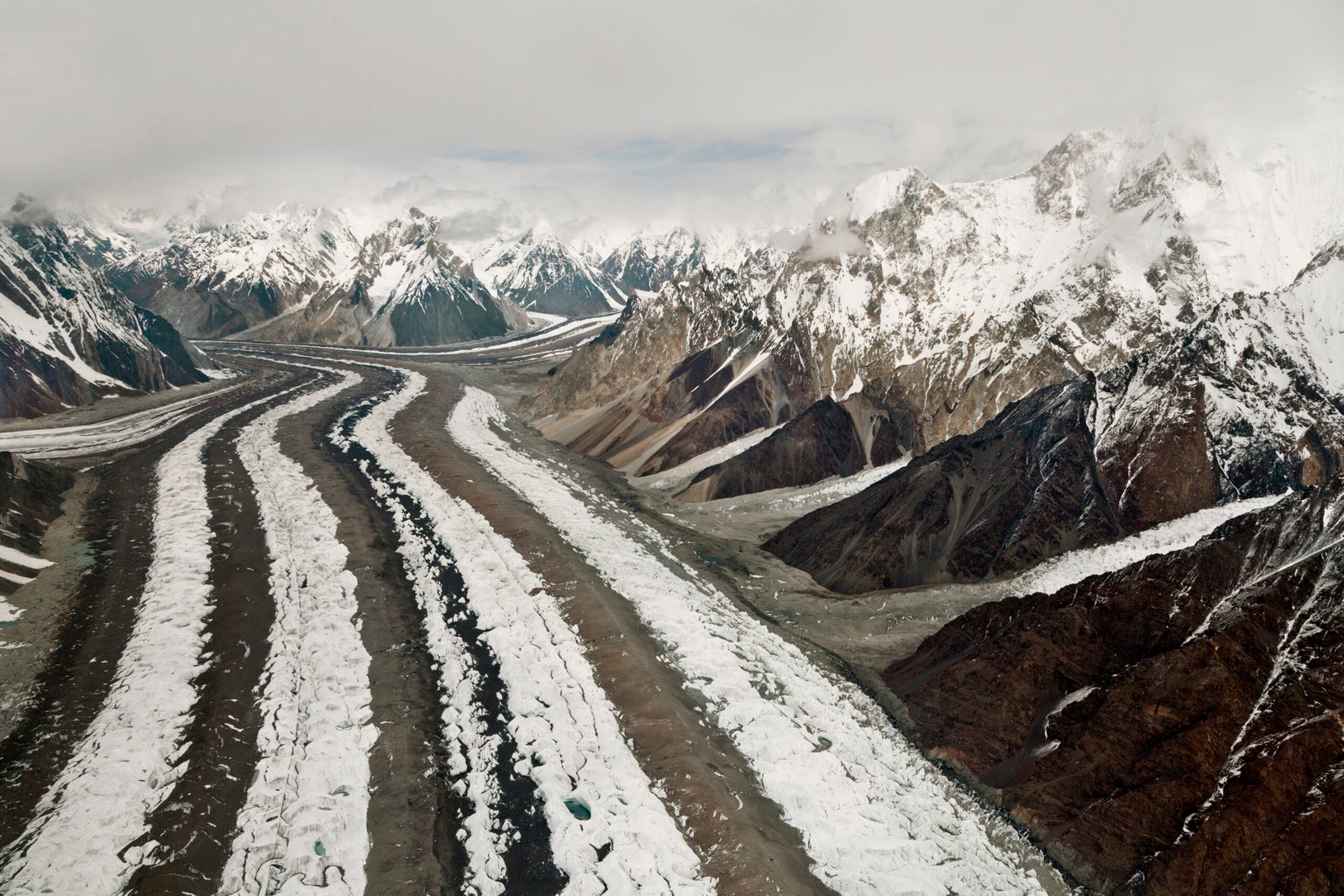
The Karakoram range holds some of the most demanding terrain on the planet, and the trek to K2 Base Camp is its signature route. K2, the second-highest mountain in the world, draws serious trekkers and elite climbers alike, with the route running along the Baltoro Glacier — one of the longest glaciers outside the polar regions.
Along the way, the route passes Broad Peak, Gasherbrum I, and Gasherbrum II, culminating at Concordia, where several of the world’s highest peaks come into view at once. This is expert territory — long days, high altitude, and genuine isolation. Our full K2 Base Camp trekking guide covers permits, logistics, and preparation in detail.
Nanga Parbat and Fairy Meadows – Accessible Mountain Beauty
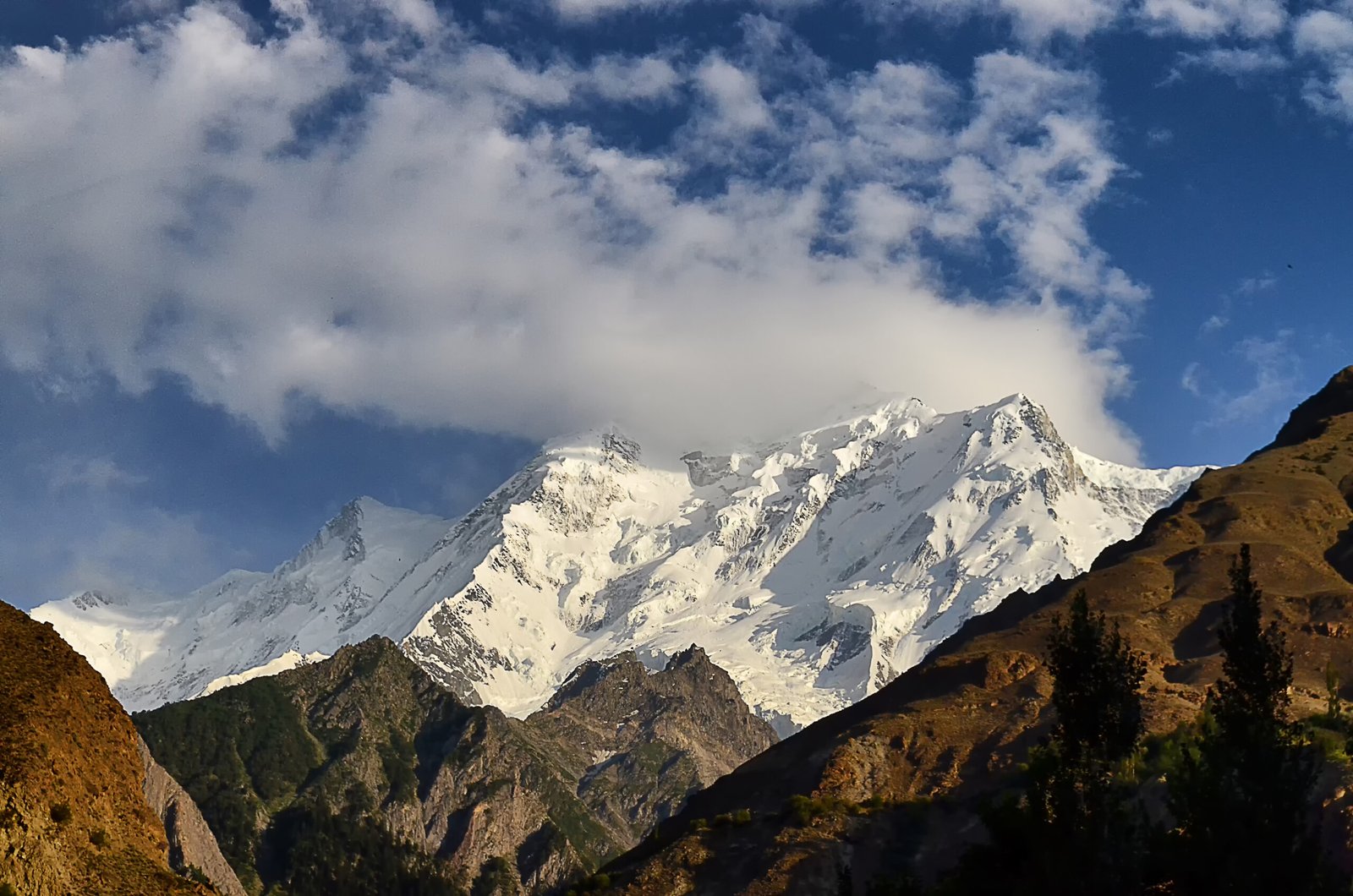
Nanga Parbat, the ninth-highest mountain in the world, earned the nickname “Killer Mountain” for its dramatic and difficult climbing history — but not everything at its base requires that level of commitment. Fairy Meadows, sitting directly beneath the peak, offers one of the more accessible mountain experiences in the country.
The trek in passes through pine forest and green pasture to wooden cabins with a direct view of the mountain, and it’s graded moderate rather than technical — a good fit for intermediate hikers or fit beginners who want serious scenery without a climbing background. Our complete Fairy Meadows guide covers the trek and logistics.
Hunza Valley – Scenic Treks with Cultural Immersion
Hunza combines hiking with genuine cultural depth — snow-covered peaks and turquoise lakes alongside centuries-old villages. The Rakaposhi Base Camp trek, the Passu Glacier trek, and the viewpoints around Ultar Sar are the standout routes here.
Hunza also has the best tourism infrastructure of any trekking region in the north, which makes it a comfortable starting point for international visitors new to trekking in Pakistan. Beyond the trails, old forts, local cuisine, and the region’s well-known hospitality round out the visit.
Skardu – Gateway to High-Altitude Adventures
Skardu functions as the launch point for most Karakoram expeditions, including K2. Beyond expedition logistics, it’s also a destination in its own right, with access to Deosai Plains, Shangrila Lake, and hikes around Satpara Lake.
It’s genuinely a hub rather than a single trail — most trekkers heading into the deeper Karakoram pass through Skardu first, restocking supplies and arranging permits before continuing on. Our Skardu travel guide covers the town and its surrounding sights.
Deosai Plains – The Land of Giants
Deosai National Park, one of the highest plateaus in the world, offers a completely different kind of hiking — wide open terrain rather than steep ascents. In summer, the plains fill with wildflowers, and the Himalayan brown bear is a genuine (if rare) sighting.
This is easy-to-moderate hiking territory, well suited to wildlife photography, camping, and generally slower-paced exploration rather than summit pushes.
Why International Hikers Are Increasingly Choosing Pakistan
Interest in Pakistan’s trekking routes has grown steadily in recent years, largely because the terrain still delivers what better-known ranges elsewhere have lost to crowding — untouched landscapes, lower costs, and genuine isolation on trails that would be packed in Nepal or elsewhere in the Himalayas. The diversity of terrain, from glacier routes to open plateaus, and the cultural richness of the mountain communities along the way add another layer that’s harder to find on more commercialised trekking circuits.
Essential Tips for Hiking in Pakistan
Best time to visit: May through September, when weather is most stable across the northern trekking regions.
Hire local guides: For longer or technical routes, an experienced local guide materially improves both safety and navigation.
Pack properly: Mountain boots, thermal layers, trekking poles, navigation tools, and a basic first-aid kit are the essentials — don’t assume you can improvise once you’re on the trail.
Respect the environment: Pack out what you bring in, and be mindful of local customs in the villages you pass through.
Safety and Accessibility
The major trekking regions — Hunza, Skardu, and Fairy Meadows — are generally considered safe for visitors who plan properly, and tourism infrastructure across the north has improved significantly in recent years. Higher-altitude, more remote routes like K2 Base Camp demand more serious preparation and are best done through a registered tour operator rather than independently.
Conclusion: Top Hiking Trails and Mountains in Pakistan
From K2’s demanding glacier routes to the open plateaus of Deosai and the gentler trails around Hunza and Fairy Meadows, Pakistan’s mountains offer something for nearly every level of hiker. With the right season, proper gear, and realistic expectations about difficulty, it’s one of the more rewarding trekking destinations left that hasn’t been overrun by crowds.
FAQs – Hiking and Trekking in Pakistan
1. What’s the best hiking route in Pakistan for beginners?
Fairy Meadows and the trails around Hunza Valley are the most accessible, offering serious mountain scenery without technical climbing.
2. Do I need a permit to trek in Pakistan?
Routes near restricted border zones, including K2 Base Camp, require permits typically arranged through a registered tour operator.
3. When is the best time to hike in northern Pakistan?
May through September offers the most stable weather and best trail access across nearly all of the country’s major routes.
A traveler and storyteller who has personally visited several of Pakistan’s northern destinations and continues to explore more of the country every year. Adeel started Top Places in Pakistan to share honest, well-researched travel guides that help both local and international visitors plan trips with confidence. Read more about Adeel →

Adeel Ahmad is a Pakistan-based travel writer and the founder of Top Places in Pakistan, a travel guide dedicated to showcasing the country’s most stunning destinations. Born and raised in Lahore, Adeel has a deep love for Pakistan’s diverse landscapes — from the towering peaks of Hunza and Skardu to the lush valleys of Swat and the historic streets of Lahore. His mission is to inspire travelers to explore Pakistan’s natural beauty, rich culture, and hidden wonders through well-researched, authentic, and easy-to-follow travel guides.