
Looking for the most significant historical forts in Pakistan? Pakistan’s history reads through its forts almost as clearly as through any textbook — Mughal palaces built for grandeur, desert strongholds built for trade routes, and mountain fortresses built to hold entire valleys. Each one tells a different story about who ruled, who resisted, and what mattered enough to defend.
This guide covers eight of the country’s most significant forts, from Lahore’s UNESCO-listed centrepiece to a fortress in the Cholistan Desert with 40 bastions rising out of the sand.
Lahore Fort
Also known as Shahi Qila, Lahore Fort represents the high point of Mughal architecture in the country. Reconstructed under Emperor Akbar in the 16th century, it houses the Sheesh Mahal (Palace of Mirrors), the Naulakha Pavilion, and the imposing Alamgiri Gate — each showing off the marble inlay work and mirror mosaics the Mughals were known for.
UNESCO listed the fort as a World Heritage Site in 1981, and it remains the most visited and best-preserved of the country’s Mughal-era forts. For heritage and conservation details, the Walled City of Lahore Authority maintains detailed information on the site.
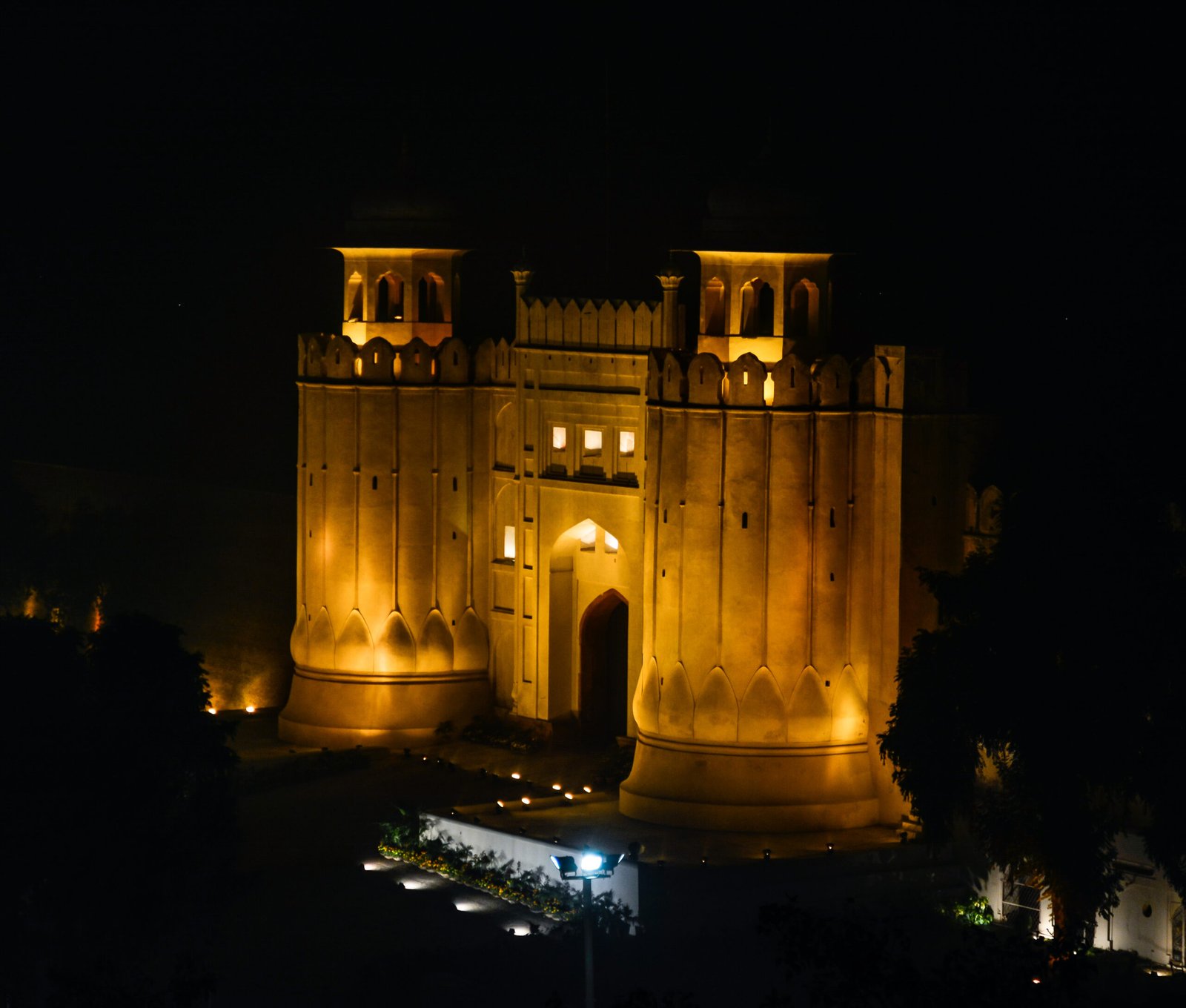
Rohtas Fort
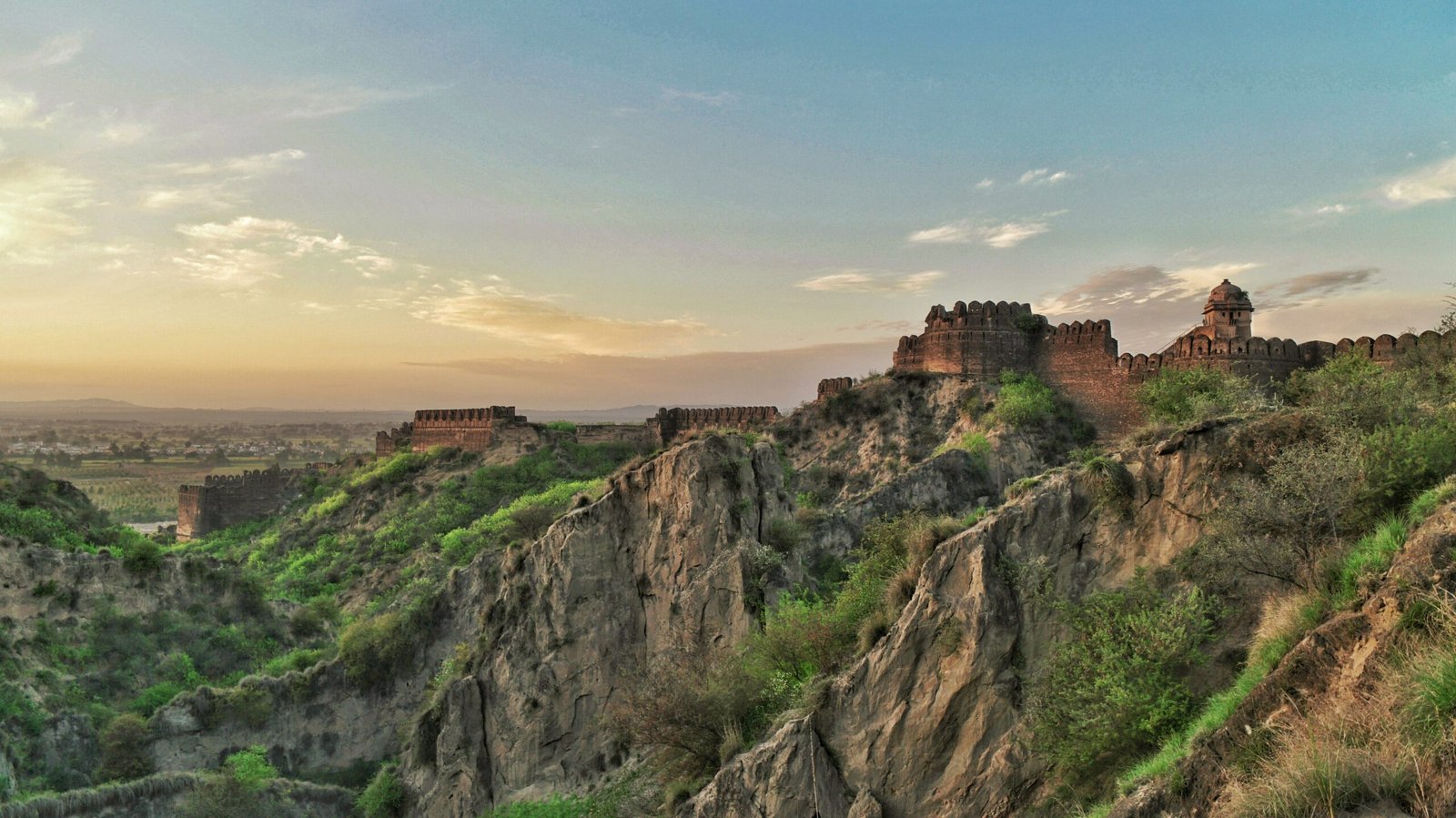
Rohtas Fort, near Jhelum, was built by Sher Shah Suri in the 16th century for one purpose: to block the Mughal emperor Humayun’s return to power. Where Lahore Fort is about splendour, Rohtas is about pure military engineering — 12 grand gates, massive stone walls, and strategic watchtowers built to withstand a siege.
The blend of Afghan and Islamic architectural styles here is distinct from anything else on this list, and it’s also a UNESCO World Heritage Site, recognised as one of the best-preserved defensive forts in South Asia.
Derawar Fort
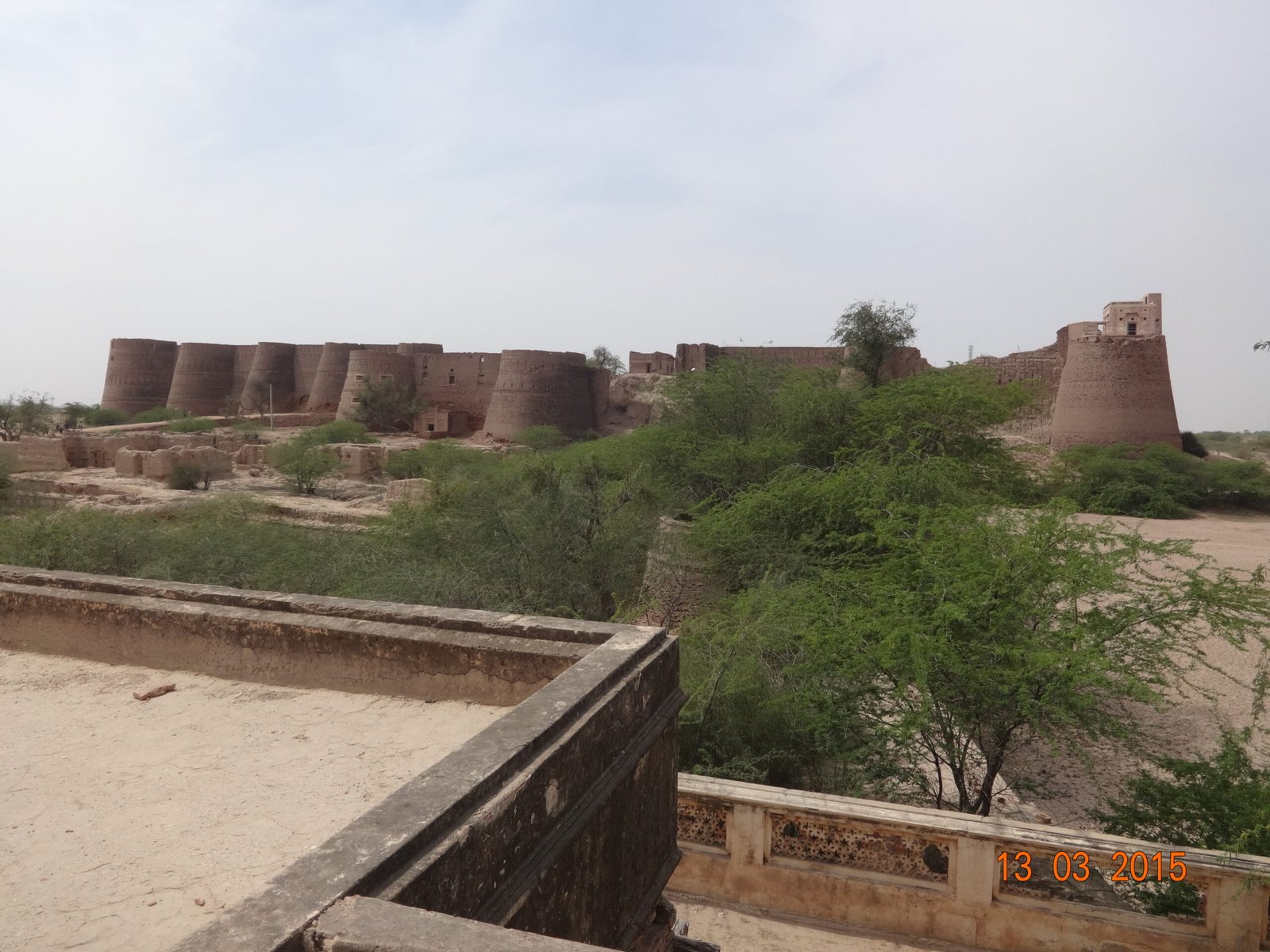
Derawar Fort rises out of the Cholistan Desert with 40 massive bastions visible from miles away — one of the more striking sights in the country, especially at sunset when the desert light turns the sandstone gold. Originally built in the 9th century and later reconstructed by the Abbasi family, it once guarded ancient desert trade routes.
Visiting Derawar means committing to a proper desert trip — it’s remote, and the drive in is part of the experience. Few forts anywhere combine this scale with this level of isolation.
Baltit Fort — A Cornerstone Among Historical Forts in Pakistan
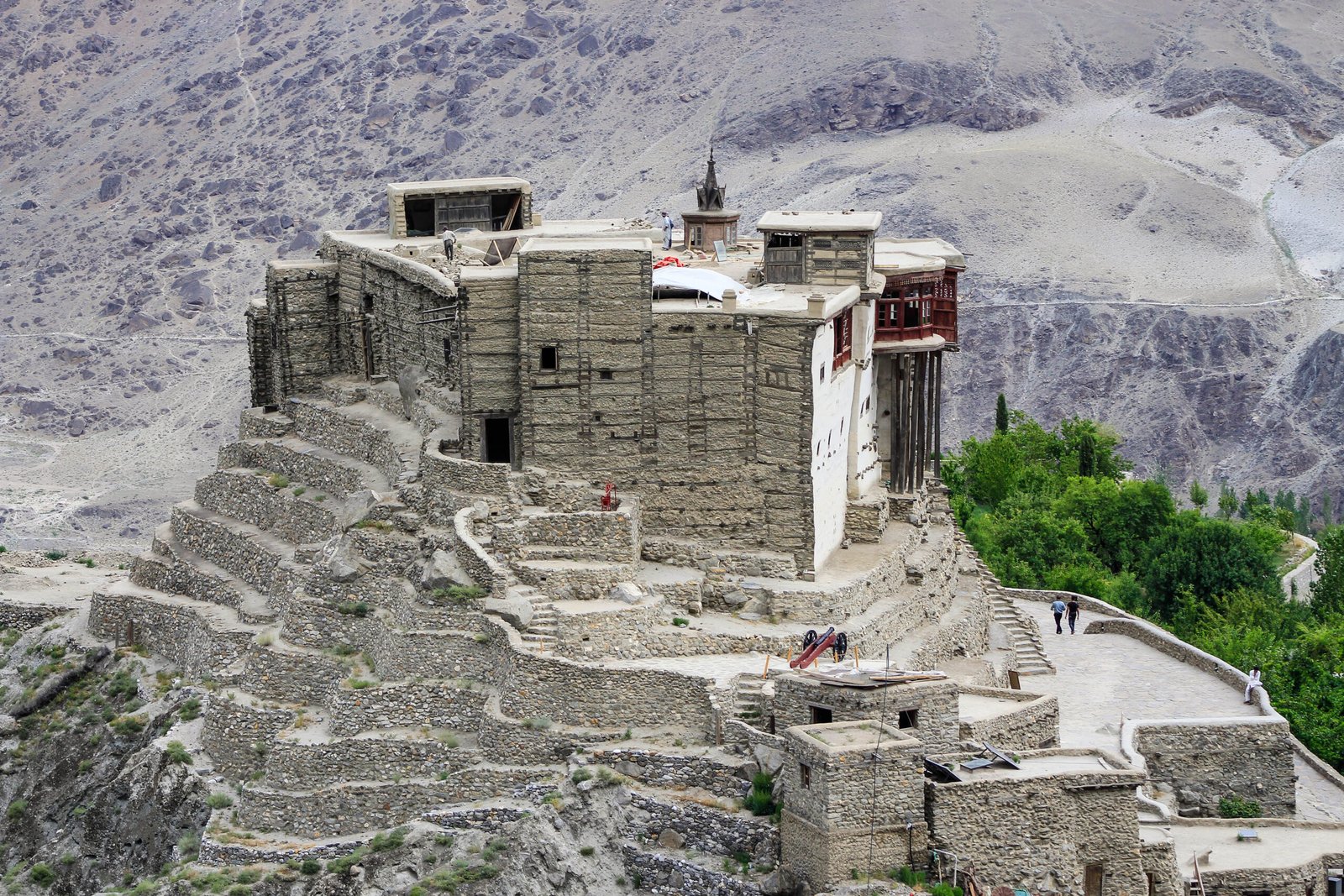
Baltit Fort, in Hunza Valley, is over 700 years old and shows clear Tibetan and Central Asian architectural influence — a reminder of how much this region’s history connects to Central Asia rather than the Mughal world further south. Perched on a hilltop, it commands sweeping views across the valley and surrounding peaks.
Once the residence of the Mir of Hunza, it now operates as a museum, and remains one of the most visited sites in the northern areas thanks to both its history and its setting.
Altit Fort
Altit Fort, also in Hunza, predates Baltit by roughly two centuries — over 900 years old, built on a cliff directly above the Hunza River as the original seat of Hunza’s rulers. After a careful restoration project, it’s now an important cultural site offering a genuine look at traditional life in the region before Baltit was even built.
Together, Baltit and Altit form one of the most complete mountain-fort complexes anywhere in the country, and pairing a visit to both makes for an easy, worthwhile day in Hunza.
Ranikot Fort
Ranikot Fort, often called the “Great Wall of Sindh,” is believed to be one of the largest forts in the world by wall length — stretching roughly 30 kilometres. Its exact origins are genuinely uncertain; historians believe it evolved gradually over centuries rather than being built in one campaign.
Smaller forts, including Meeri and Shergarh, sit within its boundaries. The sheer scale here is hard to appreciate from photos alone — it’s a destination that rewards actually standing inside its walls.
Umerkot Fort
Umerkot Fort holds a specific historical weight: it’s the birthplace of Mughal Emperor Akbar in 1542. Built from red sandstone, the fort blends Islamic and Rajput architectural styles, and now houses a museum with Mughal-era artifacts on display.
It’s one of the more historically symbolic stops on this list — less about scale or defence and more about a single, specific moment in Mughal history.
Skardu Fort
Skardu Fort, also known as Kharpocho Fort, was built in the 16th century to defend the Skardu region and sits above the town with clear views over the Indus River and the surrounding valley. It’s partially in ruins now, but that hasn’t hurt its appeal — the combination of history and setting makes it a favourite stop for photographers passing through Skardu.
Planning a Fort-Focused Trip
These eight forts span the entire country, so realistically no single trip covers all of them. Lahore and Rohtas pair naturally together in Punjab; Baltit and Altit fit into any Hunza itinerary; Skardu Fort is an easy add-on to a broader Skardu trip; and Derawar, Ranikot, and Umerkot each require a more dedicated desert-and-Sindh-focused journey. Most sites charge a modest entry fee and are best visited earlier in the day, both for lighting and to avoid the heat at the desert forts especially.
Why These Forts Matter Beyond Tourism
Each of these sites preserves a distinct architectural tradition — Mughal, Afghan, Rajput, and Central Asian influences all show up across the list, often within a few hundred kilometres of each other. Heritage tourism to these sites also directly supports local economies and ongoing conservation work, which matters given how much upkeep structures this old genuinely require.
Conclusion: Historical Forts in Pakistan Worth Visiting
From the artistic detail of Lahore Fort to the sheer defensive scale of Rohtas and Ranikot, and the mountain settings of Baltit and Altit, Pakistan’s historical forts cover an unusually wide range of architectural styles and purposes in one country. Each one is worth visiting on its own terms, not just as a stop on a longer itinerary.
FAQs — Historical Forts in Pakistan
1. Which fort in Pakistan is the most famous?
Lahore Fort, given its UNESCO World Heritage status and its role as the country’s best-preserved Mughal-era fort.
2. Which fort is the oldest on this list?
Altit Fort in Hunza, at over 900 years old, predates the others by a significant margin.
3. Can these forts be visited year-round?
Punjab and Sindh forts (Lahore, Rohtas, Derawar, Ranikot, Umerkot) are accessible year-round, though summer heat is intense in the desert sites. Baltit, Altit, and Skardu Fort are best visited between April and October, outside the heaviest winter snow.
A traveler and storyteller who has personally visited several of Pakistan’s northern destinations and continues to explore more of the country every year. Adeel started Top Places in Pakistan to share honest, well-researched travel guides that help both local and international visitors plan trips with confidence. Read more about Adeel →

Adeel Ahmad is a Pakistan-based travel writer and the founder of Top Places in Pakistan, a travel guide dedicated to showcasing the country’s most stunning destinations. Born and raised in Lahore, Adeel has a deep love for Pakistan’s diverse landscapes — from the towering peaks of Hunza and Skardu to the lush valleys of Swat and the historic streets of Lahore. His mission is to inspire travelers to explore Pakistan’s natural beauty, rich culture, and hidden wonders through well-researched, authentic, and easy-to-follow travel guides.