
Hill Stations

Discover the most beautiful hill stations in Pakistan, known for their cool weather, green landscapes, and peaceful environment. Popular spots like Murree, Naran, and Swat attract visitors all year round. These destinations are ideal for escaping the heat, enjoying nature, and spending quality time with family and friends.

Best hill stations in Pakistan
Hill Stations

Best Hill Stations in Pakistan And Full Detailed Explanation

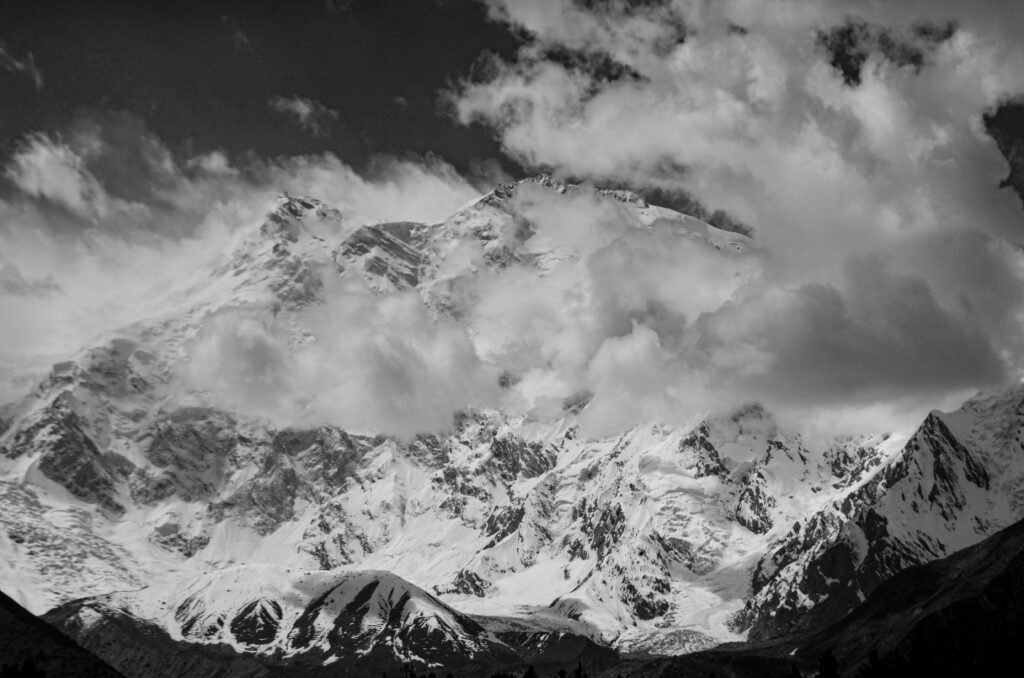
Best hill stations in Pakistan are blessed with some of the most beautiful mountain regions in the world. From green valleys to snow-covered peaks, the northern areas offer landscapes that feel untouched and peaceful. These breathtaking destinations make the Best hill stations in Pakistan a perfect choice for nature lovers and travelers seeking relaxation. Travelers from around the country and abroad visit these mountains to experience fresh air, natural beauty, and cultural richness. Many of these places are often included in lists of the Best hill stations in Pakistan because of their unique charm, weather, and scenic surroundings. Visiting the Best hill stations in Pakistan offers unforgettable memories, while exploring the Best hill stations in Pakistan gives you a chance to enjoy peaceful valleys and majestic mountains. Murree: Best hill stations in Pakistan Murree is one of the most famous and accessible hill stations in the country. Located near Islamabad, it has long been a popular weekend destination for families and tourists. Its pine-covered hills, cool climate, and lively atmosphere make it a classic travel spot. Mall Road is the heart of Murree, where visitors enjoy shopping, local food, and walking in the cool mountain air. During winter, snowfall transforms the area into a white landscape, attracting thousands of visitors. Despite being crowded, Murree continues to be a favorite due to its easy access and consistent charm. Swat Valley and Natural Elegance Swat Valley is often called the “Switzerland of Pakistan” because of its breathtaking natural beauty. The valley is filled with rivers, green fields, waterfalls, and tall mountains that create a peaceful environment. Mingora and Fizaghat are well-developed areas, while Kalam offers deeper natural beauty for adventure lovers. The region is also rich in culture and hospitality, making it one of the most memorable travel experiences in northern Pakistan. Naran Kaghan Valley and Scenic Adventures Naran and Kaghan valleys are among the most visited destinations in the northern region. These areas are known for their stunning rivers, mountains, and alpine lakes. Lake Saif-ul-Malook is the highlight of this region. Its deep blue water surrounded by snow-covered peaks creates a magical view. The journey to Naran is equally beautiful, with scenic stops and natural landscapes along the way. These valleys are especially popular in summer when the weather is pleasant and roads are open. Hunza Valley and Cultural Richness Hunza Valley is one of the most peaceful and culturally rich regions in northern Pakistan. Surrounded by majestic peaks like Rakaposhi, it offers a calm and inspiring environment. The valley is known for its friendly locals, historical forts like Baltit and Altit, and breathtaking views. Unlike many tourist spots, Hunza has a slow and peaceful lifestyle that attracts travelers seeking relaxation and cultural connection. Sunrise and sunset views in Hunza are especially famous, offering unforgettable scenery for visitors. Skardu and the Land of Majestic Mountains Skardu is a gateway to some of the highest mountains in the world, including K2. The region is known for its dramatic landscapes, crystal-clear lakes, and vast valleys. Shangrila Resort is one of the most famous spots here, often referred to as “Heaven on Earth.” Upper Kachura Lake and Deosai Plains add even more beauty to the region. Skardu is ideal for travelers who love adventure and untouched natural environments. Exploring Northern Areas of Pakistan Traveling to northern Pakistan requires planning due to changing weather conditions and road accessibility. The northern areas travel guide Pakistan helps travelers understand the best seasons, routes, and preparation needed for a smooth journey. Most destinations are best visited between May and September when the weather is favorable. During winter, some areas become difficult to access due to snow. Proper preparation, including warm clothing and travel essentials, is important for a comfortable trip. Hidden Hill Stations and Less Explored Places Apart from famous destinations, Pakistan also has hidden hill stations that are less crowded but equally beautiful. These places offer peace and a closer connection with nature. Regions like Fairy Meadows, Kumrat Valley, and Galiyat are becoming popular among nature lovers and adventure travelers. These areas require more effort to reach but reward visitors with raw and untouched beauty. Best Time for Traveling to Northern Regions The best time to explore northern areas depends on the type of experience you want. Summer is ideal for most regions due to open roads and pleasant weather. Spring brings fresh greenery and blooming flowers, while autumn offers golden landscapes. Winter is perfect for snowfall lovers, especially in places like Murree. Each season offers a different experience, making the northern regions enjoyable throughout the year. Travel Preparation and Safety Tips Proper planning is essential for a smooth travel experience in mountain regions. Booking accommodations in advance is recommended during peak seasons. Carrying essential items such as warm clothing, basic medicines, and snacks can make the journey more comfortable. Respecting local culture and keeping the environment clean is also important. These regions are naturally fragile, and responsible tourism helps preserve their beauty for future visitors. Conclusion The hill stations of Pakistan offer a unique blend of natural beauty, culture, and adventure. From the peaceful valleys of Hunza to the dramatic landscapes of Skardu, each destination has something special to offer. These places are not just travel spots but experiences that stay with you for life. Whether you are looking for relaxation, adventure, or cultural exploration, northern Pakistan has it all. You May Also Like Best Trekking Places in Pakistan K2 Base Camp Pakistan Travel Guide Exploring the Untamed Beauty of the North Adeel AhmadAdeel Ahmad is a Pakistan-based travel writer and the founder of Top Places in Pakistan, a travel guide dedicated to showcasing the country’s most stunning destinations. Born and raised in Lahore, Adeel has a deep love for Pakistan’s diverse landscapes — from the towering peaks of Hunza and Skardu to the lush valleys of Swat and the historic streets of Lahore. His mission is to inspire travelers to explore Pakistan’s natural beauty, rich culture, and hidden wonders through well-researched, authentic, and easy-to-follow

Best Hill Stations in Pakistan And Full Detailed Explanation Read Post »

Best Historical Places in Pakistan to Visit | Complete Travel & Heritage Guide
Hill Stations

Best Historical Places in Pakistan to Visit | Complete Travel & Heritage Guide

Best Historical Places in Pakistan to Visit Introduction Pakistan is a country rich in history, culture, and ancient civilizations that stretch back thousands of years. From the ruins of the Indus Valley Civilization to the magnificent Mughal forts and sacred religious sites, the historical places in Pakistan reflect a deep and diverse heritage. These landmarks showcase the influence of different empires, religions, and cultures that shaped the region over centuries. Exploring historical places in Pakistan is not just about sightseeing; it is about understanding the roots of South Asian civilization, architectural brilliance, and spiritual traditions. Each site tells a unique story of power, art, learning, and resilience. Whether you are a history enthusiast, a cultural traveler, or an explorer seeking meaningful destinations, Pakistan offers some of the most fascinating historical landmarks in the world. In this guide, we will explore the best historical places in Pakistan that every traveler should visit at least once. Mohenjo-Daro – The Lost City of the Indus Valley Civilization Mohenjo-Daro is one of the most significant archaeological sites in the world and stands as a proud symbol of ancient urban planning. Located in Sindh province, this ancient city dates back to around 2500 BCE and belonged to the Indus Valley Civilization. What makes Mohenjo-Daro unique among historical places in Pakistan is its advanced infrastructure. The city was built with baked brick houses, straight roads, covered drainage systems, and public baths. The famous Great Bath, believed to be used for ritual purification, highlights the civilization’s social and religious life. Walking through the ruins gives visitors a glimpse into a society that valued organization, hygiene, and engineering excellence. Recognized as a UNESCO World Heritage Site, Mohenjo-Daro remains one of the oldest and most impressive historical places in Pakistan, offering a direct connection to the origins of urban life. Taxila – Ancient Center of Learning and Buddhist Heritage Taxila is another jewel among the historical places in Pakistan, renowned for its role as a major center of education and culture in ancient times. Situated near Islamabad, Taxila flourished between the 6th century BCE and the 5th century CE. This historic city was once part of the Gandhara civilization and became famous for Buddhist learning. Scholars from China, Central Asia, and Greece traveled to Taxila to study philosophy, medicine, mathematics, and religion. The remains of Sirkap, Jaulian, and Mohra Moradu reveal monasteries, stupas, and beautifully carved sculptures. The Taxila Museum houses thousands of artifacts, including statues of Buddha, coins, jewelry, and ancient tools. For anyone interested in archaeology and spirituality, Taxila is one of the most educational historical places in Pakistan. Lahore Fort – The Glory of Mughal Architecture The Lahore Fort is one of the most iconic historical places in Pakistan and a masterpiece of Mughal architecture. Located in the heart of Lahore, this massive fort represents the artistic and political power of the Mughal Empire. Originally rebuilt by Emperor Akbar in the 16th century, the fort includes stunning structures such as Sheesh Mahal (Palace of Mirrors), Naulakha Pavilion, and Diwan-e-Aam. Intricate frescoes, marble carvings, and mirror work reflect the elegance of Mughal design. Situated next to the Badshahi Mosque, Lahore Fort is also a UNESCO World Heritage Site. It remains one of the most visited historical places in Pakistan, offering insight into royal life, imperial administration, and Islamic art. Makli Necropolis – The City of Tombs Makli Necropolis, located near Thatta in Sindh, is among the largest burial sites in the world and one of the most extraordinary historical places in Pakistan. Spanning several centuries from the 14th to the 18th century, Makli contains over one million tombs. The necropolis is the final resting place of kings, queens, saints, scholars, and governors. The tombs feature intricate stone carvings, Quranic inscriptions, and a blend of Islamic, Persian, and South Asian architectural styles. Declared a UNESCO World Heritage Site, Makli Necropolis offers a peaceful yet powerful experience. It is a reminder of Sindh’s rich spiritual and political past and stands out as one of the most culturally significant historical places in Pakistan. Rohtas Fort – A Masterpiece of Military Engineering Rohtas Fort is one of the strongest and most impressive military structures among historical places in Pakistan. Built in the 16th century by Sher Shah Suri, the fort is located near Jhelum in Punjab. Unlike Mughal forts, Rohtas Fort was designed purely for defense. Its massive stone walls, strategic gateways, and watchtowers demonstrate advanced military planning. Famous gates like Sohail Gate and Shah Chandwali Gate still stand tall with decorative inscriptions and carvings. Surrounded by hills and natural landscapes, Rohtas Fort combines history with scenic beauty. It is also a UNESCO World Heritage Site and a must-visit destination for those interested in warfare history and architecture. Why Historical Places in Pakistan Matter The historical places in Pakistan are more than ancient ruins and monuments. They represent centuries of cultural exchange, intellectual growth, and architectural innovation. These sites help preserve national identity and promote cultural tourism. From ancient cities to Islamic empires and colonial-era landmarks, Pakistan’s historical heritage reflects its role as a crossroads of civilizations. Visiting these places not only enriches knowledge but also supports local communities and conservation efforts. Best Time to Visit Historical Places in Pakistan The ideal time to explore historical places in Pakistan is between November and March, when the weather is cooler and more comfortable. Summers can be extremely hot, especially in Sindh and Punjab, making sightseeing difficult. Early mornings and late afternoons are best for visiting outdoor historical sites, while museums and forts can be explored throughout the day. Conclusion Pakistan is a treasure trove of history, offering some of the most remarkable historical landmarks in the world. From the ancient ruins of Mohenjo-Daro to the majestic Lahore Fort and the spiritual silence of Makli Necropolis, the historical places in Pakistan tell stories of civilization, faith, and power. These destinations allow travelers to step back in time and experience the foundations of human society. Whether you are a historian, traveler, or cultural

Best Historical Places in Pakistan to Visit | Complete Travel & Heritage Guide Read Post »

Scroll to Top