
Mohenjo-Daro — The Lost City of the Indus Valley Civilization
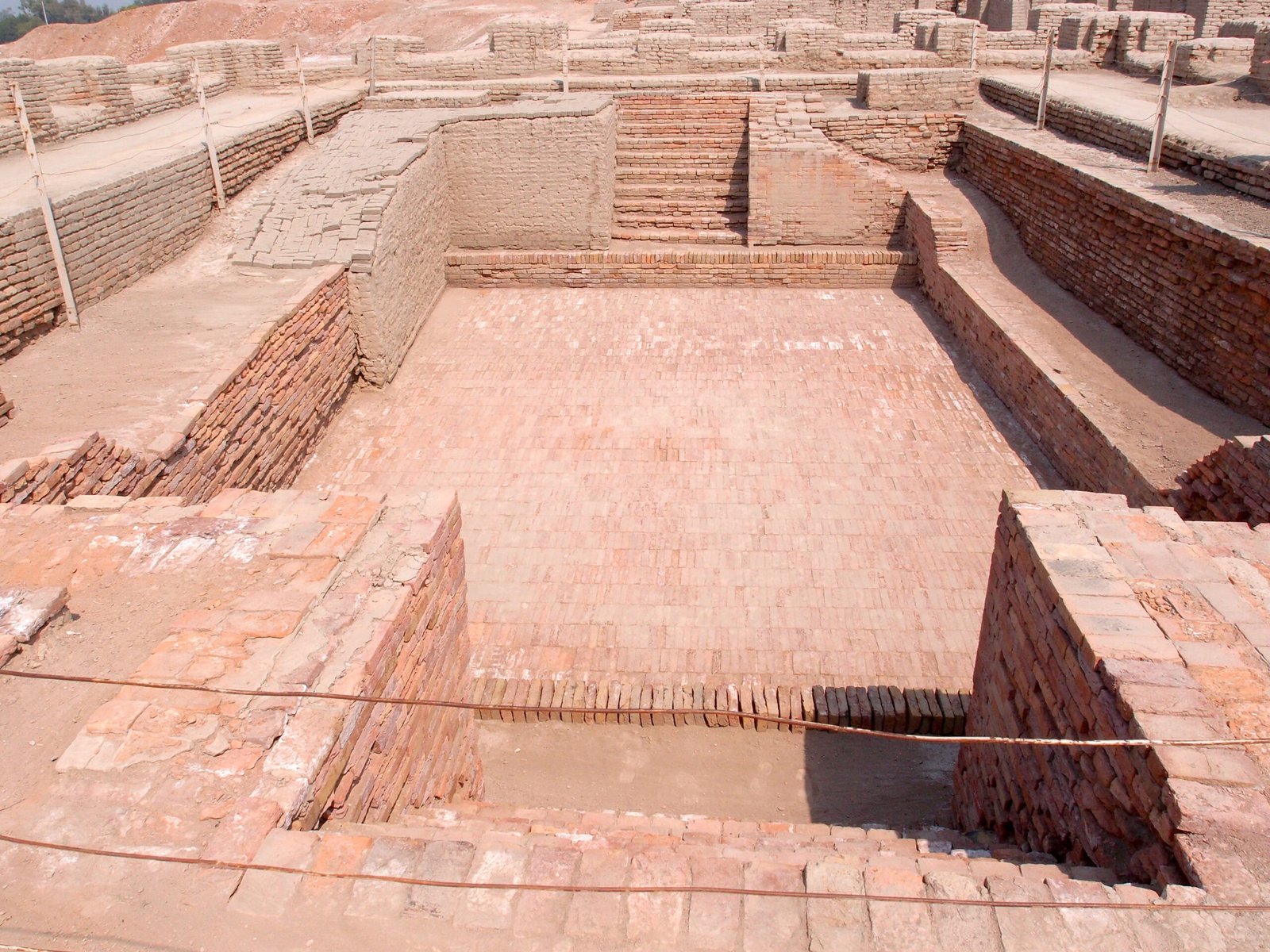
Mohenjo-Daro is one of the most significant archaeological sites in the world, standing as a genuine symbol of ancient urban planning. Located in Sindh province, the city dates back to around 2500 BCE and belonged to the Indus Valley Civilization. What makes it unique is its remarkably advanced infrastructure — baked brick houses, straight roads, covered drainage systems, and public baths. The famous Great Bath, believed to have been used for ritual purification, says a lot about the civilization’s social and religious life. Walking through the ruins gives visitors a genuine glimpse into a society that valued organization, hygiene, and engineering long before most of the ancient world caught up. Recognized as a UNESCO World Heritage Site, Mohenjo-Daro remains one of the oldest and most impressive historical sites in the country, offering a direct connection to the origins of urban life.Taxila — Ancient Center of Learning and Buddhist Heritage
Taxila, near Islamabad, flourished as a major center of education and culture between the 6th century BCE and the 5th century CE. Once part of the Gandhara civilization, it became famous for Buddhist learning, drawing scholars from as far as China, Central Asia, and Greece to study philosophy, medicine, mathematics, and religion. The remains of Sirkap, Jaulian, and Mohra Moradu reveal monasteries, stupas, and beautifully carved sculptures from this era. The Taxila Museum houses thousands of artifacts, including statues of Buddha, coins, jewelry, and ancient tools. For anyone interested in archaeology or the region’s spiritual history, Taxila is one of the most rewarding stops on this list.Lahore Fort — The Glory of Mughal Architecture
The Lahore Fort is a genuine masterpiece of Mughal architecture and one of the most visited historical sites in the country. Originally rebuilt by Emperor Akbar in the 16th century, it includes stunning structures like the Sheesh Mahal (Palace of Mirrors), the Naulakha Pavilion, and Diwan-e-Aam. Intricate frescoes, marble carvings, and mirror work reflect the elegance of Mughal design at its peak. Situated next to the Badshahi Mosque, Lahore Fort is also a UNESCO World Heritage Site, offering real insight into royal life, imperial administration, and Islamic art in one visit — and one of the most rewarding historical places in Pakistan to spend a full afternoon.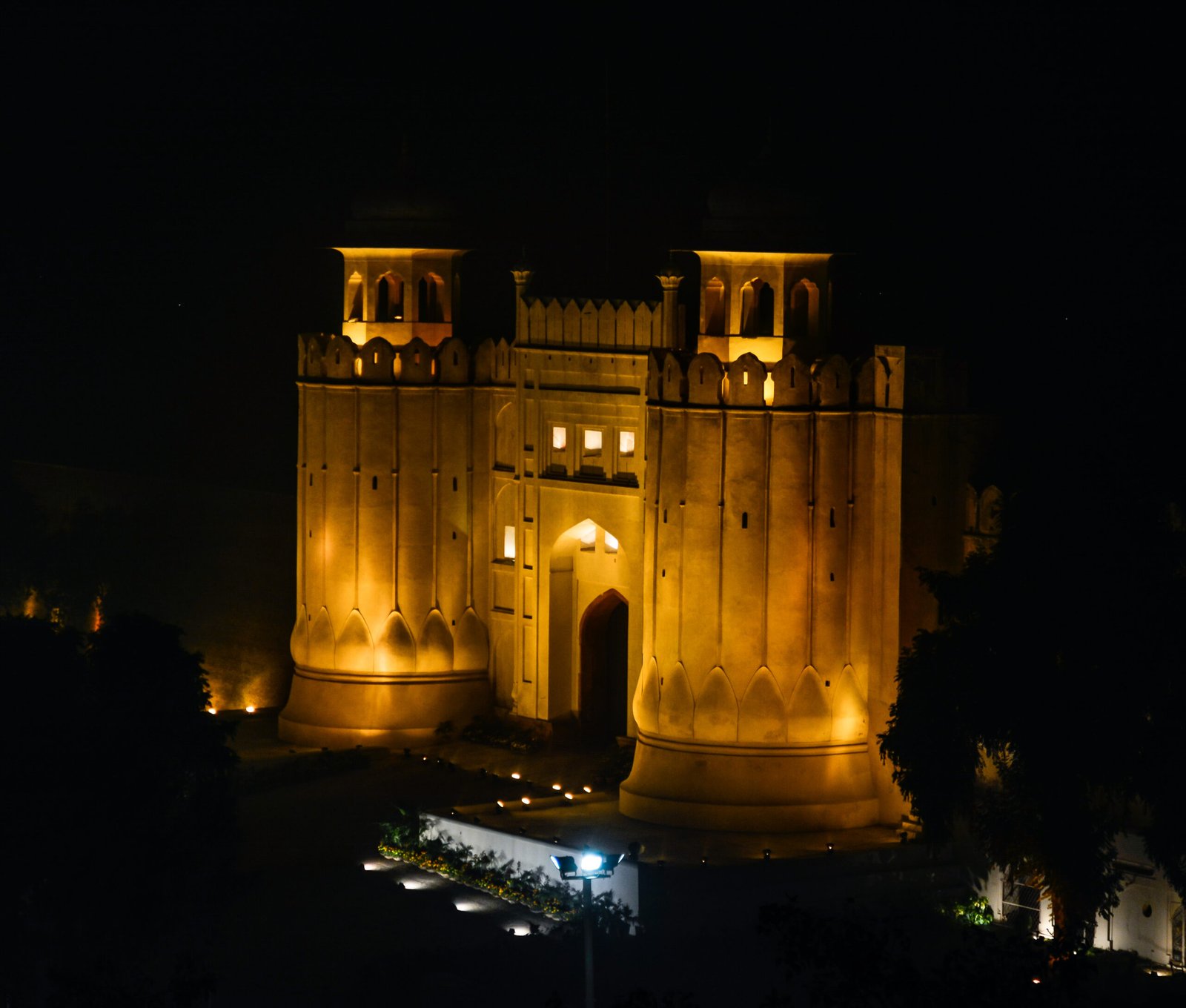
Makli Necropolis — The City of Tombs
Makli Necropolis, near Thatta in Sindh, ranks among the largest burial sites in the world — spanning several centuries from the 14th to the 18th, and containing well over a million tombs. It’s the final resting place of kings, queens, saints, scholars, and governors, with tombs featuring intricate stone carvings, Quranic inscriptions, and a genuine blend of Islamic, Persian, and South Asian architectural styles. Declared a UNESCO World Heritage Site, Makli offers a quiet, almost solemn experience — a reminder of Sindh’s rich spiritual and political past, and one of the more culturally significant historical places in Pakistan on any historical tour of the country.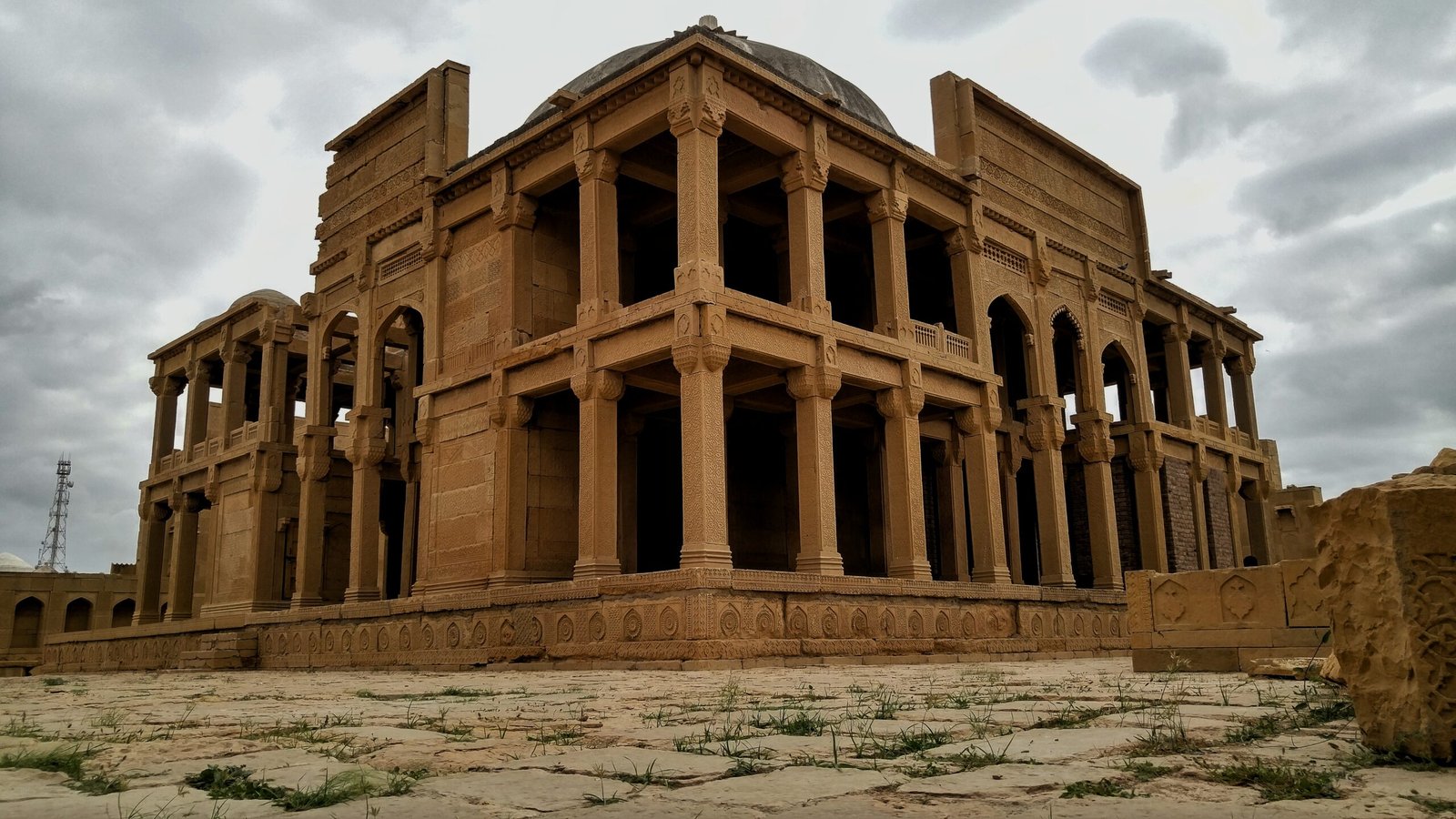
Rohtas Fort — A Masterpiece of Military Engineering
Rohtas Fort is among the strongest and most impressive military structures in the country. Built in the 16th century by Sher Shah Suri near Jhelum in Punjab, it stands apart from the Mughal forts on this list by being designed purely for defense. Its massive stone walls, strategic gateways, and watchtowers show real advanced military planning for the era, and famous gates like Sohail Gate and Shah Chandwali Gate still stand with decorative inscriptions and carvings intact. Surrounded by hills and natural landscape, Rohtas Fort pairs history with genuine scenic beauty. It’s a UNESCO World Heritage Site and a strong pick for anyone specifically interested in military history and architecture.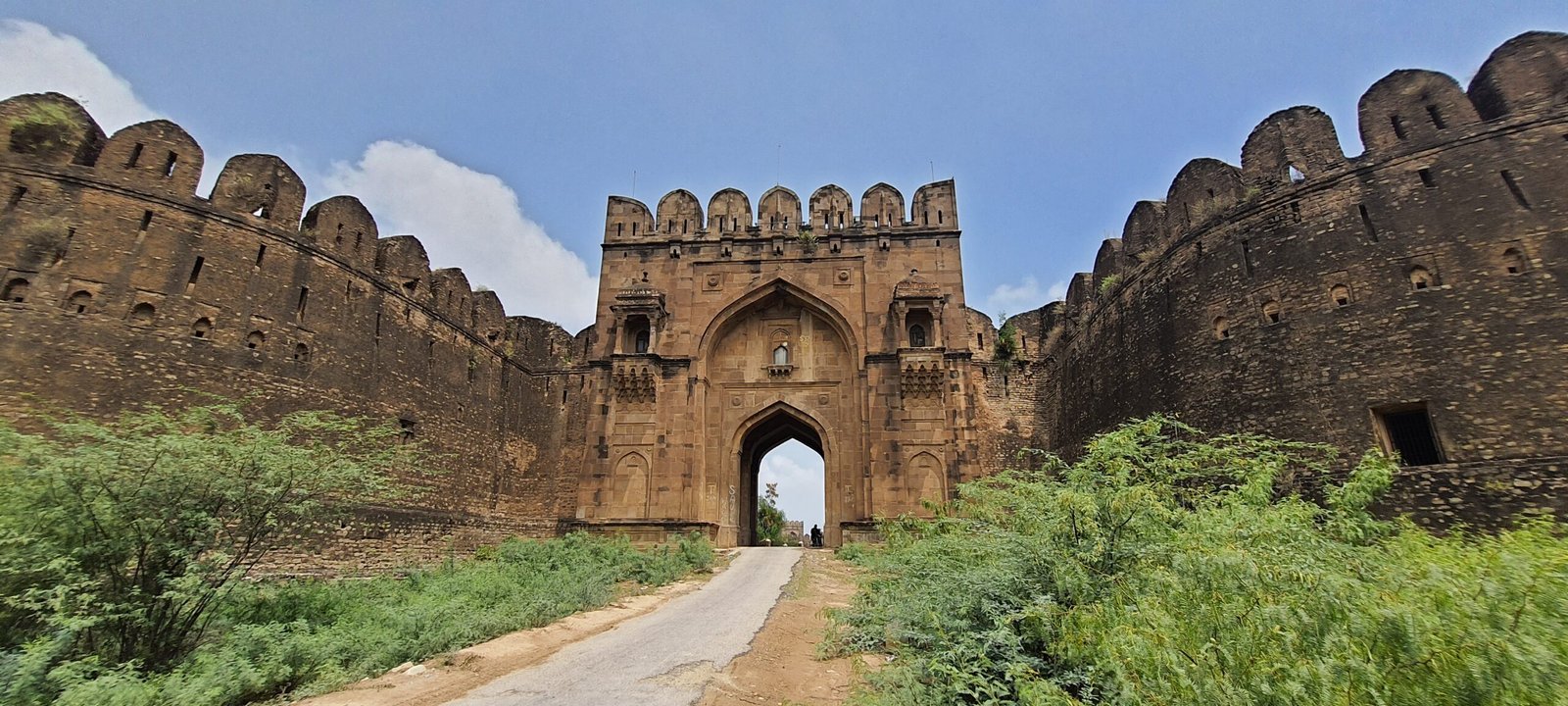
Other Notable Historical Sites
Beyond the major landmarks above, Pakistan has plenty of other historical destinations worth knowing about. The Shalimar Gardens in Lahore, another Mughal-era UNESCO site, offer terraced gardens and fountains built for Emperor Shah Jahan. Hiran Minar, near Sheikhupura, is a lesser-visited Mughal monument built around a large reservoir. Derawar Fort, deep in the Cholistan Desert, is one of the most striking and remote forts in the country, with towering walls visible from miles away. These sites don’t always make the headline list, but they round out a more complete picture of Pakistan’s layered history.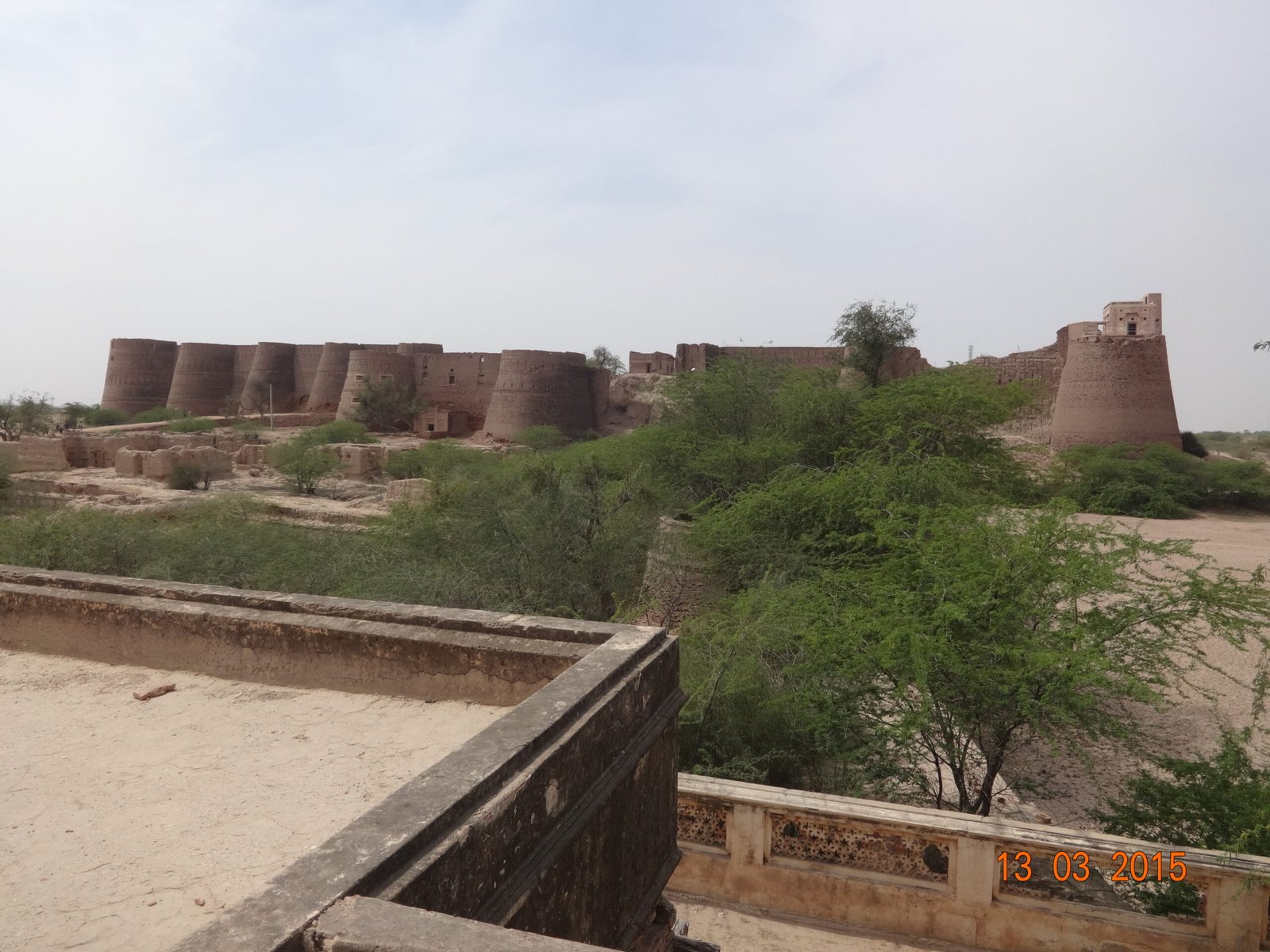
Why These Historical Places Matter
These sites are more than ancient ruins and monuments — they represent centuries of cultural exchange, intellectual growth, and architectural innovation. They help preserve national identity and drive genuine cultural tourism. From ancient cities to Islamic empires to colonial-era landmarks, Pakistan’s historical heritage reflects its role as a genuine crossroads of civilizations, and visiting these places supports local communities and ongoing conservation work.Best Time to Visit
November through March is the ideal window, when weather across most of the country is cooler and considerably more comfortable for walking around outdoor sites. Summers get extremely hot, especially in Sindh and Punjab, making midday sightseeing genuinely difficult. Early mornings and late afternoons work best for outdoor ruins and forts, while museums can comfortably be visited any time of day.Getting to These Sites
Access varies a lot by site. Lahore Fort and the Shalimar Gardens sit right in the city, easily reached by taxi or ride-hailing app. Taxila is a short drive from Islamabad, making it an easy half-day trip from the capital. Mohenjo-Daro and Makli Necropolis, both in Sindh, require more planning — flights into Sukkur or Karachi followed by a road trip are the practical route for most visitors. Rohtas Fort, near Jhelum, is reachable by road from both Islamabad and Lahore, and works well as a stop on a longer Punjab itinerary rather than a standalone day trip.Travel Tips
Hiring a local guide at major sites like Mohenjo-Daro and Taxila adds real context that’s easy to miss on a self-guided visit — much of the significance at these historical places in Pakistan isn’t obvious just from looking at the ruins. Wear comfortable, sturdy shoes, since most sites involve walking over uneven ground, and bring water and sun protection given how exposed many of these locations are. Photography is usually allowed, but it’s worth checking site-specific rules, especially at religious or burial sites like Makli, out of basic respect.Conclusion
Pakistan is a genuine treasure trove of history, offering some of the most remarkable historical landmarks anywhere in the world. From the ancient ruins of Mohenjo-Daro to the majestic Lahore Fort and the quiet weight of Makli Necropolis, these sites tell stories of civilization, faith, and power spanning thousands of years. Whether you’re a historian, a curious traveler, or simply looking for something more meaningful than a typical sightseeing stop, exploring Pakistan’s historical places is a trip worth making.FAQs
1. What is the oldest historical place in Pakistan?
Mohenjo-Daro is the oldest, dating back to around 2500 BCE.
2. Are historical places in Pakistan safe to visit?
Yes, the major historical sites are safe and well-managed for tourists.
3. How many UNESCO World Heritage Sites are in Pakistan?
Pakistan has several UNESCO-listed sites, including Mohenjo-Daro, Lahore Fort, Makli Necropolis, and Rohtas Fort.
4. What is the best time to visit these sites?
November to March, when temperatures are cooler and more comfortable for walking around outdoor ruins and forts.
5. Do I need a guide to visit these places?
Not required, but a local guide adds genuine historical context that’s easy to miss otherwise, especially at Mohenjo-Daro and Taxila.
You May Also Like
Top Historical Forts in Pakistan
Top Tourist Places in Lahore
Most Visited Tourist Places in Pakistan
A traveler and storyteller who has personally visited several of Pakistan’s northern destinations and continues to explore more of the country every year. Adeel started Top Places in Pakistan to share honest, well-researched travel guides that help both local and international visitors plan trips with confidence. Read more about Adeel →

Adeel Ahmad is a Pakistan-based travel writer and the founder of Top Places in Pakistan, a travel guide dedicated to showcasing the country’s most stunning destinations. Born and raised in Lahore, Adeel has a deep love for Pakistan’s diverse landscapes — from the towering peaks of Hunza and Skardu to the lush valleys of Swat and the historic streets of Lahore. His mission is to inspire travelers to explore Pakistan’s natural beauty, rich culture, and hidden wonders through well-researched, authentic, and easy-to-follow travel guides.