
Exploring the best places to visit in Islamabad 2026 starts with a city widely recognised as one of the most beautiful and well-planned capitals in the world. Unlike many crowded metropolitan cities, Islamabad is known for its clean environment, organised infrastructure, greenery, and peaceful lifestyle. This guide to places to visit in Islamabad 2026 covers how the city blends modern architecture with natural landscapes, making it an ideal destination for tourists, families, students, and photographers.
One of Islamabad’s most distinctive features is its close connection with nature. The city is bordered by the breathtaking Margalla Hills, part of the Himalayan foothills, giving it a refreshing atmosphere that’s rare among capital cities. Tourism here has grown steadily in recent years thanks to improved facilities and better infrastructure, and this guide explores the mix of history, culture, nature, and modern lifestyle all packed into one city.
Top Places to Visit in Islamabad 2026: Faisal Mosque — Architectural Masterpiece and National Icon
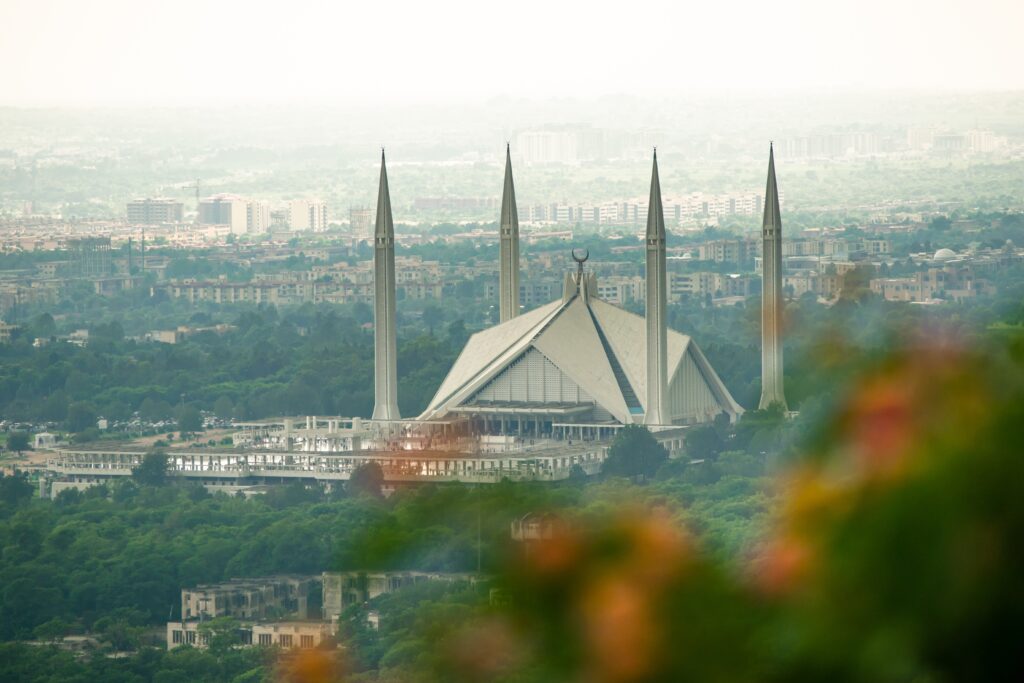
Faisal Mosque is not only the largest mosque in Pakistan but also one of the most iconic religious landmarks in the world. Its unique design, inspired by a Bedouin tent, was created by Turkish architect Vedat Dalokay — a striking departure from traditional domed mosque architecture.
Located at the base of the Margalla Hills, the mosque offers a stunning combination of natural and man-made beauty. The white marble structure reflects sunlight during the day and glows beautifully at night, creating a peaceful and spiritual environment.
Inside, the mosque has a massive prayer hall that can accommodate thousands of worshippers, with an equally large courtyard often used for gatherings during religious events such as Eid prayers. Tourists from around the world visit not only for worship but also to admire the architecture, and the surrounding gardens and fountains — backed by the Margalla Hills — make it a favorite spot for photography, and one of the most photographed places to visit in Islamabad 2026.
Daman-e-Koh — Islamabad’s Signature Viewpoint
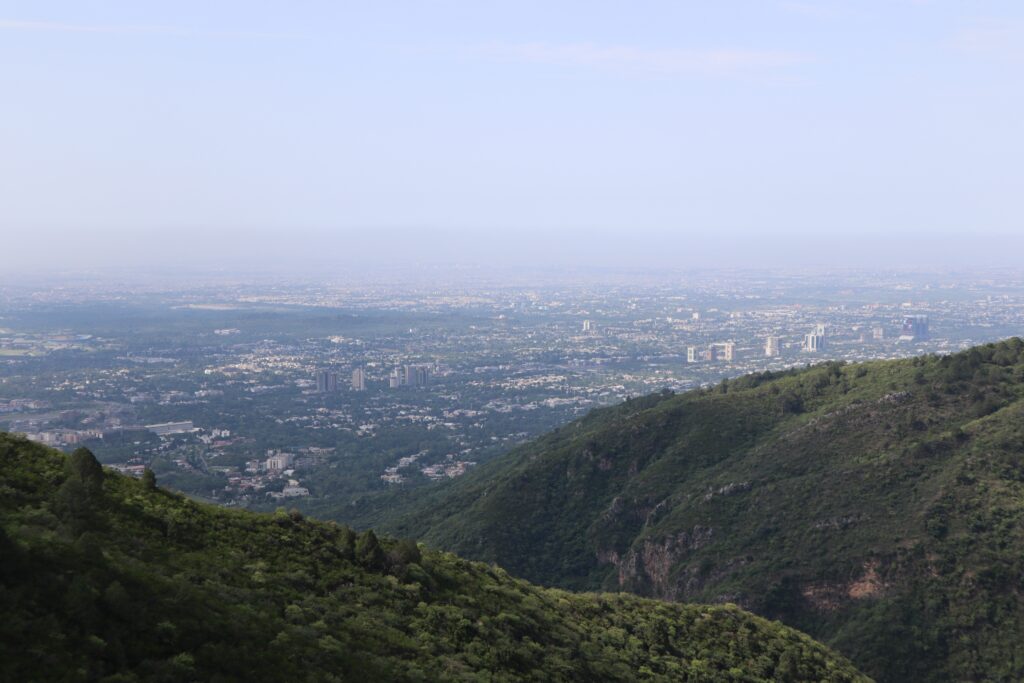
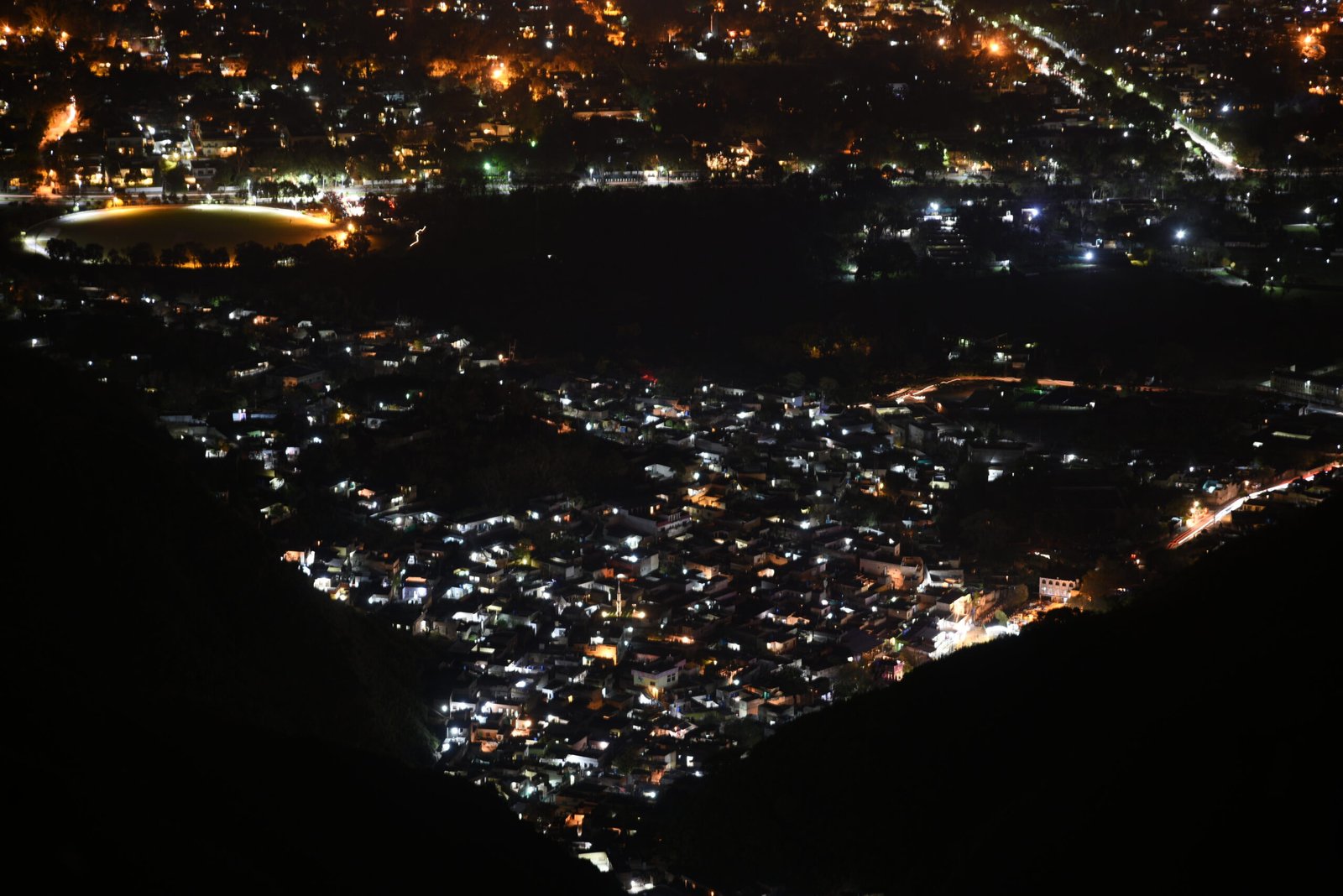
Daman-e-Koh is one of the most popular viewpoints in Islamabad, sitting partway up the Margalla Hills with a panoramic view over the entire city. From here, visitors can pick out landmarks like Faisal Mosque, Rawal Lake, and the city’s organized sectors below. It’s especially popular at sunset, when the changing sky and the city’s lights create a memorable scene.
The area is surrounded by greenery and is home to monkeys and a variety of bird species, with small restaurants and resting points making it comfortable for families. Daman-e-Koh also doubles as a trailhead for hikes deeper into the Margalla Hills, making it a natural first stop for anyone planning to explore further.
Pir Sohawa — A Hilltop Escape Above the City
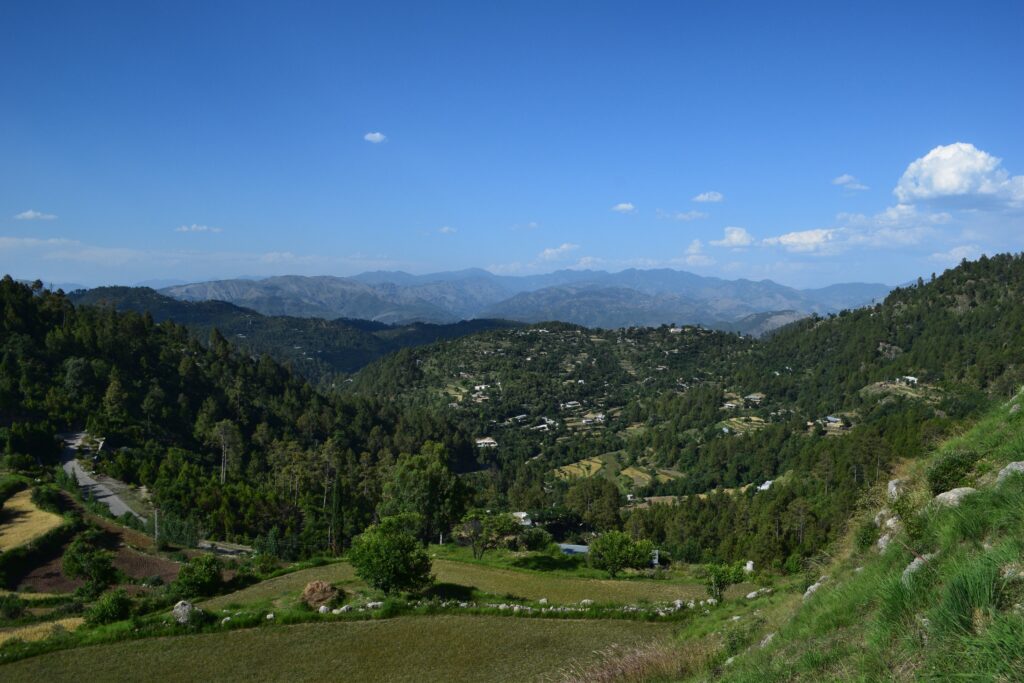
Pir Sohawa sits at the top of the Margalla Hills and is one of the highest accessible points near Islamabad. The drive up is memorable in its own right, winding through dense forest with scenic viewpoints along the way. At the top, cooler temperatures and fresh air make it a popular summer escape, and the restaurants and cafes here — many with outdoor seating and sweeping views — are especially popular for sunset dining. For hikers, trails connecting Daman-e-Koh to Pir Sohawa offer a challenging but rewarding route.
Rawal Lake — A Peaceful Water Escape
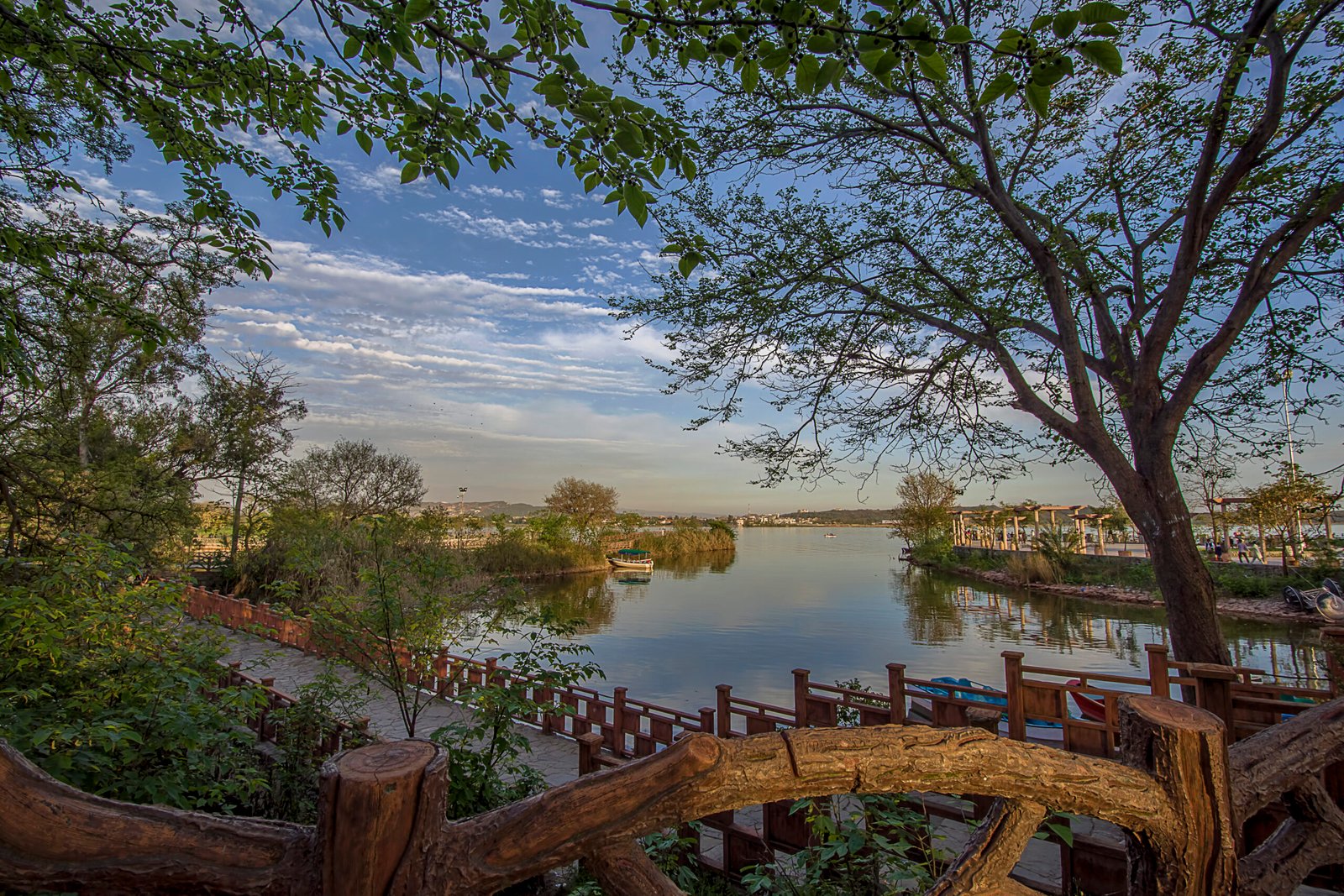
Rawal Lake is an artificial reservoir supplying water to Islamabad and Rawalpindi, but it’s also become one of the region’s most relaxing recreational spots. Surrounded by gardens, picnic areas, and walking tracks, it’s a regular destination for families looking to go boating, fish, or simply spend an afternoon outdoors. Sunset here is particularly striking, with the sky’s reflection creating a calm, photogenic scene, and migratory birds during certain seasons make it a draw for birdwatchers too. Nearby parks and food stalls round it out as a solid picnic destination.
Pakistan Monument — Symbol of National Unity
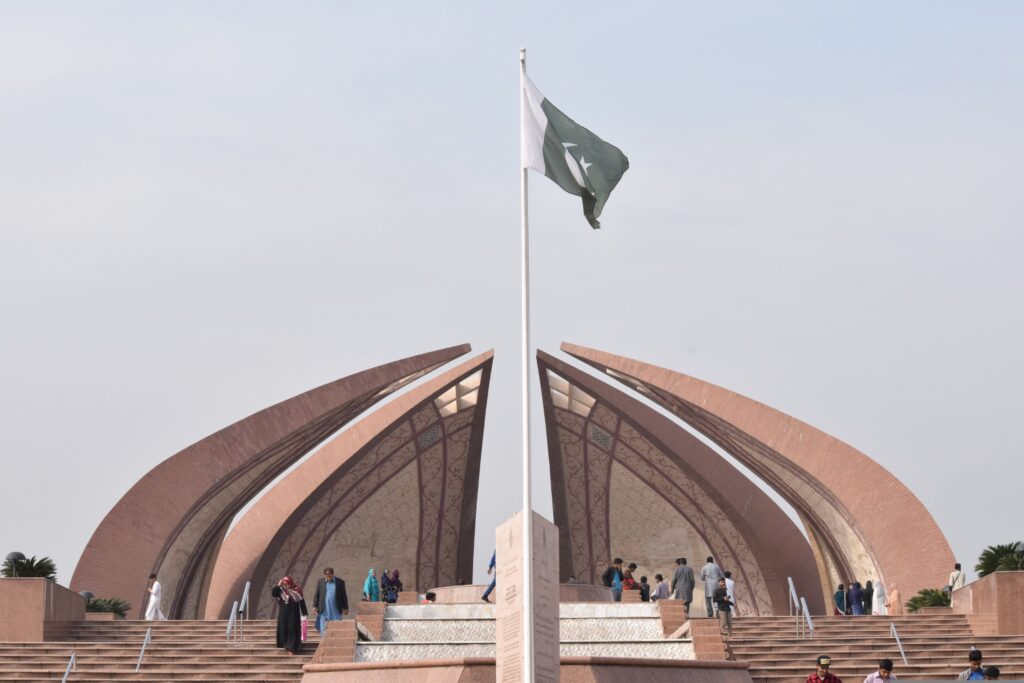
The Pakistan Monument represents the unity of the country’s four provinces and three territories through its distinctive petal-like structure. Located on the Shakarparian Hills, it’s visible from many parts of the city, and the interior museum walks through Pakistan’s history via artifacts, photos, and cultural exhibits — a popular stop for students and researchers alike. At night, the monument is beautifully lit, making it worth a return visit after dark.
Shakarparian Park — A Green Escape
One of Islamabad’s oldest recreational areas, Shakarparian Park sits near the Pakistan Monument and offers large green spaces, walking tracks, and gardens. It’s frequently used for national events and cultural festivals, and its elevated position gives scenic views over the city. Spring is the best time to visit, when blooming flowers and lush greenery make the park especially photogenic.
Saidpur Village — History Meets Modern Culture
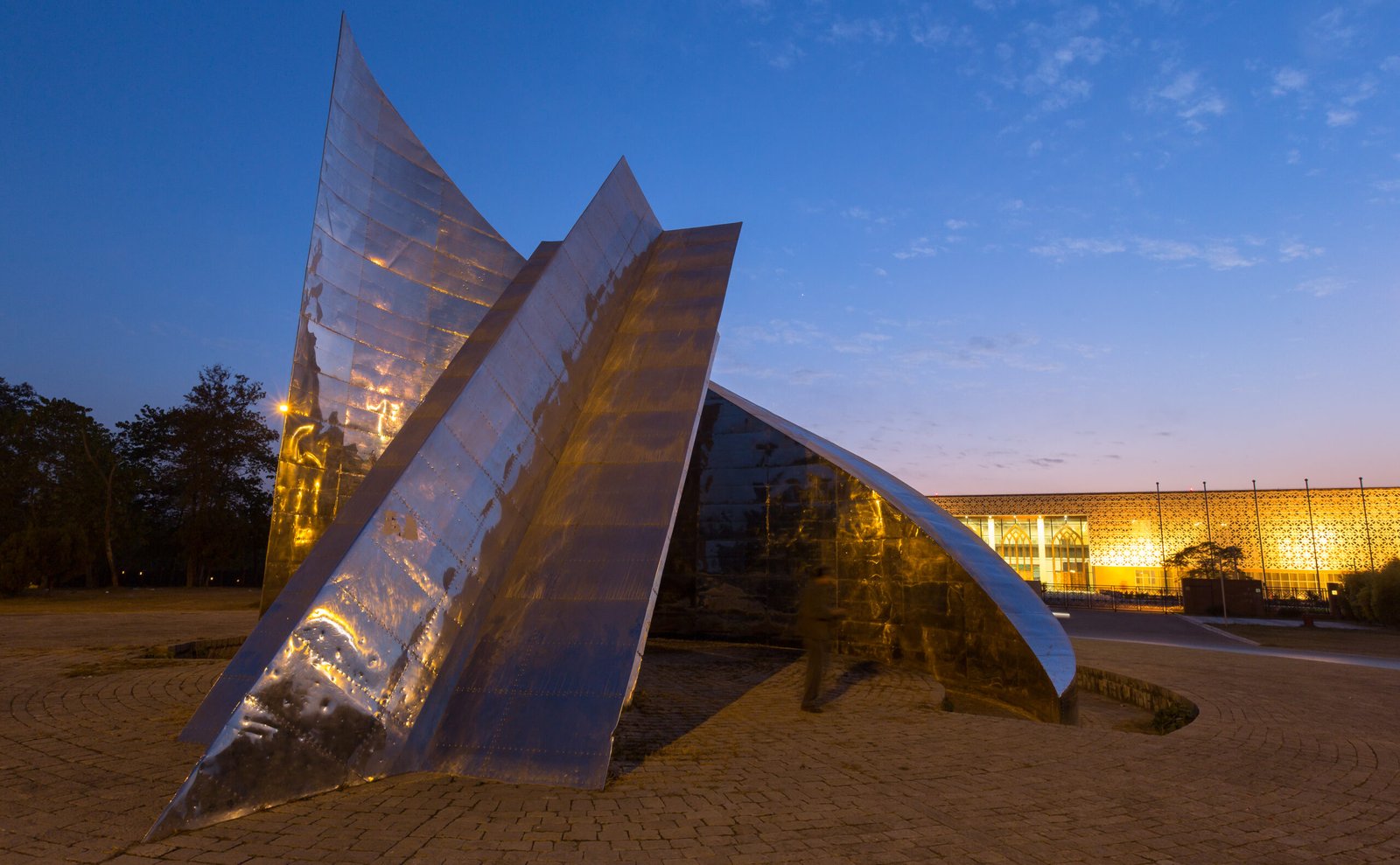
Saidpur Village is a centuries-old settlement preserved and transformed into one of Islamabad’s most culturally rich attractions, reflecting a mix of Hindu, Sikh, and Muslim heritage through its ancient temples, traditional houses, and restored buildings. Today, it’s also home to restaurants, cafes, and art galleries, making it easy to combine traditional Pakistani food with a walk through historical architecture — a favorite for cultural photography.
Margalla Hills National Park — Nature and Hiking
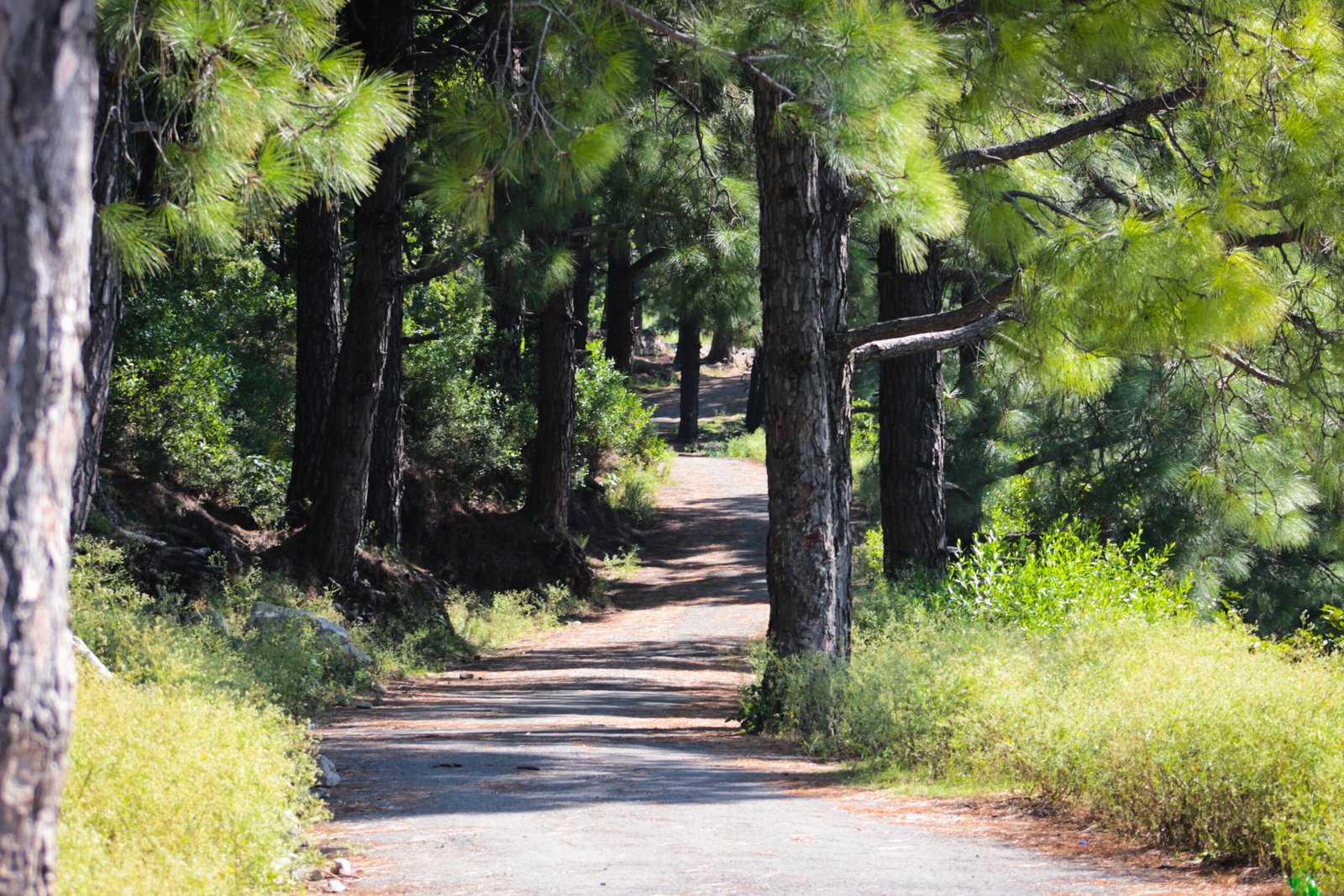
Margalla Hills National Park is one of Islamabad’s most important natural attractions, covering forested hills that are home to leopards, monkeys, birds, and deer. Multiple hiking trails cater to different difficulty levels, with Trail 3 and Trail 5 among the most popular routes. The combination of fresh air, natural scenery, and a genuinely peaceful setting draws thousands of hikers, photographers, and fitness enthusiasts every week, making it one of the most rewarding places to visit in Islamabad 2026 for anyone who prefers the outdoors.
Centaurus Mall — Modern Islamabad
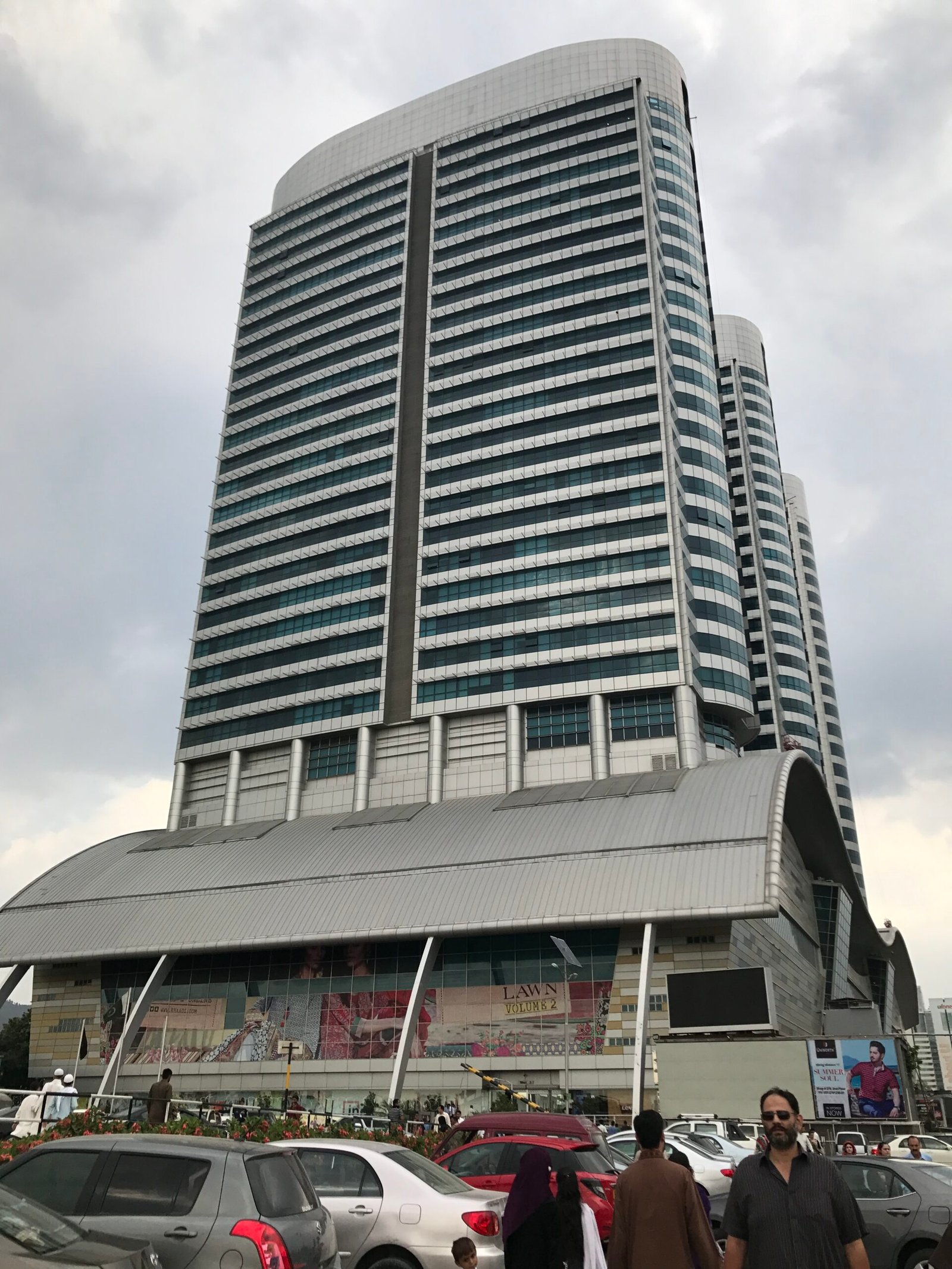
Centaurus Mall represents the city’s modern side — a multi-storey complex with international brands, restaurants, entertainment areas, and a cinema. It’s a popular stop for locals and tourists alike who want a break from sightseeing, and especially well-suited to families and younger visitors given its range of entertainment options.
Lok Virsa Museum — Cultural Heritage Center
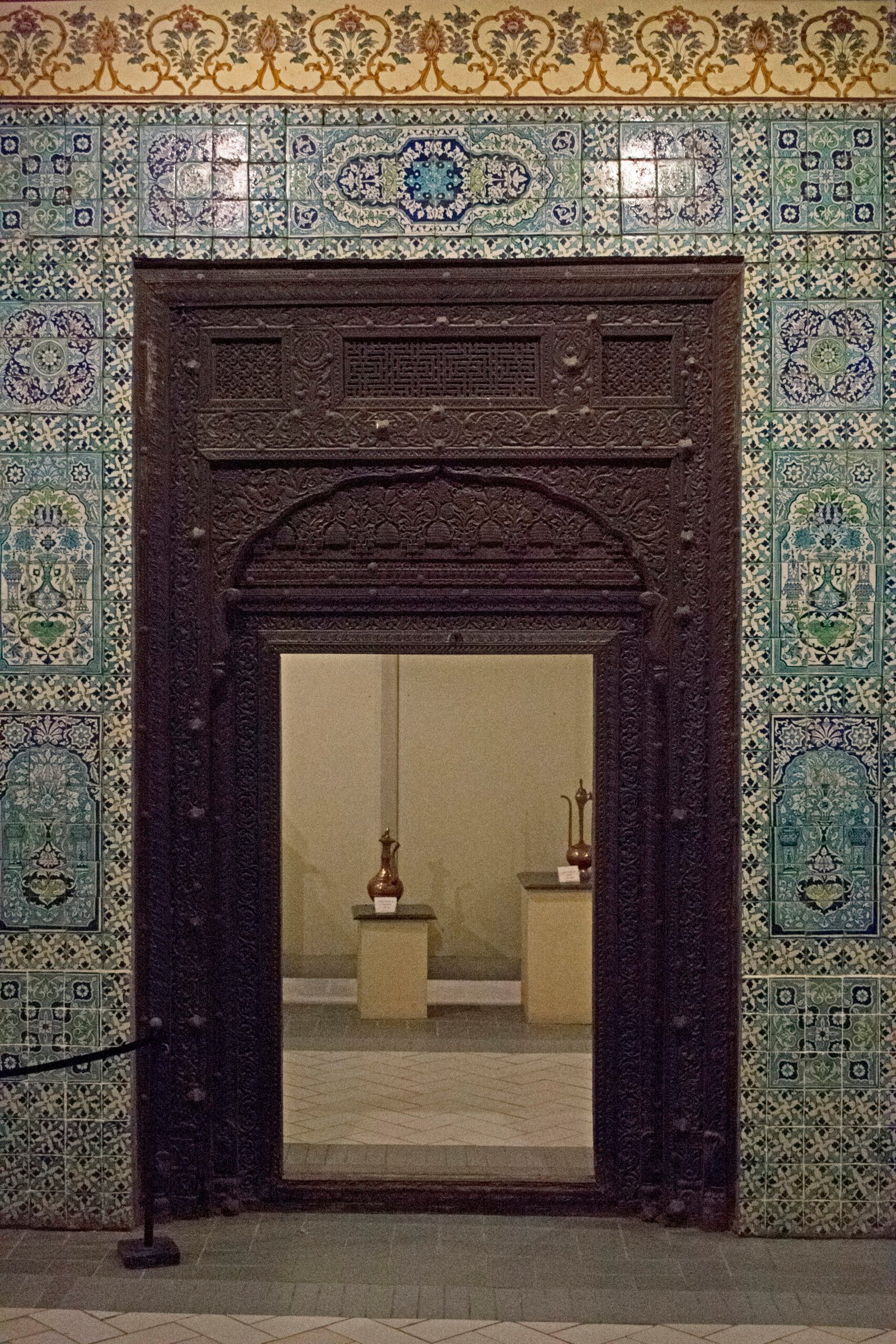
Lok Virsa Museum is one of Pakistan’s most important cultural institutions, preserving and showcasing heritage from across the country’s regions through traditional clothing, musical instruments, handicrafts, and historical artefacts. For students and researchers, it’s a genuinely educational stop that highlights the value of cultural preservation.
Other Hidden Gems
Beyond the major attractions, Islamabad has plenty of lesser-known spots worth seeking out — small hiking trails, hidden viewpoints, and quiet picnic spots scattered across the Margalla Hills. Areas near Rawal Dam and the rural outskirts also offer natural beauty that’s far less crowded and ideal for a peaceful visit away from the main tourist circuit.
Getting Around the City
Islamabad’s grid-like sector layout makes it fairly easy to navigate once you understand the basic structure, though the city is spread out enough that walking between major attractions usually isn’t practical. Ride-hailing apps are widely used and generally the most convenient way to get around for visitors, while the Metrobus system connects several key areas, including routes toward Rawalpindi, at a much lower cost. If you’re planning to cover the Margalla Hills viewpoints in a single day, hiring a car or driver for a few hours tends to work out more efficient than piecing together separate rides between each stop — a small investment that makes covering more places to visit in Islamabad 2026 much less exhausting.
Best Time to Visit
Spring (March to April) and autumn (September to November) are the most pleasant seasons, with comfortable temperatures and clear skies ideal for hiking and sightseeing. Summers can get warm in the lower parts of the city, though the Margalla Hills viewpoints stay noticeably cooler. Winters are mild by Pakistani standards, with occasional light rain, making the city walkable year-round with the right planning — good news for anyone mapping out places to visit in Islamabad 2026 on a tighter schedule.
Conclusion
These places to visit in Islamabad 2026 show a city that balances nature, culture, and modern development better than almost any other capital in the region. From the iconic Faisal Mosque to the peaceful Rawal Lake and the adventurous trails of the Margalla Hills, there’s genuinely something here for every type of traveller. Its clean environment, organised layout, and scenic beauty make it one of the most attractive capitals in South Asia — whether you’re visiting for a short trip or planning a longer stay.
FAQs
1. What is the most visited place in Islamabad?
Faisal Mosque is the most visited landmark in the city.
2. Is Islamabad good for tourism?
Yes — it’s considered one of the safest and most beautiful cities for tourism in Pakistan.
3. What is the best time to visit Islamabad?
Spring and autumn, thanks to pleasant, mild weather.
4. Are the Margalla Hills safe for tourists?
Yes, generally, with designated and well-used hiking trails.
5. Is Islamabad family-friendly?
Very much so, with plenty of parks, lakes, and recreational spots suited to all ages.
6. Why is Islamabad famous?
For its greenery, cleanliness, and scenic setting against the Margalla Hills.
You May Also Like
Best Places for Nature Photography in Pakistan
Hidden Travel Destinations in Pakistan
Best Places to Visit in Pakistan in Winter
A traveler and storyteller who has personally visited several of Pakistan’s northern destinations and continues to explore more of the country every year. Adeel started Top Places in Pakistan to share honest, well-researched travel guides that help both local and international visitors plan trips with confidence. Read more about Adeel →

Adeel Ahmad is a Pakistan-based travel writer and the founder of Top Places in Pakistan, a travel guide dedicated to showcasing the country’s most stunning destinations. Born and raised in Lahore, Adeel has a deep love for Pakistan’s diverse landscapes — from the towering peaks of Hunza and Skardu to the lush valleys of Swat and the historic streets of Lahore. His mission is to inspire travelers to explore Pakistan’s natural beauty, rich culture, and hidden wonders through well-researched, authentic, and easy-to-follow travel guides.