
Lahore is one of the most beautiful and historically rich cities in the world. It is the cultural capital of Pakistan and a city that never sleeps. Every street, every wall, and every market in Lahore has a story to tell. From ancient Mughal architecture to lively modern bazaars, Lahore offers a unique experience that stays with every visitor forever.
Known as the City of Gardens, Lahore is home to some of the most magnificent historical monuments, stunning mosques, lush parks, and vibrant food streets in all of South Asia. Every year, millions of tourists from across Pakistan and around the world visit Lahore to experience its rich culture, delicious food, and breathtaking heritage sites.
Whether you are visiting for the first time or returning to rediscover its charm, Lahore always has something new to offer. In this guide, we cover the top tourist places in Lahore, plus its modern side and practical tips for planning your visit.
1. Badshahi Mosque
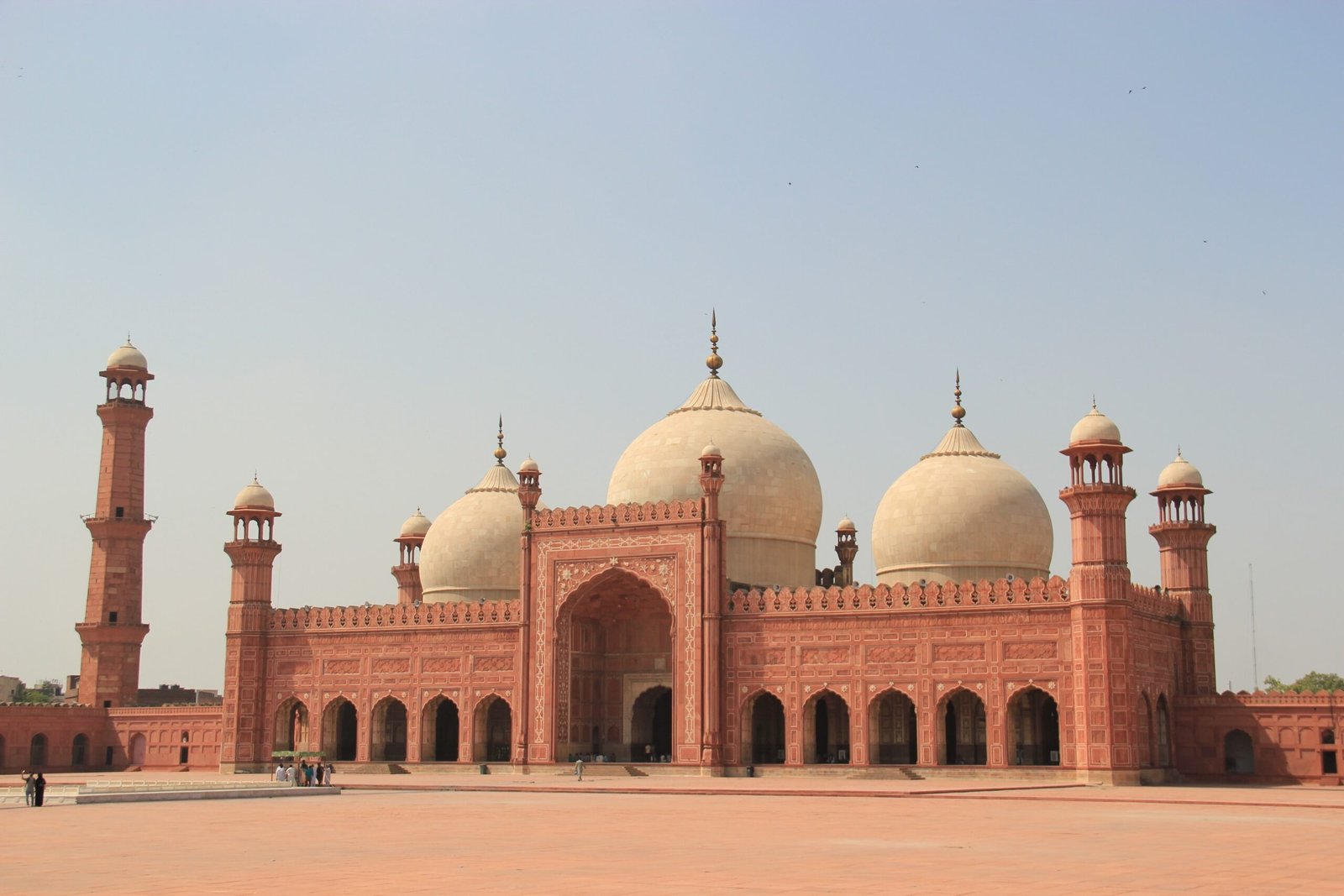
The Badshahi Mosque is perhaps the most iconic landmark in all of Lahore. Built in 1673 by the Mughal Emperor Aurangzeb, it is one of the largest mosques in the world and a true masterpiece of Mughal architecture.
Architecture and beauty:
The mosque is built entirely from red sandstone and white marble. Its four towering minarets rise high into the sky, and the massive central dome is visible from many parts of the city. The courtyard can hold over one hundred thousand worshippers at a single time.
What to experience:
Visit in the early morning when the light is soft and golden, or in the evening when it is beautifully illuminated. The view from the nearby Hazuri Bagh garden, with the mosque in the background, is unforgettable. A small museum inside contains historical artifacts.
Best time to visit: Early morning and just after sunset. Entry is free.
2. Lahore Fort (Shahi Qila)
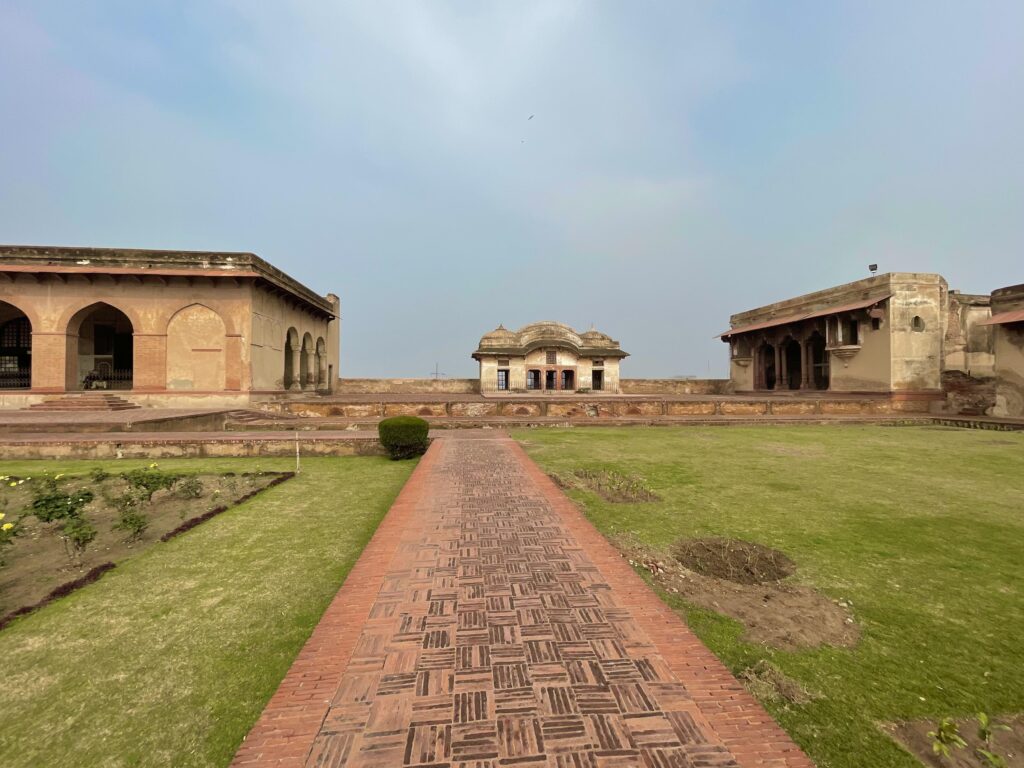
Just beside the Badshahi Mosque stands the Lahore Fort, also known as Shahi Qila. This fortified palace complex has stood for over a thousand years and was home to Mughal emperors including Akbar, Jahangir, and Shah Jahan.
History and significance:
The Lahore Fort is a UNESCO World Heritage Site covering over twenty hectares with twenty-one distinct monuments.
Must-see sections:
The Sheesh Mahal (Palace of Mirrors) is a must-see, its walls covered in thousands of tiny mirror pieces. The Diwan-e-Aam, Diwan-e-Khas, and the marble Naulakha Pavilion are also highlights.
Practical information: Open daily, modest entry fee, guides recommended.
3. Shalimar Gardens
The Shalimar Gardens were built by Emperor Shah Jahan in 1641 as a royal paradise on earth, and are a UNESCO World Heritage Site.
Design and layout:
The gardens span three terraced levels connected by water channels, fountains, and cascading waterfalls across eighty acres.
When to visit: Early morning or late afternoon, best in February–March during spring bloom.
4. Walled City of Lahore (Androon Lahore)
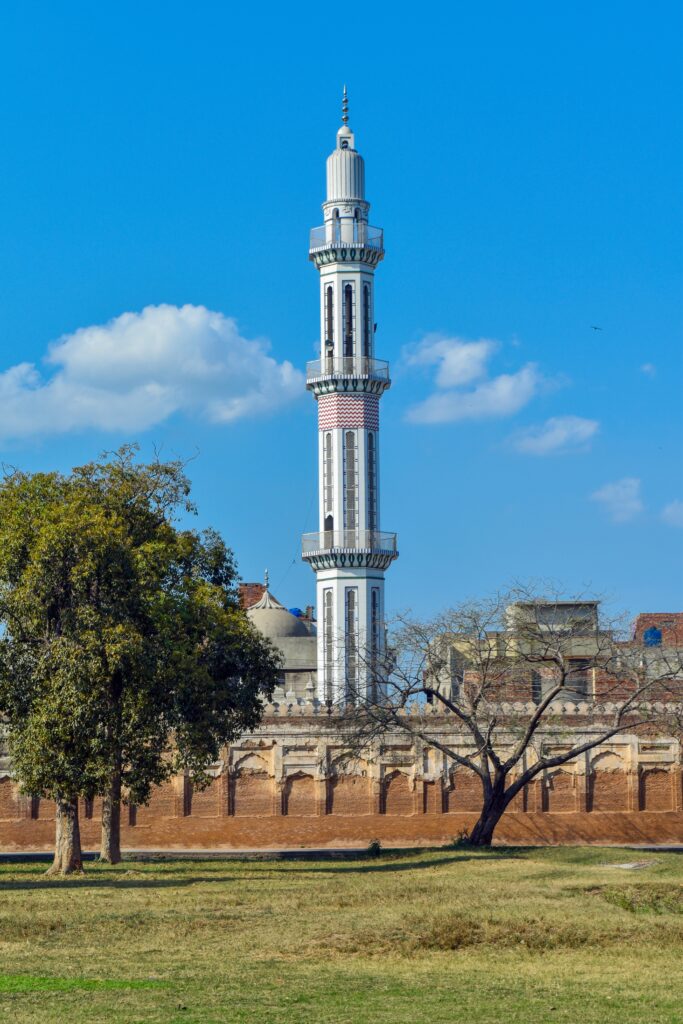
The Walled City is the ancient heart of Lahore, one of the oldest continuously inhabited urban settlements in South Asia, with history stretching back over two thousand years.
A living museum:
Unlike a typical historic site, the Walled City is fully alive — people live, work, and cook here as their ancestors did. Old havelis with carved wooden balconies still stand from the Mughal and Sikh periods.
Famous bazaars: Anarkali Bazaar and the restored Shahi Hammam bathhouse are both here, along with the old city’s famous food streets.
Best way to explore: On foot or by rickshaw, early morning when the streets are quiet.
5. Data Darbar
Data Darbar is the shrine of Hazrat Ali Hajveri (Data Ganj Bakhsh), one of the most revered Sufi saints in South Asian history, and the largest Sufi shrine in South Asia.
A place of devotion: Visited by tens of thousands daily, with regular qawwali music performances.
Architecture: The complex includes the main shrine, a large mosque, and a free community kitchen (langar).
Note for visitors: Dress modestly, cover your head, and remove shoes before entering.
6. Lahore Museum
Established in 1865, the Lahore Museum is one of the oldest and most important museums in South Asia.
What’s inside: Its most famous exhibit is the Fasting Buddha, a Gandhara sculpture, alongside Mughal paintings, coins, textiles, and Indus Valley artifacts.
The building: Built in Indo-Saracenic style, it was famously described as the “Wonder House” in Rudyard Kipling’s novel Kim.
Visitor info: Open six days a week, small entry fee, allow 2-3 hours.
7. Minar-e-Pakistan
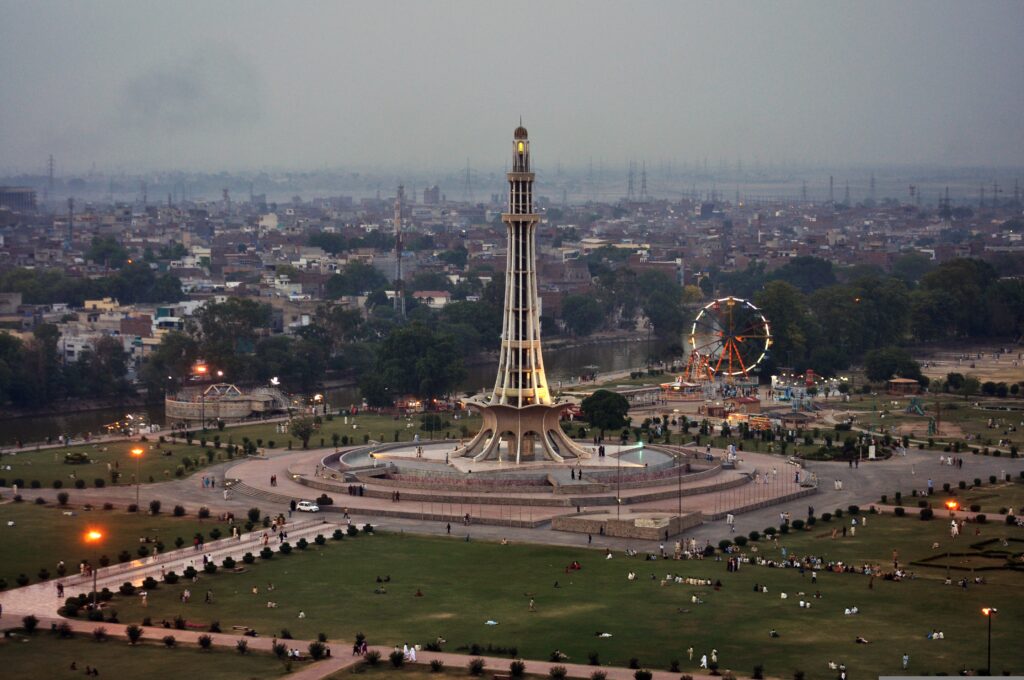
Minar-e-Pakistan marks the spot where the Lahore Resolution was passed on March 23, 1940, calling for an independent Muslim homeland.
The tower: Rising 60 meters, it combines Mughal and modern architectural styles, with the Lahore Resolution text engraved at its base.
Iqbal Park: The monument sits inside one of South Asia’s largest urban parks, popular with families on weekends.
Best time: March 23rd for Pakistan Day, or after dark when it’s lit up.
8. Anarkali Bazaar and Food Street
No visit to Lahore is complete without Anarkali Bazaar and the legendary Lahori food street.
Anarkali Bazaar: One of the oldest surviving markets in South Asia, split into Old and New Anarkali, selling clothing, jewelry, and handicrafts. Bargaining is expected.
Lahori Food Street: Near the Badshahi Mosque, serving Lahori nihari, paye, halwa puri, chargha, and seekh kabab — best experienced in the evening with the illuminated mosque as backdrop.
9. Modern Lahore: Malls, Parks, and Family Spots
Lahore is not only about Mughal history — the city has a strong modern side too, worth an afternoon if you’re traveling with family or want a break from heritage sites.
Packages Mall and Emporium Mall are the city’s biggest shopping and entertainment complexes, both with international brands, food courts, and cinemas.
Lahore Zoo, one of the oldest in the region, is a straightforward family outing with a wide range of animals and reasonable entry fees.
Jilani Park (Race Course Park) is the city’s main green space for walking, jogging, and picnics, with seasonal flower shows worth timing a visit around.
Quick Comparison: Where to Start
|
Place |
Best For |
Time Needed |
|
Badshahi Mosque |
Architecture, photography |
1-2 hours |
|
Lahore Fort |
History, Mughal heritage |
2-3 hours |
|
Shalimar Gardens |
Relaxation, spring visits |
1-2 hours |
|
Walled City |
Authentic local life |
2-3 hours |
|
Data Darbar |
Spiritual, cultural experience |
1 hour |
|
Lahore Museum |
Art and artifacts |
2 hours |
|
Minar-e-Pakistan |
National history, park |
1 hour |
|
Anarkali & Food Street |
Shopping, food |
2-3 hours |
|
Malls & Jilani Park |
Family, modern break |
Half day |
Travel Tips for Visiting Lahore
Winter (November to February) is the most comfortable season for sightseeing, since summer afternoons get very hot. Ride-hailing apps (Careem, InDrive) are the easiest way to get between sites. Carry cash for Anarkali Bazaar and smaller food stalls. Dress modestly when visiting Data Darbar and the Badshahi Mosque.
Final Thoughts
Lahore is a city that captures your heart the moment you arrive, where thousands of years of history coexist with a modern, energetic city life. Every corner has something to offer — a stunning Mughal monument, a peaceful Sufi shrine, a bustling bazaar, a modern mall, or a plate of unforgettable food.
The places covered here — the Badshahi Mosque, Lahore Fort, Shalimar Gardens, Walled City, Data Darbar, Lahore Museum, Minar-e-Pakistan, Anarkali’s food streets, and Lahore’s modern malls and parks — are just the beginning of what this city has to offer.
Whether you’re a history lover, a food enthusiast, a photographer, or a traveler seeking a genuine cultural experience, Lahore will not disappoint. As locals say: Lahore Lahore hai — Lahore is Lahore. There is simply no other place like it.
You May Also Like
Best Time to Visit Pakistan
Hunza Valley Top Places
Top Historical Forts in Pakistan
Adeel Ahmad is a Pakistan-based travel writer and the founder of Top Places in Pakistan, a travel guide dedicated to showcasing the country’s most stunning destinations. Born and raised in Lahore, Adeel has a deep love for Pakistan’s diverse landscapes — from the towering peaks of Hunza and Skardu to the lush valleys of Swat and the historic streets of Lahore. His mission is to inspire travelers to explore Pakistan’s natural beauty, rich culture, and hidden wonders through well-researched, authentic, and easy-to-follow travel guides.