
Introduction
Looking for the best places for nature photography in Pakistan? Pakistan is one of the most visually diverse countries on earth, and that makes it a genuine playground for nature photography. In the space of a single road trip you can move from glacier-fed lakes to pine forests, from cold deserts to green alpine meadows. This guide covers the best places for nature photography in Pakistan, what makes each one worth the trip, how to get there, and when to go for the best light.
We have also added practical tips at the end — gear, permits, and timing — so you can plan an actual shoot rather than just a sightseeing trip.
Each entry below includes practical getting-there details, not just why the location looks good in photos, since logistics often decide whether a shot is realistically achievable on a given trip.
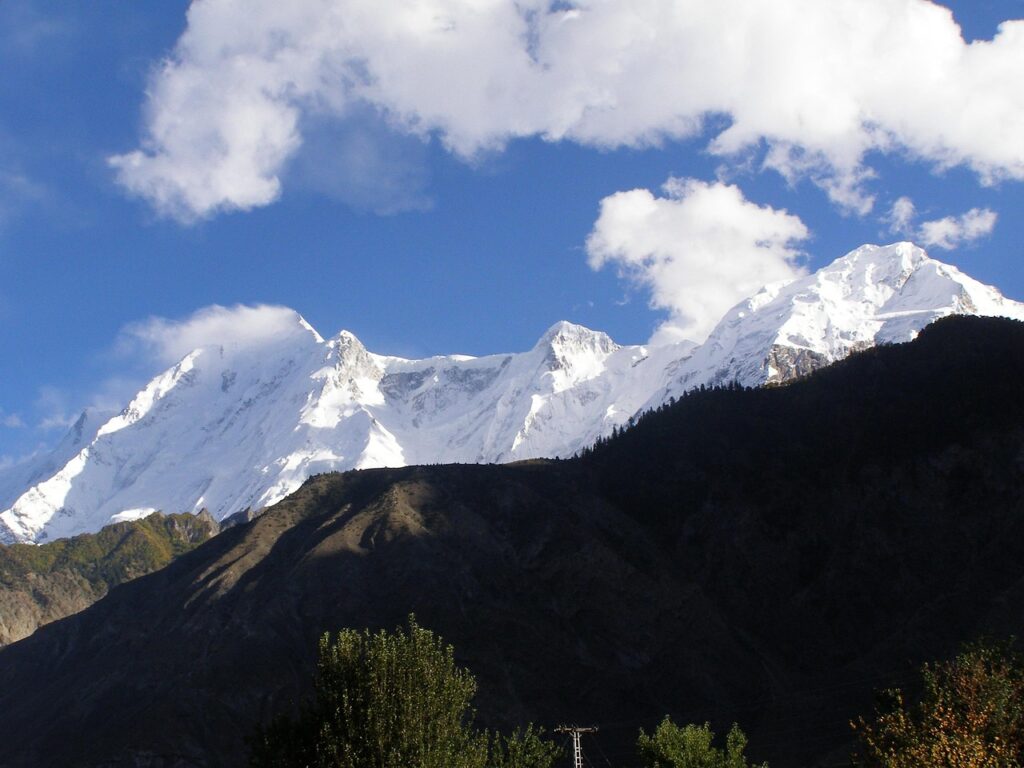
Hunza Valley – Fairytale Peaks and Blossoms, One of the Best Places for Nature Photography in Pakistan
Hunza Valley in Gilgit-Baltistan is framed by Rakaposhi and Ultar Sar, two of the most photogenic peaks in the Karakoram range. Spring (April–May) covers the valley in cherry and apricot blossoms, while autumn (October) turns the hillsides gold and red.
Attabad Lake is the standout shot here — its turquoise water gives near-perfect mountain reflections on calm mornings. Karimabad’s Baltit and Altit forts add a cultural layer if you want architecture in your frame, not just landscape.
Getting there: Hunza is roughly a 20-24 hour drive from Islamabad along the Karakoram Highway, or a short domestic flight to Gilgit followed by a 2-hour drive. Most photographers base themselves in Karimabad for 2-3 nights.
Best light: early morning at Attabad Lake, before the wind picks up and breaks the reflection.
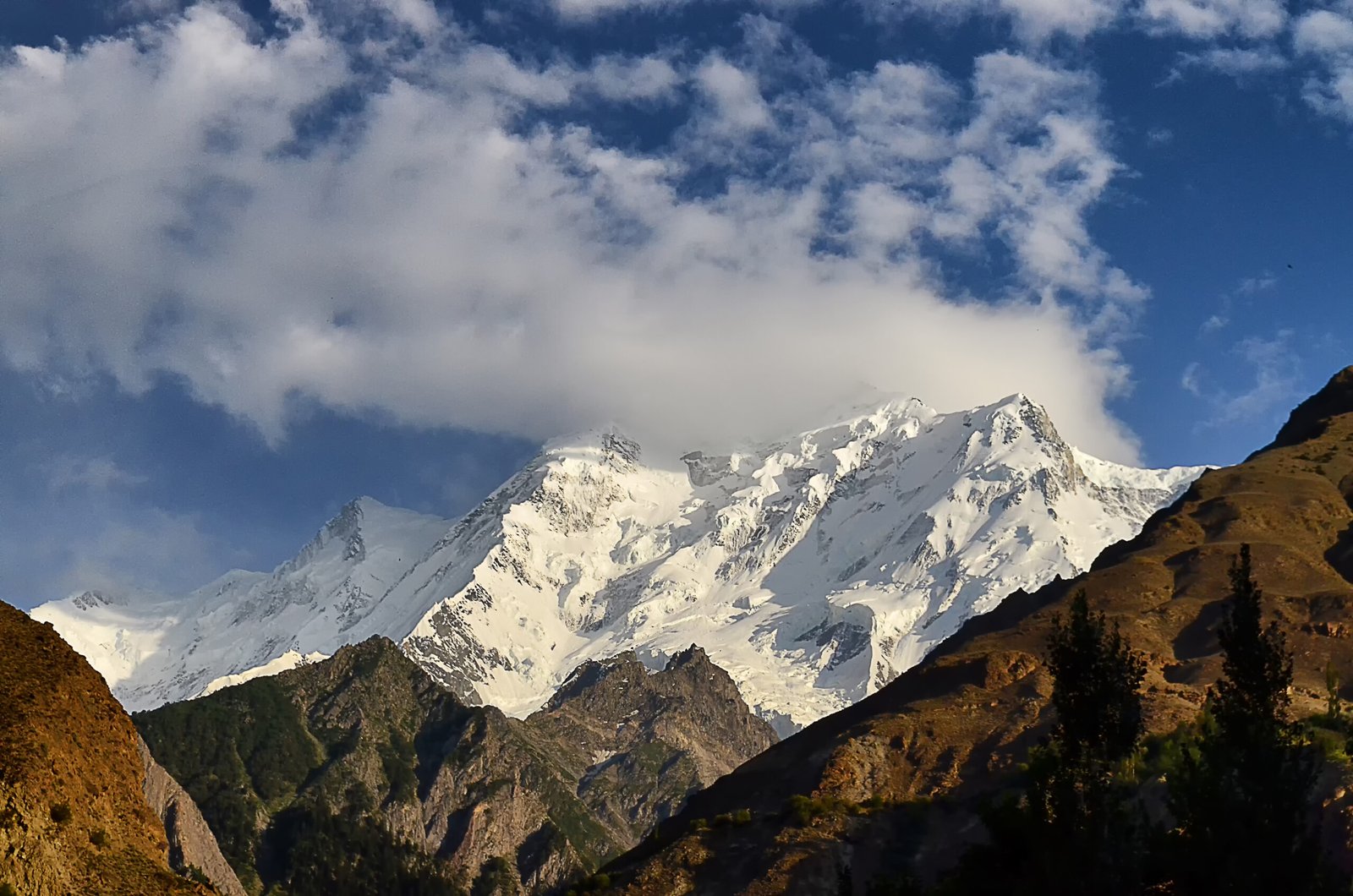
Skardu and Katpana Cold Desert – Mountains Meet Desert
Skardu is the gateway to K2 and several 8,000m peaks, but its real draw for photographers is contrast: Shangrila and Satpara Lakes give still-water reflections, while the Katpana Cold Desert puts golden sand dunes directly against snow-capped mountains — a combination that is genuinely rare anywhere in the world.
Getting there: daily flights connect Islamabad to Skardu in about an hour on clear days (flights are weather-dependent and get cancelled often, so build in buffer days). The overland route via the Karakoram Highway takes around 24 hours.
Best light: sunset at Katpana, when low sun throws long shadows across the dunes.
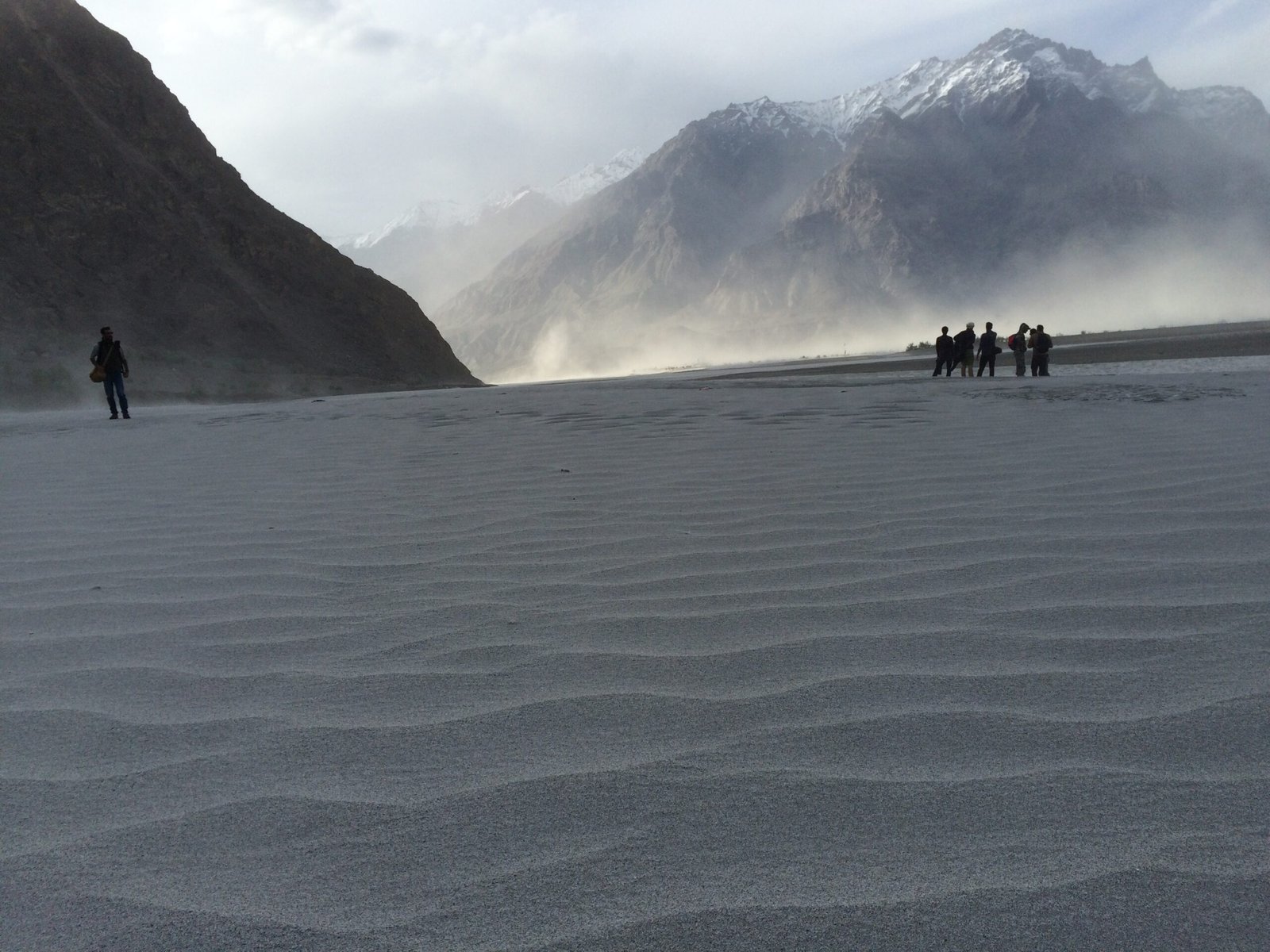
Swat Valley – Pakistan’s Green Switzerland
Swat trades drama for softness — green meadows, forested slopes, and rivers instead of bare rock and ice. Mahodand Lake reflects snow-capped peaks in clear water, and villages around Kalam and Bahrain give you working farmland, wooden houses, and shepherds for documentary-style shots alongside pure landscape work.
Getting there: Swat is about a 5-6 hour drive from Islamabad on a well-maintained motorway and road, making it one of the more accessible entries on this list for a shorter trip.
Fairy Meadows – Base Camp Views of Nanga Parbat
Fairy Meadows requires a jeep ride and a several-hour trek to reach, but it is the only easily accessible spot with a head-on view of Nanga Parbat, the world’s ninth-highest mountain. Clear nights here are genuinely dark-sky territory, making it one of the few realistic astrophotography locations in Pakistan — the Milky Way is visible with the naked eye in summer.
Getting there: a jeep from Raikot Bridge on the Karakoram Highway takes you to Tato village, followed by a 3-4 hour hike to Fairy Meadows itself. Plan on staying at least one night to catch both sunset and sunrise on Nanga Parbat.
Lake Saif ul Malook – Mirror of the Mountains
Near Naran in the Kaghan Valley, Saif ul Malook is famous for near-symmetrical reflections of Malika Parbat in its emerald water. It gets busy with tourists by mid-morning, so an early arrival matters more here than almost anywhere else on this list if you want a clean shot without boats and crowds in frame.
Getting there: a rugged jeep track climbs from Naran town, about 45 minutes each way. Sharing a jeep is common and inexpensive.
Deosai National Park – The Land of Giants
Deosai is a high-altitude plateau (over 4,000m) known for wide-open grassland, wildflowers in July, and Sheosar Lake. It is also one of the last habitats of the Himalayan brown bear, so wildlife photographers occasionally get lucky at dawn and dusk. The scale here suits wide-angle work — there is very little to break up the horizon.
Getting there: accessible by jeep from either Skardu or Astore, roughly 2-3 hours depending on the route and road conditions. The plateau is only open from June to September; snow closes it the rest of the year.
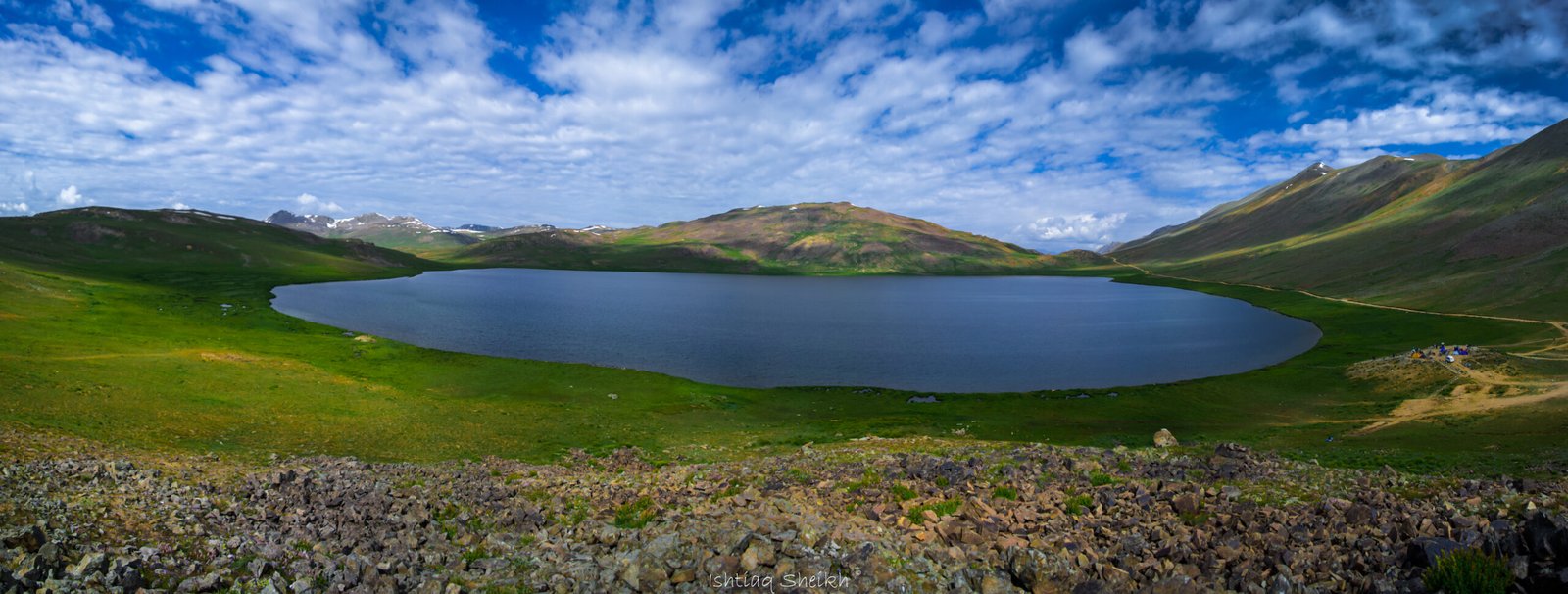
Naltar Valley – The Underrated Alternative
Naltar sits close to Hunza but sees a fraction of the visitors. Its pine forests and three colored lakes (Bashkiri, Satrangi, and Blue Lake) change shade with the light and season, and in winter the valley becomes a small ski resort with genuinely quiet snow scenes — useful if you want mountain photography without another tourist in every frame.
Getting there: a jeep track branches off the Karakoram Highway near Nomal, about 2 hours from Gilgit. A 4×4 is necessary for the final stretch.
Kalash Valleys – Where Culture Meets Nature
The three Kalash valleys (Bumburet, Rumbur, and Birir) in Chitral combine mountain scenery with one of Pakistan’s most distinct living cultures. Festivals like Chilam Joshi (May) bring color, movement, and traditional dress into what would otherwise be a straightforward landscape shot — worth timing a trip around if portraiture and cultural documentation interest you.
Getting there: Chitral is reachable by domestic flight from Islamabad or a long overland drive via Lowari Tunnel. From Chitral town, the Kalash valleys are a further 1-3 hour drive.
Photography Etiquette in Northern Pakistan
Always ask before photographing local people directly, especially in the Kalash valleys where visitors with cameras are common and can feel intrusive. A polite request, often just a smile and gesture, goes a long way and usually results in a better, more natural photo anyway.
Avoid flying drones near military installations, border areas, or without checking local regulations first — rules change and are enforced inconsistently, so confirm locally rather than assuming a drone permit from one region applies elsewhere.
Pack out what you bring in. Popular spots like Saif ul Malook and Naran have visible litter problems during peak season; carrying a small bag for your own trash costs nothing and keeps these locations photogenic for the next visitor.
Best Time and Practical Tips
Spring (March–May): blossoms in Hunza and Swat, but lower valleys only — high passes like Babusar and Deosai are usually still closed.
Summer (June–August): Deosai and Fairy Meadows are fully accessible, and this is peak season for most of the north — expect crowds at Saif ul Malook and Naran.
Autumn (September–October): generally the best window for photographers overall — clear skies, golden foliage, and thinner crowds than summer.
Winter (November–February): Naltar and Murree offer accessible snow photography, but most high-altitude routes (Deosai, Babusar Pass, Fairy Meadows) are closed.
Gear: a wide-angle lens covers most of these locations; a polarizing filter helps significantly with lake reflections and glare off snow. Bring extra batteries — cold temperatures at altitude drain them fast, and charging points are limited outside main towns.
Permits: some areas near the Line of Control or close to the Chinese border (parts of Gilgit-Baltistan and Chitral) may require a permit or NOC for foreign nationals — check current requirements with a local tour operator before traveling.
Connectivity: mobile signal is patchy to non-existent in Fairy Meadows, Deosai, and Naltar — download offline maps and let someone know your route before heading out.
Frequently Asked Questions
What is the best month for nature photography in Pakistan?
September and October generally offer the clearest skies and best light across the north, with autumn colors as a bonus.
Do I need a professional camera?
No. Modern phone cameras handle landscape shots well in good light; a dedicated camera helps most with low-light and long-exposure shots, such as astrophotography at Fairy Meadows or Deosai.
Is it safe to travel to these areas for photography?
Most of the locations covered here are established tourist routes and are generally safe to visit. It is worth checking current travel advisories and hiring a local guide for remote treks like Fairy Meadows.
Which location is best for a first-time visitor?
Hunza Valley is the easiest to reach, has the most infrastructure, and offers reliable photography opportunities year-round — a good starting point before tackling more remote spots like Deosai or Naltar.
Can I fly a drone at these locations?
Drone rules vary by region and change periodically, particularly near Gilgit-Baltistan and the Chitral border areas. Check current regulations with a local operator before you travel rather than assuming a blanket permit applies.
Conclusion: The Best Places for Nature Photography in Pakistan
From the blossom-covered slopes of Hunza to the dune-and-snow contrast of Skardu, Pakistan offers a genuinely unusual range of scenery within a few days’ travel. If this is your first trip north, pair this guide with our detailed write-ups on Hunza Valley, Skardu, and Swat Valley for route planning, and our trekking guide if Fairy Meadows or Deosai are on your list.
A traveler and storyteller who has personally visited several of Pakistan’s northern destinations and continues to explore more of the country every year. Adeel started Top Places in Pakistan to share honest, well-researched travel guides that help both local and international visitors plan trips with confidence. Read more about Adeel →
Adeel Ahmad is a Pakistan-based travel writer and the founder of Top Places in Pakistan, a travel guide dedicated to showcasing the country’s most stunning destinations. Born and raised in Lahore, Adeel has a deep love for Pakistan’s diverse landscapes — from the towering peaks of Hunza and Skardu to the lush valleys of Swat and the historic streets of Lahore. His mission is to inspire travelers to explore Pakistan’s natural beauty, rich culture, and hidden wonders through well-researched, authentic, and easy-to-follow travel guides.