Cities of Pakistan

Discover the vibrant cities of Pakistan, where culture, history, and modern life come together. From the historical streets of Lahore to the modern skyline of Karachi and the peaceful environment of Islamabad, each city offers a unique experience. Explore famous landmarks, food streets, shopping areas, and cultural attractions across Pakistan’s top cities.

Best Places in Karachi
Cities of Pakistan

Best Places in Karachi 2026: Beaches, History & Top Spots

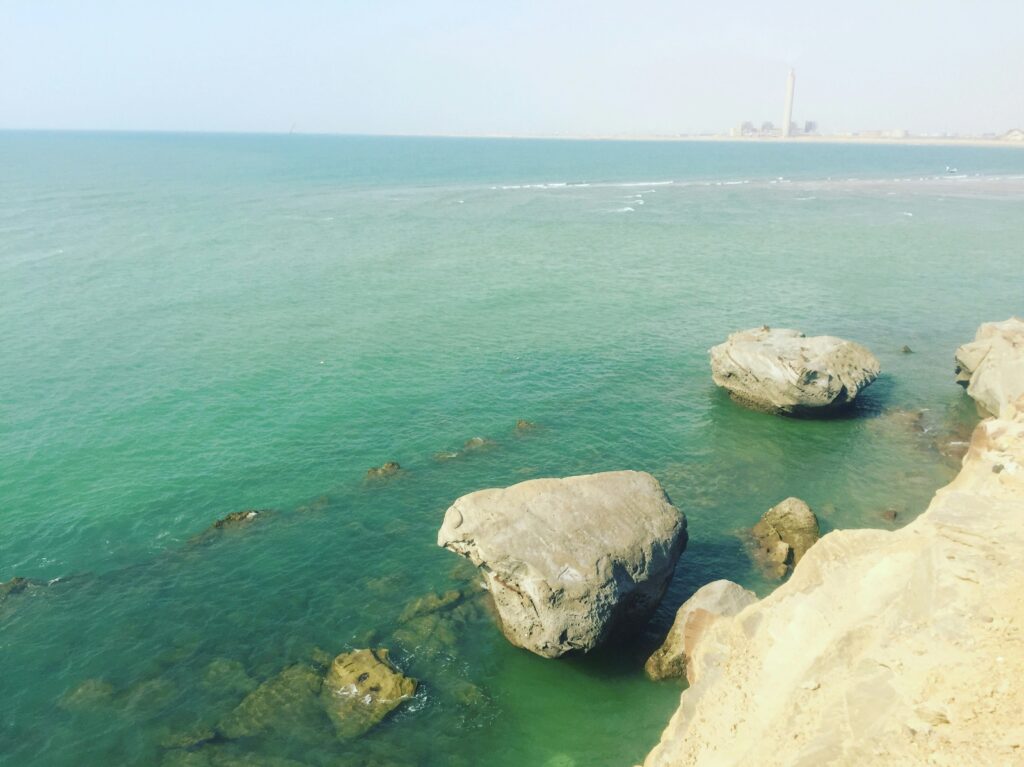
Karachi, Pakistan’s largest city, offers a genuinely wide mix of experiences — beaches along the Arabian Sea, colonial-era architecture, modern shopping malls, and a food scene that’s hard to match anywhere else in the country. Whether you’re a first-time visitor or a local looking to explore further, the city rewards a bit of planning. This guide covers the best places in Karachi worth building an itinerary around, from the coastline to the old city center. Why Karachi Is Worth Exploring Karachi is often called the city of lights, and it earns the name — it rarely slows down. As Pakistan’s financial hub, it’s also one of the most diverse cities in the region, home to people from a wide range of cultures and backgrounds. From beaches to historical architecture to modern malls, it’s a city that blends old and new in ways that surprise a lot of first-time visitors, and it’s exactly this contrast that puts so many of the best places in Karachi on the map. Clifton Beach Clifton Beach is one of the city’s most famous coastal spots, popular with families, tourists, and evening walkers alike. The sea breeze, horse and camel rides, and street food stalls all add to a lively atmosphere, and sunset here is genuinely one of Karachi’s best free views. It’s an easy first stop for anyone new to the city, and one of the most popular best places in Karachi to start any itinerary. Mohatta Palace Mohatta Palace is one of the city’s finest examples of colonial-era architecture, built with striking stonework and intricate detail. Today it operates as a museum showcasing art and culture, making it a favorite stop for history lovers and anyone curious about Karachi’s pre-independence past. The building itself is worth the visit even before you step inside, and it’s consistently ranked among the best places in Karachi for architecture alone. Quaid-e-Azam Mausoleum The mausoleum of Muhammad Ali Jinnah, Pakistan’s founder, is a national monument and a genuine symbol of respect and pride for the country. Its white marble structure stands out in the center of the city, and visitors come both to pay tribute and to learn more about Pakistan’s founding history. It’s one of the more meaningful stops on a Karachi itinerary, not just a photo opportunity, and remains one of the most visited best places in Karachi for anyone interested in the country’s history. Empress Market Empress Market in Saddar is one of the oldest and most atmospheric of the best places in Karachi for anyone who wants a real feel for the city rather than just its landmarks. Built during the British colonial era and named after Queen Victoria, the building’s clock tower and Gothic arches still stand over a market that sells everything from spices and textiles to fresh produce. It’s crowded, noisy, and a little chaotic — and that’s exactly the point. Wandering its lanes for half an hour tells you more about daily life in Karachi than most museums do. Port Grand Port Grand is a modern waterfront entertainment complex bringing together restaurants, live music, shopping, and cultural events in one spot. It’s especially lively after dark, when the whole complex lights up and fills with visitors looking for a solid night out combining food and entertainment in one place. It’s quickly become one of the buzzier best places in Karachi to grab dinner with a view. Do Darya Do Darya is known for its restaurants built directly along the water, offering a dining experience with ocean views and a steady sea breeze. It’s a popular evening destination for exactly that reason — good food paired with a genuinely scenic backdrop that’s hard to find elsewhere in the city. Pakistan Maritime Museum The Pakistan Maritime Museum offers a close look at Pakistan’s naval history, with real submarines, aircraft, and maritime exhibits on display. It’s both educational and genuinely interesting, making it one of the best places in Karachi for families and students to explore naval history together. Safari Park Safari Park is one of Karachi’s largest recreational spaces, offering wildlife viewing, chair lifts, and plenty of room for family picnics. It’s a reliable choice for outdoor time away from the city’s busier streets, and works especially well if you’re traveling with kids — one of the more family-friendly best places in Karachi to spend a full day outdoors. Dolmen Mall Clifton Dolmen Mall is Karachi’s best-known shopping destination, featuring international brands, restaurants, and entertainment options under one roof. For anyone who wants a break from sightseeing — or just wants to shop — it’s one of the most modern best places in Karachi to eat, browse, and unwind. Frere Hall Frere Hall is a historic building surrounded by well-kept gardens, known equally for its architecture and its calm atmosphere in the middle of a busy city. It regularly hosts art exhibitions and cultural events, and remains a favorite spot for photographers and local artists looking for a quieter corner of Karachi. Churna Island Churna Island sits just off Karachi’s coastline and is the city’s best option for snorkeling, scuba diving, and general marine life exploration. Adventure-minded travelers regularly include it as a weekend trip, and it’s one of the few spots near Karachi where the underwater scenery genuinely competes with the city’s landmarks for attention. Comparison of Top Places in Karachi Here’s a quick side-by-side look at some of the best places in Karachi covered in this guide, grouped by what each one is best suited for: Place Type Best For Clifton Beach Beach Relaxation & food Mohatta Palace Museum History & culture Quaid-e-Azam Mausoleum Monument National heritage Empress Market Market Local life & history Port Grand Entertainment Dining & nightlife Do Darya Restaurant zone Sea view dining Maritime Museum Museum Education & history Safari Park Park Family outings Dolmen Mall Shopping Retail & entertainment Frere Hall Historical Art & photography Churna Island Adventure Water sports Getting Around Karachi Karachi is a sprawling city, and traffic can be heavy at almost

Best Places in Karachi 2026: Beaches, History & Top Spots Read Post »
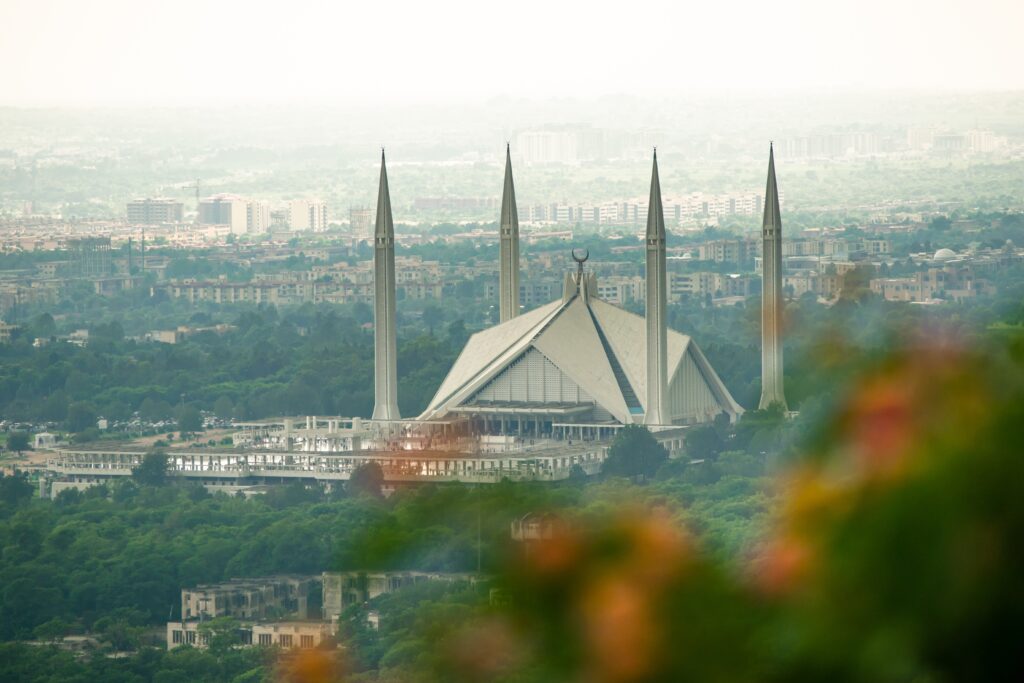
places to visit in islamabad 2026
Cities of Pakistan

Places to Visit in Islamabad (Travel Guide 2026)

Exploring the best places to visit in Islamabad 2026 starts with a city widely recognised as one of the most beautiful and well-planned capitals in the world. Unlike many crowded metropolitan cities, Islamabad is known for its clean environment, organised infrastructure, greenery, and peaceful lifestyle. This guide to places to visit in Islamabad 2026 covers how the city blends modern architecture with natural landscapes, making it an ideal destination for tourists, families, students, and photographers. One of Islamabad’s most distinctive features is its close connection with nature. The city is bordered by the breathtaking Margalla Hills, part of the Himalayan foothills, giving it a refreshing atmosphere that’s rare among capital cities. Tourism here has grown steadily in recent years thanks to improved facilities and better infrastructure, and this guide explores the mix of history, culture, nature, and modern lifestyle all packed into one city. Top Places to Visit in Islamabad 2026: Faisal Mosque — Architectural Masterpiece and National Icon Faisal Mosque is not only the largest mosque in Pakistan but also one of the most iconic religious landmarks in the world. Its unique design, inspired by a Bedouin tent, was created by Turkish architect Vedat Dalokay — a striking departure from traditional domed mosque architecture. Located at the base of the Margalla Hills, the mosque offers a stunning combination of natural and man-made beauty. The white marble structure reflects sunlight during the day and glows beautifully at night, creating a peaceful and spiritual environment. Inside, the mosque has a massive prayer hall that can accommodate thousands of worshippers, with an equally large courtyard often used for gatherings during religious events such as Eid prayers. Tourists from around the world visit not only for worship but also to admire the architecture, and the surrounding gardens and fountains — backed by the Margalla Hills — make it a favorite spot for photography, and one of the most photographed places to visit in Islamabad 2026. Daman-e-Koh — Islamabad’s Signature Viewpoint Daman-e-Koh is one of the most popular viewpoints in Islamabad, sitting partway up the Margalla Hills with a panoramic view over the entire city. From here, visitors can pick out landmarks like Faisal Mosque, Rawal Lake, and the city’s organized sectors below. It’s especially popular at sunset, when the changing sky and the city’s lights create a memorable scene. The area is surrounded by greenery and is home to monkeys and a variety of bird species, with small restaurants and resting points making it comfortable for families. Daman-e-Koh also doubles as a trailhead for hikes deeper into the Margalla Hills, making it a natural first stop for anyone planning to explore further. Pir Sohawa — A Hilltop Escape Above the City Pir Sohawa sits at the top of the Margalla Hills and is one of the highest accessible points near Islamabad. The drive up is memorable in its own right, winding through dense forest with scenic viewpoints along the way. At the top, cooler temperatures and fresh air make it a popular summer escape, and the restaurants and cafes here — many with outdoor seating and sweeping views — are especially popular for sunset dining. For hikers, trails connecting Daman-e-Koh to Pir Sohawa offer a challenging but rewarding route. Rawal Lake — A Peaceful Water Escape Rawal Lake is an artificial reservoir supplying water to Islamabad and Rawalpindi, but it’s also become one of the region’s most relaxing recreational spots. Surrounded by gardens, picnic areas, and walking tracks, it’s a regular destination for families looking to go boating, fish, or simply spend an afternoon outdoors. Sunset here is particularly striking, with the sky’s reflection creating a calm, photogenic scene, and migratory birds during certain seasons make it a draw for birdwatchers too. Nearby parks and food stalls round it out as a solid picnic destination. Pakistan Monument — Symbol of National Unity The Pakistan Monument represents the unity of the country’s four provinces and three territories through its distinctive petal-like structure. Located on the Shakarparian Hills, it’s visible from many parts of the city, and the interior museum walks through Pakistan’s history via artifacts, photos, and cultural exhibits — a popular stop for students and researchers alike. At night, the monument is beautifully lit, making it worth a return visit after dark. Shakarparian Park — A Green Escape One of Islamabad’s oldest recreational areas, Shakarparian Park sits near the Pakistan Monument and offers large green spaces, walking tracks, and gardens. It’s frequently used for national events and cultural festivals, and its elevated position gives scenic views over the city. Spring is the best time to visit, when blooming flowers and lush greenery make the park especially photogenic. Saidpur Village — History Meets Modern Culture Saidpur Village is a centuries-old settlement preserved and transformed into one of Islamabad’s most culturally rich attractions, reflecting a mix of Hindu, Sikh, and Muslim heritage through its ancient temples, traditional houses, and restored buildings. Today, it’s also home to restaurants, cafes, and art galleries, making it easy to combine traditional Pakistani food with a walk through historical architecture — a favorite for cultural photography. Margalla Hills National Park — Nature and Hiking Margalla Hills National Park is one of Islamabad’s most important natural attractions, covering forested hills that are home to leopards, monkeys, birds, and deer. Multiple hiking trails cater to different difficulty levels, with Trail 3 and Trail 5 among the most popular routes. The combination of fresh air, natural scenery, and a genuinely peaceful setting draws thousands of hikers, photographers, and fitness enthusiasts every week, making it one of the most rewarding places to visit in Islamabad 2026 for anyone who prefers the outdoors. Centaurus Mall — Modern Islamabad Centaurus Mall represents the city’s modern side — a multi-storey complex with international brands, restaurants, entertainment areas, and a cinema. It’s a popular stop for locals and tourists alike who want a break from sightseeing, and especially well-suited to families and younger visitors given its range of entertainment options. Lok Virsa Museum — Cultural Heritage Center

Places to Visit in Islamabad (Travel Guide 2026) Read Post »

Murree travel guide
Cities of Pakistan

Murree Travel Guide: Top Places & Best Time

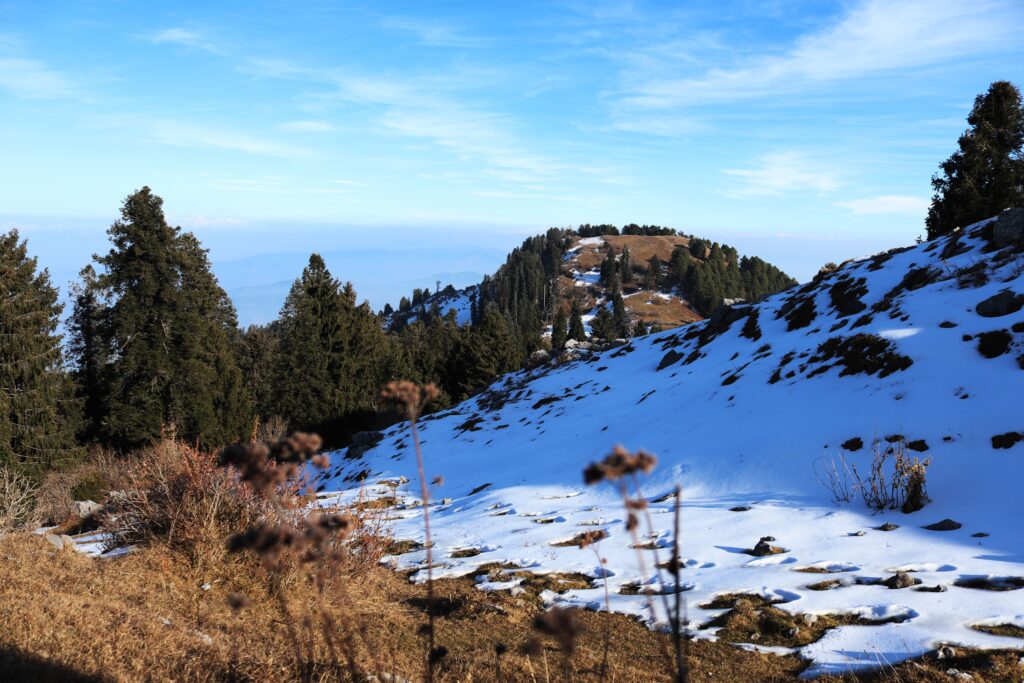
Murree is Pakistan’s best-known hill station, and for good reason — cool weather, pine-covered hills, and a short drive from Islamabad and Rawalpindi make it one of the easiest mountain escapes in the country. This Murree travel guide covers the main attractions, when to go, and what to expect, from the buzz of Mall Road to quieter viewpoints just outside town. Murree Travel Guide: Why It’s Worth the Trip Nicknamed the “Queen of Hills,” Murree sits at high altitude in northern Punjab, just a few hours from Islamabad and Rawalpindi — close enough for a weekend trip, high enough to feel like a proper mountain escape. The town has a well-developed tourism setup with plenty of hotels, restaurants, and guesthouses, so it works equally well as a day trip or a longer stay. Summer brings visitors escaping the heat of the plains; winter brings snow, and with it, an entirely different crowd chasing the season’s first flurries. Spring and autumn are quieter, milder, and honestly underrated if you’d rather skip the peak-season crowds. Mall Road — The Heart of Murree Mall Road is where most visitors spend their evenings — a bustling stretch lined with shops, cafes, and street vendors selling everything from handicrafts and winter clothing to roasted corn and hot pakoras. It gets especially lively at night, when the road fills with families walking, shopping, and grabbing tea from roadside stalls. Horse riding is a popular draw for kids, and no Murree travel guide is complete without a mention of it. It’s touristy, sure, but it’s also genuinely fun and a good barometer of Murree’s atmosphere at its liveliest. Kashmir Point — A Quieter Viewpoint For a break from the crowds, Kashmir Point offers one of the highest and calmest viewpoints in Murree, with sweeping views across toward the Kashmir mountains. It’s especially good at sunrise or sunset, when the changing light adds real drama to the mountain backdrop. Compared to Mall Road, it’s noticeably peaceful — a solid pick if you want photography time without jostling through crowds, and one of the quieter stops in this Murree travel guide. Pindi Point — Chair Lift and Cable Car Views Pindi Point is the spot for aerial views over Rawalpindi and the surrounding hills, reached via a chair lift and cable car that’s become one of Murree’s signature experiences. The ride itself carries you over forested slopes with views the whole way, and there are food stalls and seating at the top for a relaxed break. It’s a reliable hit with families, especially kids who get a kick out of the ride itself as much as the view. Patriata (New Murree) — Adventure with a View A short drive from central Murree, Patriata (better known as New Murree) runs some of the longest chair lift and cable car routes in the area, gliding over forests and valleys on the way up. At the top, walking trails and open viewpoints reward the climb, and because it sits outside the main town, it’s noticeably less crowded. If you want the adventure element of Murree without the Mall Road bustle, this is where to go. Ayubia National Park Ayubia is one of the region’s most important nature reserves, known for dense forest, varied wildlife, and well-kept hiking trails. The Pipeline Track is the standout walk here — a forest trail with steady mountain views throughout — and the Ayubia chair lift adds an aerial perspective for those who’d rather ride than hike. It’s a solid half-day addition to a Murree itinerary if you want nature and quiet over shopping and crowds. Nathia Gali — A Nearby Escape Part of the wider Galyat region, Nathia Gali is a smaller, quieter hill station many travelers add onto their Murree trip. It’s cooler and greener than Murree itself, with hiking trails winding through dense forest, and low-hanging cloud that occasionally settles right at ground level for a genuinely atmospheric effect. If Murree feels too busy, Nathia Gali is the natural next stop. How to Reach Murree Murree is one of the easiest hill stations in Pakistan to get to. From Islamabad or Rawalpindi, it’s roughly a 1.5 to 2-hour drive on a well-maintained road, making it genuinely feasible as a day trip if you leave early. Private cars and hired taxis are the most flexible option, while regular buses and vans also run from Rawalpindi’s Pir Wadhai bus terminal for a cheaper alternative. During peak season and on weekends, expect the final stretch into Murree to slow considerably due to traffic — this is the single biggest reason to start your drive early rather than mid-morning — a small planning tip that this Murree travel guide keeps coming back to. Where to Stay Accommodation in Murree ranges from budget guesthouses to well-known hotel chains, with the highest concentration of options clustered around Mall Road and Jinnah Road. Budget rooms are easy to find outside peak season but book up fast around major holidays and after fresh snowfall. Mid-range and upscale hotels offer more reliable heating and hot water — worth prioritizing in winter, when budget guesthouses can be underprepared for the cold. If you want a quieter base, consider staying slightly outside the main town, in the direction of Kashmir Point or Patriata, and taking a short taxi ride into the center when you want the Mall Road energy. Food in Murree Mall Road is packed with restaurants and street food stalls serving a mix of Pakistani classics — karahi, BBQ, and fast food — alongside the local staples of roasted corn and hot pakoras that are practically synonymous with a Murree evening. Sit-down restaurants along the main road offer more comfortable dining with mountain views, while the street food scene is where the real atmosphere is, especially after dark. Prices trend a bit higher than in Islamabad or Rawalpindi given the tourist volume, but not dramatically so — food is one of the easiest parts of this Murree travel guide to enjoy on

Murree Travel Guide: Top Places & Best Time Read Post »

Top Tourist Places in Lahore
Cities of Pakistan

Top Tourist Places in Lahore: Complete 2026 Travel Guide

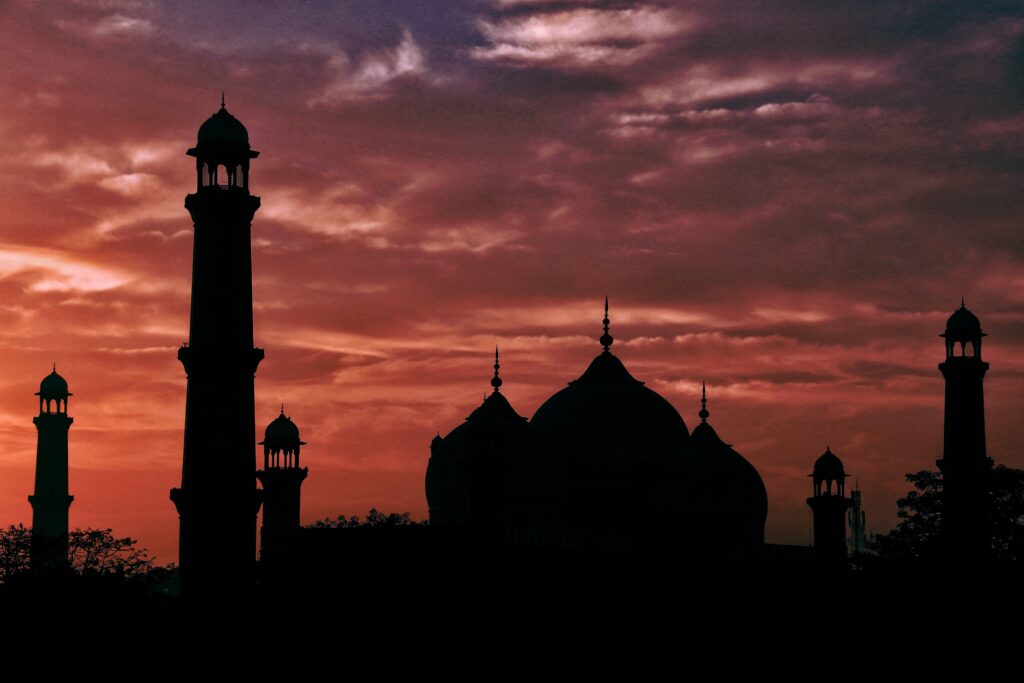
Lahore is one of the most beautiful and historically rich cities in the world. It is the cultural capital of Pakistan and a city that never sleeps. Every street, every wall, and every market in Lahore has a story to tell. From ancient Mughal architecture to lively modern bazaars, Lahore offers a unique experience that stays with every visitor forever. Known as the City of Gardens, Lahore is home to some of the most magnificent historical monuments, stunning mosques, lush parks, and vibrant food streets in all of South Asia. Every year, millions of tourists from across Pakistan and around the world visit Lahore to experience its rich culture, delicious food, and breathtaking heritage sites. Whether you are visiting for the first time or returning to rediscover its charm, Lahore always has something new to offer. In this guide, we cover the top tourist places in Lahore, plus its modern side and practical tips for planning your visit. Getting to Lahore Lahore is well connected by air, rail, and road, making it one of the easiest major cities in Pakistan to reach. Allama Iqbal International Airport handles both domestic and international flights, with regular connections from major Gulf, European, and South Asian hubs. Within the country, Lahore sits on the main north-south rail and motorway corridor, so trains and buses from Islamabad, Karachi, and Multan run frequently and reliably. Once you’re in the city, ride-hailing apps and rickshaws make getting between the sites in this guide straightforward, even during peak traffic hours. 1. Badshahi Mosque The Badshahi Mosque is perhaps the most iconic landmark in all of Lahore. Built in 1673 by the Mughal Emperor Aurangzeb, it is one of the largest mosques in the world and a true masterpiece of Mughal architecture. Architecture and beauty: The mosque is built entirely from red sandstone and white marble. Its four towering minarets rise high into the sky, and the massive central dome is visible from many parts of the city. The courtyard can hold over one hundred thousand worshippers at a single time. What to experience: Visit in the early morning when the light is soft and golden, or in the evening when it is beautifully illuminated. The view from the nearby Hazuri Bagh garden, with the mosque in the background, is unforgettable. A small museum inside contains historical artifacts. Best time to visit: Early morning and just after sunset. Entry is free. 2. Lahore Fort (Shahi Qila) Just beside the Badshahi Mosque stands the Lahore Fort, also known as Shahi Qila. This fortified palace complex has stood for over a thousand years and was home to Mughal emperors including Akbar, Jahangir, and Shah Jahan. History and significance: The Lahore Fort is a UNESCO World Heritage Site covering over twenty hectares with twenty-one distinct monuments. Must-see sections: The Sheesh Mahal (Palace of Mirrors) is a must-see, its walls covered in thousands of tiny mirror pieces. The Diwan-e-Aam, Diwan-e-Khas, and the marble Naulakha Pavilion are also highlights. Practical information: Open daily, modest entry fee, guides recommended. 3. Shalimar Gardens The Shalimar Gardens were built by Emperor Shah Jahan in 1641 as a royal paradise on earth, and are a UNESCO World Heritage Site. Design and layout: The gardens span three terraced levels connected by water channels, fountains, and cascading waterfalls across eighty acres. When to visit: Early morning or late afternoon, best in February–March during spring bloom. 4. Walled City of Lahore (Androon Lahore) The Walled City is the ancient heart of Lahore, one of the oldest continuously inhabited urban settlements in South Asia, with history stretching back over two thousand years. A living museum: Unlike a typical historic site, the Walled City is fully alive — people live, work, and cook here as their ancestors did. Old havelis with carved wooden balconies still stand from the Mughal and Sikh periods. Famous bazaars: Anarkali Bazaar and the restored Shahi Hammam bathhouse are both here, along with the old city’s famous food streets. Best way to explore: On foot or by rickshaw, early morning when the streets are quiet. Delhi Gate, one of thirteen original gates into the old city, is a good place to start and gives a strong first impression of the Walled City’s scale and character. 5. Data Darbar Data Darbar is the shrine of Hazrat Ali Hajveri (Data Ganj Bakhsh), one of the most revered Sufi saints in South Asian history, and the largest Sufi shrine in South Asia. A place of devotion: Visited by tens of thousands daily, with regular qawwali music performances. Architecture: The complex includes the main shrine, a large mosque, and a free community kitchen (langar). Note for visitors: Dress modestly, cover your head, and remove shoes before entering. Even for visitors with no religious connection to the shrine, the atmosphere here — the music, the crowds, the langar kitchen feeding thousands for free — is one of the more moving experiences Lahore has to offer. 6. Lahore Museum Established in 1865, the Lahore Museum is one of the oldest and most important museums in South Asia. What’s inside: Its most famous exhibit is the Fasting Buddha, a Gandhara sculpture, alongside Mughal paintings, coins, textiles, and Indus Valley artifacts. The building: Built in Indo-Saracenic style, it was famously described as the “Wonder House” in Rudyard Kipling’s novel Kim. Visitor info: Open six days a week, small entry fee, allow 2-3 hours. The museum’s collection also includes miniature paintings, ancient manuscripts, and a well-regarded gallery of contemporary Pakistani art, making it worth the visit even for travelers who aren’t typically museum-goers. 7. Minar-e-Pakistan Minar-e-Pakistan marks the spot where the Lahore Resolution was passed on March 23, 1940, calling for an independent Muslim homeland. The tower: Rising 60 meters, it combines Mughal and modern architectural styles, with the Lahore Resolution text engraved at its base. Iqbal Park: The monument sits inside one of South Asia’s largest urban parks, popular with families on weekends. Best time: March 23rd for Pakistan Day, or after dark when it’s lit

Top Tourist Places in Lahore: Complete 2026 Travel Guide Read Post »

Best Time to Visit Pakistan
Cities of Pakistan

Best Time to Visit Pakistan: A Complete Travel Guide

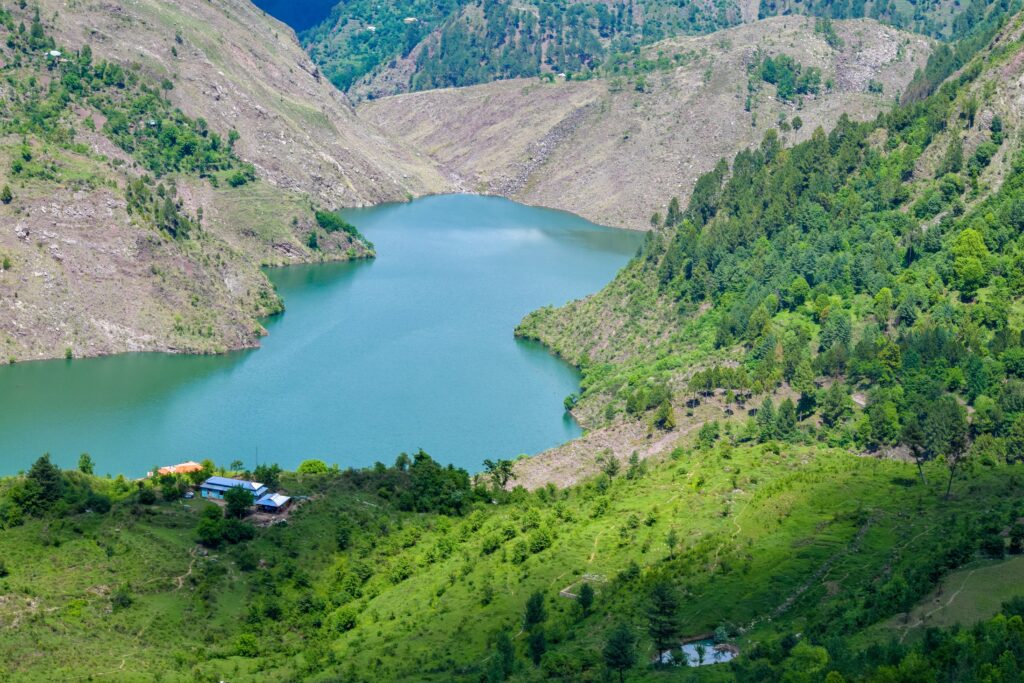
Figuring out the best time to visit Pakistan starts with understanding just how much the country changes from region to region. Pakistan is one of the most breathtakingly beautiful and culturally rich countries on earth. From the towering peaks of the Karakoram and Himalayan ranges in the north — home to K2, the second-highest mountain in the world — to the ancient ruins of Mohenjo-daro in the south, from the vibrant streets of Lahore to the alpine meadows below Nanga Parbat, Pakistan offers a travel experience unlike almost anywhere else. Despite that, it remains one of the more underrated destinations in the world, and one of the most common questions first-time visitors ask is simply: when should I go? The honest answer isn’t simple, because Pakistan is enormous and geographically diverse — tropical coastline, desert plains, fertile river valleys, ancient cities, and some of the highest mountains on Earth. The right season depends entirely on where you’re headed and what kind of trip you’re after. This guide walks through every season, every region, and the practical details that go with them. Why Visit Pakistan? Before getting into timing specifics, it’s worth understanding what the country actually offers: World-class mountains: Pakistan is home to five of the world’s fourteen 8,000-metre peaks, including K2 (8,611m). The Karakoram Range in Gilgit-Baltistan has the highest concentration of tall mountains anywhere on Earth. Ancient civilisations: The Indus Valley Civilization flourished here over 4,500 years ago. Mohenjo-daro and Harappa are UNESCO World Heritage Sites and among the most significant archaeological finds in history. Varied natural scenery: From the Thar Desert’s dunes to Swat’s green valleys, from Balochistan’s rugged coast to Azad Kashmir’s rivers, the landscape rarely repeats itself. Rich cultural heritage: Sitting at the crossroads of South Asia, Central Asia, and the Middle East, Pakistan’s culture blends Mughal, Persian, British colonial, and indigenous influences. Genuine hospitality: Visitors consistently rank the warmth of Pakistani hosts among the most memorable parts of any trip. Excellent food: From Karachi’s karahi and biryani to Peshawar’s chapli kebabs to fresh Gilgit trout, food is a genuine highlight, not an afterthought. Affordability: Accommodation, food, and transport all cost noticeably less here than in most comparable destinations. Pakistan’s Four Seasons at a Glance Pakistan experiences four distinct seasons, each suited to different regions: Season Months Temperature Best Regions Spring March–May 15°C – 28°C Lahore, Islamabad, Murree, Swat Summer June–August 25°C – 42°C (plains) Gilgit-Baltistan, Skardu, Hunza, Nathia Gali Autumn September–November 10°C – 25°C Entire country, especially the north Winter December–February 0°C – 15°C (plains) Karachi, Lahore, Mohenjo-daro, Balochistan There’s genuinely a good time to visit somewhere in Pakistan in every season — the trick is matching the right region to the right month. The Pakistan Meteorological Department’s official forecasts are worth checking closer to your travel dates. Spring (March to May) — A Season of Colour and Bloom Spring suits anyone wanting to experience Pakistan’s cultural heartland. As winter loosens its grip and temperatures settle into a comfortable 15–28°C across most of the country, the landscape comes alive — mustard fields turn the countryside yellow, and cherry and apricot blossoms explode in pink and white across Hunza and the other northern valleys. Best Places to Visit in Spring Lahore: Warm but not yet oppressive. Badshahi Mosque, Lahore Fort, the Walled City, and Gawalmandi’s food street are all in their element. Basant, the traditional kite-flying festival, is a spring fixture. Islamabad and Rawalpindi: The Margalla Hills turn green and the capital’s boulevards bloom. Daman-e-Koh, Rawal Lake, Faisal Mosque, and nearby Taxila are all worth a visit. Murree and Galiyat: Cool temperatures and fresh scenery once the winter snow melts, with excellent trekking around Galiyat. Swat Valley: Waterfalls are at their most powerful and the valley is carpeted in wildflowers. Malam Jabba, Kalam, and Mingora are the highlights. Hunza Valley: The cherry and apricot blossom season, usually late March to mid-April, is one of Pakistan’s most spectacular natural events, drawing visitors for the annual Hunza Blossom Festival. Spring Travel Tips Book Hunza accommodation well ahead if visiting during blossom season — it sells out months in advance. Spring rains can occasionally trigger landslides on mountain roads, so check conditions before travelling. Carry layers, since day-to-night temperature swings can be significant. Summer (June to August) — The Mountain Season Summer in Pakistan is really two different trips depending on where you are. In the plains — Lahore, Karachi, Multan, Peshawar — temperatures can hit 40°C or higher, making sightseeing genuinely uncomfortable. But in the northern mountains of Gilgit-Baltistan and the upper reaches of Khyber Pakhtunkhwa, summer is peak season for very good reason: high-altitude passes open, trekking trails become accessible, and the scenery is fully revealed under clear skies. Best Places to Visit in Summer Gilgit-Baltistan: Home to K2, Broad Peak, and Gasherbrum, with trekking and mountaineering unmatched anywhere else on Earth. Skardu: Gateway to K2 and the Baltoro Glacier. Shangrila Resort, Satpara Lake, Deosai Plains, and Skardu Fort are all accessible, and the Karakoram Highway drive there is scenic in its own right. Hunza Valley: Clear skies and good conditions for trekking around Rakaposhi and the Eagle’s Nest viewpoint, with fresh apricots and cherries in July and August. Fairy Meadows: The alpine meadow at the base of Nanga Parbat (8,126m), reached by jeep track and a short hike. Camping here under a clear sky with the mountain glowing at sunrise is one of the country’s genuine highlights. Deosai National Park: At roughly 4,114 metres, one of the highest plateaus in the world, covered in wildflowers with a real chance of spotting the Himalayan brown bear. Azad Kashmir: Neelum Valley, Shounter Lake, and Ratti Gali Lake are all at their best in summer. Nathia Gali and Ayubia: Cool hill stations near Islamabad for anyone wanting to escape the heat without travelling far. Summer Travel Tips Book flights to Gilgit and Skardu early — they sell out fast in peak months. Mountain weather is unpredictable, so carry rain gear and warm layers even in summer. Altitude

Best Time to Visit Pakistan: A Complete Travel Guide Read Post »

Scroll to Top