
Figuring out the best time to visit Pakistan starts with understanding just how much the country changes from region to region. Pakistan is one of the most breathtakingly beautiful and culturally rich countries on earth. From the towering peaks of the Karakoram and Himalayan ranges in the north — home to K2, the second-highest mountain in the world — to the ancient ruins of Mohenjo-daro in the south, from the vibrant streets of Lahore to the alpine meadows below Nanga Parbat, Pakistan offers a travel experience unlike almost anywhere else.
Despite that, it remains one of the more underrated destinations in the world, and one of the most common questions first-time visitors ask is simply: when should I go?
The honest answer isn’t simple, because Pakistan is enormous and geographically diverse — tropical coastline, desert plains, fertile river valleys, ancient cities, and some of the highest mountains on Earth. The right season depends entirely on where you’re headed and what kind of trip you’re after. This guide walks through every season, every region, and the practical details that go with them.
Why Visit Pakistan?
Before getting into timing specifics, it’s worth understanding what the country actually offers:
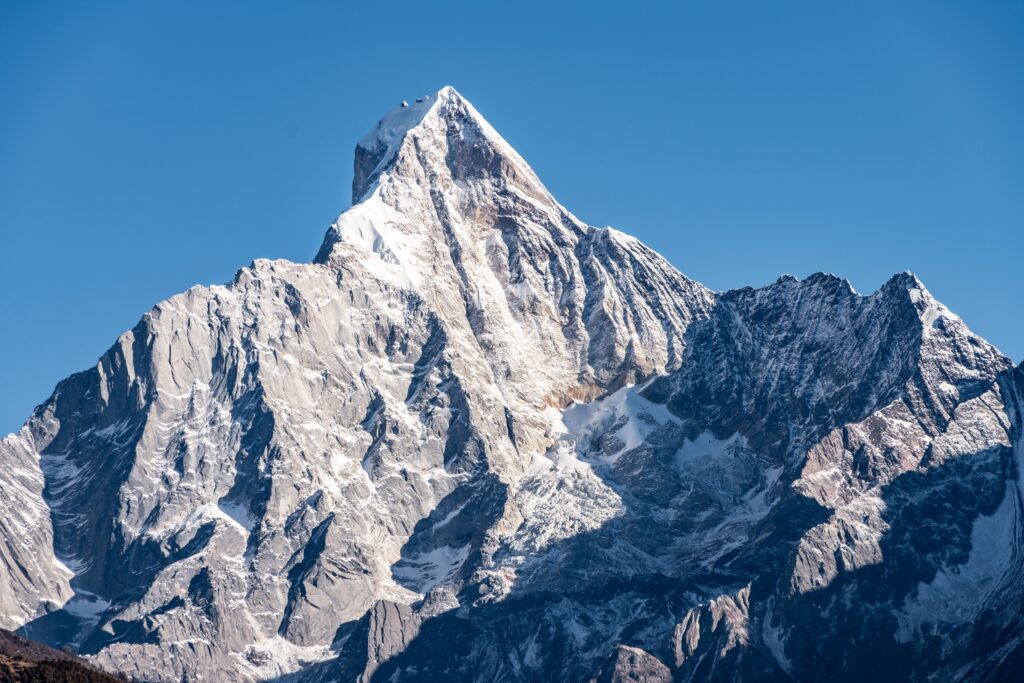
- World-class mountains: Pakistan is home to five of the world’s fourteen 8,000-metre peaks, including K2 (8,611m). The Karakoram Range in Gilgit-Baltistan has the highest concentration of tall mountains anywhere on Earth.
- Ancient civilisations: The Indus Valley Civilization flourished here over 4,500 years ago. Mohenjo-daro and Harappa are UNESCO World Heritage Sites and among the most significant archaeological finds in history.
- Varied natural scenery: From the Thar Desert’s dunes to Swat’s green valleys, from Balochistan’s rugged coast to Azad Kashmir’s rivers, the landscape rarely repeats itself.
- Rich cultural heritage: Sitting at the crossroads of South Asia, Central Asia, and the Middle East, Pakistan’s culture blends Mughal, Persian, British colonial, and indigenous influences.
- Genuine hospitality: Visitors consistently rank the warmth of Pakistani hosts among the most memorable parts of any trip.
- Excellent food: From Karachi’s karahi and biryani to Peshawar’s chapli kebabs to fresh Gilgit trout, food is a genuine highlight, not an afterthought.
- Affordability: Accommodation, food, and transport all cost noticeably less here than in most comparable destinations.
Pakistan’s Four Seasons at a Glance
Pakistan experiences four distinct seasons, each suited to different regions:
| Season | Months | Temperature | Best Regions |
|---|---|---|---|
| Spring | March–May | 15°C – 28°C | Lahore, Islamabad, Murree, Swat |
| Summer | June–August | 25°C – 42°C (plains) | Gilgit-Baltistan, Skardu, Hunza, Nathia Gali |
| Autumn | September–November | 10°C – 25°C | Entire country, especially the north |
| Winter | December–February | 0°C – 15°C (plains) | Karachi, Lahore, Mohenjo-daro, Balochistan |
There’s genuinely a good time to visit somewhere in Pakistan in every season — the trick is matching the right region to the right month. The Pakistan Meteorological Department’s official forecasts are worth checking closer to your travel dates.
Spring (March to May) — A Season of Colour and Bloom
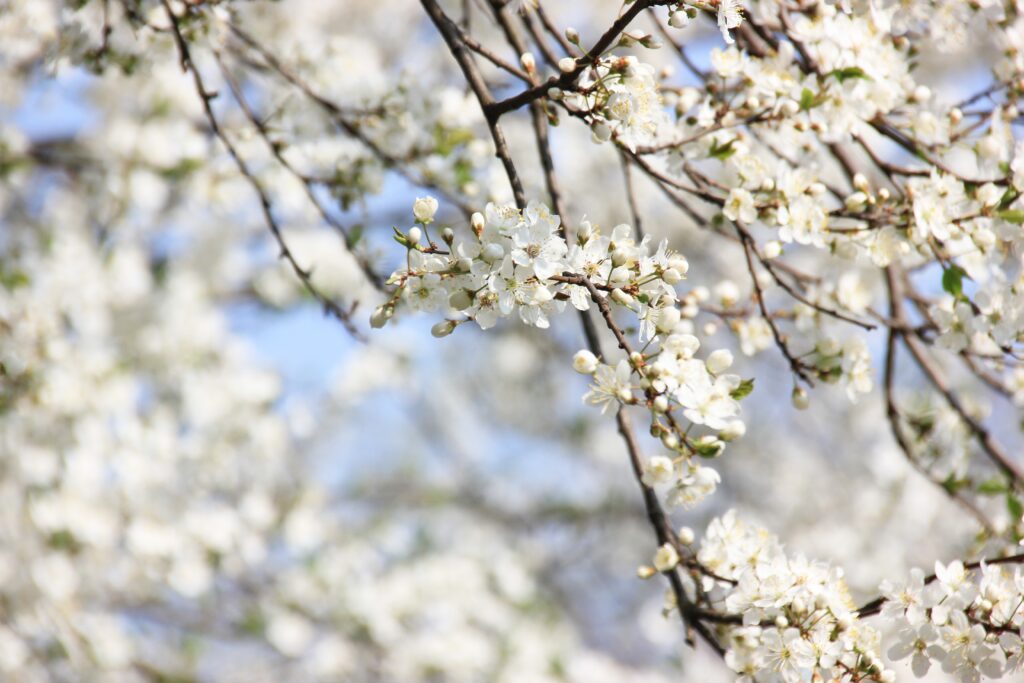
Spring suits anyone wanting to experience Pakistan’s cultural heartland. As winter loosens its grip and temperatures settle into a comfortable 15–28°C across most of the country, the landscape comes alive — mustard fields turn the countryside yellow, and cherry and apricot blossoms explode in pink and white across Hunza and the other northern valleys.
Best Places to Visit in Spring
- Lahore: Warm but not yet oppressive. Badshahi Mosque, Lahore Fort, the Walled City, and Gawalmandi’s food street are all in their element. Basant, the traditional kite-flying festival, is a spring fixture.
- Islamabad and Rawalpindi: The Margalla Hills turn green and the capital’s boulevards bloom. Daman-e-Koh, Rawal Lake, Faisal Mosque, and nearby Taxila are all worth a visit.
- Murree and Galiyat: Cool temperatures and fresh scenery once the winter snow melts, with excellent trekking around Galiyat.
- Swat Valley: Waterfalls are at their most powerful and the valley is carpeted in wildflowers. Malam Jabba, Kalam, and Mingora are the highlights.
- Hunza Valley: The cherry and apricot blossom season, usually late March to mid-April, is one of Pakistan’s most spectacular natural events, drawing visitors for the annual Hunza Blossom Festival.
Spring Travel Tips
Book Hunza accommodation well ahead if visiting during blossom season — it sells out months in advance. Spring rains can occasionally trigger landslides on mountain roads, so check conditions before travelling. Carry layers, since day-to-night temperature swings can be significant.
Summer (June to August) — The Mountain Season
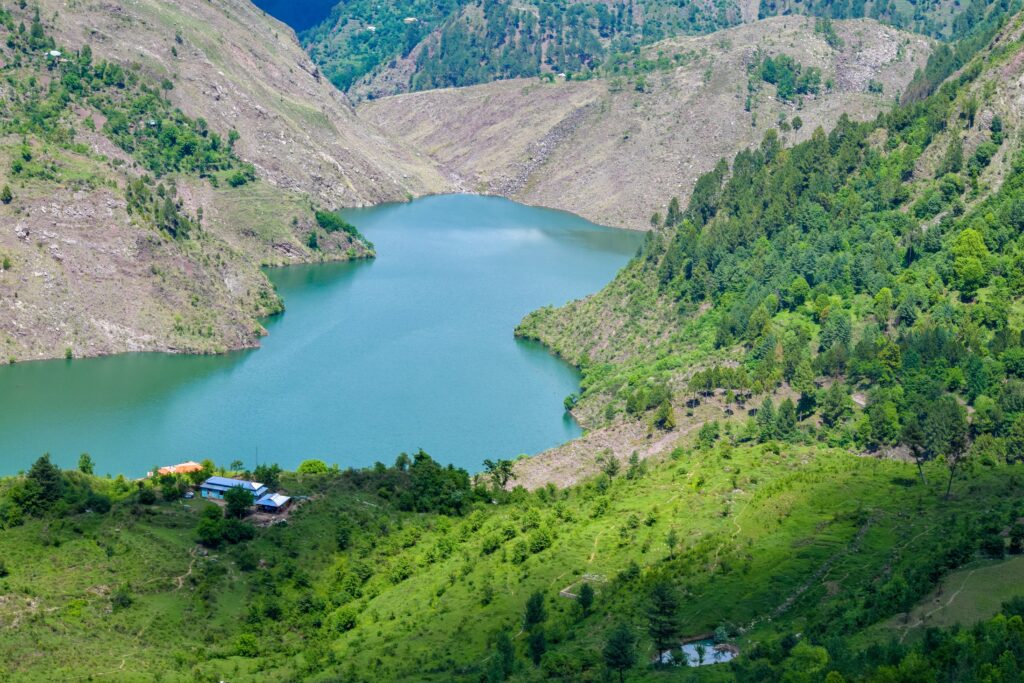
Summer in Pakistan is really two different trips depending on where you are. In the plains — Lahore, Karachi, Multan, Peshawar — temperatures can hit 40°C or higher, making sightseeing genuinely uncomfortable. But in the northern mountains of Gilgit-Baltistan and the upper reaches of Khyber Pakhtunkhwa, summer is peak season for very good reason: high-altitude passes open, trekking trails become accessible, and the scenery is fully revealed under clear skies.
Best Places to Visit in Summer
- Gilgit-Baltistan: Home to K2, Broad Peak, and Gasherbrum, with trekking and mountaineering unmatched anywhere else on Earth.
- Skardu: Gateway to K2 and the Baltoro Glacier. Shangrila Resort, Satpara Lake, Deosai Plains, and Skardu Fort are all accessible, and the Karakoram Highway drive there is scenic in its own right.
- Hunza Valley: Clear skies and good conditions for trekking around Rakaposhi and the Eagle’s Nest viewpoint, with fresh apricots and cherries in July and August.
- Fairy Meadows: The alpine meadow at the base of Nanga Parbat (8,126m), reached by jeep track and a short hike. Camping here under a clear sky with the mountain glowing at sunrise is one of the country’s genuine highlights.
- Deosai National Park: At roughly 4,114 metres, one of the highest plateaus in the world, covered in wildflowers with a real chance of spotting the Himalayan brown bear.
- Azad Kashmir: Neelum Valley, Shounter Lake, and Ratti Gali Lake are all at their best in summer.
- Nathia Gali and Ayubia: Cool hill stations near Islamabad for anyone wanting to escape the heat without travelling far.
Summer Travel Tips
Book flights to Gilgit and Skardu early — they sell out fast in peak months. Mountain weather is unpredictable, so carry rain gear and warm layers even in summer. Altitude sickness is a real risk above 3,000m; acclimatise slowly and stay hydrated. The Karakoram Highway can be affected by landslides during heavy rain, so check conditions. Hiring a local guide for remote trekking is strongly recommended.
Autumn (September to November) — The Golden Season
Ask experienced Pakistan travellers to name a single best season, and many will say autumn without hesitation. The summer heat has faded, the mountain passes are still open, and the whole country takes on a golden glow — northern valleys draped in reds, oranges, and yellows under crystal-clear skies.
Best Places to Visit in Autumn
- Northern Pakistan generally: Crowds thin out from summer peak, prices ease slightly, and every valley from Swat to Hunza to Skardu is in full autumn colour — arguably the best season for photography in the country.
- Hunza and Gojal Valleys: Poplar trees turn gold, harvest season brings fresh walnuts and dried apricots, and Attabad Lake shimmers against the Passu Cones.
- Lahore and Punjab: Temperatures settle to a comfortable 20–28°C by October, making the Fort, Shalimar Gardens, and old city markets far more enjoyable to explore.
- Islamabad and Margalla Hills: Cool, clear days ideal for hiking the Margalla trails.
- Peshawar and Khyber Pakhtunkhwa: A good time for the old bazaars, the Peshawar Museum, and day trips to the Khyber Pass.
- Mohenjo-daro and Makli Necropolis, Sindh: Temperatures drop to manageable levels, making these ancient sites far more comfortable to explore on foot.
Autumn Travel Tips
This is the busiest travel season, so book accommodation ahead. Late September and October bring the best foliage colour in the north. High-altitude passes start closing in late October and November, so plan mountain trips for September if possible.
Winter (December to February) — Southern Comfort
Winter flips the script: while the northern mountains disappear under heavy snow and become largely inaccessible, southern and southwestern Pakistan enter their most comfortable season. For anyone focused on the south and the coast, winter is the clear answer.
Karachi, Hyderabad, Multan, and the rest of Sindh and Balochistan settle into a mild 15–22°C, with low humidity and clear skies. Lahore and Islamabad see cooler but generally pleasant winters, with occasional cold snaps.
Best Places to Visit in Winter
- Karachi: Clifton Beach and French Beach are genuinely pleasant in cool weather, alongside the food scene around Burns Road and Boat Basin, Frere Hall, and the National Museum of Pakistan.
- Mohenjo-daro, Sindh: Winter is by far the best time to walk through this 4,500-year-old site in comfortable temperatures.
- Makli Necropolis, Thatta: One of the largest funerary sites in the world, and a UNESCO World Heritage Site with over 125,000 tombs and monuments.
- Quetta and Balochistan: Cool, clear, and comfortable, with Hanna Lake and Urak Valley as scenic add-ons.
- Lahore in winter: Cool, misty mornings give the city a genuinely atmospheric quality, and the Mughal monuments look especially good in soft winter light.
- Murree: For snow without travelling far from Islamabad — January and February bring reliable snowfall.
Winter Travel Tips
Northern mountain roads are mostly closed — don’t attempt them without local knowledge and the right equipment. Lahore can see dense fog in December and January, which affects flights and road travel. Winter is low season in much of the country, so accommodation deals are easier to find.
Region-by-Region Guide to the Best Time to Visit
Pakistan’s diversity means timing varies a lot by region:
Gilgit-Baltistan (K2, Hunza, Skardu)
May to October, with peak trekking June to September. Hunza’s blossom season runs late March to mid-April. Avoid November to April, when heavy snow closes most roads. For a full regional breakdown, see our Gilgit-Baltistan travel guide.
Khyber Pakhtunkhwa (Swat, Peshawar, Kaghan)
April to October. Spring brings wildflowers, summer is ideal for Kaghan and Naran, and autumn is best for Swat’s foliage. Peshawar itself is comfortable most of the year but especially pleasant October to April.
Azad Kashmir (Neelum Valley, Muzaffarabad)
April to October, with summer as peak season for trekking and lakes. Avoid the July–August monsoon window, when heavy rain can trigger flooding and landslides.
Punjab (Lahore, Multan, Faisalabad)
October to March. Avoid May through August, when temperatures regularly exceed 40°C.
Islamabad and Rawalpindi
October to April is best, though the capital’s elevation makes its climate more forgiving year-round than Lahore’s.
Sindh (Karachi, Hyderabad, Mohenjo-daro)
November to February. Summers are extremely hot and humid, and the July–August monsoon brings heavy rainfall.
Balochistan (Quetta, Gwadar)
October to April. Quetta stays relatively cool year-round due to elevation; Gwadar and the Makran coast are best in winter.
Festivals and Events Worth Timing a Trip Around
Pakistan’s cultural calendar can add real depth to a trip if you plan around it:
- Basant Festival (February/March, Lahore): The city’s traditional kite-flying festival fills the sky with colour.
- Hunza Blossom Festival (late March/April): Music, dance, and food set against the cherry and apricot blossoms.
- Shandur Polo Festival (July): Held at 3,700 metres on the world’s highest polo ground, between teams from Gilgit and Chitral.
- Eid-ul-Fitr and Eid-ul-Adha (varies): Major Islamic festivals marked by feasting, family gatherings, and a genuinely warm atmosphere for visitors — though some tourist services run reduced hours.
- Independence Day (August 14): Parades and fireworks nationwide, with Islamabad’s celebrations especially notable.
- Lok Mela Festival (October, Islamabad): An annual folk arts and crafts festival covering all four provinces — good for shopping, food, and music.
Practical Travel Tips for Visiting Pakistan
Visa Requirements
Pakistan’s e-visa system lets most eligible nationalities apply online before arrival, and some nationalities can get a visa on arrival. Always check current requirements on the official government site before planning around them.
Safety
Major destinations — Lahore, Islamabad, Hunza, Swat, Skardu — are generally safe for tourists, though it’s worth registering with your country’s travel advisory, staying current on regional conditions, and hiring local guides for remote areas.
Transportation
Domestic flights connect major cities to Gilgit and Skardu via PIA and Air Sial. The Karakoram Highway is one of the most scenic roads in the world, and local buses, minibuses, and hired cars with drivers cover most other routes.
Accommodation
Options range from international hotel brands in Karachi, Lahore, and Islamabad to locally run guesthouses in the north that offer a more authentic (and often more memorable) stay.
Currency and Costs
The Pakistani Rupee is the local currency; ATMs are reliable in cities but scarce in remote mountain areas, so carry cash when heading north. Overall costs remain low relative to most international destinations.
Health Precautions
Check with your doctor about recommended vaccinations (typically Hepatitis A, Typhoid, and Tetanus). Stick to bottled water, and be aware of altitude sickness symptoms at higher elevations.
Dress Code and Cultural Sensitivity
Pakistan is predominantly Muslim with conservative social norms in most regions. Modest dress is appropriate, especially outside major cities, and women should carry a scarf for religious sites. Always ask before photographing people — a simple “Assalamu Alaikum” tends to go a long way.
Top Must-See Attractions in Pakistan
- K2 Base Camp Trek (Gilgit-Baltistan): One of the world’s great trekking routes, through the Baltoro Glacier. Best July–August.
- Hunza Valley: Dramatic scenery, ancient forts, and legendary hospitality — good in every season.
- Lahore Fort and Badshahi Mosque: Among the finest Mughal architecture anywhere. Best October–March.
- Mohenjo-daro (Sindh): A 4,500-year-old Indus Valley city. Best November–February.
- Fairy Meadows: Alpine meadow beneath Nanga Parbat. Best June–September.
- Shalimar Gardens (Lahore): Mughal garden architecture from 1641, best in spring and autumn.
- Deosai National Park: The world’s second-highest plateau. Best June–September.
- Taxila (Punjab): Buddhist ruins and Gandharan art dating to the 6th century BCE. Best October–March.
- Swat Valley: Green valleys, Buddhist ruins, and winter skiing — good year-round.
- Makli Necropolis (Sindh): A vast UNESCO-listed funerary site. Best November–February.
Conclusion: So, What’s the Best Time to Visit Pakistan?
Pakistan rewards curious travellers with experiences that are genuinely hard to find elsewhere — the highest mountains on Earth alongside some of humanity’s oldest cities. The right time to visit comes down entirely to where you’re headed: summer for the mountains, autumn for the whole country at once, winter for the south and its ancient sites, and spring for blossoms in the northern valleys.
Pakistan’s tourism infrastructure keeps improving, and the hospitality that’s always defined travel here hasn’t changed at all. Plan around the season that fits your interests, and it’s genuinely hard to come away disappointed. If you take one thing from this guide, it’s that the best time to visit Pakistan isn’t a single month — it’s whichever season matches the region on your list.
FAQs — Best Time to Visit Pakistan
1. What’s the single best month to visit Pakistan for first-time travellers?
October is usually recommended — comfortable weather nearly everywhere, peak autumn foliage in the north, and mountain passes still open.
2. When’s the best time to trek in Gilgit-Baltistan?
June to September, with July and August as peak trekking months. For Hunza’s blossom season specifically, aim for late March to mid-April instead.
3. Is Pakistan safe to visit as a foreign tourist?
Major tourist destinations are generally considered safe for foreign visitors, though checking current travel advisories and hiring local guides for remote areas is good practice.
4. What should I pack for a trip to Pakistan?
It depends heavily on season and region — trekking gear and warm layers for the north in summer, modest layered clothing for cities, and a scarf for women visiting religious sites.
5. How many days do I need to properly see Pakistan?
A 10–14 day autumn trip covering Lahore, Islamabad, and a northern circuit (Hunza, Skardu, Fairy Meadows) is a strong balance of time and experience for most first-time visitors.
A traveler and storyteller who has personally visited several of Pakistan’s northern destinations and continues to explore more of the country every year. Adeel started Top Places in Pakistan to share honest, well-researched travel guides that help both local and international visitors plan trips with confidence. Read more about Adeel →
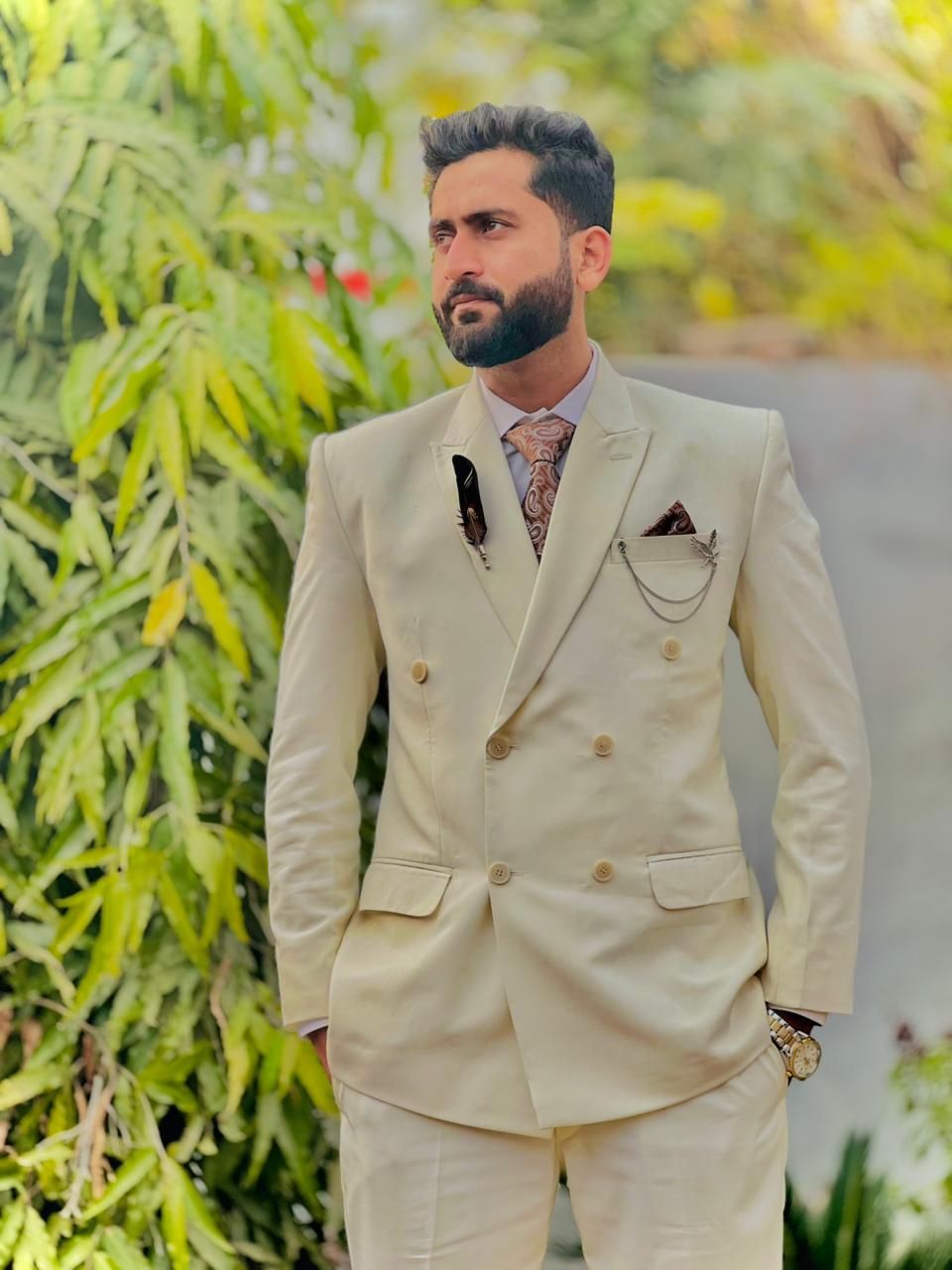
Adeel Ahmad is a Pakistan-based travel writer and the founder of Top Places in Pakistan, a travel guide dedicated to showcasing the country’s most stunning destinations. Born and raised in Lahore, Adeel has a deep love for Pakistan’s diverse landscapes — from the towering peaks of Hunza and Skardu to the lush valleys of Swat and the historic streets of Lahore. His mission is to inspire travelers to explore Pakistan’s natural beauty, rich culture, and hidden wonders through well-researched, authentic, and easy-to-follow travel guides.