
Lakes & Valleys

Explore the most scenic lakes and valleys in Pakistan, famous for their natural beauty and calm surroundings. From Saif-ul-Malook to Attabad Lake and the valleys of Hunza and Swat, these places offer breathtaking views and peaceful experiences. Ideal for nature lovers, photographers, and travelers seeking tranquility.

saif ul malook lake travel guide
Lakes & Valleys

Saif ul Malook Lake Travel Guide 2026: Stunning Views & Tips

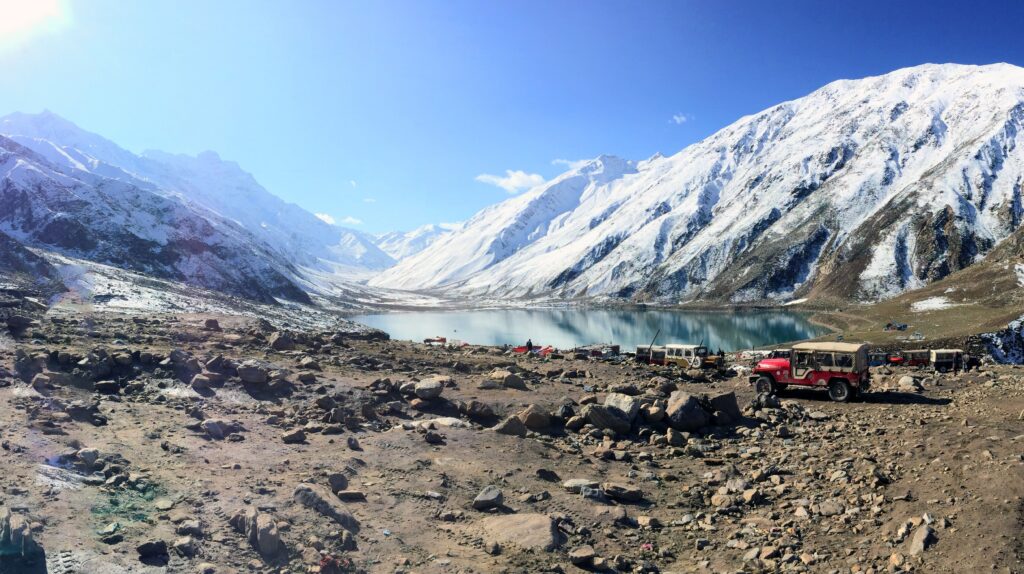
Saif ul Malook Lake is one of the most famous and breathtaking natural attractions in Pakistan. Located near Naran in the Kaghan Valley of Khyber Pakhtunkhwa, this alpine lake is known for its crystal-clear water, snow-covered mountains, and scenery that draws thousands of visitors every year. This Saif ul Malook Lake travel guide covers everything worth knowing before you go. At an altitude of around 3,224 metres above sea level, Saif ul Malook is not just a tourist destination but also a symbol of natural beauty and folklore. The lake is surrounded by towering peaks, including the famous Malika Parbat, which adds real drama to its landscape. It’s also deeply connected to a romantic fairy tale that gives it a mystical, cultural weight beyond the scenery alone. For many travelers heading into the Kaghan Valley, this lake is the single image that first drew them to the region — and it tends to live up to that expectation once you’re actually standing at the water’s edge. Saif ul Malook Lake Travel Guide: Location and Overview Saif ul Malook Lake sits roughly 8 kilometres from Naran town, inside the wider Kaghan Valley — one of the most visited tourist regions in Pakistan. The lake lies within a national park area, ringed by glaciers and snow-covered peaks. Because of its high altitude, temperatures stay cold for most of the year, and the lake freezes over completely during winter. That remote setting is exactly what makes it one of the most striking alpine lakes anywhere in the world. How to Reach Saif ul Malook Lake Getting there starts with reaching Naran, accessible by road from major cities including Islamabad, Abbottabad, and Mansehra. From Naran, the final stretch to the lake is covered by jeep or on foot. The jeep ride is the more popular option, taking roughly 30 to 40 minutes over a rough, unpaved track that makes the short trip genuinely adventurous. Hiking is also possible for those who prefer it, though it demands reasonable fitness given the steep terrain and altitude. Jeep services are readily available from local drivers in Naran throughout peak season. This section of the Saif ul Malook Lake travel guide is worth re-reading closer to your trip, since jeep availability can shift with the weather. Best Time to Visit May through September is the window worth planning around — this is when snow clears and the road to Naran opens up. Summer brings pleasant weather and full visibility of the lake’s deep blue water against green surrounding slopes, though it’s also peak season, so expect crowds. Winter brings heavy snowfall that blocks the roads entirely and freezes the lake solid, making it inaccessible to most visitors. If photography and a quieter atmosphere matter to you, aim for early morning or late afternoon rather than midday. Timing is one of the most useful things to take from this Saif ul Malook Lake travel guide if you only remember one tip. Natural Beauty and Landscape Saif ul Malook Lake earns its reputation for unmatched natural beauty — on calm days, it reflects the surrounding mountains almost like a mirror. Malika Parbat is the most prominent peak nearby, snow-covered year-round, and the combination of glaciers, rock, and blue water creates a genuinely surreal setting. Because the lake’s appearance shifts with sunlight and weather throughout the day, it’s become a favorite subject for photographers chasing different moods from the same spot. Activities at the Lake Boating is the standout activity here — local operators run rides that let you get out onto the water and take in the surrounding peaks from a different angle. Photography draws just as many visitors, given how much the lake’s light and color shift throughout the day. For those who want more movement, short hikes around the lake’s edge offer a good look at the terrain, and plenty of people simply sit by the water for a while, which given the setting, is honestly reason enough to visit. Folklore and Cultural Importance Beyond its scenery, Saif ul Malook carries real cultural weight. According to local folklore, a Persian prince named Saif ul Malook fell in love with a fairy princess, Badi-ul-Jamal, at this very lake — a story passed down for generations and famously immortalized by Sufi poet Mian Muhammad Bakhsh in his poetry. That layer of legend gives the lake a romantic, almost mythical quality that goes beyond its natural beauty alone. Accommodation Near the Lake There’s no lodging directly at the lake itself, but Naran — the nearby town — offers a full range of hotels, guesthouses, and lodges to suit families, groups, and solo travelers alike, from budget stays to mid-range hotels. During peak season, booking ahead is genuinely worth it, since demand climbs fast and last-minute options thin out quickly. Travel Tips Prepare properly given the altitude and shifting weather — warm clothing matters even in summer, since temperatures can drop suddenly, and comfortable shoes make the jeep-to-lake walk and any hiking far easier. Carry basic supplies like water, snacks, and any medicines you might need, since options thin out once you’re past Naran, and expect mobile signal to be weak or nonexistent in stretches. Respecting the site and packing out your own trash goes a long way toward keeping the lake as striking as it is now. These are the practical basics every Saif ul Malook Lake travel guide should cover before you set off. Challenges to Expect The road from Naran to the lake is rough and not suitable for every vehicle, so factor that into your transport plans. Weather can shift quickly — sudden rain or cold wind isn’t unusual — and during peak season, overcrowding is a real possibility at the more accessible viewpoints. None of this takes much away from the experience, but it’s worth going in prepared rather than surprised. FAQs 1. Where is Saif ul Malook Lake located? Near Naran in the Kaghan Valley of Khyber Pakhtunkhwa, Pakistan. 2. What is the best time

Saif ul Malook Lake Travel Guide 2026: Stunning Views & Tips Read Post »
Beautiful Lakes to Visit in Pakistan
Lakes & Valleys

Beautiful Lakes to Visit in Pakistan – A Natural Paradise to Explore

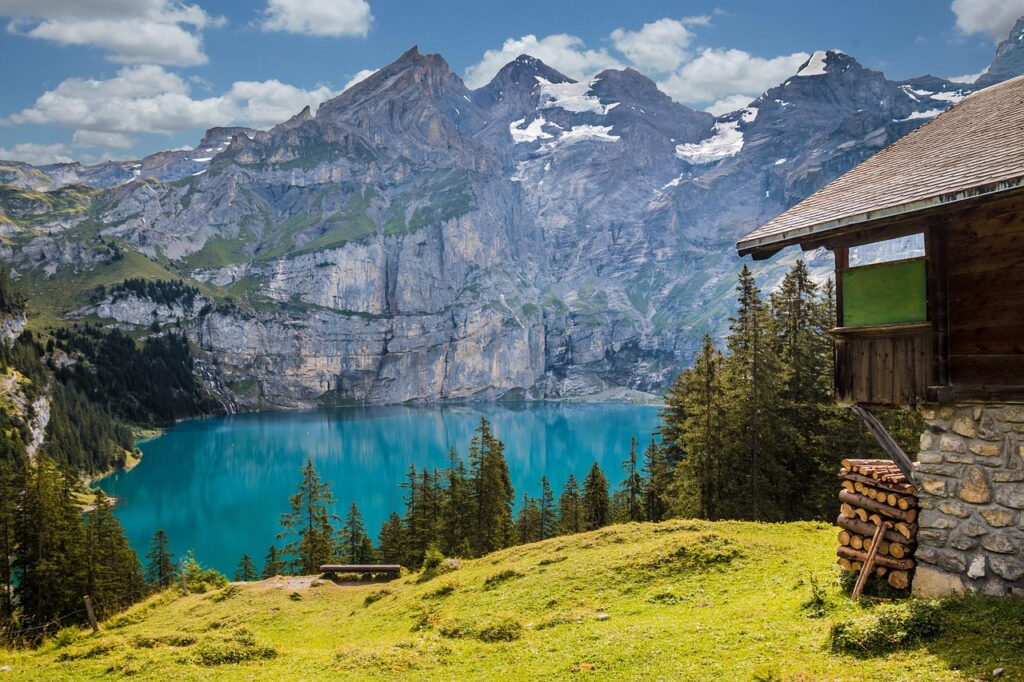
Looking for the most beautiful lakes to visit in Pakistan? Pakistan’s lakes range from world-famous alpine icons to genuinely obscure high-altitude spots that take a serious trek to reach. Most sit in Gilgit-Baltistan or Khyber Pakhtunkhwa, ringed by peaks and glaciers, and each has its own character — some built for a relaxed afternoon, others strictly for committed trekkers. Here’s a rundown of the country’s standout lakes, and what it actually takes to visit each one. 1. Saif-ul-Malook Lake – The Most Iconic Lake Saif-ul-Malook, near Naran in the Kaghan Valley, is probably the single most photographed lake in the country — deep blue water ringed by snow-covered peaks. Visitors typically travel by jeep from Naran, especially between June and September when the road is reliably open, passing meadows and rivers along the way. The lake also carries genuine cultural weight: local folklore ties it to a romantic tale about Prince Saif-ul-Malook, which adds a layer of storytelling that most lakes on this list don’t have. For the full picture on visiting, see our Saif-ul-Malook Lake travel guide. 2. Attabad Lake — A Stunning Natural Wonder Among the Beautiful Lakes to Visit in Pakistan Attabad Lake didn’t exist until 2010, when a massive landslide blocked the Hunza River and created it almost overnight. Despite the relatively recent origin, the bright turquoise water against rugged mountains has made it one of the most recognisable lakes in the north. Boating, kayaking, jet skiing, and simple lakeside relaxation are all on offer here. 3. Sheosar Lake – The Jewel of Deosai Sheosar Lake sits inside Deosai National Park at over 4,100 metres above sea level, making it one of the highest lakes on this list. The surrounding Deosai plains, summer wildflowers, and wide-open sky give it a setting unlike anything at lower altitude. June to September is the reliable window, and there’s a real chance of spotting the Himalayan brown bear nearby. 4. Shangrila Lake – A Postcard-Perfect Destination Shangrila Lake, also known as Lower Kachura Lake, sits near Skardu and is one of the easiest lakes on this list to reach. Calm water, green surroundings, and the nearby Shangrila Resort make it a natural fit for family trips or honeymoon stops that don’t require a serious trek. 5. Rush Lake – A Surreal High-Altitude Beauty Rush Lake ranks among the highest alpine lakes in the world, and reaching it demands either a genuine trek or a strong 4×4 for part of the way. The deep blue water set against rugged terrain rewards the effort, particularly for photographers willing to make the climb. 6. Ansoo Lake – The Tear-Shaped Wonder Ansoo Lake takes its name from the Urdu word for “tear,” a reference to its distinctive tear-drop shape. Reaching it requires a demanding hike through Kaghan Valley, and given the altitude and steep trails involved, most visitors go with a guide. That remoteness is exactly what’s kept it untouched. 7. Borith Lake – A Peaceful Escape Borith Lake, near Gulmit and Passu in Hunza Valley, is smaller than most on this list but makes up for size with setting — peaceful surroundings and clear views of the Passu Cones. Light hiking, picnics, and bird watching are the main draws, and the lake is a known stop for migratory birds, which adds a wildlife angle beyond the scenery. 8. Katpana Lake – The Frozen Beauty Katpana Lake, in the cold desert near Skardu, freezes completely during winter — a strange sight given its desert surroundings. It’s worth visiting year-round, but many travellers specifically time a winter trip to see the frozen landscape in person. Travel Tips for Visiting Pakistan’s Lakes Choose the right season: Most alpine lakes are only accessible from June to September. Hire local guides: For remote destinations like Ansoo Lake or Rush Lake, a guide meaningfully improves both safety and navigation. Prepare for altitude: Carry proper clothing and give yourself time to acclimatise before pushing to the higher lakes. Respect the ecosystem: These are fragile environments — pack out what you bring in. Why These Lakes Are Worth Building a Trip Around Crystal-clear water, dramatic mountain backdrops, and in several cases genuine local folklore give these lakes an appeal that goes beyond just scenery. Whether you’re chasing adventure, photography, or just a quiet afternoon by the water, there’s a fitting option on this list regardless of how much effort you want to put in to reach it. Conclusion: The Most Beautiful Lakes to Visit in Pakistan From the legendary Saif-ul-Malook to the remote, tear-shaped Ansoo Lake, Pakistan’s lakes cover an unusual range of accessibility and character for one country. Pick based on how much trekking you’re up for, and you’ll find a lake that fits the trip you’re actually planning. FAQs – Visiting Pakistan’s Lakes 1. What’s the best time to visit Pakistan’s alpine lakes? June through September, when roads are open and weather is most favourable across the north. 2. Do I need a guide to visit these lakes? For remote lakes like Ansoo Lake and Rush Lake, hiring a local guide is strongly recommended. 3. Are high-altitude lake trips safe in Pakistan? Yes, generally, provided you prepare properly, travel during the right season, and follow basic altitude safety guidelines. Adeel AhmadAdeel Ahmad is a Pakistan-based travel writer and the founder of Top Places in Pakistan, a travel guide dedicated to showcasing the country’s most stunning destinations. Born and raised in Lahore, Adeel has a deep love for Pakistan’s diverse landscapes — from the towering peaks of Hunza and Skardu to the lush valleys of Swat and the historic streets of Lahore. His mission is to inspire travelers to explore Pakistan’s natural beauty, rich culture, and hidden wonders through well-researched, authentic, and easy-to-follow travel guides. topplacesinpakistan.com

Beautiful Lakes to Visit in Pakistan – A Natural Paradise to Explore Read Post »

Scroll to Top