Northern Pakistan

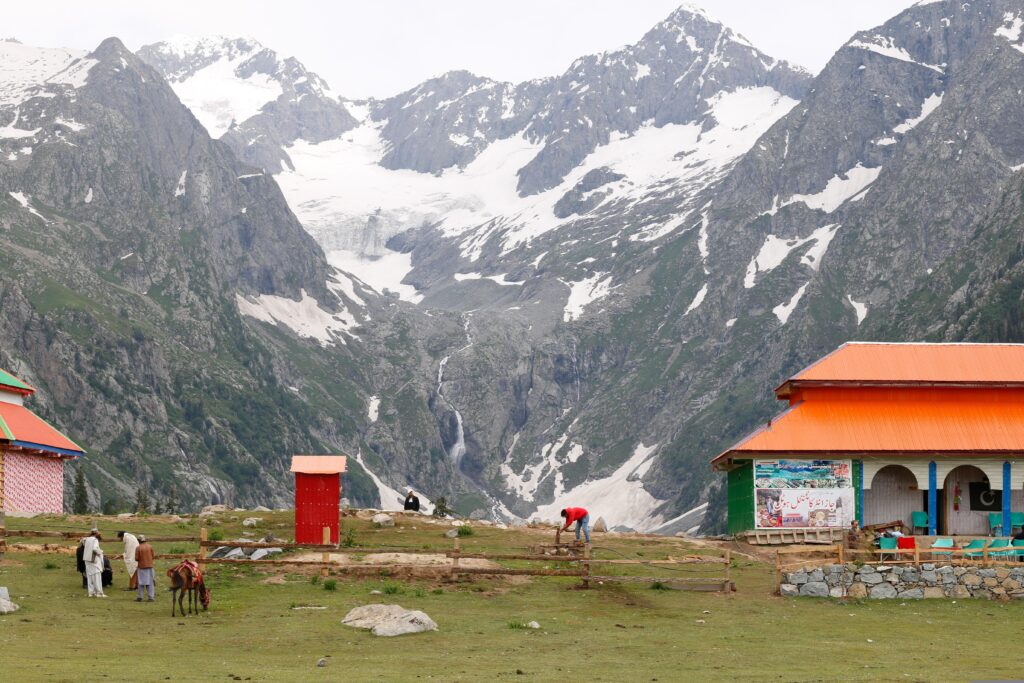
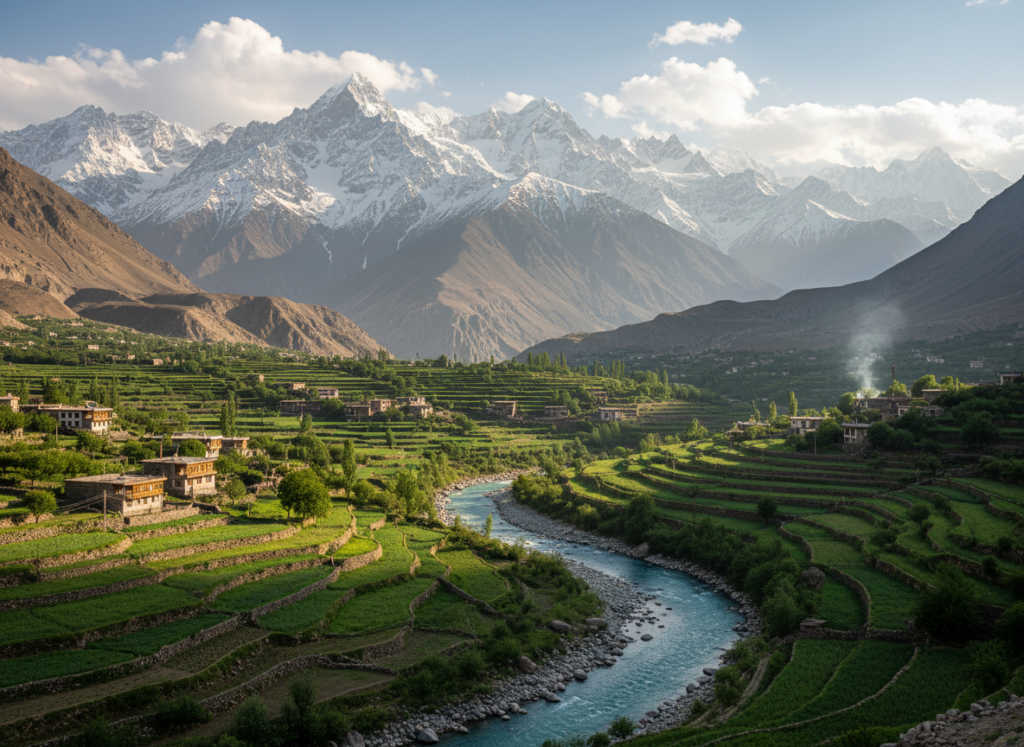
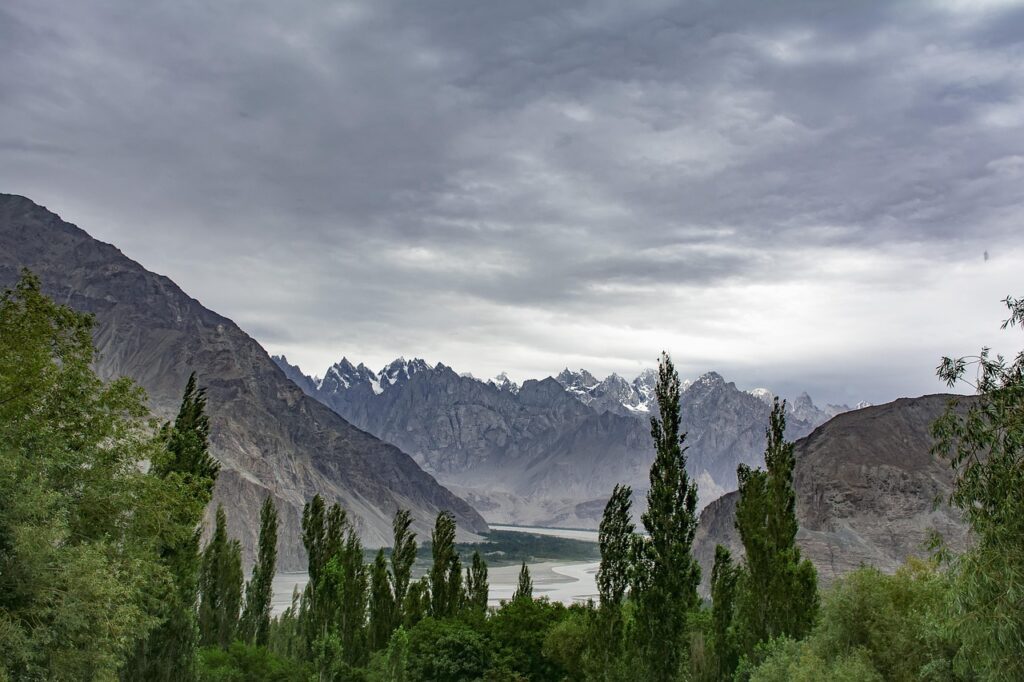
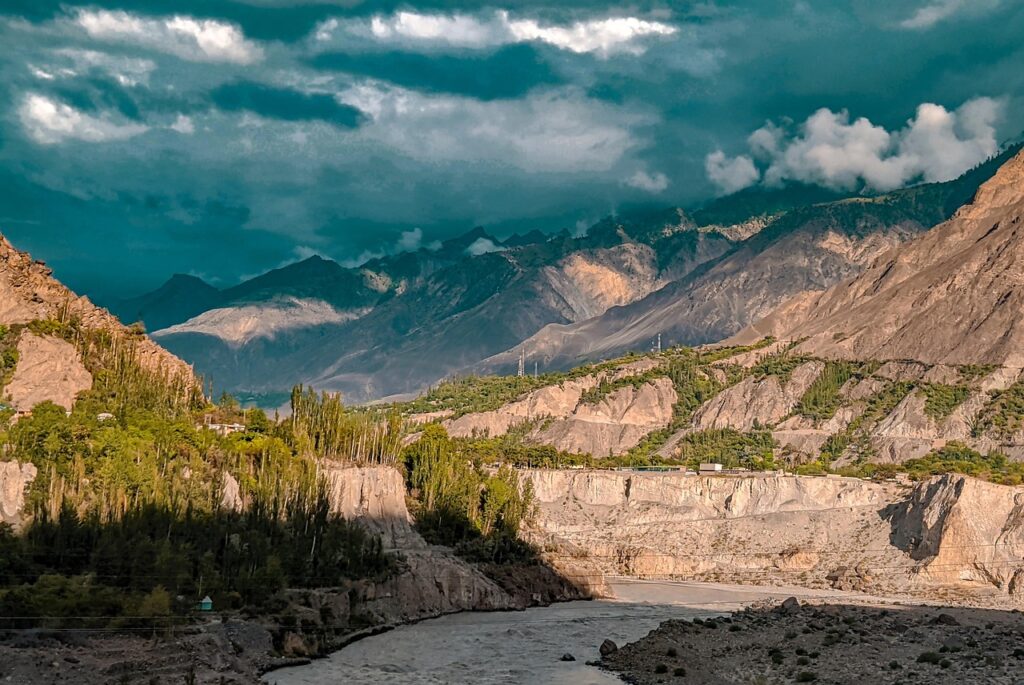
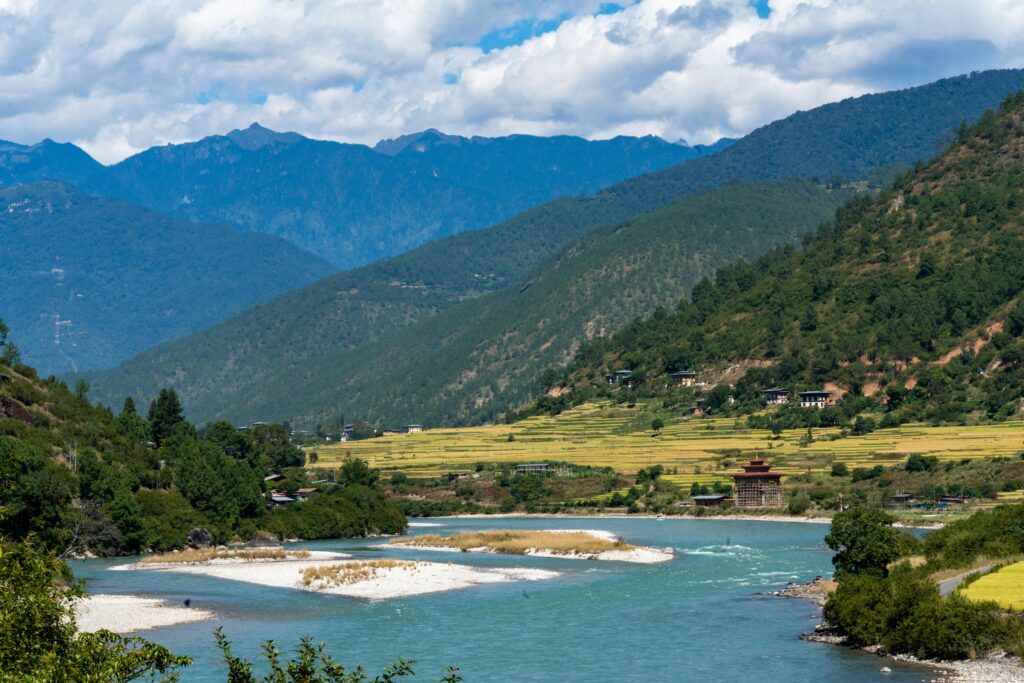
Explore the breathtaking beauty of Northern Pakistan, home to majestic mountains, lush valleys, and scenic landscapes. This region includes popular destinations like Hunza, Skardu, and Fairy Meadows, offering unforgettable travel experiences. From snow-covered peaks to peaceful lakes, Northern Pakistan is perfect for nature lovers, photographers, and adventure seekers looking for the most stunning places in the country.

Complete Fairy Meadows Travel Guide 2026
Northern Pakistan

Fairy Meadows Travel Guide: How to Get There, Costs & Best Time

This complete Fairy Meadows guide covers one of the most photographed places in Pakistan, and once you see it in person it’s easy to understand why. Sitting at roughly 3,300 meters in the Diamer district of Gilgit-Baltistan, this alpine meadow looks straight across the valley at Nanga Parbat, the world’s ninth-highest mountain and one of the most dramatic peaks anywhere on earth. Unlike Pakistan’s more accessible tourist spots, you can’t just drive up to Fairy Meadows. Getting there takes a rough jeep track and a multi-hour trek, and that effort is exactly what keeps the meadow so unspoiled. This guide walks through everything worth knowing before you go: how to get there, when to go, what it costs, where to sleep, and how to stay safe along the way. Complete Fairy Meadows Guide: Where It Is and Why It’s Special Fairy Meadows sits directly beneath the Rupal and Raikot faces of Nanga Parbat, near the Raikot Bridge on the Karakoram Highway. The meadow itself is a stretch of open pasture ringed by pine forest, with the mountain rising almost 5,000 meters above it in the background. Because there’s no road into the meadow, herders have grazed cattle here for generations largely undisturbed, and the surrounding forest and slopes remain some of the most pristine terrain in the region. The lack of vehicle access is the whole point: it keeps crowds down and the scenery genuinely wild. Best Time to Visit Fairy Meadows The travel window here is short. Snow closes the jeep track and trekking path for most of the year, so realistically you’re looking at late May through September. June and July bring the greenest meadows and the most reliable weather, though afternoon showers are common. August still has good access but slightly more cloud cover around the peak. By September, the crowds thin out considerably and the light turns golden in the mornings, which many photographers actually prefer over peak summer. Traveling outside this window isn’t recommended — snow, ice, and closed routes make the trip unsafe. How to Reach Fairy Meadows Most travelers start from Islamabad or Rawalpindi and head north along the Karakoram Highway toward Gilgit-Baltistan. The first landmark to aim for is Raikot Bridge, the gateway point for Fairy Meadows. From there, the paved road ends and you switch to a local 4×4 jeep for the climb up to Tattu village — a narrow, switchback-heavy track that’s become almost as famous as the destination itself. It’s manageable, but it’s not a road for a nervous passenger, and it should only be driven by local jeep operators who know the route — a rule this complete Fairy Meadows guide can’t stress enough. From Tattu, the jeep track ends and the trek begins. It’s roughly 3 to 4 hours on foot through pine forest and open slopes before the trail opens up into the meadow itself, with Nanga Parbat filling the skyline as you arrive. Porters are available in Tattu if you’d rather not carry your own bag up. How Long the Journey Takes Islamabad to Raikot Bridge is around 600 km and typically takes 14 to 18 hours by road, depending on stops and traffic through the mountains. Many travelers break this into two days, overnighting in Chilas or Gilgit rather than pushing straight through. From Raikot Bridge, the jeep ride to Tattu takes about 1.5 to 2 hours, and the final trek adds another 3 to 4 hours. All in, plan on two to three days each way if you’re not flying into Gilgit, which can cut the road time significantly when flights are running. Where to Stay in Fairy Meadows Accommodation here is intentionally simple — wooden huts, basic guesthouses, and tented camps make up most of the options, and that’s part of what keeps the area unspoiled. Expect a bed, blankets, and shared or basic bathroom facilities rather than hotel-style comforts. Electricity is limited to a few hours a day in most places, usually from a generator, and phone signal is patchy at best. During peak season (June through August), huts fill up quickly, so booking ahead through a local operator is worth the effort rather than arriving and hoping for space. Budgeting for the Trip Costs break down into transport, jeep hire, accommodation, and food. The jeep from Raikot Bridge to Tattu is typically shared or chartered per group, so traveling with others brings the per-person cost down. Huts and camps are inexpensive compared to standard hotels, and most include simple meals in the price. The biggest variable is how you get to Raikot Bridge in the first place — private car, hired van, or public transport all price out differently. Bring cash: card payments and ATMs don’t exist once you’re off the highway — a budgeting reality any complete Fairy Meadows guide needs to be upfront about. What to See and Do The meadow itself is the main attraction — wide open grassland with Nanga Parbat rising directly above it, best seen at sunrise when the light hits the summit first. From Fairy Meadows, more experienced trekkers can continue further to Nanga Parbat Base Camp, a longer hike that gets you close to the glacier and the mountain’s sheer Rupal Face. Even without pushing on to base camp, there’s plenty to fill a day or two: short walks through the surrounding pine forest, viewpoints just above the meadow, and simply sitting with the mountain in front of you, which is honestly what most people come for. Trek Difficulty The walk from Tattu to Fairy Meadows is graded moderate — steady uphill through forest and open ground rather than anything technical. Good hiking shoes and a reasonable fitness level are enough for most travelers; you don’t need mountaineering experience. Take it at a steady pace, carry water, and expect the altitude to make you breathe a bit harder than you would at sea level. A local guide isn’t mandatory but is genuinely useful on a first visit, both for navigation and

Fairy Meadows Travel Guide: How to Get There, Costs & Best Time Read Post »
Naran Kaghan trip
Northern Pakistan

Complete Naran Kaghan Travel Guide 2026 for Visitors

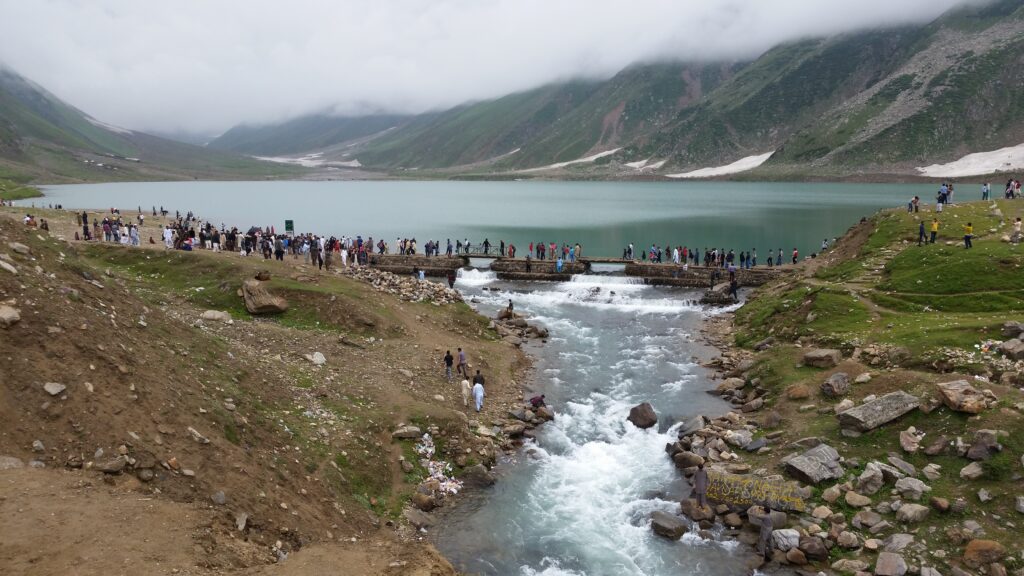
Planning a Naran Kaghan trip means starting with one of the most visited stretches of northern Pakistan, and it’s easy to see why once you’re on the road — the Kunhar River runs alongside you almost the entire way, with forested slopes and alpine lakes opening up around every bend. Located in the Mansehra district of Khyber Pakhtunkhwa, the valley is only accessible for part of the year, so timing your trip well matters as much as picking the right route. This guide covers how to get there, when to go, where to stay, what things cost, and the attractions worth building your itinerary around — Saif-ul-Malook Lake, Lulusar Lake, and Babusar Top chief among them. Naran Kaghan Trip: Where the Valley Is The valley sits in the Mansehra district of Khyber Pakhtunkhwa, following the Kunhar River upstream through steadily rising terrain. Naran town is the main hub — this is where you’ll find most hotels, restaurants, and the jeep stands for onward trips to the lakes. Beyond Naran, the valley continues toward Babusar Top, a high mountain pass that eventually connects through to Gilgit-Baltistan, though it only opens when weather allows. The roads throughout are narrow and winding, which shapes almost everything about how you plan a visit here. Best Time to Visit Access is seasonal. Heavy snowfall closes the valley for several months each year, and the road genuinely becomes impassable — this isn’t a case of just going carefully. The reliable travel window runs from late spring through early autumn. Peak season is June through August, when temperatures are pleasant during the day and cooler at night, and every major attraction is open. September brings noticeably fewer crowds and a quieter experience, though nights get colder and the weather is a little less predictable. Outside this window, don’t plan a trip here — roads are closed and travel simply isn’t possible for most visitors. How to Reach Naran Kaghan Most trips begin in Islamabad or Rawalpindi. From there, the route runs through Mansehra and Balakot before climbing into the valley proper alongside the Kunhar River. A private vehicle gives you the most flexibility for stops along the way, which is worth having given how scenic the drive is. Public buses and vans also run from major cities to Mansehra or Balakot, where you can pick up local transport onward. Whichever way you travel, start early — the roads narrow and wind more the closer you get to Naran, and daylight driving is safer and considerably less stressful — one of the simplest ways to keep a Naran Kaghan trip on schedule. Distance and Travel Time Islamabad to Naran is about 240 km, but plan on six to eight hours given the mountain roads, not highway speeds. Balakot and Kiwai are the natural stopping points along the way — most travelers pause here for meals, fuel, or photos before continuing. Build in extra time rather than cutting it close; road conditions and traffic near popular stops can add unpredictable delays, especially during peak season. Where to Stay Naran town has the widest range of accommodation in the valley, from simple budget guesthouses to mid-range hotels and a handful of more upscale resorts. Budget options are basic but clean and functional; mid-range hotels add private bathrooms and sometimes river or mountain views; the few luxury properties offer noticeably more comfort and service. Prices climb fast during peak season (June to August) and rooms sell out early, so booking ahead is genuinely worth it rather than arriving and hoping — a lesson most first-time Naran Kaghan trip planners learn the hard way. Hotels closer to the river or main road tend to book up first. Budgeting for the Trip Your main costs are transport, accommodation, food, and jeep rides to the lakes. Transport is usually the biggest line item, particularly if you’re hiring a private vehicle or jeep for the mountain sections. Accommodation cost swings widely with season and hotel category, while food is generally affordable — local restaurants serve a solid mix of Pakistani staples at reasonable prices. Factor in jeep charges to Saif-ul-Malook Lake specifically, since that’s a separate cost from your main transport on any Naran Kaghan trip. Traveling as a group brings the per-person cost down noticeably, and it’s worth carrying cash, since digital payments and ATMs are unreliable once you’re off the main road. Top Attractions Saif-ul-Malook Lake is the valley’s signature attraction — a turquoise lake ringed by peaks, reached by jeep from Naran, and worth the detour even with the crowds. For a full breakdown of getting there, timing, and what to expect, see our Saif-ul-Malook Lake travel guide. Further along the route toward Babusar Top, Lulusar Lake offers a much quieter, wilder alternative — fewer visitors, equally striking scenery, and one of the highlights of any Naran Kaghan trip that pushes past the main lake. Babusar Top itself is the high pass connecting into Gilgit-Baltistan, with sweeping views back over the valley on a clear day. Shogran and Siri Paye, reached via jeep, add green alpine meadows to the itinerary, and the Kunhar River itself provides scenic stops for photography practically anywhere along the drive. Road Safety The mountain roads here demand attention — narrow, sharply curved, and prone to congestion near popular stops during peak season. Weather can shift quickly, and rain brings slippery surfaces while occasional landslides disrupt the route entirely, so it’s worth checking conditions before setting out on any given day. Night driving is best avoided given the limited visibility and lack of lighting along most of the route. Local drivers who know the road well are generally a safer bet than self-driving if you’re unfamiliar with mountain terrain — worth factoring into how you plan your Naran Kaghan trip from the start. Food in the Valley Naran and the surrounding towns have plenty of restaurants and roadside eateries serving BBQ, karahi, and — a regional specialty worth trying — fresh trout pulled straight from the Kunhar

Complete Naran Kaghan Travel Guide 2026 for Visitors Read Post »

Best Places to Visit in Swat Valley
Northern Pakistan

Best Places to Visit in Swat Valley in 2026

Looking for the best places to visit in Swat Valley? Swat Valley is one of the most beautiful places in Pakistan, and it keeps getting more welcoming and more accessible for visitors. Known as the Switzerland of the East, this valley in Khyber Pakhtunkhwa sits surrounded by the Hindu Kush mountains, crystal-clear rivers, thick pine forests, and history that goes back thousands of years. Whether you love adventure, history, nature, or just want to sit by a river and breathe fresh mountain air, Swat Valley has something for you. This guide covers the best places to visit, with practical, up-to-date travel information. What Makes Swat Valley Worth Visiting Swat Valley has had a difficult recent history, but it’s made a genuine comeback. Roads are better, hotels are more comfortable, and tourism infrastructure has improved considerably. New adventure parks, upgraded resorts, and better road access have opened up parts of the valley that used to be hard to reach. The valley offers a rare combination: incredible natural scenery — mountains, rivers, lakes, forests — alongside rich historical sites from the ancient Gandhara civilization and the Buddhist era. On top of that, there’s the well-known hospitality of the Pashtun people, who welcome visitors with genuine warmth. In summer, Swat is lush and green with waterfalls and cool air. In winter, upper areas like Malam Jabba fill with snow and become Pakistan’s premier skiing destination. There’s no bad time to visit — just a different version of beautiful. Best Places to Visit in Swat Valley Here’s a complete list of the top places in Swat, from the most popular destinations to a few hidden gems most tourists miss. 1) Kalam Valley — The Crown Jewel of Swat Kalam Valley sits about 99 kilometers north of Mingora and is widely considered the most beautiful part of Swat. The Swat River flows right through it, surrounded by rich green hills, snow-capped peaks, and meadows that feel like they belong in a painting. The town of Kalam has a good selection of hotels and restaurants, making it comfortable for families and first-time visitors. From Kalam, you can reach even more stunning upper valleys like Utror, Gabral, and Matiltan. The best time to visit is April to September, when roads are clear and weather is pleasant. 2) Malam Jabba — Pakistan’s Premier Ski Resort Malam Jabba sits about 44 kilometers from Mingora in the Hindu Kush range at an elevation of 2,804 meters, home to Pakistan’s only proper ski resort and one of the most-visited spots in the valley. In winter, skiers and snowboarders come from across Pakistan and abroad for the slopes, with equipment rentals and instructors available for beginners. In summer, the snow gives way to green pine forest, hiking trails, and a chairlift ride with panoramic valley views. The Green Valley Adventure Park nearby adds zip lines and rope courses, making it a solid family stop year-round. 3) Mahudand Lake — A Hidden Treasure Near Kalam Mahudand Lake, about 32 kilometers from Kalam in the Ushu Valley, is one of the most stunning lakes in Pakistan — ringed by the Hindu Kush and wide green meadows, stretching up to 2 kilometers with exceptionally clear, calm water. Getting there requires a four-wheel-drive vehicle, since the road is rough, but that’s part of the experience. Midsummer, when the meadows are green and wildflowers bloom, is the best time to visit. Boating and a lakeside picnic are the standard way to spend an afternoon here. 4) Ushu Forest — A Walk Through Ancient Cedar Trees Ushu Forest lies about 8 kilometers northeast of Kalam at roughly 2,300 meters — one of the more accessible high-altitude cedar woodlands in Swat, and a favourite for nature photographers. Thick, quiet, and beautifully green, it’s a completely different pace from anywhere else on this list, with small tea stalls and basic guesthouses nearby if you want to spend a full day there. 5) Bahrain — The Riverside Town You Shouldn’t Rush Through Bahrain sits where two rivers meet, roughly 65 kilometers from Mingora. Most tourists treat it as a pit stop on the way to Kalam, but it deserves more time than that — riverside cafes, fresh-cooked trout, and a genuinely unhurried pace that’s hard to find elsewhere in the valley. It also works well as a base for short hikes and jeep rides into the surrounding hills. 6) White Palace, Marghazar — A Royal History in the Hills About 13 kilometers from Saidu Sharif, the White Palace of Marghazar is one of Swat’s more unique historical sites, built in 1940 by Miangul Abdul Wadud, the first king of Swat, entirely out of white marble. It now operates as a hotel, with royal rooms, gardens, and orchards open to visitors — the Royal Suite, where Queen Elizabeth II once stayed, remains one of its more talked-about features. 7) Saidu Sharif and the Swat Museum Saidu Sharif, the administrative capital of Swat District at 970 meters, is calmer than Mingora and home to some of the valley’s most important historical sites. The Swat Museum is a genuine must-visit — an impressive collection of Gandhara sculptures, Buddhist statues, and artifacts from civilizations that lived here over 2,000 years ago. 8) Mingora — Your Gateway Into Swat Valley Mingora, the largest city in Swat, is the main entry point for most visitors and where you’ll find the widest range of hotels, restaurants, and transport. Fizaghat Park, on the banks of the Swat River, is the most popular attraction — a favourite for families, especially at sunset. Mingora Bazaar is worth a browse too, for local crafts and food. 9) Jahanabad Buddha Rock Carving This roughly 7-metre rock carving depicting a seated Buddha is considered the largest carved Buddha in Central Asia after the Buddhas of Bamiyan. Reaching it takes about a 40-minute uphill walk through orchards and fruit trees near Saidu Sharif. The face was damaged in 2007 but has since been carefully restored — a genuinely moving site that combines history with

Best Places to Visit in Swat Valley in 2026 Read Post »

Discover Hunza Valley's Top Places
Northern Pakistan

Discover Hunza Valley: Top Places to Visit (Complete 2026 Guide)

Hunza Valley is one of the most beautiful regions in the world. Tucked into the Gilgit-Baltistan area of northern Pakistan, it’s surrounded by some of the highest mountains on earth. Hunza has everything a traveler could want — snow-capped peaks, turquoise lakes, centuries-old forts, blossoming orchards, and some of the most welcoming people you’ll meet anywhere. Whether you’re chasing adventure, history, photography, or just a quiet moment with big mountains in front of you, Hunza delivers. The valley follows the Hunza River, with Karimabad as its main town and the natural base for most travelers. This guide covers the best places to visit in Hunza Valley, what makes each one worth your time, and the practical details — when to go, how to get there, and where to stay. 1. Baltit Fort — The Heart of Hunza’s History Baltit Fort is usually the first stop for any visitor to Hunza Valley. This 700-year-old fort sits above Karimabad and offers one of the best panoramic views in the valley, with Rakaposhi on one side and golden hillsides on the other. Baltit Fort was originally home to the Mir of Hunza, the region’s ruling family. Its architecture blends Tibetan, Wakhi, and local styles — thick stone walls, carved wood, and narrow passageways that genuinely feel centuries old. The fort has been carefully restored and now operates as a museum, with royal bedrooms, audience halls, and artifacts documenting Hunza’s history. The walk up through Karimabad’s old bazaar, past shops selling dried fruit and gemstones, is part of the experience. Best time to visit: morning, for the best light and cooler temperatures. Open daily; a modest entry fee funds the fort’s upkeep. 2. Altit Fort — The Older Wonder Altit Fort, a short drive from Baltit, is even older — roughly 900 years — and one of the oldest surviving fortifications in Gilgit-Baltistan. It sits dramatically on a cliff edge, hundreds of meters above the Hunza River. The views are extraordinary: the river gorge below, terraced green fields across the valley, and the Karakoram peaks behind. Altit village itself, surrounding the fort, is quiet and well preserved — old stone houses, narrow lanes, and local women selling handmade embroidery and wool goods. 3. Attabad Lake — Hunza’s Turquoise Centerpiece Attabad Lake is the single most photographed spot in the valley, and once you see it in person, it’s obvious why. The lake formed after a major landslide in January 2010 dammed the Hunza River, and its water is an almost unreal shade of turquoise. Boat rides are the main draw here, taking you close to the surrounding cliffs, with jet skiing and kayaking available for those who want more. The Karakoram Highway runs right alongside the lake, so even driving through offers a spectacular view, and a handful of small cafés along the shore are good spots to stop for tea. 4. Eagle’s Nest — The Best View in the Valley For the most complete panoramic view of Hunza, Eagle’s Nest is the place to go. Sitting at roughly 3,200 meters, this hilltop viewpoint gives a 360-degree view of the valley floor, with Rakaposhi, Diran, and Ultar Sar visible on a clear day. Sunset and sunrise here are popular enough that many visitors stay overnight at the small guesthouse on-site to catch both. The road up is a bit rough, but the view at the top makes it worthwhile. 5. Rakaposhi Viewpoint — Face to Face with a Giant Rakaposhi is the 27th-highest mountain in the world at 7,788 meters, and one of the most striking peaks in the Karakoram Range. The best accessible view is from the Rakaposhi Viewpoint on the Karakoram Highway near Minapin. What makes Rakaposhi remarkable is its south face — it rises more than 5,800 meters in one continuous sweep from the valley floor, making it one of the steepest mountain faces anywhere. Minapin village is also the starting point for the Rakaposhi Base Camp trek, a 2-3 day route through forest, streams, and alpine meadows — but even a short stop at the roadside viewpoint is worth it. 6. Hussaini Suspension Bridge For a dose of adrenaline, the Hussaini Suspension Bridge near Borit Lake is one of the more thrilling stops in Hunza — often described as one of the more precarious rope-and-plank bridges anywhere, swaying with the wind above the river below. The village of Hussaini on the far side is a good spot to take in Borit Lake and the surrounding mountains at a slower pace. 7. Passu Cones The Passu Cones are among the most distinctive natural features in Pakistan — a row of sharp, needle-like rock spires near Passu village in upper Hunza. Best viewed from along the Hunza River, with the river flats in the foreground and the jagged peaks rising behind. The nearby Passu Glacier is also worth a short walk if you’re already in the area. 8. Hopper Glacier Hopper Glacier, in the Nagar district near Hunza, is one of the more accessible glaciers in the region and a genuinely memorable place to walk — deep blue ice, crevasses, and rocky moraines surrounded by high peaks. A jeep to Hopper village followed by a short walk gets you to the glacier’s edge; hiring a local guide is worth it, as the terrain gets slippery in places. 9. Karimabad — Hunza’s Main Town Karimabad, at around 2,500 meters, is where most visitors base themselves. It’s a genuinely warm, welcoming town with a good range of hotels, guesthouses, and restaurants. The bazaar is worth an afternoon on its own — local gemstones (rubies, garnets, emeralds), embroidered textiles, dried apricots and walnuts. Try the local food while you’re here: chapshuro (a meat-stuffed bread), diram (a traditional porridge), and fresh apricot juice. Hunza’s Wakhi and Burusho communities are often cited for their longevity, generally credited to clean air and a simple, natural diet. 10. Borit Lake Borit Lake, near Gulmit in upper Hunza, is quieter and less visited than the valley’s bigger attractions —

Discover Hunza Valley: Top Places to Visit (Complete 2026 Guide) Read Post »

Best Tourist Places in Skardu, Pakistan
Northern Pakistan

Best Tourist Places in Skardu, Pakistan – Complete Travel Guide

Looking for the best tourist places in Skardu, Pakistan? Skardu sits at the heart of Gilgit-Baltistan, ringed by some of the highest mountains on Earth, including K2 and the wider Karakoram range. Crystal-clear lakes, a genuine cold desert, historic forts, and green valleys all sit within a short drive of the town, which is why it draws everyone from honeymooners to serious trekkers. Here’s a full rundown of the best tourist places in Skardu, Pakistan, and what to expect from each. Getting to Skardu Most travellers reach Skardu by flying directly from Islamabad, a journey that takes roughly an hour and a half when weather cooperates — flights are frequently delayed or rescheduled since the route depends on clear mountain visibility. The overland alternative follows the Karakoram Highway, a two-day drive that trades speed for some of the most dramatic road scenery in the world. Once in Skardu, hiring a local driver or joining a small group tour is the easiest way to reach the more spread-out valleys covered in this guide. 1. Shangrila Lake (Lower Kachura Lake) — One of the Best Tourist Places in Skardu, Pakistan Shangrila Lake, ringed by green mountains and deep blue water, is one of the most photographed spots in the area — helped along by the nearby Shangrila Resort and its well-known airplane-shaped restaurant. Light boating, lakeside walks, and family picnics are the main draws. Summer weather here is genuinely pleasant, and the mountain reflections on calm water make it worth slowing down for rather than just stopping for a quick photo. 2. Upper Kachura Lake A short distance from Shangrila, Upper Kachura Lake offers a quieter, more natural alternative with noticeably fewer visitors. Crystal-clear water and a short access hike make it a solid pick for couples or solo travellers who want the scenery without the crowd. 3. Katpana Cold Desert The Katpana Cold Desert, sometimes called the Skardu Cold Desert, is one of the highest deserts in the world — white sand dunes set directly against snow-covered mountains, which is as strange and striking as it sounds. Sunrise and sunset both bring out the contrast especially well. Desert walks, jeep rides, and camping are all popular here, and it remains one of the more genuinely unusual landscapes anywhere in Pakistan. 4. Skardu Fort (Kharpocho Fort) Skardu Fort, also known as Kharpocho Fort, sits on a hilltop overlooking the town, with panoramic views over the Indus River and the surrounding mountains. It requires a moderate hike to reach, but the payoff — both the history and the view — makes the climb worthwhile. 5. Satpara Lake Satpara Lake, one of Skardu’s primary water sources, offers turquoise water set against rocky, snow-capped peaks. Boating and photography are the main activities, and in winter parts of the lake freeze over, giving it a completely different character depending on when you visit. 6. Shigar Valley Shigar Valley functions as the gateway to the Karakoram’s higher peaks, including K2, and Shigar Fort — now restored into a heritage hotel — is its main attraction. Green orchards, traditional Balti houses, and peaceful rivers round out a valley that combines history, culture, and scenery in one stop. 7. Khaplu Valley A few hours from Skardu, Khaplu Valley centres on Khaplu Palace, a beautifully preserved example of traditional Balti architecture. Beyond the palace, the valley offers scenic landscapes and hiking trails that make it worth an overnight rather than a rushed day trip. 8. Blind Lake (Zharba Tso) Blind Lake, near Shigar Valley, is a genuine hidden gem — deep blue water and a peaceful setting reached via a short hike. Because it sees far fewer visitors than the more famous lakes nearby, it’s a good pick for anyone wanting a quieter nature experience. 9. Basho Valley Basho Valley is built for trekking and camping — pine forest, green meadows, freshwater streams, and snow-covered peaks in the background. Spring and summer bring out the greenery at its best, making this a refreshing stop for anyone spending several days in the region. 10. Sheosar Lake (Near Skardu) Sheosar Lake sits within Deosai National Park but is easily reached from Skardu. At over 4,000 metres, it’s surrounded by wide plains and summer wildflowers, with Nanga Parbat visible on clear days. Deosai itself, the “Land of Giants,” is one of the highest plateaus in the world and offers a real chance of spotting the Himalayan brown bear. Why This List Covers the Best Tourist Places in Skardu, Pakistan Few places in Pakistan combine this many distinct landscapes within such a short radius — alpine lakes, a genuine cold desert, historic forts and palaces, and deep cultural heritage all within a couple of hours of the town centre. Whatever kind of trip you’re planning — family vacation, honeymoon, trekking base, or a dedicated photography trip — Skardu tends to deliver on it. Best Time to Visit Skardu May through September is the reliable window, when weather is pleasant and roads are fully accessible. Summer (May–August) is best for the lakes and valleys; autumn (September–October) brings strong fall colour; winter (November–March) covers the region in snow, with genuinely limited accessibility to higher spots. Travel Tips for Skardu Book accommodation ahead of time during peak season, since Skardu fills up fast in summer. Carry warm clothing even in summer, since temperatures drop quickly after sunset. Hire local guides for the more remote valleys, respect local traditions, and prepare for limited internet connectivity once you’re outside the main town. Conclusion That’s the full rundown of the best tourist places in Skardu, Pakistan — from the calm waters of Shangrila Lake to the dunes of Katpana Desert, and from centuries-old forts to green valleys. Skardu offers an unusually complete range of experiences for one region. Whether you’re chasing adventure, relaxation, culture, or just good photos, it’s genuinely hard to leave disappointed. FAQs – Visiting Skardu 1. How many days do you need in Skardu? 4 to 6 days is enough to cover the main lakes, forts,

Best Tourist Places in Skardu, Pakistan – Complete Travel Guide Read Post »

Best Places to Visit in Gilgit-Baltistan
Northern Pakistan

Best Places to Visit in Gilgit-Baltistan – Complete Travel Guide

Looking for the best places to visit in Gilgit-Baltistan? This is the part of Pakistan that shows up in nearly every dramatic photo of the country — towering peaks, glacier-fed rivers, turquoise lakes, and five of the world’s fourteen highest mountains, including K2. For travellers of every kind — trekkers, honeymooners, photographers, or just people who want to see something genuinely different — this region does a lot of heavy lifting. Here’s a full breakdown of where to go, what each spot actually offers, and when to plan your trip. Hunza Valley — The Jewel Among the Best Places to Visit in Gilgit-Baltistan Hunza ranks at the top of nearly every list of the region for good reason. Surrounded by peaks like Rakaposhi and Ultar Sar, it offers panoramic mountain views year-round, alongside historic Baltit and Altit Forts and the scenic town of Karimabad. Spring brings cherry blossoms that transform the valley into something out of a postcard, and autumn turns it gold — both seasons draw serious crowds of photographers for exactly that reason. The valley’s peaceful atmosphere and welcoming locals make it an easy recommendation regardless of when you visit. Skardu – Gateway to the Mighty Peaks Skardu serves as the launch point for K2 and the rest of the Karakoram’s major peaks, but it’s a worthwhile destination even if you’re not headed further into the mountains. Shangrila Lake (Lower Kachura Lake), Upper Kachura Lake, Satpara Lake, the Katpana Cold Desert, and Shigar Valley are all within reach. The Katpana Cold Desert in particular is worth the detour — one of the highest deserts in the world, with white sand set directly against snow-capped peaks. For the full picture, our Skardu travel guide covers the town and its surroundings in detail. Fairy Meadows – A Dream Beneath Nanga Parbat Fairy Meadows sits directly below Nanga Parbat, the ninth-highest mountain in the world, and reaching it takes a jeep ride followed by a moderate hike. The payoff is a direct view of the peak, wooden cabins, and some of the clearest stargazing conditions in the north. For couples or anyone chasing genuine isolation, this remains one of the standout stops in the region — the effort to get there does a good job of keeping crowds down. Attabad Lake – A Turquoise Wonder Attabad Lake didn’t exist before 2010 — it formed after a massive landslide blocked the Hunza River, and the result is a startlingly bright turquoise lake set against rocky mountains. It’s now one of the most photographed spots along the Karakoram Highway. Boating, jet skiing, and kayaking are all available on the lake, and its easy roadside access makes it one of the simpler stops to add to any Hunza-bound itinerary. Passu and the Iconic Passu Cones Passu village is known for the sharp, cathedral-like peaks visible directly above it — the Passu Cones, one of the most recognisable mountain silhouettes in the north. The Hussaini Suspension Bridge here is one of the more thrilling rope bridges in the region, and treks to Passu Glacier and Borith Lake are both accessible from the village. Khunjerab Pass – The Highest Border Crossing Khunjerab Pass connects Pakistan and China at over 4,600 metres above sea level, making it one of the highest paved international border crossings anywhere. Khunjerab National Park, which surrounds it, is home to snow leopards, Himalayan ibex, and yaks. For district travel information, the Gilgit-Baltistan tourism department’s Khunjerab page is a useful official reference. Deosai Plains and Sheosar Lake – The Land of Giants Deosai, nicknamed the “Land of Giants,” is one of the highest plateaus in the world, and in summer it’s covered in wildflowers. Sheosar Lake, within Deosai National Park, reflects the surrounding mountains with a stillness that’s genuinely striking in person. For more, see the official Deosai tourism page. Gilgit City – Cultural Heart of the Region Gilgit City, the capital of Gilgit-Baltistan, functions as the main entry point for most travellers heading into the region. Local bazaars, the Gilgit Suspension Bridge, and the Kargah Buddha rock carving give it enough to fill a day before heading further into the mountains, along with a good first taste of the region’s traditional cuisine. Best Time to Visit Gilgit-Baltistan May through October is the reliable window for most of the region. Spring (March–May) brings Hunza’s cherry blossoms; summer (June–August) is peak season for trekking and the lakes; autumn (September–October) brings the best fall colour; and winter (November–February) means snow-covered landscapes with genuinely limited access to higher-altitude spots. Travel Tips for Gilgit-Baltistan Carry warm clothing regardless of season — temperatures swing fast at altitude. Book accommodation early during peak months, since Hunza and Skardu both fill up quickly in summer. Hire local guides for any serious trekking route, respect local traditions and the environment, and prepare generally for high-altitude travel conditions, including patchy mobile signal in the more remote valleys. Conclusion: The Best Places to Visit in Gilgit-Baltistan From Hunza’s postcard scenery to Skardu’s mix of lakes and desert, and the remote calm of Deosai and Fairy Meadows, Gilgit-Baltistan covers an unusual amount of ground for one region. Whether you’re after adventure, culture, or just somewhere genuinely quiet, it’s hard to find a region in South Asia that delivers this much variety. FAQs – Visiting Gilgit-Baltistan 1. What’s the best month to visit Gilgit-Baltistan? June through September offers the most reliable weather and full access to lakes, trails, and high-altitude spots like Deosai. 2. How do you get to Gilgit-Baltistan? Most travellers fly into Gilgit or Skardu from Islamabad, or drive the Karakoram Highway, which takes considerably longer but offers dramatic scenery along the way. 3. Is Gilgit-Baltistan safe for tourists? Yes, the major tourist areas are generally considered safe, and tourism infrastructure across the region has improved significantly in recent years. Adeel AhmadAdeel Ahmad is a Pakistan-based travel writer and the founder of Top Places in Pakistan, a travel guide dedicated to showcasing the country’s most stunning destinations. Born and raised in Lahore,

Best Places to Visit in Gilgit-Baltistan – Complete Travel Guide Read Post »

Best Camping Places in Pakistan
Northern Pakistan

Best Camping Places in Pakistan – Ultimate Guide for Nature Lovers

Looking for the best camping places in Pakistan? Pakistan’s landscape does a lot of the work for campers before you even pitch a tent — snow-covered peaks, alpine meadows, glacial lakes, and even a genuine cold desert are all within reach across the north and Kashmir. Whether you’re after a beginner-friendly overnight or a proper wilderness trip, there’s a fitting spot on this list. Here’s where to go, what each place actually offers, and when to plan around. Fairy Meadows – Camping with Views of Nanga Parbat Fairy Meadows sits at the base of Nanga Parbat, the ninth-highest mountain in the world, and remains one of the most photographed camping spots in the country for good reason. The short trek in filters out casual visitors, which keeps the meadow itself calm even in peak season. Pine forest and open alpine grass surround the campsite, with unobstructed views of the peak at sunrise. Clear skies here make for some of the best stargazing in the north. For the full logistics — how to get there, permits, and costs — see our complete Fairy Meadows guide. Deosai Plains – One of the Best Camping Places in Pakistan Deosai National Park sits among the highest plateaus in the world, and camping here means genuine isolation — vast open landscapes, summer wildflowers, and a real chance of spotting the rare Himalayan brown bear from a safe distance. Sheosar Lake is the most popular camping spot within the park, with panoramic mountain views and glassy water in the early morning. Deosai sits between Skardu and Astore and is a summer-only destination, since snow closes access the rest of the year. Saif-ul-Malook Lake – Camping Beside a Legendary Lake Lake Saif-ul-Malook, in the Kaghan Valley, is one of the most famous alpine lakes in the country, ringed by dramatic peaks that reflect across the water at sunset. It’s a popular destination, so picking a quieter section away from the main viewpoint makes a real difference to the experience. Cool mountain air, star reflections on calm water, and easy summer access make it a solid choice for families or first-time campers. For the full picture on getting there and what to expect, see our Saif-ul-Malook guide. Kumrat Valley – Pure Wilderness Camping Kumrat Valley is where wild camping enthusiasts end up once they’ve outgrown the more developed sites. Dense pine forest, flowing rivers, and open meadows give it a raw, less commercialised character that’s increasingly rare in the north. Jahaz Banda Meadows and the trek to Katora Lake are the two standout camping areas, both requiring a hike to reach — which is exactly what keeps them peaceful. Roads here favour jeeps over regular cars, so plan transport accordingly. Hunza Valley – Camping Among Legendary Peaks Hunza isn’t just known for culture and scenery — it’s also one of the easiest places in the north to camp comfortably. Sites near Attabad Lake or in the village of Passu open up views of the Passu Cones and Rakaposhi that are hard to match elsewhere. Hunza is generally considered one of the safest, most tourist-friendly regions in the north, which makes it a solid choice for anyone camping for the first time. Katpana Cold Desert – Camping in a High-Altitude Desert Katpana Desert, near Skardu, is a genuine cold desert — sand dunes set directly against a backdrop of snow-capped mountains, which is as strange and striking in person as it sounds. Sunset over the dunes produces some of the most dramatic light in the region. Quiet desert nights and a combination of scenery you won’t find paired anywhere else in Pakistan make Katpana worth the detour for photographers especially, and one of the more unusual best camping places in Pakistan overall. Ratti Gali Lake – Alpine Serenity in Azad Kashmir Ratti Gali Lake, deep in the Neelum Valley, requires a jeep ride and a moderate hike to reach, and that effort keeps its camping spots genuinely quiet. Green meadows surround a glacial lake that shifts between turquoise and deep green through the day. It’s strictly a summer destination — the lake and trail are snowbound the rest of the year — but between June and September it’s one of the calmest alpine campsites in Kashmir. What Makes Camping in Pakistan Different Few countries pack this much variety into a single camping circuit — glacier-adjacent meadows, a genuine desert, high-altitude plateaus, and alpine lakes are all within a few days’ drive of each other. Costs also stay low relative to camping in most other mountain destinations worldwide, and the range of terrain means there’s a fitting spot whether you’re a first-timer or chasing something more remote. Best Time for Camping in Pakistan May through September is the reliable window across most of these destinations — mountain roads stay open, lakes are unfrozen, and meadows are green. Deosai and Ratti Gali in particular are only accessible in this range; outside it, snow closes the roads entirely. Winter camping is possible in a few lower-altitude spots but requires specialised cold-weather gear. Safety Tips for Camping Travel in a group where possible, check the weather forecast before setting out (mountain conditions change fast), and carry proper gear rather than assuming you can improvise once you’re there. Respecting local customs in the villages you pass through and packing out everything you bring in go a long way toward keeping these places worth visiting for the next person too. Conclusion: Best Camping Places in Pakistan From the alpine calm of Fairy Meadows to the desert dunes of Katpana and the wilderness of Kumrat, Pakistan’s camping destinations cover an unusual amount of ground for one country. Pick based on how remote you want to go and what season you’re travelling in, and you’ll find a spot that fits. FAQs – Camping in Pakistan 1. Which camping spot in Pakistan is best for beginners? Hunza Valley and Saif-ul-Malook Lake are the most accessible and beginner-friendly, with good road access and established camping areas. 2. Is

Best Camping Places in Pakistan – Ultimate Guide for Nature Lovers Read Post »

10 Most Beautiful Places to Visit in Pakistan for Nature Lovers
Northern Pakistan

10 Most Beautiful Places to Visit in Pakistan for Nature Lovers

Introduction Pakistan is a country blessed with extraordinary natural beauty and cultural diversity. From snow-capped mountains in the north to golden beaches in the south, the beautiful places in Pakistan offer unforgettable experiences for every type of traveler. The country is home to lush valleys, turquoise lakes, mighty rivers, deserts, and scenic hill stations that remain untouched by mass tourism. Whether you are an adventure seeker, nature lover, photographer, or cultural explorer, Pakistan provides endless opportunities to explore landscapes that feel straight out of a dream. In this guide, we take you through the most stunning destinations that make Pakistan one of the most naturally beautiful countries in the world. Hunza Valley – A Paradise in the Mountains Hunza Valley is widely regarded as one of the most beautiful places in Pakistan and even in the world. Surrounded by towering peaks such as Rakaposhi and Ultar Sar, Hunza offers breathtaking scenery at every turn. The valley is famous for its peaceful atmosphere, friendly locals, and crystal-clear air. Karimabad, the heart of Hunza, is home to historic landmarks like Baltit Fort and Altit Fort, which tell stories of ancient traditions and royal heritage. During spring, the valley transforms into a colorful wonderland as apricot trees bloom. Saif-ul-Malook Lake – A Fairytale Destination Located near Naran in the Kaghan Valley, Saif-ul-Malook Lake is among the most iconic beautiful places in Pakistan. The emerald-green waters of the lake reflect the mighty Malika Parbat, creating a picture-perfect view. Local legends describe the lake as a place of fairies and princes, adding a magical charm to its natural beauty. In summer, visitors enjoy boating and hiking around the lake, while in winter it freezes completely, offering an entirely different but equally stunning experience. Skardu and the Cold Desert Skardu is the gateway to some of the most dramatic landscapes in the country and is counted among the top beautiful places in Pakistan. Surrounded by the world’s highest mountains, including K2, Skardu offers lakes, valleys, and deserts all in one region. Popular attractions include Shangrila Lake, Satpara Lake, and the Skardu Cold Desert, one of the highest deserts in the world. The contrast of golden sand dunes with snow-covered peaks creates a surreal environment, making Skardu a dream destination for photographers and nature lovers. Swat Valley – The Switzerland of Pakistan Often called the “Switzerland of Pakistan,” Swat Valley is famous for its green meadows, flowing rivers, waterfalls, and dense forests. It is undoubtedly one of the most beautiful places in Pakistan for both relaxation and adventure. Destinations like Kalam, Bahrain, and Malam Jabba attract tourists throughout the year. Malam Jabba is also Pakistan’s main skiing resort, while summer brings cool weather and blooming flowers, making Swat an ideal escape from city life. Murree – A Charming Hill Station Murree is one of the most accessible and beautiful places in Pakistan, especially for short trips. Located near Islamabad, this hill station is known for its pine-covered hills, foggy roads, and cool climate. During winter, Murree transforms into a snowy wonderland, attracting visitors from all over the country. Popular spots like Mall Road and Patriata (New Murree) offer scenic views, chairlifts, and local food, making Murree a favorite family destination. Fairy Meadows – View of Nanga Parbat Fairy Meadows, meaning “Meadows of Fairies,” is one of the most breathtaking places in Pakistan. It offers a direct and stunning view of Nanga Parbat, the ninth-highest mountain in the world. This destination is perfect for camping, stargazing, and trekking. Although reaching Fairy Meadows requires an adventurous hike, the peaceful surroundings and dramatic mountain scenery make the journey absolutely worth it. Neelum Valley – The Jewel of Azad Kashmir Neelum Valley is located in Azad Kashmir and is famous for its turquoise rivers, misty mountains, and dense forests. It is easily one of the most beautiful places in Pakistan for travelers seeking natural charm and tranquility. Popular spots like Keran, Sharda, and Arang Kel attract visitors year-round. Arang Kel, in particular, looks like a fairytale village hidden among clouds, offering breathtaking views and unforgettable experiences. Gwadar and Southern Beaches Pakistan’s beauty is not limited to mountains alone. Gwadar and the southern coastline are among the most underrated beautiful places in Pakistan. Gwadar is known for its peaceful beaches, clear waters, and unique desert-meets-sea landscapes. Astola Island, also known as the “Island of Seven Hills,” is one of the most beautiful coastal destinations in the country. It is ideal for snorkeling, boating, and photography, offering a completely different side of Pakistan’s natural beauty. Kaghan Valley – A Green Escape Kaghan Valley is a lush region filled with rivers, waterfalls, and alpine lakes. Besides Saif-ul-Malook, attractions like Lulusar Lake and Babusar Top provide stunning panoramic views. During summer, the valley becomes one of the best spots in Pakistan for camping, fishing, and road trips. The pleasant weather and scenic landscapes make Kaghan Valley a favorite among nature enthusiasts. Kalash Valley – Beauty with Culture Kalash Valley is unique among Pakistan’s natural destinations because of its rich culture and traditions. The Kalasha people are known for their colorful clothing, joyful festivals, and ancient lifestyle. Surrounded by mountains and rivers, Kalash offers both natural beauty and cultural depth. Visiting this valley feels like stepping into a completely different world, making it one of the most special destinations in Pakistan. Conclusion: The Most Beautiful Places in Pakistan Pakistan is a land of unmatched natural beauty, offering everything from towering mountains and green valleys to serene beaches and cultural treasures. These destinations provide travelers with unforgettable memories, whether they seek adventure, peace, or cultural exploration. From Hunza and Skardu in the north to Gwadar in the south, every destination highlights the country’s incredible diversity. Exploring these places is not just a journey through landscapes, but a journey into the heart of a country filled with wonder, hospitality, and timeless beauty. FAQs 1. What are the most beautiful places in Pakistan to visit? Hunza Valley, Saif-ul-Malook Lake, Skardu, Swat Valley, and Neelum Valley are consistently ranked

10 Most Beautiful Places to Visit in Pakistan for Nature Lovers Read Post »

Scroll to Top