
Author name: Adeel Ahmad

Adeel Ahmad is a Pakistan-based travel writer and the founder of Top Places in Pakistan, a travel guide dedicated to showcasing the country's most stunning destinations. Born and raised in Lahore, Adeel has a deep love for Pakistan's diverse landscapes — from the towering peaks of Hunza and Skardu to the lush valleys of Swat and the historic streets of Lahore. His mission is to inspire travelers to explore Pakistan's natural beauty, rich culture, and hidden wonders through well-researched, authentic, and easy-to-follow travel guides.

hidden places in Pakistan
Adventure & Trekking

Hidden Places in Pakistan: 9 Secret Destinations

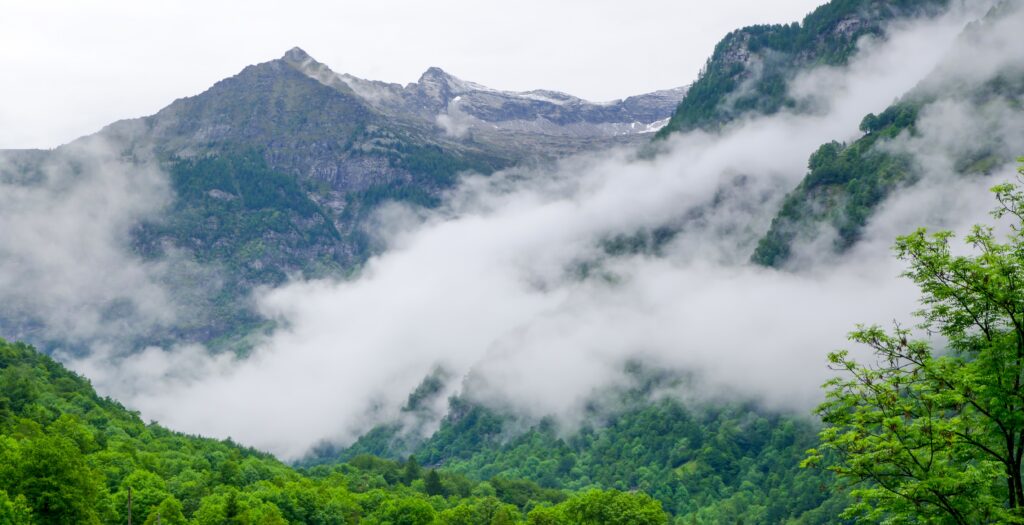
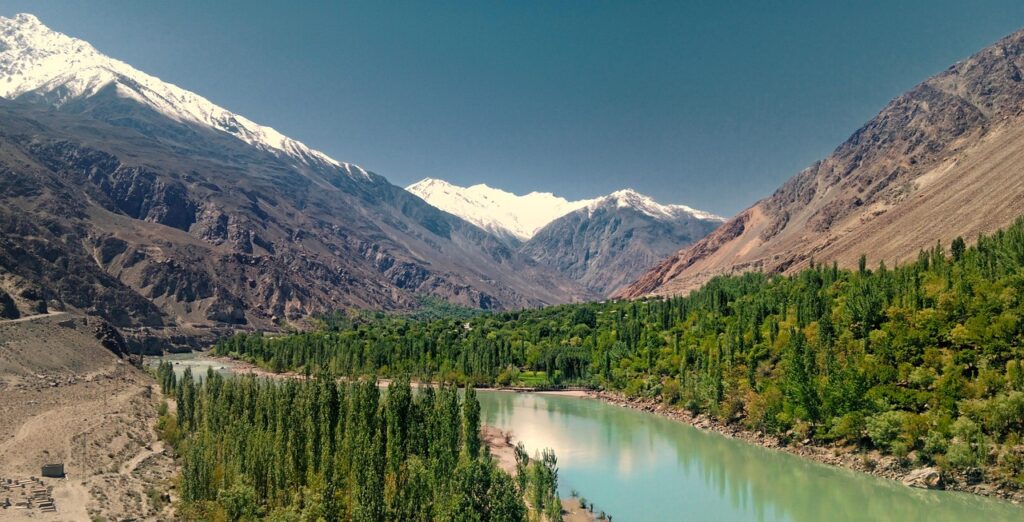
Pakistan is widely known for popular destinations like Hunza, Swat, and Skardu, which draw thousands of visitors every year for their dramatic mountains and scenic valleys. But beyond these well-known spots lie plenty of hidden places in Pakistan that remain largely unexplored and untouched by mass tourism — offering peace, authenticity, and a much deeper connection with nature. Traveling to these lesser-known destinations shows a different side of the country, far from crowds and commercialization. This guide covers some of the most beautiful hidden places worth seeking out, ideal for adventure seekers, nature lovers, and anyone looking for genuine serenity. Phander Valley — A Hidden Paradise in Ghizer, Gilgit-Baltistan Phander Valley is one of the most peaceful and lesser-known spots on this list. Located in the Ghizer district of Gilgit-Baltistan, it’s known for turquoise rivers, lush green meadows, and genuinely silent mountain surroundings. The main draw is Phander Lake, famous for its crystal-clear water and near-perfect reflections of the surrounding peaks — a calm setting well suited to travelers seeking relaxation and solitude. The valley is also popular for trout fishing, light hiking, and stargazing after dark. Combined with the warmth of the local community, it’s one of the more authentic hidden places in the country. Chitral Gol National Park — Untamed Wilderness and Eternal Snow Located in Khyber Pakhtunkhwa, Chitral Gol National Park is one of the most genuinely untouched spots in the country. Surrounded by dense forest, flowing rivers, and snow-covered peaks, it offers raw, wild natural beauty that’s hard to find elsewhere. The park is home to the Markhor, Pakistan’s national animal, along with leopards, deer, and a wide range of bird species — its biodiversity makes it one of the richest ecosystems in Pakistan. Chitral Gol is well suited to hiking, wildlife photography, and general nature exploration. Summer is the best time to visit, when weather is pleasant and access routes are fully open. Fairy Meadows Winter Route — Adventure for the Brave Fairy Meadows is a popular summer destination, but in winter it transforms into one of the most challenging hidden experiences in the country. Covered in thick snow, the landscape turns silent, remote, and genuinely magical. The winter route is demanding and recommended only for experienced travelers — sub-zero temperatures and snow-covered trails require real preparation and physical endurance. Despite the difficulty, the reward is unforgettable: an icy view of Nanga Parbat without the usual crowds, a genuinely once-in-a-lifetime experience for serious adventure seekers. Kund Malir Beach — A Coastal Secret in Balochistan Pakistan is known for mountains, but it also hides genuinely stunning beaches. Kund Malir Beach, along the Makran Coastal Highway in Balochistan, is one of the most beautiful of these hidden spots. The drive there is itself a visual highlight, with desert mountains meeting the deep blue sea in a way that’s hard to describe without seeing it. Kund Malir is ideal for camping, sunrise watching, and peaceful relaxation. With minimal crowds and largely untouched surroundings, it’s a genuine escape for anyone craving a quiet coastal alternative to Karachi’s busier beaches. Rumbur and Birir — The Lesser-Known Kalash Valleys The Kalash region is known for its unique culture, but while most tourists head to Bumburet Valley, Rumbur and Birir remain among the more authentic hidden spots in the area. These valleys feature traditional wooden houses, green trails, and genuinely serene natural surroundings — life here moves at a slower pace, letting visitors experience Kalash culture without the crowds that Bumburet now sees. Visiting Rumbur and Birir offers a closer look at Kalasha traditions, festivals, and daily life, and the hospitality of the local community makes these valleys genuinely memorable destinations. Deosai National Park — One of the Most Breathtaking Hidden Places in Pakistan Deosai National Park is one of the highest plateaus in the world and one of the more breathtaking hidden places on this list. Known as the “Land of Giants,” it offers vast plains, clear rivers, and dramatic mountain views in every direction. During summer, the plateau blooms with colorful wildflowers, creating a genuinely surreal landscape, and the park is also home to the rare Himalayan brown bear, making it an important conservation area. Camping near Sheosar Lake under a star-filled sky is one of the most peaceful experiences Deosai has to offer — a real highlight for anyone visiting. Soon Valley — Lakes, History, and Quiet Hills Located in Punjab, Soon Valley is one of the more underrated entries on this list. It’s home to saltwater lakes like Uchali, Khabeki, and Jahlar, all surrounded by rolling hills, and the region also hosts the ancient Katas Raj Temples, an important historical and religious site drawing visitors interested in history, architecture, and spirituality. Soon Valley is a solid pick for hiking, photography, and exploring small villages with genuinely authentic local food and culture. Shounter Lake — A Green Jewel Among Mountains Shounter Lake, in Azad Kashmir, is one of the most beautiful yet least visited spots on this list. The lake’s emerald-green water contrasts sharply with the surrounding snow-capped mountains. Reaching it takes an adventurous journey, but the reward is complete tranquility and genuinely breathtaking scenery — no large hotels, no tourist crowds, just nature at its purest. It’s ideal for camping, trekking, and photography — and one of the greenest hidden places in Pakistan on this list. Getting to These Destinations Access generally starts from a regional hub — Gilgit or Chilas for Phander Valley and Deosai, Chitral town for Chitral Gol and the Kalash valleys, and Karachi or Quetta for Kund Malir Beach. From there, expect a mix of rougher roads and, in several cases, jeep transfers for the final stretch. None of these are quick day trips from a major city, so building extra travel days into your itinerary is worth it rather than trying to rush between hidden spots. Best Time to Visit These Hidden Places Most of these destinations are accessible from late spring through early autumn, roughly May through September, when snow clears

Hidden Places in Pakistan: 9 Secret Destinations Read Post »
10 Most Beautiful Places to Visit in Pakistan for Nature Lovers
Northern Pakistan

10 Most Beautiful Places to Visit in Pakistan for Nature Lovers

Introduction Pakistan is a country blessed with extraordinary natural beauty and cultural diversity. From snow-capped mountains in the north to golden beaches in the south, the beautiful places in Pakistan offer unforgettable experiences for every type of traveler. The country is home to lush valleys, turquoise lakes, mighty rivers, deserts, and scenic hill stations that remain untouched by mass tourism. Whether you are an adventure seeker, nature lover, photographer, or cultural explorer, Pakistan provides endless opportunities to explore landscapes that feel straight out of a dream. In this guide, we take you through the most stunning destinations that make Pakistan one of the most naturally beautiful countries in the world. Hunza Valley – A Paradise in the Mountains Hunza Valley is widely regarded as one of the most beautiful places in Pakistan and even in the world. Surrounded by towering peaks such as Rakaposhi and Ultar Sar, Hunza offers breathtaking scenery at every turn. The valley is famous for its peaceful atmosphere, friendly locals, and crystal-clear air. Karimabad, the heart of Hunza, is home to historic landmarks like Baltit Fort and Altit Fort, which tell stories of ancient traditions and royal heritage. During spring, the valley transforms into a colorful wonderland as apricot trees bloom. Saif-ul-Malook Lake – A Fairytale Destination Located near Naran in the Kaghan Valley, Saif-ul-Malook Lake is among the most iconic beautiful places in Pakistan. The emerald-green waters of the lake reflect the mighty Malika Parbat, creating a picture-perfect view. Local legends describe the lake as a place of fairies and princes, adding a magical charm to its natural beauty. In summer, visitors enjoy boating and hiking around the lake, while in winter it freezes completely, offering an entirely different but equally stunning experience. Skardu and the Cold Desert Skardu is the gateway to some of the most dramatic landscapes in the country and is counted among the top beautiful places in Pakistan. Surrounded by the world’s highest mountains, including K2, Skardu offers lakes, valleys, and deserts all in one region. Popular attractions include Shangrila Lake, Satpara Lake, and the Skardu Cold Desert, one of the highest deserts in the world. The contrast of golden sand dunes with snow-covered peaks creates a surreal environment, making Skardu a dream destination for photographers and nature lovers. Swat Valley – The Switzerland of Pakistan Often called the “Switzerland of Pakistan,” Swat Valley is famous for its green meadows, flowing rivers, waterfalls, and dense forests. It is undoubtedly one of the most beautiful places in Pakistan for both relaxation and adventure. Destinations like Kalam, Bahrain, and Malam Jabba attract tourists throughout the year. Malam Jabba is also Pakistan’s main skiing resort, while summer brings cool weather and blooming flowers, making Swat an ideal escape from city life. Murree – A Charming Hill Station Murree is one of the most accessible and beautiful places in Pakistan, especially for short trips. Located near Islamabad, this hill station is known for its pine-covered hills, foggy roads, and cool climate. During winter, Murree transforms into a snowy wonderland, attracting visitors from all over the country. Popular spots like Mall Road and Patriata (New Murree) offer scenic views, chairlifts, and local food, making Murree a favorite family destination. Fairy Meadows – View of Nanga Parbat Fairy Meadows, meaning “Meadows of Fairies,” is one of the most breathtaking places in Pakistan. It offers a direct and stunning view of Nanga Parbat, the ninth-highest mountain in the world. This destination is perfect for camping, stargazing, and trekking. Although reaching Fairy Meadows requires an adventurous hike, the peaceful surroundings and dramatic mountain scenery make the journey absolutely worth it. Neelum Valley – The Jewel of Azad Kashmir Neelum Valley is located in Azad Kashmir and is famous for its turquoise rivers, misty mountains, and dense forests. It is easily one of the most beautiful places in Pakistan for travelers seeking natural charm and tranquility. Popular spots like Keran, Sharda, and Arang Kel attract visitors year-round. Arang Kel, in particular, looks like a fairytale village hidden among clouds, offering breathtaking views and unforgettable experiences. Gwadar and Southern Beaches Pakistan’s beauty is not limited to mountains alone. Gwadar and the southern coastline are among the most underrated beautiful places in Pakistan. Gwadar is known for its peaceful beaches, clear waters, and unique desert-meets-sea landscapes. Astola Island, also known as the “Island of Seven Hills,” is one of the most beautiful coastal destinations in the country. It is ideal for snorkeling, boating, and photography, offering a completely different side of Pakistan’s natural beauty. Kaghan Valley – A Green Escape Kaghan Valley is a lush region filled with rivers, waterfalls, and alpine lakes. Besides Saif-ul-Malook, attractions like Lulusar Lake and Babusar Top provide stunning panoramic views. During summer, the valley becomes one of the best spots in Pakistan for camping, fishing, and road trips. The pleasant weather and scenic landscapes make Kaghan Valley a favorite among nature enthusiasts. Kalash Valley – Beauty with Culture Kalash Valley is unique among Pakistan’s natural destinations because of its rich culture and traditions. The Kalasha people are known for their colorful clothing, joyful festivals, and ancient lifestyle. Surrounded by mountains and rivers, Kalash offers both natural beauty and cultural depth. Visiting this valley feels like stepping into a completely different world, making it one of the most special destinations in Pakistan. Conclusion: The Most Beautiful Places in Pakistan Pakistan is a land of unmatched natural beauty, offering everything from towering mountains and green valleys to serene beaches and cultural treasures. These destinations provide travelers with unforgettable memories, whether they seek adventure, peace, or cultural exploration. From Hunza and Skardu in the north to Gwadar in the south, every destination highlights the country’s incredible diversity. Exploring these places is not just a journey through landscapes, but a journey into the heart of a country filled with wonder, hospitality, and timeless beauty. FAQs 1. What are the most beautiful places in Pakistan to visit? Hunza Valley, Saif-ul-Malook Lake, Skardu, Swat Valley, and Neelum Valley are consistently ranked

10 Most Beautiful Places to Visit in Pakistan for Nature Lovers Read Post »

Best Historical Places in Pakistan to Visit | Complete Travel & Heritage Guide
Hill Stations

Best Historical Places in Pakistan: UNESCO Sites & More

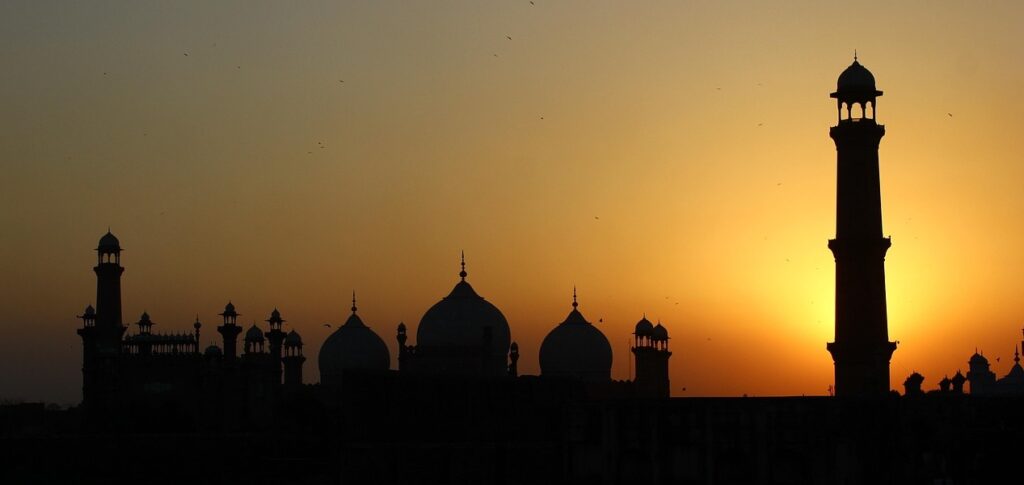
Pakistan is a country rich in history, culture, and ancient civilizations that stretch back thousands of years. From the ruins of the Indus Valley Civilization to the magnificent Mughal forts and sacred religious sites, its historical landmarks reflect a deep and genuinely diverse heritage — the influence of different empires, religions, and cultures shaping the region over centuries. Exploring these sites isn’t just sightseeing; it’s a window into the roots of South Asian civilization, architectural brilliance, and spiritual tradition. Each one tells a different story of power, art, learning, and resilience. This guide covers the best historical places in Pakistan worth building a trip around, whether you’re a dedicated history enthusiast or just curious to see where these stories actually happened. Mohenjo-Daro — The Lost City of the Indus Valley Civilization Mohenjo-Daro is one of the most significant archaeological sites in the world, standing as a genuine symbol of ancient urban planning. Located in Sindh province, the city dates back to around 2500 BCE and belonged to the Indus Valley Civilization. What makes it unique is its remarkably advanced infrastructure — baked brick houses, straight roads, covered drainage systems, and public baths. The famous Great Bath, believed to have been used for ritual purification, says a lot about the civilization’s social and religious life. Walking through the ruins gives visitors a genuine glimpse into a society that valued organization, hygiene, and engineering long before most of the ancient world caught up. Recognized as a UNESCO World Heritage Site, Mohenjo-Daro remains one of the oldest and most impressive historical sites in the country, offering a direct connection to the origins of urban life. Taxila — Ancient Center of Learning and Buddhist Heritage Taxila, near Islamabad, flourished as a major center of education and culture between the 6th century BCE and the 5th century CE. Once part of the Gandhara civilization, it became famous for Buddhist learning, drawing scholars from as far as China, Central Asia, and Greece to study philosophy, medicine, mathematics, and religion. The remains of Sirkap, Jaulian, and Mohra Moradu reveal monasteries, stupas, and beautifully carved sculptures from this era. The Taxila Museum houses thousands of artifacts, including statues of Buddha, coins, jewelry, and ancient tools. For anyone interested in archaeology or the region’s spiritual history, Taxila is one of the most rewarding stops on this list. Lahore Fort — The Glory of Mughal Architecture The Lahore Fort is a genuine masterpiece of Mughal architecture and one of the most visited historical sites in the country. Originally rebuilt by Emperor Akbar in the 16th century, it includes stunning structures like the Sheesh Mahal (Palace of Mirrors), the Naulakha Pavilion, and Diwan-e-Aam. Intricate frescoes, marble carvings, and mirror work reflect the elegance of Mughal design at its peak. Situated next to the Badshahi Mosque, Lahore Fort is also a UNESCO World Heritage Site, offering real insight into royal life, imperial administration, and Islamic art in one visit — and one of the most rewarding historical places in Pakistan to spend a full afternoon. Makli Necropolis — The City of Tombs Makli Necropolis, near Thatta in Sindh, ranks among the largest burial sites in the world — spanning several centuries from the 14th to the 18th, and containing well over a million tombs. It’s the final resting place of kings, queens, saints, scholars, and governors, with tombs featuring intricate stone carvings, Quranic inscriptions, and a genuine blend of Islamic, Persian, and South Asian architectural styles. Declared a UNESCO World Heritage Site, Makli offers a quiet, almost solemn experience — a reminder of Sindh’s rich spiritual and political past, and one of the more culturally significant historical places in Pakistan on any historical tour of the country. Rohtas Fort — A Masterpiece of Military Engineering Rohtas Fort is among the strongest and most impressive military structures in the country. Built in the 16th century by Sher Shah Suri near Jhelum in Punjab, it stands apart from the Mughal forts on this list by being designed purely for defense. Its massive stone walls, strategic gateways, and watchtowers show real advanced military planning for the era, and famous gates like Sohail Gate and Shah Chandwali Gate still stand with decorative inscriptions and carvings intact. Surrounded by hills and natural landscape, Rohtas Fort pairs history with genuine scenic beauty. It’s a UNESCO World Heritage Site and a strong pick for anyone specifically interested in military history and architecture. Other Notable Historical Sites Beyond the major landmarks above, Pakistan has plenty of other historical destinations worth knowing about. The Shalimar Gardens in Lahore, another Mughal-era UNESCO site, offer terraced gardens and fountains built for Emperor Shah Jahan. Hiran Minar, near Sheikhupura, is a lesser-visited Mughal monument built around a large reservoir. Derawar Fort, deep in the Cholistan Desert, is one of the most striking and remote forts in the country, with towering walls visible from miles away. These sites don’t always make the headline list, but they round out a more complete picture of Pakistan’s layered history. Why These Historical Places Matter These sites are more than ancient ruins and monuments — they represent centuries of cultural exchange, intellectual growth, and architectural innovation. They help preserve national identity and drive genuine cultural tourism. From ancient cities to Islamic empires to colonial-era landmarks, Pakistan’s historical heritage reflects its role as a genuine crossroads of civilizations, and visiting these places supports local communities and ongoing conservation work. Best Time to Visit November through March is the ideal window, when weather across most of the country is cooler and considerably more comfortable for walking around outdoor sites. Summers get extremely hot, especially in Sindh and Punjab, making midday sightseeing genuinely difficult. Early mornings and late afternoons work best for outdoor ruins and forts, while museums can comfortably be visited any time of day. Getting to These Sites Access varies a lot by site. Lahore Fort and the Shalimar Gardens sit right in the city, easily reached by taxi or ride-hailing app. Taxila is a short drive from Islamabad,

Best Historical Places in Pakistan: UNESCO Sites & More Read Post »

Scroll to Top