Adventure & Trekking

Find the best adventure and trekking destinations in Pakistan for thrill seekers and outdoor lovers. From challenging treks like K2 Base Camp to scenic hiking trails in the north, Pakistan offers world-class adventure opportunities. Whether you enjoy hiking, camping, or mountain climbing, this category covers the top spots for an unforgettable adventure experience.

Trekking in Pakistan
Adventure & Trekking

Trekking in Pakistan: 7 Ultimate Adventure Tourism Spots

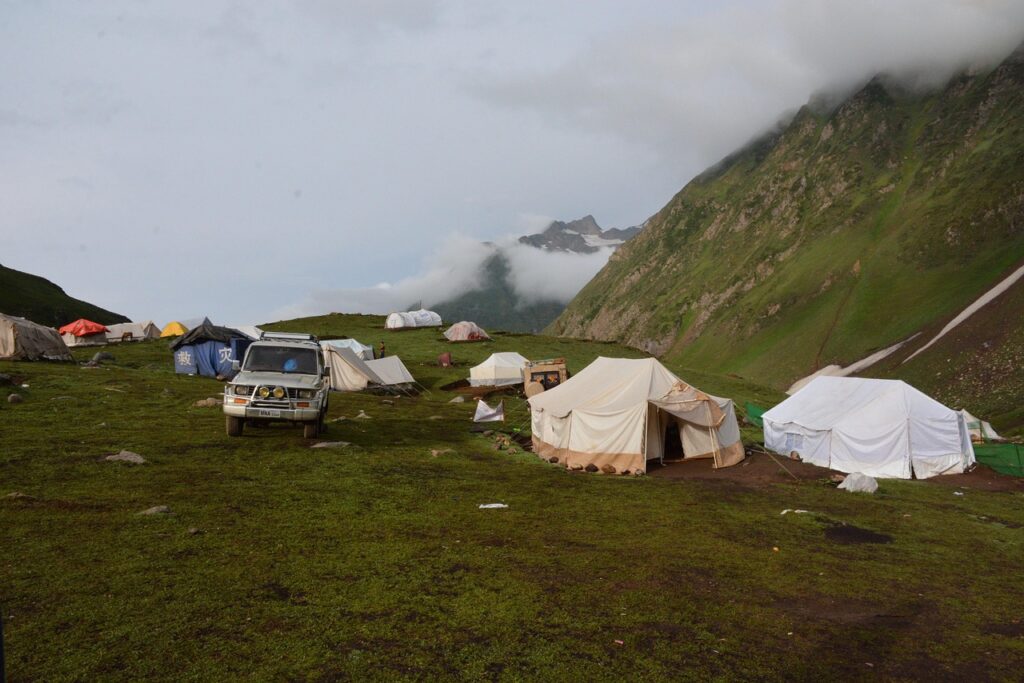
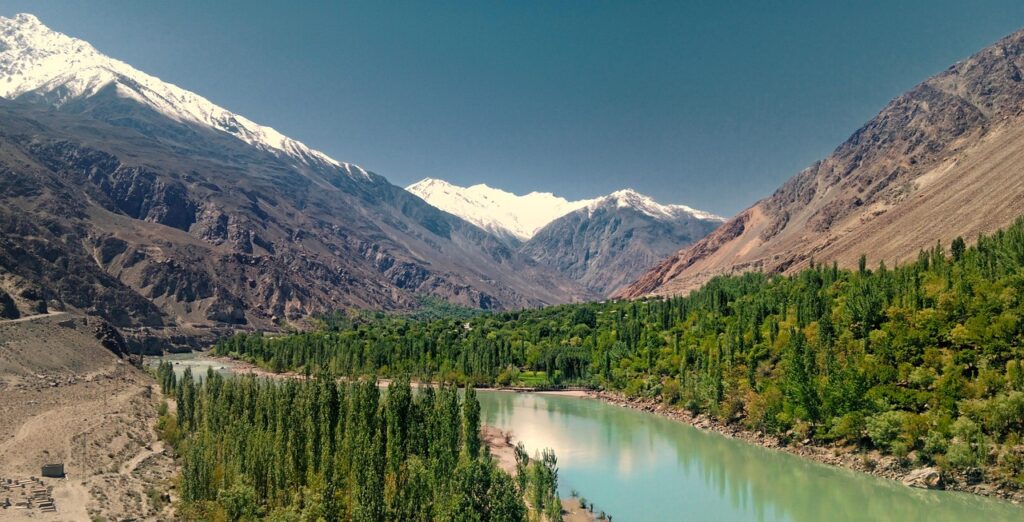
Trekking in Pakistan and the country’s wider adventure tourism scene has grown fast over the past few years — towering mountains, deep valleys, roaring rivers, and vast deserts all within the same country, offering a genuinely wide range of experiences for travellers after more than standard sightseeing. Much of the recent attention has come from travel vloggers and independent explorers rediscovering places that were largely off the mainstream tourism map. What sets it apart isn’t just the scenery but how raw and relatively untouched much of it still is. Whether you’re drawn to trekking, mountaineering, river rafting, skiing, or desert camping, there’s a serious option here at every skill level, in every season. Trekking in Pakistan — Quick Overview Pakistan’s adventure tourism spans trekking, mountaineering, river rafting, skiing, and desert exploration, spread across dramatically different landscapes — often within a single trip if you plan it right. For anyone specifically interested in trekking in Pakistan, the northern areas hold nearly all of the country’s serious routes, while the south and centre of the country offer an entirely different set of activities the rest of the year. The Northern Areas — A Paradise for Adventure Seekers The northern regions are the heart of Pakistan’s adventure tourism industry. Hunza and Skardu, in particular, are known for breathtaking landscapes and genuinely challenging terrain. Hunza blends culture and adventure — ancient forts, mountain trails, and views across the Karakoram range — while Skardu functions as the gateway to some of the world’s highest peaks. The Karakoram Highway adds a layer of excitement on its own; simply driving it, with dramatic mountain views and winding roads the whole way, counts as part of the adventure for many visitors. For broader regional planning, the Gilgit-Baltistan tourism department’s official site is a useful reference. Trekking and Mountaineering Pakistan is home to five of the world’s fourteen highest peaks, including K2, making it a genuine dream destination for trekkers and climbers. Routes like the Baltoro Glacier trek and K2 Base Camp rank among the most demanding and rewarding in the world, running through glaciers, rocky paths, and high-altitude terrain — this is where trekking in Pakistan reaches its most serious, technical level. For less extreme options, Fairy Meadows, the Passu Glacier trek, and Rakaposhi Base Camp all offer serious mountain views without requiring technical climbing experience — genuinely solid entry points if you’re new to trekking in the region. For the full list of routes and difficulty levels, see our trekking destinations guide. River Rafting and Water Sports Pakistan’s glacier-fed rivers make for genuinely exciting white-water rafting, with the Swat River among the most popular spots — fast-flowing water conditions peak in summer as glacier melt increases river levels, with the rapids around Kalam being a particular favourite among rafting operators. The Neelum and Gilgit rivers also offer rafting, each with its own character and difficulty level. Water sports have been growing steadily in popularity here, adding a genuinely different dimension to adventure travel beyond the usual trekking and mountaineering focus. Most operators run trips between May and September, when water levels and weather line up best. Skiing and Winter Sports Winter flips the adventure calendar on its head, and Malam Jabba in Swat Valley is where most of that action happens. As Pakistan’s first and best-known ski resort, it offers a roughly one-kilometre slope, a chairlift running up to around 2,800 metres, and lessons for beginners alongside more serious runs for experienced skiers and snowboarders. Beyond the slopes, the resort’s cable car ride alone is worth the trip for the views over the snow-covered Swat Valley, and the area has a genuinely festive atmosphere during peak winter weekends when the snow is at its best. Desert Adventures in Southern Pakistan While the north gets most of the mountain attention, southern Pakistan offers a completely different kind of adventure — the Cholistan and Thar Deserts are known for their vast sand dunes and a very different pace of travel. Jeep rallies, camel safaris, and desert camping are the main draws, with the annual Cholistan Jeep Rally pulling participants from across the country. Spending a night camped in the desert under a clear sky is genuinely one of the more unique experiences on offer here — quiet, open, and a sharp contrast to the mountains further north. Winter is by far the most comfortable season to visit, once the punishing summer heat has faded. Camping, Hiking, and Nature Exploration Camping and hiking remain some of the most accessible adventure activities in the country, and Deosai and Saif ul Malook are both good starting points. Deosai, the “Land of Giants,” offers wide open plains covered in wildflowers through summer — ideal for camping and photography. Saif ul Malook’s crystal-clear lake, ringed by mountains, offers equally rewarding hiking without requiring advanced skills. K2 Base Camp and the Karakoram’s Extreme Routes For trekking in Pakistan at its most demanding, K2 Base Camp remains the benchmark — a multi-day trek along the Baltoro Glacier that passes Concordia, where several of the world’s highest peaks come into view at once. This is genuinely expert territory: permits, an experienced local team, and serious physical preparation are all non-negotiable. Our full K2 Base Camp trekking guide covers logistics, permits, and what to realistically expect from the route. Challenges and Opportunities in Adventure Tourism Adventure tourism here still faces real challenges — infrastructure in remote areas is developing but not fully there yet, and reaching certain locations remains genuinely difficult. Safety perceptions internationally still lag behind the actual situation on the ground, though that gap has narrowed considerably in recent years as more tourists visit without incident. On the positive side, government initiatives and private investment are steadily improving facilities, and social media has done a lot of the work in showcasing destinations that were previously unknown outside the country. With continued development, Pakistan has real potential to become one of the world’s leading adventure tourism destinations. Conclusion Trekking in Pakistan and its wider adventure tourism

Trekking in Pakistan: 7 Ultimate Adventure Tourism Spots Read Post »
Best trekking places in Pakistan
Adventure & Trekking

8 Best Trekking Places in Pakistan (Complete 2026 Guide)

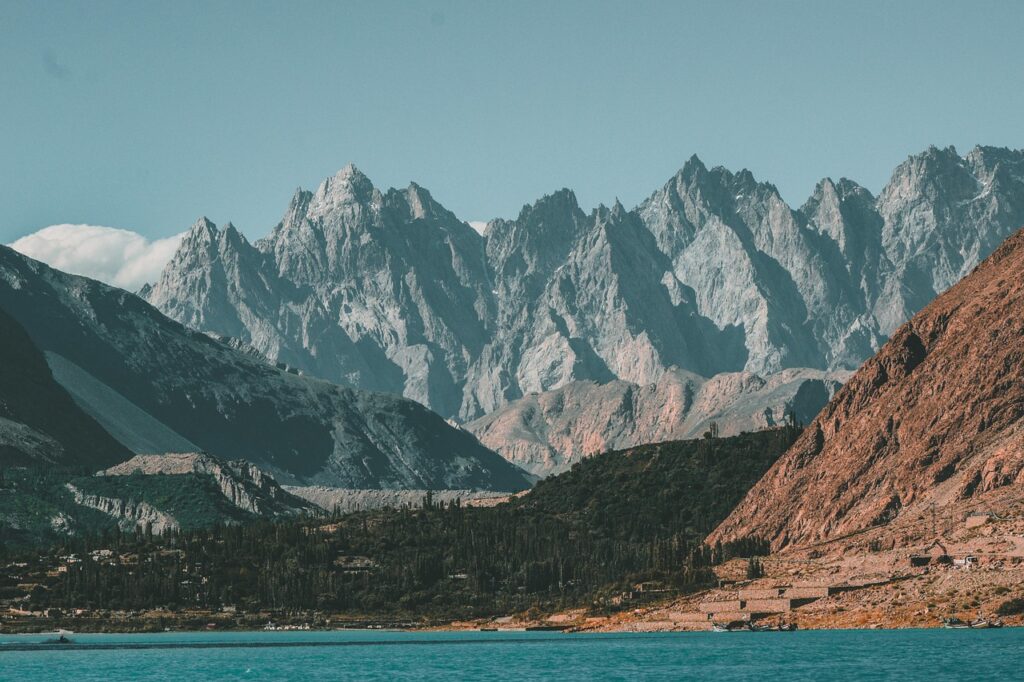
Pakistan has some of the best trekking places in Pakistan — and honestly, some of the best trekking anywhere in the world: towering mountains, glacier-fed valleys, high-altitude plateaus, and remote landscapes that range from gentle meadow walks to some of the hardest routes on the planet. Whether you’re after a first trek or a serious expedition, there’s a fitting route somewhere in the north. This guide covers the best trekking places in Pakistan, what each trail actually involves, and how to prepare for it. Best Trekking Places in Pakistan — Quick Overview Fairy Meadows, Hunza Valley, Skardu, Deosai Plains, Rakaposhi Base Camp, Ratti Gali Lake, and the Nanga Parbat and K2 Base Camp routes make up the best trekking places in Pakistan — each offering a genuinely different kind of landscape, culture, and difficulty level. Between them, they cover practically every kind of trekking experience the country has to offer, from a gentle first hike to a multi-week glacier expedition. Fairy Meadows — A Gateway to Nanga Parbat Fairy Meadows, in Pakistan’s north, is one of the most famous trekking spots in the country, offering a direct view of Nanga Parbat, the ninth-highest mountain in the world. The trek itself is moderate and suitable for beginners, though it starts with one of the more thrilling jeep tracks anywhere, followed by a scenic hike through forest and grassy fields. Once you’re at the meadow, snow-covered peaks, clean air, and genuine quiet make it worth the trip on its own — and it’s one of the best spots in the country for camping under a clear night sky. For the full route breakdown, see our complete Fairy Meadows guide. Hunza Valley — Culture Meets Natural Beauty Hunza Valley is not just a tourist destination but a genuine trekking base, surrounded by the Karakoram range with trails for every skill level. What sets trekking here apart is the cultural layer — routes pass through traditional villages, and it’s easy to spend as much time talking with locals as walking. Popular routes include the Passu Glacier trek and Ultar Meadows, with views of the Passu Cones that are especially popular among photographers. For mountain trekking that pairs well with sightseeing and culture, Hunza is hard to beat. For the district’s full tourism details, see the Gilgit-Baltistan tourism department’s Hunza page. Rakaposhi Base Camp — A Full Day With No Technical Skills Required The trek to Rakaposhi Base Camp is one of the more rewarding one-day routes in the north, running from the village of Minapin in the Nagar district up to the base of Rakaposhi itself — a peak that rises almost 6,000 metres from its base without interruption, one of only a handful of mountains in the world that do. The trail is well marked and doesn’t require any technical climbing skills, though it is a steady uphill walk, so reasonable fitness helps. Most trekkers complete the round trip in a single long day, though camping partway up for a slower pace and better light is a genuinely worthwhile option if you have the time. Skardu — The Heart of High-Altitude Adventures Skardu is often considered the gateway to some of the highest peaks in the world, including K2, making it one of the most important bases for serious trekkers. Routes here range from easy day hikes to genuinely extreme expeditions — the Baltoro Glacier trek, in particular, is one of the most demanding and rewarding routes anywhere for experienced trekkers. Skardu is also home to lakes like Shangrila and Sheosar, adding a completely different kind of scenery to the trip beyond the mountains and glaciers themselves. For a full breakdown of the town and surrounding area, see our Skardu travel guide. Deosai Plains — The Land of Giants Deosai, one of the highest plateaus in the world, offers a completely different kind of trekking from the mountainous routes elsewhere on this list. It’s less about steep climbs and more about long, peaceful walks across vast open terrain, covered in wildflowers through the summer months. Wildlife is a genuine draw here too — Himalayan brown bears, marmots, and a range of bird species all call the plateau home. For anyone chasing something quieter and more contemplative than a mountain summit, Deosai is worth the detour. Ratti Gali Lake — Azad Kashmir’s Alpine Trek Ratti Gali Lake, deep in the Neelum Valley of Azad Kashmir, involves a jeep ride from the village of Dowarian followed by a genuine trek — around two to three hours of moderate-to-difficult walking, or a horse ride for anyone who’d rather skip the climb. The route passes waterfalls, streams, and a good range of alpine flora along the way. The reward at the top is a glacial lake in a deep turquoise-blue, ringed by snow-covered peaks, sitting at over 3,600 metres. It’s a summer-only trek — the lake and surrounding trail are snowbound the rest of the year — but between July and September it’s one of the more rewarding alpine treks in Kashmir for the effort involved. Nanga Parbat Base Camp — A True Adventure The trek to Nanga Parbat Base Camp is one of the more rewarding adventures in the country, bringing you close to one of the world’s tallest and most notoriously dangerous mountains. It’s noticeably more demanding than Fairy Meadows and requires solid fitness — river crossings, forest walking, and rocky climbing sections are all part of the route. The views get more dramatic the closer you get, with massive glaciers and towering peaks closing in around you. For trekkers who’ve already done Fairy Meadows and want to push further, this is the natural next step. K2 Base Camp — For Serious Trekkers For anyone wanting the single most demanding trek on this list, K2 Base Camp is the answer — a multi-day route along the Baltoro Glacier that passes Concordia, where several of the world’s highest peaks come into view simultaneously. This is genuinely expert territory, requiring permits, an experienced local team, and

8 Best Trekking Places in Pakistan (Complete 2026 Guide) Read Post »

K2 Base Camp Pakistan
Adventure & Trekking

K2 Base Camp Pakistan: Trekking Guide & Route Tips

Hidden deep within the rugged landscapes of northern Pakistan, the journey to K2 Base Camp Pakistan is considered one of the most breathtaking and challenging adventures in the world. Known for its raw beauty and untouched wilderness, this region offers a rare experience for those who seek more than just ordinary travel. The towering peaks, vast glaciers, and remote valleys create a setting that feels almost unreal. The trek to K2 Base Camp is not just about reaching a destination. It is about the journey itself, the changing landscapes, and the connection with nature in its purest form. From the moment you step into the Karakoram region, every step brings a new perspective and a deeper appreciation for the mountains. This guide walks through everything worth knowing, from the trekking route to preparation and what makes this destination so special. The Significance of K2 and Its Base Camp K2 is the second-highest mountain in the world, standing as a symbol of strength and challenge. Unlike other famous peaks, it has a reputation for being extremely difficult to climb, which adds to its mystique. The base camp, located at the foot of this massive mountain, serves as a meeting point for climbers and trekkers from around the world. The importance of the base camp goes beyond mountaineering. It represents a gateway to understanding the scale and power of nature. The surrounding environment, including glaciers and neighboring peaks, creates a dramatic landscape that leaves a lasting impression on anyone who visits. For many, reaching the base camp is a personal achievement. It requires physical effort, mental strength, and a willingness to step outside of comfort zones. The journey is demanding, but the reward is an experience that few places on earth can offer. The Trekking Experience and Route Overview The trek to the base camp typically begins from Skardu, a town that acts as the main hub for expeditions in the region. From there, travelers move towards Askole, which marks the starting point of the trek. The route then follows the Baltoro Glacier, one of the longest glaciers outside the polar regions. This journey is often referred to as the K2 Base Camp trek and is known for its diverse landscapes. Trekkers pass through rocky paths, icy terrain, and wide open valleys. Along the way, they encounter iconic locations such as Concordia, often called the “Throne Room of the Mountain Gods,” where several of the world’s highest peaks are visible — arguably the single most photographed viewpoint on the entire K2 Base Camp Pakistan trek. Each day of the trek presents new challenges and rewards. The altitude gradually increases, making acclimatization an important part of the journey. Despite the physical demands, the sense of achievement grows with every step. The experience is not just about reaching the base camp but about embracing the entire journey through one of the most stunning regions on earth. Natural Beauty and Unique Landscape The Karakoram region is known for its dramatic and untouched beauty. Massive peaks rise sharply into the sky, creating a skyline that feels both powerful and peaceful. Glaciers stretch across the land, reflecting sunlight and adding to the visual impact of the surroundings. This area offers something truly different from typical travel destinations. There are no crowded streets or commercial attractions. Instead, visitors find silence, space, and a deep connection with nature. Wildlife in the region is rare but fascinating. You may encounter species adapted to extreme conditions, adding another layer of interest to the journey. The combination of high-altitude terrain, unique geology, and remote location makes this landscape one of the most remarkable in the world. Preparation and Essential Tips for Travelers Preparing for this journey requires careful planning. The remote nature of the region means that travelers must be self-sufficient and well-prepared. Physical fitness is essential, as the trek involves long days of walking over challenging terrain. Proper gear is equally important. Warm clothing, sturdy trekking shoes, and reliable equipment can make a significant difference in comfort and safety. Since the weather can change quickly, being prepared for different conditions is crucial. Many travelers rely on experienced local guides for this kind of remote trek. These professionals help manage logistics, ensure safety, and provide valuable knowledge about the region. They also assist with permits and coordination, making the journey smoother and more organized. Acclimatization should not be overlooked. Taking time to adjust to higher altitudes reduces the risk of altitude sickness and allows you to fully enjoy the experience. Hydration, rest, and a steady pace are key factors in completing any K2 Base Camp Pakistan expedition successfully. Cultural Experience and Local Communities While the focus is often on the mountains, the cultural aspect of the journey adds depth to the experience. The region is home to small communities that have adapted to life in extreme conditions. Their traditions, hospitality, and way of life offer valuable insights into a different world. Travelers often pass through villages where they can interact with locals and learn about their daily lives. These moments create meaningful connections and provide a deeper understanding of the region beyond its natural beauty. The combination of cultural exposure and natural exploration makes the journey more enriching. It is not just about the destination but also about the people and stories encountered along the way. Getting to K2 Base Camp Pakistan: How to Reach the Starting Point Most journeys begin with a flight or road trip to Skardu, the gateway town for expeditions into the Karakoram. Flights from Islamabad to Skardu are the fastest option when weather allows, cutting what would otherwise be a long overland journey down to about an hour in the air — though flights are weather-dependent and can be delayed or cancelled with little notice. The overland route via the Karakoram Highway takes considerably longer but offers its own dramatic scenery along the way. From Skardu, a jeep transfer takes trekkers to Askole, the last village before the trek proper begins, following unpaved mountain roads that

K2 Base Camp Pakistan: Trekking Guide & Route Tips Read Post »

Historical Forts in Pakistan
Adventure & Trekking

8 Top Historical Forts in Pakistan – Complete Travel & Heritage Guide

Looking for the most significant historical forts in Pakistan? Pakistan’s history reads through its forts almost as clearly as through any textbook — Mughal palaces built for grandeur, desert strongholds built for trade routes, and mountain fortresses built to hold entire valleys. Each one tells a different story about who ruled, who resisted, and what mattered enough to defend. This guide covers eight of the country’s most significant forts, from Lahore’s UNESCO-listed centrepiece to a fortress in the Cholistan Desert with 40 bastions rising out of the sand. Lahore Fort Also known as Shahi Qila, Lahore Fort represents the high point of Mughal architecture in the country. Reconstructed under Emperor Akbar in the 16th century, it houses the Sheesh Mahal (Palace of Mirrors), the Naulakha Pavilion, and the imposing Alamgiri Gate — each showing off the marble inlay work and mirror mosaics the Mughals were known for. UNESCO listed the fort as a World Heritage Site in 1981, and it remains the most visited and best-preserved of the country’s Mughal-era forts. For heritage and conservation details, the Walled City of Lahore Authority maintains detailed information on the site. Rohtas Fort Rohtas Fort, near Jhelum, was built by Sher Shah Suri in the 16th century for one purpose: to block the Mughal emperor Humayun’s return to power. Where Lahore Fort is about splendour, Rohtas is about pure military engineering — 12 grand gates, massive stone walls, and strategic watchtowers built to withstand a siege. The blend of Afghan and Islamic architectural styles here is distinct from anything else on this list, and it’s also a UNESCO World Heritage Site, recognised as one of the best-preserved defensive forts in South Asia. Derawar Fort Derawar Fort rises out of the Cholistan Desert with 40 massive bastions visible from miles away — one of the more striking sights in the country, especially at sunset when the desert light turns the sandstone gold. Originally built in the 9th century and later reconstructed by the Abbasi family, it once guarded ancient desert trade routes. Visiting Derawar means committing to a proper desert trip — it’s remote, and the drive in is part of the experience. Few forts anywhere combine this scale with this level of isolation. Baltit Fort — A Cornerstone Among Historical Forts in Pakistan Baltit Fort, in Hunza Valley, is over 700 years old and shows clear Tibetan and Central Asian architectural influence — a reminder of how much this region’s history connects to Central Asia rather than the Mughal world further south. Perched on a hilltop, it commands sweeping views across the valley and surrounding peaks. Once the residence of the Mir of Hunza, it now operates as a museum, and remains one of the most visited sites in the northern areas thanks to both its history and its setting. Altit Fort Altit Fort, also in Hunza, predates Baltit by roughly two centuries — over 900 years old, built on a cliff directly above the Hunza River as the original seat of Hunza’s rulers. After a careful restoration project, it’s now an important cultural site offering a genuine look at traditional life in the region before Baltit was even built. Together, Baltit and Altit form one of the most complete mountain-fort complexes anywhere in the country, and pairing a visit to both makes for an easy, worthwhile day in Hunza. Ranikot Fort Ranikot Fort, often called the “Great Wall of Sindh,” is believed to be one of the largest forts in the world by wall length — stretching roughly 30 kilometres. Its exact origins are genuinely uncertain; historians believe it evolved gradually over centuries rather than being built in one campaign. Smaller forts, including Meeri and Shergarh, sit within its boundaries. The sheer scale here is hard to appreciate from photos alone — it’s a destination that rewards actually standing inside its walls. Umerkot Fort Umerkot Fort holds a specific historical weight: it’s the birthplace of Mughal Emperor Akbar in 1542. Built from red sandstone, the fort blends Islamic and Rajput architectural styles, and now houses a museum with Mughal-era artifacts on display. It’s one of the more historically symbolic stops on this list — less about scale or defence and more about a single, specific moment in Mughal history. Skardu Fort Skardu Fort, also known as Kharpocho Fort, was built in the 16th century to defend the Skardu region and sits above the town with clear views over the Indus River and the surrounding valley. It’s partially in ruins now, but that hasn’t hurt its appeal — the combination of history and setting makes it a favourite stop for photographers passing through Skardu. Planning a Fort-Focused Trip These eight forts span the entire country, so realistically no single trip covers all of them. Lahore and Rohtas pair naturally together in Punjab; Baltit and Altit fit into any Hunza itinerary; Skardu Fort is an easy add-on to a broader Skardu trip; and Derawar, Ranikot, and Umerkot each require a more dedicated desert-and-Sindh-focused journey. Most sites charge a modest entry fee and are best visited earlier in the day, both for lighting and to avoid the heat at the desert forts especially. Why These Forts Matter Beyond Tourism Each of these sites preserves a distinct architectural tradition — Mughal, Afghan, Rajput, and Central Asian influences all show up across the list, often within a few hundred kilometres of each other. Heritage tourism to these sites also directly supports local economies and ongoing conservation work, which matters given how much upkeep structures this old genuinely require. Conclusion: Historical Forts in Pakistan Worth Visiting From the artistic detail of Lahore Fort to the sheer defensive scale of Rohtas and Ranikot, and the mountain settings of Baltit and Altit, Pakistan’s historical forts cover an unusually wide range of architectural styles and purposes in one country. Each one is worth visiting on its own terms, not just as a stop on a longer itinerary. FAQs — Historical Forts in Pakistan 1. Which fort in Pakistan is the

8 Top Historical Forts in Pakistan – Complete Travel & Heritage Guide Read Post »

Top Hiking Trails and Mountains in Pakistan
Adventure & Trekking

Top Hiking Trails and Mountains in Pakistan for Adventurers – Ultimate Guide

Looking for the top hiking trails and mountains in Pakistan? Pakistan sits at the meeting point of three of the world’s great mountain ranges — the Himalayas, the Karakoram, and the Hindu Kush — and holds five of the fourteen peaks on Earth above 8,000 metres. That combination makes it one of the most serious hiking and mountaineering destinations anywhere, with routes ranging from gentle valley walks to some of the hardest technical climbs in the world. This guide covers the country’s standout trails and mountain regions, from beginner-accessible meadows to expert-only glacier routes, along with what to know before you go. The Karakoram and K2 — One of the Top Hiking Trails and Mountains in Pakistan for Experts The Karakoram range holds some of the most demanding terrain on the planet, and the trek to K2 Base Camp is its signature route. K2, the second-highest mountain in the world, draws serious trekkers and elite climbers alike, with the route running along the Baltoro Glacier — one of the longest glaciers outside the polar regions. Along the way, the route passes Broad Peak, Gasherbrum I, and Gasherbrum II, culminating at Concordia, where several of the world’s highest peaks come into view at once. This is expert territory — long days, high altitude, and genuine isolation. Our full K2 Base Camp trekking guide covers permits, logistics, and preparation in detail. Nanga Parbat and Fairy Meadows – Accessible Mountain Beauty Nanga Parbat, the ninth-highest mountain in the world, earned the nickname “Killer Mountain” for its dramatic and difficult climbing history — but not everything at its base requires that level of commitment. Fairy Meadows, sitting directly beneath the peak, offers one of the more accessible mountain experiences in the country. The trek in passes through pine forest and green pasture to wooden cabins with a direct view of the mountain, and it’s graded moderate rather than technical — a good fit for intermediate hikers or fit beginners who want serious scenery without a climbing background. Our complete Fairy Meadows guide covers the trek and logistics. Hunza Valley – Scenic Treks with Cultural Immersion Hunza combines hiking with genuine cultural depth — snow-covered peaks and turquoise lakes alongside centuries-old villages. The Rakaposhi Base Camp trek, the Passu Glacier trek, and the viewpoints around Ultar Sar are the standout routes here. Hunza also has the best tourism infrastructure of any trekking region in the north, which makes it a comfortable starting point for international visitors new to trekking in Pakistan. Beyond the trails, old forts, local cuisine, and the region’s well-known hospitality round out the visit. Skardu – Gateway to High-Altitude Adventures Skardu functions as the launch point for most Karakoram expeditions, including K2. Beyond expedition logistics, it’s also a destination in its own right, with access to Deosai Plains, Shangrila Lake, and hikes around Satpara Lake. It’s genuinely a hub rather than a single trail — most trekkers heading into the deeper Karakoram pass through Skardu first, restocking supplies and arranging permits before continuing on. Our Skardu travel guide covers the town and its surrounding sights. Deosai Plains – The Land of Giants Deosai National Park, one of the highest plateaus in the world, offers a completely different kind of hiking — wide open terrain rather than steep ascents. In summer, the plains fill with wildflowers, and the Himalayan brown bear is a genuine (if rare) sighting. This is easy-to-moderate hiking territory, well suited to wildlife photography, camping, and generally slower-paced exploration rather than summit pushes. Why International Hikers Are Increasingly Choosing Pakistan Interest in Pakistan’s trekking routes has grown steadily in recent years, largely because the terrain still delivers what better-known ranges elsewhere have lost to crowding — untouched landscapes, lower costs, and genuine isolation on trails that would be packed in Nepal or elsewhere in the Himalayas. The diversity of terrain, from glacier routes to open plateaus, and the cultural richness of the mountain communities along the way add another layer that’s harder to find on more commercialised trekking circuits. Essential Tips for Hiking in Pakistan Best time to visit: May through September, when weather is most stable across the northern trekking regions. Hire local guides: For longer or technical routes, an experienced local guide materially improves both safety and navigation. Pack properly: Mountain boots, thermal layers, trekking poles, navigation tools, and a basic first-aid kit are the essentials — don’t assume you can improvise once you’re on the trail. Respect the environment: Pack out what you bring in, and be mindful of local customs in the villages you pass through. Safety and Accessibility The major trekking regions — Hunza, Skardu, and Fairy Meadows — are generally considered safe for visitors who plan properly, and tourism infrastructure across the north has improved significantly in recent years. Higher-altitude, more remote routes like K2 Base Camp demand more serious preparation and are best done through a registered tour operator rather than independently. Conclusion: Top Hiking Trails and Mountains in Pakistan From K2’s demanding glacier routes to the open plateaus of Deosai and the gentler trails around Hunza and Fairy Meadows, Pakistan’s mountains offer something for nearly every level of hiker. With the right season, proper gear, and realistic expectations about difficulty, it’s one of the more rewarding trekking destinations left that hasn’t been overrun by crowds. FAQs – Hiking and Trekking in Pakistan 1. What’s the best hiking route in Pakistan for beginners? Fairy Meadows and the trails around Hunza Valley are the most accessible, offering serious mountain scenery without technical climbing. 2. Do I need a permit to trek in Pakistan? Routes near restricted border zones, including K2 Base Camp, require permits typically arranged through a registered tour operator. 3. When is the best time to hike in northern Pakistan? May through September offers the most stable weather and best trail access across nearly all of the country’s major routes. Adeel AhmadAdeel Ahmad is a Pakistan-based travel writer and the founder of Top Places in Pakistan, a travel guide dedicated to

Top Hiking Trails and Mountains in Pakistan for Adventurers – Ultimate Guide Read Post »

Hidden travel destinations in Pakistan
Adventure & Trekking

8 Hidden Travel Destinations in Pakistan (Offbeat Places to Visit)

Looking for hidden travel destinations in Pakistan? Pakistan’s best-known destinations — Hunza, Murree, Skardu, Lahore — draw the crowds for good reason, but they’re far from the whole story. Scattered across the country are valleys, deserts, and villages that see a fraction of the tourist traffic, and they tend to reward the extra effort with something the popular spots can’t offer anymore: quiet. This guide covers eight offbeat destinations worth the detour, from turquoise alpine lakes to a national park where desert meets the Arabian Sea, along with what to actually expect if you go. 1. Phander Valley – A Serene Escape in Gilgit-Baltistan Phander Valley, in the Ghizer district of Gilgit-Baltistan, is easy to miss on a first-time itinerary and that’s exactly its appeal. Snow-capped peaks ring a valley of lush green fields, and Phander Lake at its centre is known for a turquoise colour and clarity that rivals better-known lakes without the crowds. Trout fishing, lakeside camping, and boating are the main activities, and sunrise here — when the mountains reflect perfectly across still water — is one of the more memorable mornings you can have in the north. For district travel information, the Gilgit-Baltistan tourism department’s Phander page is a useful official reference. 2. Kumrat Valley – A Pine Forest Paradise Kumrat Valley in Khyber Pakhtunkhwa has started getting more attention in recent years, but it’s still far less developed than Swat or Kaghan. Dense pine forest, clear rivers, waterfalls, and wide green meadows give it a raw, rustic character that’s increasingly hard to find elsewhere in the north. Jahaz Banda Meadows, a green plateau ringed by mountains, is the standout camping spot, and the trek to Katora Lake — a high-altitude alpine lake — is challenging but genuinely worth it for anyone reasonably fit. Roads here are rough, so this is a trip better suited to jeeps than sedans, and tent camping rather than hotels. 3. Astore Valley – Gateway to Untouched Himalayan Beauty Astore Valley sits deep in the Pakistani Himalayas and changes character completely across the seasons — wildflowers and rivers in spring, deep green in summer, gold in autumn, snow in winter. It’s also the access point for several trekking routes and remote campsites that see very few visitors. Rama Lake, a mirror-still alpine lake reflecting the surrounding peaks, is the valley’s best-known spot. Minimarg and Domel, further along, require special permission to visit but reward the paperwork with wildflower-covered scenery that’s essentially untouched. 4. Hingol National Park — One of the Most Unique Hidden Travel Destinations in Pakistan Hingol National Park in Balochistan is genuinely unlike anywhere else in Pakistan — wind-carved rock formations, desert, wildlife, and the Arabian Sea coastline all inside one park. The natural rock sculptures known as the Princess of Hope and the Lion of Hingol, shaped entirely by erosion, are the park’s signature sights. The drive along the Makran Coastal Highway to get there is worth the trip on its own, running between desert mountains and open sea. Inside the park, the Hinglaj Mata Temple is an important Hindu pilgrimage site, and the combination of desert, coast, and wildlife makes Hingol a favourite for photographers and off-road travellers. 5. Kalash Valleys – Living Culture in the Mountains The Kalash Valleys in Chitral offer something the other destinations on this list don’t: a living, distinct culture rather than just scenery. The Kalasha community here has preserved its own traditions, clothing, and festivals for generations, largely undisturbed by outside influence. The three main valleys — Bumburet, Rumbur, and Birir — sit among mountains, forest, and terraced farmland. If your visit lines up with festivals like Chilam Joshi, Uchal, or Choimus, you’ll see music, dancing, and rituals that don’t exist anywhere else in the country. This is a destination worth visiting with a degree of cultural respect and, ideally, a local guide. 6. Khaplu and Ghanche – Palaces and Glaciers Khaplu, in the Ghanche district of Gilgit-Baltistan, combines history with the region’s usual mountain scenery. Khaplu Palace, a former royal residence, has been carefully restored as a heritage hotel and is worth a stay even if you’re just passing through. From Khaplu, routes lead toward the Siachen Glacier and the Hushe Valley, both serious draws for trekkers and mountaineers. For a gentler visit, the small villages and the Shyok River make for a calm couple of days without any need for technical trekking gear. 7. Ratti Gali Lake – Azad Kashmir’s Hidden Alpine Lake Ratti Gali Lake, high in the mountains of Neelum Valley in Azad Kashmir, requires a jeep ride and a moderate hike to reach — which is exactly why it stays quiet compared to lakes with road access. The reward is a glacial lake in a deep turquoise-green that shifts with the light through the day. The trip is best done as a day hike from a base camp near the trailhead, and it’s strictly a summer destination — the lake and surrounding trail are snowbound for most of the rest of the year, so June through September is the realistic window. 8. Deosai Plains – The Land of Giants The Deosai Plains, nicknamed the “Land of Giants” for their sheer scale, sit at high altitude and turn into a carpet of wildflowers through the summer months. They’re also one of the last strongholds of the Himalayan brown bear, alongside marmots and a wide range of bird species. Sheosar Lake, Deosai’s centrepiece, offers clear water against a dramatic mountain backdrop, and with almost no light pollution, the night skies here are some of the best in the country for stargazing. For more on visiting Deosai as part of a wider trip, see our guide to Pakistan’s northern regions — note that Deosai’s roads close in winter, so it’s a summer-only destination. Why These Hidden Travel Destinations in Pakistan Are Worth the Extra Effort Every place on this list takes more planning than a Murree weekend — rougher roads, fewer hotels, sometimes special permits. That effort is

8 Hidden Travel Destinations in Pakistan (Offbeat Places to Visit) Read Post »

Best adventure places in Pakistan
Adventure & Trekking

Best Adventure Places in Pakistan – 7 Incredible Destinations to Explore

Looking for the best adventure places in Pakistan? Pakistan is a land of raw beauty, extreme landscapes, and genuinely endless adventure. With some of the world’s highest mountains, vast glaciers, roaring rivers, deserts, deep valleys, and remote coastal areas, it’s become a serious draw for adventure travelers. From trekking in the Karakoram Range to rafting northern rivers and camping along wild beaches, this guide covers the best adventure places in Pakistan for every level of thrill seeker. Skardu — Gateway to the Karakoram and One of the Best Adventure Places in Pakistan Skardu, in Gilgit-Baltistan, is a legendary base for adventure travelers. Surrounded by massive mountains, deep valleys, and icy glaciers, it serves as the gateway to the Karakoram Range, and professional climbers from around the world use it as the starting point for K2 expeditions — the second-highest mountain on earth. One of the most famous routes from Skardu leads to Concordia, where the Baltoro and Godwin Austen glaciers meet — arguably one of the most breathtaking mountain views on earth, with K2, Broad Peak, and Gasherbrum rising above endless ice fields. For less extreme adventure, Satpara Lake, Shangrila Resort, the Katpana Cold Desert, and Skardu Fort all offer solid trekking, camping, and photography without requiring expedition-level commitment. Fairy Meadows — A Paradise for Trekkers Fairy Meadows is one of the most iconic adventure destinations in the country. Located near the base of Nanga Parbat, the ninth-highest mountain in the world, it’s ideal for trekking lovers and nature explorers alike. Reaching it is an adventure in itself — a thrilling jeep ride along one of the more demanding mountain roads in Asia, followed by a 3–4 hour hike through forest and narrow trails. The reward is a lush green meadow with stunning views of Nanga Parbat’s snow-covered peak. Camping under a genuinely star-filled sky, surrounded by silence and towering mountains, is hard to beat, and experienced hikers can push further to Nanga Parbat Base Camp for an even more demanding trek. Hunza Valley — Adventure Among Glaciers and Turquoise Lakes Hunza is known for its beauty, but its rugged terrain, glaciers, and dramatic landscapes make it a genuine adventure destination too — trekking, climbing, rafting, and scenic road trips all in one valley. Popular routes include trekking to Passu Glacier, hiking in Hopper Valley, and rafting the Hunza River, while the Karakoram Highway itself offers one of the world’s most scenic road trips, drawing bikers and adventure drivers from around the globe. Attabad Lake’s deep blue water allows kayaking, boating, jet skiing, and paddleboarding, and crossing the Hussaini Suspension Bridge — considered one of the more precarious bridges in the world — is its own dose of adrenaline entirely separate from the water activities. Swat Valley and Kalam — Rivers, Forests, and Mountain Adventures Swat Valley, often called the “Switzerland of Pakistan,” is a strong pick for adventure tourism thanks to snow-covered mountains, waterfalls, alpine meadows, and rivers suited to trekking, camping, and winter sports. Malam Jabba Ski Resort offers skiing, snowboarding, and chairlift rides in winter, while summer turns the valley into a hub for hiking, fishing, and nature photography. Further north, Kalam Valley offers jeep safaris to Mahodand Lake through dense forest and rocky trails, with trout fishing, horseback riding, camping, and riverside picnics rounding out the experience. Swat and Kalam together deliver a genuine mix of adrenaline and calm in one trip. Chitral and Kalash Valley — Cultural and Natural Adventure Chitral is remote and genuinely stunning, surrounded by the towering peaks of the Hindu Kush. Even the journey there is an adventure, with high mountain passes and dramatic views the whole way. Activities include trekking, mountaineering, paragliding, and exploring historic forts, and Tirich Mir, the highest peak of the Hindu Kush, draws experienced climbers every year. Nearby Kalash Valley adds a distinctly cultural layer to the adventure — home to the ancient Kalasha community, it combines natural beauty with genuinely unique traditions. Walking through green valleys, past crystal-clear streams and traditional villages, feels like stepping into a different world entirely, and festivals like Chilam Joshi add an unforgettable cultural dimension to a visit. Balochistan — Wild Beaches and Mystical Landscapes Balochistan remains one of Pakistan’s least explored regions, which is exactly what makes it appealing for adventurers seeking untouched landscapes. Its coastline features striking beaches like Gwadar, Ormara, and Kund Malir, all well suited to camping, beach trekking, and stargazing. The Makran Coastal Highway offers a genuinely breathtaking road trip between desert mountains and the Arabian Sea, and Hingol National Park is one of the region’s most fascinating stops, home to dramatic rock formations and the Hinglaj Mata Temple. Desert safaris, hiking, wildlife spotting, and off-road exploration round out the options here. Balochistan’s rare mix of desert, sea, and mountain terrain makes it one of the more genuinely unique adventure regions in the country, and one of the best adventure places in Pakistan for travelers wanting something completely different from the mountains further north. Why Pakistan Stands Out for Adventure Travel These destinations stand out for a consistent set of reasons: a real mix of extreme and moderate adventure options, largely unspoiled natural landscapes, adventure travel that’s genuinely affordable compared to international equivalents, warm local hospitality, and options that work across most of the year depending on region. From icy glaciers to coastal highways, Pakistan delivers a range of adventure travel that’s hard to find packed into one country elsewhere. Safety and Preparation Most adventure travel here is safe with the right preparation — proper gear, awareness of seasonal weather, and local guides where the terrain calls for it. Mountain routes in particular should only be attempted with experienced local drivers and guides, and permits are required for treks near the border regions (Skardu’s K2-area routes especially). Travel insurance covering high-altitude or remote activities is worth having regardless of destination. Conclusion: The Best Adventure Places in Pakistan Pakistan is a genuinely extraordinary destination for adventure travelers. From high-altitude expeditions out of Skardu and trekking

Best Adventure Places in Pakistan – 7 Incredible Destinations to Explore Read Post »

Most visited tourist places in Pakistan
Adventure & Trekking

Most Visited Tourist Places in Pakistan – Top Destinations to Explore

Pakistan is a country blessed with breathtaking natural beauty, ancient civilizations, and genuinely warm hospitality. From snow-covered mountains and green valleys to golden beaches and historic cities, it draws millions of domestic and international travelers every year — for adventure, culture, history, and scenery that’s hard to match in the region. This guide covers the most visited tourist places in Pakistan, spanning family getaways, cultural trips, and everything in between. Murree — One of the Most Visited Tourist Places in Pakistan Murree, often called the “Queen of Hills,” ranks among the top destinations largely because of how easy it is to reach from Islamabad and Rawalpindi, paired with genuinely pleasant weather. It works well for families, couples, and solo travelers alike looking to escape city life for a day or two. Surrounded by pine forest and rolling hills, Murree offers cool summers and snowy winters. Mall Road, filled with cafés, souvenir shops, and valley-view hotels, remains the town’s centerpiece, while Kashmir Point and Pindi Point are solid picks for family walks and photography. Patriata (New Murree) adds chairlift and cable car rides with panoramic mountain views — a major reason Murree stays popular with both honeymooners and families through the winter snow season. Hunza Valley — A Paradise on Earth Located in Gilgit-Baltistan, Hunza Valley is widely considered one of the most beautiful destinations in the country. Surrounded by peaks like Rakaposhi, Ultar Sar, and Ladyfinger Peak, it offers genuinely postcard-worthy scenery paired with a calm, peaceful atmosphere. Karimabad is the main tourist hub, home to historic landmarks like Baltit Fort and Altit Fort. Attabad Lake, with its striking turquoise water, is one of the most photographed spots in the country and offers boating and kayaking. Spring brings cherry blossoms across the valley, while autumn paints it in gold — whichever season you catch it in, Hunza tends to live up to the hype. Swat Valley — The Switzerland of Pakistan Swat Valley, in Khyber Pakhtunkhwa, earns its nickname through lush green valleys, snow-capped peaks, and crystal-clear rivers — a major summer draw for domestic travelers especially. Mingora and Saidu Sharif serve as the main hubs, with hotels, restaurants, and shopping. Malam Jabba, home to Pakistan’s only ski resort, is the region’s biggest single attraction, offering skiing, chairlifts, and winter activities. Kalam, Bahrain, and Ushu Forest round out the region, with picnics, riverside walks, jeep safaris, and camping keeping visitors busy for days. The combination of natural beauty and a refreshing climate is exactly why Swat stays a favorite for families and nature lovers alike. Lahore — The Cultural Heart of Pakistan Lahore earns its place on this list through Mughal-era history, deep cultural heritage, and a food scene that’s genuinely famous nationwide. The city functions almost like a living museum alongside its modern, everyday life. Top attractions include the Badshahi Mosque, Lahore Fort, and Shalimar Gardens, all showcasing Mughal architecture at its peak, while the Walled City offers narrow streets, old bazaars, and centuries-old havelis. Modern Lahore is just as much of a draw — MM Alam Road and Liberty Market cover shopping and dining, and the city’s food scene (karahi, biryani, kebabs, haleem, and classic halwa puri breakfasts) is reason enough to visit on its own. Karachi — The City of Lights and Golden Beaches Karachi, Pakistan’s largest city, mixes beaches, history, art, and nightlife into one genuinely vibrant destination — especially popular with travelers who want coastal scenery alongside city life. Clifton Beach, Hawksbay, and French Beach are the main draws for relaxing, photography, and sunset views, while Mazar-e-Quaid, Mohatta Palace, and the Pakistan Maritime Museum offer a real look into the country’s past. Karachi’s food scene alone could justify a trip, spanning everything from street food to international cuisine, and the city’s malls, parks, cafés, and cultural centers keep it running well past sunset — which is exactly why it remains one of the most visited tourist places in Pakistan year-round. Why These Are the Most Visited Tourist Places in Pakistan These destinations pull in millions of visitors each year for a fairly consistent set of reasons: easy accessibility, family-friendly infrastructure, genuine natural beauty paired with cultural depth, and generally safe, comfortable travel experiences. From northern valleys to southern beaches, they collectively showcase just how diverse Pakistan’s travel landscape actually is. Getting Between Destinations Domestic flights connect Islamabad, Lahore, and Karachi quickly, making it easy to combine a northern trip with a city stop without long overland travel. Getting into the mountains themselves — Murree, Hunza, Swat — requires road travel regardless, since none of these have commercial airports serving them directly (Gilgit’s airport is the closest option for reaching Hunza, weather permitting). Trains also run between the major cities and offer a slower, more scenic alternative to flying for travelers with time to spare. Best Time to Visit Northern destinations like Murree, Hunza, and Swat are best visited from May to September, when weather is mild and mountain roads are fully open — with the notable exception of winter trips specifically chasing snow in Murree or skiing at Malam Jabba. Lahore and Karachi are more flexible year-round, though both get uncomfortably hot in peak summer, making spring and autumn the more pleasant windows for city sightseeing. Travel Tips Book accommodation ahead for the northern destinations during peak season, since rooms fill up fast in Murree, Hunza, and Swat between June and August. Factor in extra travel time for mountain roads, which move slower than distance alone suggests. In Lahore and Karachi, ride-hailing apps are the easiest way to get between attractions, and trying local food from busy, well-reviewed spots rather than the first stall you see tends to pay off. Conclusion: The Most Visited Tourist Places in Pakistan Pakistan is full of travel opportunities, with every province offering something genuinely different. From the cool hills of Murree and the majestic valleys of Hunza and Swat to the historic streets of Lahore and the vibrant beaches of Karachi, these destinations deliver unforgettable experiences across very

Most Visited Tourist Places in Pakistan – Top Destinations to Explore Read Post »

hidden places in Pakistan
Adventure & Trekking

Hidden Places in Pakistan: 9 Secret Destinations

Pakistan is widely known for popular destinations like Hunza, Swat, and Skardu, which draw thousands of visitors every year for their dramatic mountains and scenic valleys. But beyond these well-known spots lie plenty of hidden places in Pakistan that remain largely unexplored and untouched by mass tourism — offering peace, authenticity, and a much deeper connection with nature. Traveling to these lesser-known destinations shows a different side of the country, far from crowds and commercialization. This guide covers some of the most beautiful hidden places worth seeking out, ideal for adventure seekers, nature lovers, and anyone looking for genuine serenity. Phander Valley — A Hidden Paradise in Ghizer, Gilgit-Baltistan Phander Valley is one of the most peaceful and lesser-known spots on this list. Located in the Ghizer district of Gilgit-Baltistan, it’s known for turquoise rivers, lush green meadows, and genuinely silent mountain surroundings. The main draw is Phander Lake, famous for its crystal-clear water and near-perfect reflections of the surrounding peaks — a calm setting well suited to travelers seeking relaxation and solitude. The valley is also popular for trout fishing, light hiking, and stargazing after dark. Combined with the warmth of the local community, it’s one of the more authentic hidden places in the country. Chitral Gol National Park — Untamed Wilderness and Eternal Snow Located in Khyber Pakhtunkhwa, Chitral Gol National Park is one of the most genuinely untouched spots in the country. Surrounded by dense forest, flowing rivers, and snow-covered peaks, it offers raw, wild natural beauty that’s hard to find elsewhere. The park is home to the Markhor, Pakistan’s national animal, along with leopards, deer, and a wide range of bird species — its biodiversity makes it one of the richest ecosystems in Pakistan. Chitral Gol is well suited to hiking, wildlife photography, and general nature exploration. Summer is the best time to visit, when weather is pleasant and access routes are fully open. Fairy Meadows Winter Route — Adventure for the Brave Fairy Meadows is a popular summer destination, but in winter it transforms into one of the most challenging hidden experiences in the country. Covered in thick snow, the landscape turns silent, remote, and genuinely magical. The winter route is demanding and recommended only for experienced travelers — sub-zero temperatures and snow-covered trails require real preparation and physical endurance. Despite the difficulty, the reward is unforgettable: an icy view of Nanga Parbat without the usual crowds, a genuinely once-in-a-lifetime experience for serious adventure seekers. Kund Malir Beach — A Coastal Secret in Balochistan Pakistan is known for mountains, but it also hides genuinely stunning beaches. Kund Malir Beach, along the Makran Coastal Highway in Balochistan, is one of the most beautiful of these hidden spots. The drive there is itself a visual highlight, with desert mountains meeting the deep blue sea in a way that’s hard to describe without seeing it. Kund Malir is ideal for camping, sunrise watching, and peaceful relaxation. With minimal crowds and largely untouched surroundings, it’s a genuine escape for anyone craving a quiet coastal alternative to Karachi’s busier beaches. Rumbur and Birir — The Lesser-Known Kalash Valleys The Kalash region is known for its unique culture, but while most tourists head to Bumburet Valley, Rumbur and Birir remain among the more authentic hidden spots in the area. These valleys feature traditional wooden houses, green trails, and genuinely serene natural surroundings — life here moves at a slower pace, letting visitors experience Kalash culture without the crowds that Bumburet now sees. Visiting Rumbur and Birir offers a closer look at Kalasha traditions, festivals, and daily life, and the hospitality of the local community makes these valleys genuinely memorable destinations. Deosai National Park — One of the Most Breathtaking Hidden Places in Pakistan Deosai National Park is one of the highest plateaus in the world and one of the more breathtaking hidden places on this list. Known as the “Land of Giants,” it offers vast plains, clear rivers, and dramatic mountain views in every direction. During summer, the plateau blooms with colorful wildflowers, creating a genuinely surreal landscape, and the park is also home to the rare Himalayan brown bear, making it an important conservation area. Camping near Sheosar Lake under a star-filled sky is one of the most peaceful experiences Deosai has to offer — a real highlight for anyone visiting. Soon Valley — Lakes, History, and Quiet Hills Located in Punjab, Soon Valley is one of the more underrated entries on this list. It’s home to saltwater lakes like Uchali, Khabeki, and Jahlar, all surrounded by rolling hills, and the region also hosts the ancient Katas Raj Temples, an important historical and religious site drawing visitors interested in history, architecture, and spirituality. Soon Valley is a solid pick for hiking, photography, and exploring small villages with genuinely authentic local food and culture. Shounter Lake — A Green Jewel Among Mountains Shounter Lake, in Azad Kashmir, is one of the most beautiful yet least visited spots on this list. The lake’s emerald-green water contrasts sharply with the surrounding snow-capped mountains. Reaching it takes an adventurous journey, but the reward is complete tranquility and genuinely breathtaking scenery — no large hotels, no tourist crowds, just nature at its purest. It’s ideal for camping, trekking, and photography — and one of the greenest hidden places in Pakistan on this list. Getting to These Destinations Access generally starts from a regional hub — Gilgit or Chilas for Phander Valley and Deosai, Chitral town for Chitral Gol and the Kalash valleys, and Karachi or Quetta for Kund Malir Beach. From there, expect a mix of rougher roads and, in several cases, jeep transfers for the final stretch. None of these are quick day trips from a major city, so building extra travel days into your itinerary is worth it rather than trying to rush between hidden spots. Best Time to Visit These Hidden Places Most of these destinations are accessible from late spring through early autumn, roughly May through September, when snow clears

Hidden Places in Pakistan: 9 Secret Destinations Read Post »

Scroll to Top