
Author name: Adeel Ahmad

Adeel Ahmad is a Pakistan-based travel writer and the founder of Top Places in Pakistan, a travel guide dedicated to showcasing the country's most stunning destinations. Born and raised in Lahore, Adeel has a deep love for Pakistan's diverse landscapes — from the towering peaks of Hunza and Skardu to the lush valleys of Swat and the historic streets of Lahore. His mission is to inspire travelers to explore Pakistan's natural beauty, rich culture, and hidden wonders through well-researched, authentic, and easy-to-follow travel guides.

Naran Kaghan trip
Northern Pakistan

Complete Naran Kaghan Travel Guide 2026 for Visitors

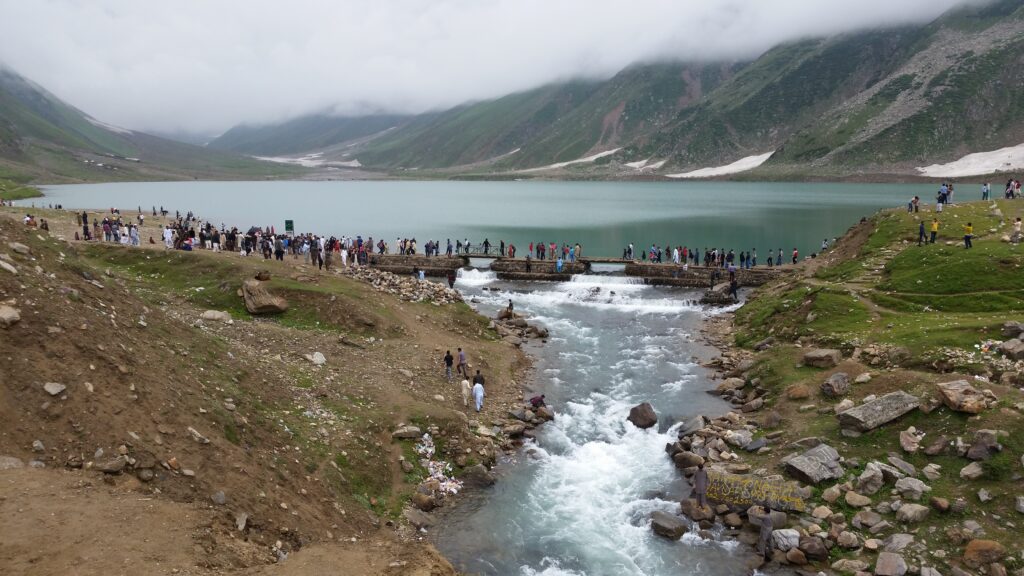
Planning a Naran Kaghan trip means starting with one of the most visited stretches of northern Pakistan, and it’s easy to see why once you’re on the road — the Kunhar River runs alongside you almost the entire way, with forested slopes and alpine lakes opening up around every bend. Located in the Mansehra district of Khyber Pakhtunkhwa, the valley is only accessible for part of the year, so timing your trip well matters as much as picking the right route. This guide covers how to get there, when to go, where to stay, what things cost, and the attractions worth building your itinerary around — Saif-ul-Malook Lake, Lulusar Lake, and Babusar Top chief among them. Naran Kaghan Trip: Where the Valley Is The valley sits in the Mansehra district of Khyber Pakhtunkhwa, following the Kunhar River upstream through steadily rising terrain. Naran town is the main hub — this is where you’ll find most hotels, restaurants, and the jeep stands for onward trips to the lakes. Beyond Naran, the valley continues toward Babusar Top, a high mountain pass that eventually connects through to Gilgit-Baltistan, though it only opens when weather allows. The roads throughout are narrow and winding, which shapes almost everything about how you plan a visit here. Best Time to Visit Access is seasonal. Heavy snowfall closes the valley for several months each year, and the road genuinely becomes impassable — this isn’t a case of just going carefully. The reliable travel window runs from late spring through early autumn. Peak season is June through August, when temperatures are pleasant during the day and cooler at night, and every major attraction is open. September brings noticeably fewer crowds and a quieter experience, though nights get colder and the weather is a little less predictable. Outside this window, don’t plan a trip here — roads are closed and travel simply isn’t possible for most visitors. How to Reach Naran Kaghan Most trips begin in Islamabad or Rawalpindi. From there, the route runs through Mansehra and Balakot before climbing into the valley proper alongside the Kunhar River. A private vehicle gives you the most flexibility for stops along the way, which is worth having given how scenic the drive is. Public buses and vans also run from major cities to Mansehra or Balakot, where you can pick up local transport onward. Whichever way you travel, start early — the roads narrow and wind more the closer you get to Naran, and daylight driving is safer and considerably less stressful — one of the simplest ways to keep a Naran Kaghan trip on schedule. Distance and Travel Time Islamabad to Naran is about 240 km, but plan on six to eight hours given the mountain roads, not highway speeds. Balakot and Kiwai are the natural stopping points along the way — most travelers pause here for meals, fuel, or photos before continuing. Build in extra time rather than cutting it close; road conditions and traffic near popular stops can add unpredictable delays, especially during peak season. Where to Stay Naran town has the widest range of accommodation in the valley, from simple budget guesthouses to mid-range hotels and a handful of more upscale resorts. Budget options are basic but clean and functional; mid-range hotels add private bathrooms and sometimes river or mountain views; the few luxury properties offer noticeably more comfort and service. Prices climb fast during peak season (June to August) and rooms sell out early, so booking ahead is genuinely worth it rather than arriving and hoping — a lesson most first-time Naran Kaghan trip planners learn the hard way. Hotels closer to the river or main road tend to book up first. Budgeting for the Trip Your main costs are transport, accommodation, food, and jeep rides to the lakes. Transport is usually the biggest line item, particularly if you’re hiring a private vehicle or jeep for the mountain sections. Accommodation cost swings widely with season and hotel category, while food is generally affordable — local restaurants serve a solid mix of Pakistani staples at reasonable prices. Factor in jeep charges to Saif-ul-Malook Lake specifically, since that’s a separate cost from your main transport on any Naran Kaghan trip. Traveling as a group brings the per-person cost down noticeably, and it’s worth carrying cash, since digital payments and ATMs are unreliable once you’re off the main road. Top Attractions Saif-ul-Malook Lake is the valley’s signature attraction — a turquoise lake ringed by peaks, reached by jeep from Naran, and worth the detour even with the crowds. For a full breakdown of getting there, timing, and what to expect, see our Saif-ul-Malook Lake travel guide. Further along the route toward Babusar Top, Lulusar Lake offers a much quieter, wilder alternative — fewer visitors, equally striking scenery, and one of the highlights of any Naran Kaghan trip that pushes past the main lake. Babusar Top itself is the high pass connecting into Gilgit-Baltistan, with sweeping views back over the valley on a clear day. Shogran and Siri Paye, reached via jeep, add green alpine meadows to the itinerary, and the Kunhar River itself provides scenic stops for photography practically anywhere along the drive. Road Safety The mountain roads here demand attention — narrow, sharply curved, and prone to congestion near popular stops during peak season. Weather can shift quickly, and rain brings slippery surfaces while occasional landslides disrupt the route entirely, so it’s worth checking conditions before setting out on any given day. Night driving is best avoided given the limited visibility and lack of lighting along most of the route. Local drivers who know the road well are generally a safer bet than self-driving if you’re unfamiliar with mountain terrain — worth factoring into how you plan your Naran Kaghan trip from the start. Food in the Valley Naran and the surrounding towns have plenty of restaurants and roadside eateries serving BBQ, karahi, and — a regional specialty worth trying — fresh trout pulled straight from the Kunhar

Complete Naran Kaghan Travel Guide 2026 for Visitors Read Post »
Best Places to Visit in Swat Valley
Northern Pakistan

Best Places to Visit in Swat Valley in 2026

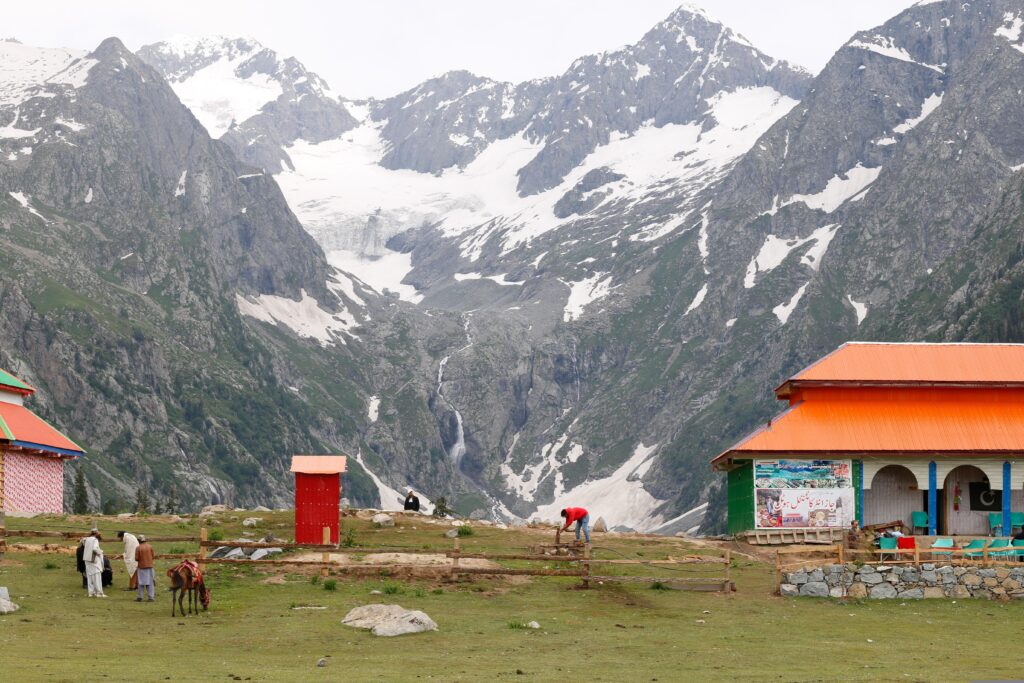
Looking for the best places to visit in Swat Valley? Swat Valley is one of the most beautiful places in Pakistan, and it keeps getting more welcoming and more accessible for visitors. Known as the Switzerland of the East, this valley in Khyber Pakhtunkhwa sits surrounded by the Hindu Kush mountains, crystal-clear rivers, thick pine forests, and history that goes back thousands of years. Whether you love adventure, history, nature, or just want to sit by a river and breathe fresh mountain air, Swat Valley has something for you. This guide covers the best places to visit, with practical, up-to-date travel information. What Makes Swat Valley Worth Visiting Swat Valley has had a difficult recent history, but it’s made a genuine comeback. Roads are better, hotels are more comfortable, and tourism infrastructure has improved considerably. New adventure parks, upgraded resorts, and better road access have opened up parts of the valley that used to be hard to reach. The valley offers a rare combination: incredible natural scenery — mountains, rivers, lakes, forests — alongside rich historical sites from the ancient Gandhara civilization and the Buddhist era. On top of that, there’s the well-known hospitality of the Pashtun people, who welcome visitors with genuine warmth. In summer, Swat is lush and green with waterfalls and cool air. In winter, upper areas like Malam Jabba fill with snow and become Pakistan’s premier skiing destination. There’s no bad time to visit — just a different version of beautiful. Best Places to Visit in Swat Valley Here’s a complete list of the top places in Swat, from the most popular destinations to a few hidden gems most tourists miss. 1) Kalam Valley — The Crown Jewel of Swat Kalam Valley sits about 99 kilometers north of Mingora and is widely considered the most beautiful part of Swat. The Swat River flows right through it, surrounded by rich green hills, snow-capped peaks, and meadows that feel like they belong in a painting. The town of Kalam has a good selection of hotels and restaurants, making it comfortable for families and first-time visitors. From Kalam, you can reach even more stunning upper valleys like Utror, Gabral, and Matiltan. The best time to visit is April to September, when roads are clear and weather is pleasant. 2) Malam Jabba — Pakistan’s Premier Ski Resort Malam Jabba sits about 44 kilometers from Mingora in the Hindu Kush range at an elevation of 2,804 meters, home to Pakistan’s only proper ski resort and one of the most-visited spots in the valley. In winter, skiers and snowboarders come from across Pakistan and abroad for the slopes, with equipment rentals and instructors available for beginners. In summer, the snow gives way to green pine forest, hiking trails, and a chairlift ride with panoramic valley views. The Green Valley Adventure Park nearby adds zip lines and rope courses, making it a solid family stop year-round. 3) Mahudand Lake — A Hidden Treasure Near Kalam Mahudand Lake, about 32 kilometers from Kalam in the Ushu Valley, is one of the most stunning lakes in Pakistan — ringed by the Hindu Kush and wide green meadows, stretching up to 2 kilometers with exceptionally clear, calm water. Getting there requires a four-wheel-drive vehicle, since the road is rough, but that’s part of the experience. Midsummer, when the meadows are green and wildflowers bloom, is the best time to visit. Boating and a lakeside picnic are the standard way to spend an afternoon here. 4) Ushu Forest — A Walk Through Ancient Cedar Trees Ushu Forest lies about 8 kilometers northeast of Kalam at roughly 2,300 meters — one of the more accessible high-altitude cedar woodlands in Swat, and a favourite for nature photographers. Thick, quiet, and beautifully green, it’s a completely different pace from anywhere else on this list, with small tea stalls and basic guesthouses nearby if you want to spend a full day there. 5) Bahrain — The Riverside Town You Shouldn’t Rush Through Bahrain sits where two rivers meet, roughly 65 kilometers from Mingora. Most tourists treat it as a pit stop on the way to Kalam, but it deserves more time than that — riverside cafes, fresh-cooked trout, and a genuinely unhurried pace that’s hard to find elsewhere in the valley. It also works well as a base for short hikes and jeep rides into the surrounding hills. 6) White Palace, Marghazar — A Royal History in the Hills About 13 kilometers from Saidu Sharif, the White Palace of Marghazar is one of Swat’s more unique historical sites, built in 1940 by Miangul Abdul Wadud, the first king of Swat, entirely out of white marble. It now operates as a hotel, with royal rooms, gardens, and orchards open to visitors — the Royal Suite, where Queen Elizabeth II once stayed, remains one of its more talked-about features. 7) Saidu Sharif and the Swat Museum Saidu Sharif, the administrative capital of Swat District at 970 meters, is calmer than Mingora and home to some of the valley’s most important historical sites. The Swat Museum is a genuine must-visit — an impressive collection of Gandhara sculptures, Buddhist statues, and artifacts from civilizations that lived here over 2,000 years ago. 8) Mingora — Your Gateway Into Swat Valley Mingora, the largest city in Swat, is the main entry point for most visitors and where you’ll find the widest range of hotels, restaurants, and transport. Fizaghat Park, on the banks of the Swat River, is the most popular attraction — a favourite for families, especially at sunset. Mingora Bazaar is worth a browse too, for local crafts and food. 9) Jahanabad Buddha Rock Carving This roughly 7-metre rock carving depicting a seated Buddha is considered the largest carved Buddha in Central Asia after the Buddhas of Bamiyan. Reaching it takes about a 40-minute uphill walk through orchards and fruit trees near Saidu Sharif. The face was damaged in 2007 but has since been carefully restored — a genuinely moving site that combines history with

Best Places to Visit in Swat Valley in 2026 Read Post »

Top Tourist Places in Lahore
Cities of Pakistan

Top Tourist Places in Lahore: Complete 2026 Travel Guide

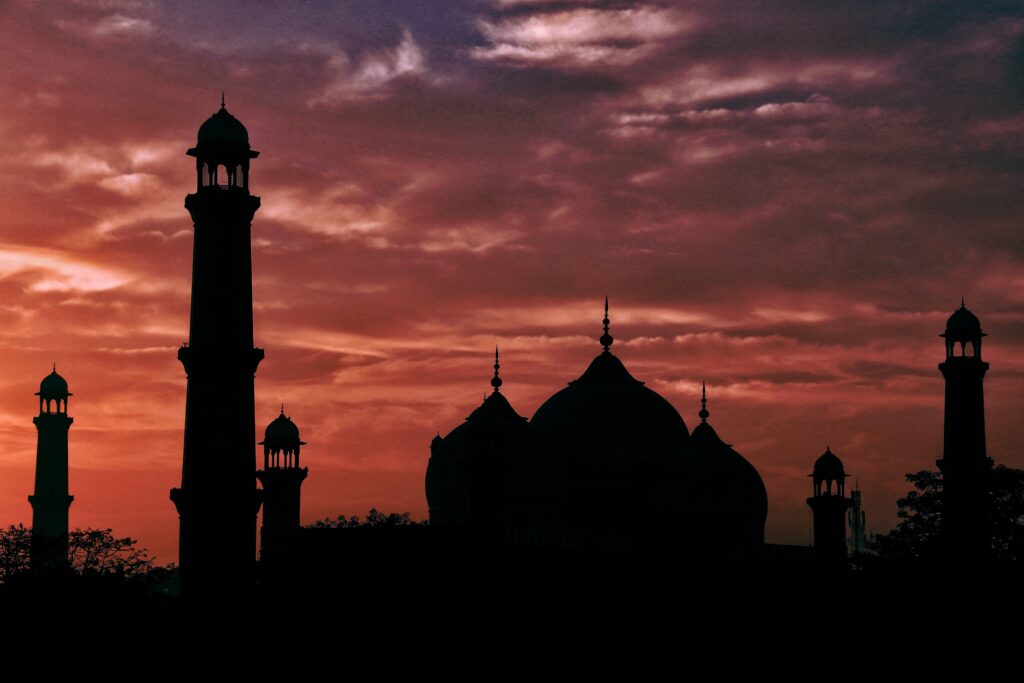
Lahore is one of the most beautiful and historically rich cities in the world. It is the cultural capital of Pakistan and a city that never sleeps. Every street, every wall, and every market in Lahore has a story to tell. From ancient Mughal architecture to lively modern bazaars, Lahore offers a unique experience that stays with every visitor forever. Known as the City of Gardens, Lahore is home to some of the most magnificent historical monuments, stunning mosques, lush parks, and vibrant food streets in all of South Asia. Every year, millions of tourists from across Pakistan and around the world visit Lahore to experience its rich culture, delicious food, and breathtaking heritage sites. Whether you are visiting for the first time or returning to rediscover its charm, Lahore always has something new to offer. In this guide, we cover the top tourist places in Lahore, plus its modern side and practical tips for planning your visit. Getting to Lahore Lahore is well connected by air, rail, and road, making it one of the easiest major cities in Pakistan to reach. Allama Iqbal International Airport handles both domestic and international flights, with regular connections from major Gulf, European, and South Asian hubs. Within the country, Lahore sits on the main north-south rail and motorway corridor, so trains and buses from Islamabad, Karachi, and Multan run frequently and reliably. Once you’re in the city, ride-hailing apps and rickshaws make getting between the sites in this guide straightforward, even during peak traffic hours. 1. Badshahi Mosque The Badshahi Mosque is perhaps the most iconic landmark in all of Lahore. Built in 1673 by the Mughal Emperor Aurangzeb, it is one of the largest mosques in the world and a true masterpiece of Mughal architecture. Architecture and beauty: The mosque is built entirely from red sandstone and white marble. Its four towering minarets rise high into the sky, and the massive central dome is visible from many parts of the city. The courtyard can hold over one hundred thousand worshippers at a single time. What to experience: Visit in the early morning when the light is soft and golden, or in the evening when it is beautifully illuminated. The view from the nearby Hazuri Bagh garden, with the mosque in the background, is unforgettable. A small museum inside contains historical artifacts. Best time to visit: Early morning and just after sunset. Entry is free. 2. Lahore Fort (Shahi Qila) Just beside the Badshahi Mosque stands the Lahore Fort, also known as Shahi Qila. This fortified palace complex has stood for over a thousand years and was home to Mughal emperors including Akbar, Jahangir, and Shah Jahan. History and significance: The Lahore Fort is a UNESCO World Heritage Site covering over twenty hectares with twenty-one distinct monuments. Must-see sections: The Sheesh Mahal (Palace of Mirrors) is a must-see, its walls covered in thousands of tiny mirror pieces. The Diwan-e-Aam, Diwan-e-Khas, and the marble Naulakha Pavilion are also highlights. Practical information: Open daily, modest entry fee, guides recommended. 3. Shalimar Gardens The Shalimar Gardens were built by Emperor Shah Jahan in 1641 as a royal paradise on earth, and are a UNESCO World Heritage Site. Design and layout: The gardens span three terraced levels connected by water channels, fountains, and cascading waterfalls across eighty acres. When to visit: Early morning or late afternoon, best in February–March during spring bloom. 4. Walled City of Lahore (Androon Lahore) The Walled City is the ancient heart of Lahore, one of the oldest continuously inhabited urban settlements in South Asia, with history stretching back over two thousand years. A living museum: Unlike a typical historic site, the Walled City is fully alive — people live, work, and cook here as their ancestors did. Old havelis with carved wooden balconies still stand from the Mughal and Sikh periods. Famous bazaars: Anarkali Bazaar and the restored Shahi Hammam bathhouse are both here, along with the old city’s famous food streets. Best way to explore: On foot or by rickshaw, early morning when the streets are quiet. Delhi Gate, one of thirteen original gates into the old city, is a good place to start and gives a strong first impression of the Walled City’s scale and character. 5. Data Darbar Data Darbar is the shrine of Hazrat Ali Hajveri (Data Ganj Bakhsh), one of the most revered Sufi saints in South Asian history, and the largest Sufi shrine in South Asia. A place of devotion: Visited by tens of thousands daily, with regular qawwali music performances. Architecture: The complex includes the main shrine, a large mosque, and a free community kitchen (langar). Note for visitors: Dress modestly, cover your head, and remove shoes before entering. Even for visitors with no religious connection to the shrine, the atmosphere here — the music, the crowds, the langar kitchen feeding thousands for free — is one of the more moving experiences Lahore has to offer. 6. Lahore Museum Established in 1865, the Lahore Museum is one of the oldest and most important museums in South Asia. What’s inside: Its most famous exhibit is the Fasting Buddha, a Gandhara sculpture, alongside Mughal paintings, coins, textiles, and Indus Valley artifacts. The building: Built in Indo-Saracenic style, it was famously described as the “Wonder House” in Rudyard Kipling’s novel Kim. Visitor info: Open six days a week, small entry fee, allow 2-3 hours. The museum’s collection also includes miniature paintings, ancient manuscripts, and a well-regarded gallery of contemporary Pakistani art, making it worth the visit even for travelers who aren’t typically museum-goers. 7. Minar-e-Pakistan Minar-e-Pakistan marks the spot where the Lahore Resolution was passed on March 23, 1940, calling for an independent Muslim homeland. The tower: Rising 60 meters, it combines Mughal and modern architectural styles, with the Lahore Resolution text engraved at its base. Iqbal Park: The monument sits inside one of South Asia’s largest urban parks, popular with families on weekends. Best time: March 23rd for Pakistan Day, or after dark when it’s lit

Top Tourist Places in Lahore: Complete 2026 Travel Guide Read Post »

Best Time to Visit Pakistan
Cities of Pakistan

Best Time to Visit Pakistan: A Complete Travel Guide

Figuring out the best time to visit Pakistan starts with understanding just how much the country changes from region to region. Pakistan is one of the most breathtakingly beautiful and culturally rich countries on earth. From the towering peaks of the Karakoram and Himalayan ranges in the north — home to K2, the second-highest mountain in the world — to the ancient ruins of Mohenjo-daro in the south, from the vibrant streets of Lahore to the alpine meadows below Nanga Parbat, Pakistan offers a travel experience unlike almost anywhere else. Despite that, it remains one of the more underrated destinations in the world, and one of the most common questions first-time visitors ask is simply: when should I go? The honest answer isn’t simple, because Pakistan is enormous and geographically diverse — tropical coastline, desert plains, fertile river valleys, ancient cities, and some of the highest mountains on Earth. The right season depends entirely on where you’re headed and what kind of trip you’re after. This guide walks through every season, every region, and the practical details that go with them. Why Visit Pakistan? Before getting into timing specifics, it’s worth understanding what the country actually offers: World-class mountains: Pakistan is home to five of the world’s fourteen 8,000-metre peaks, including K2 (8,611m). The Karakoram Range in Gilgit-Baltistan has the highest concentration of tall mountains anywhere on Earth. Ancient civilisations: The Indus Valley Civilization flourished here over 4,500 years ago. Mohenjo-daro and Harappa are UNESCO World Heritage Sites and among the most significant archaeological finds in history. Varied natural scenery: From the Thar Desert’s dunes to Swat’s green valleys, from Balochistan’s rugged coast to Azad Kashmir’s rivers, the landscape rarely repeats itself. Rich cultural heritage: Sitting at the crossroads of South Asia, Central Asia, and the Middle East, Pakistan’s culture blends Mughal, Persian, British colonial, and indigenous influences. Genuine hospitality: Visitors consistently rank the warmth of Pakistani hosts among the most memorable parts of any trip. Excellent food: From Karachi’s karahi and biryani to Peshawar’s chapli kebabs to fresh Gilgit trout, food is a genuine highlight, not an afterthought. Affordability: Accommodation, food, and transport all cost noticeably less here than in most comparable destinations. Pakistan’s Four Seasons at a Glance Pakistan experiences four distinct seasons, each suited to different regions: Season Months Temperature Best Regions Spring March–May 15°C – 28°C Lahore, Islamabad, Murree, Swat Summer June–August 25°C – 42°C (plains) Gilgit-Baltistan, Skardu, Hunza, Nathia Gali Autumn September–November 10°C – 25°C Entire country, especially the north Winter December–February 0°C – 15°C (plains) Karachi, Lahore, Mohenjo-daro, Balochistan There’s genuinely a good time to visit somewhere in Pakistan in every season — the trick is matching the right region to the right month. The Pakistan Meteorological Department’s official forecasts are worth checking closer to your travel dates. Spring (March to May) — A Season of Colour and Bloom Spring suits anyone wanting to experience Pakistan’s cultural heartland. As winter loosens its grip and temperatures settle into a comfortable 15–28°C across most of the country, the landscape comes alive — mustard fields turn the countryside yellow, and cherry and apricot blossoms explode in pink and white across Hunza and the other northern valleys. Best Places to Visit in Spring Lahore: Warm but not yet oppressive. Badshahi Mosque, Lahore Fort, the Walled City, and Gawalmandi’s food street are all in their element. Basant, the traditional kite-flying festival, is a spring fixture. Islamabad and Rawalpindi: The Margalla Hills turn green and the capital’s boulevards bloom. Daman-e-Koh, Rawal Lake, Faisal Mosque, and nearby Taxila are all worth a visit. Murree and Galiyat: Cool temperatures and fresh scenery once the winter snow melts, with excellent trekking around Galiyat. Swat Valley: Waterfalls are at their most powerful and the valley is carpeted in wildflowers. Malam Jabba, Kalam, and Mingora are the highlights. Hunza Valley: The cherry and apricot blossom season, usually late March to mid-April, is one of Pakistan’s most spectacular natural events, drawing visitors for the annual Hunza Blossom Festival. Spring Travel Tips Book Hunza accommodation well ahead if visiting during blossom season — it sells out months in advance. Spring rains can occasionally trigger landslides on mountain roads, so check conditions before travelling. Carry layers, since day-to-night temperature swings can be significant. Summer (June to August) — The Mountain Season Summer in Pakistan is really two different trips depending on where you are. In the plains — Lahore, Karachi, Multan, Peshawar — temperatures can hit 40°C or higher, making sightseeing genuinely uncomfortable. But in the northern mountains of Gilgit-Baltistan and the upper reaches of Khyber Pakhtunkhwa, summer is peak season for very good reason: high-altitude passes open, trekking trails become accessible, and the scenery is fully revealed under clear skies. Best Places to Visit in Summer Gilgit-Baltistan: Home to K2, Broad Peak, and Gasherbrum, with trekking and mountaineering unmatched anywhere else on Earth. Skardu: Gateway to K2 and the Baltoro Glacier. Shangrila Resort, Satpara Lake, Deosai Plains, and Skardu Fort are all accessible, and the Karakoram Highway drive there is scenic in its own right. Hunza Valley: Clear skies and good conditions for trekking around Rakaposhi and the Eagle’s Nest viewpoint, with fresh apricots and cherries in July and August. Fairy Meadows: The alpine meadow at the base of Nanga Parbat (8,126m), reached by jeep track and a short hike. Camping here under a clear sky with the mountain glowing at sunrise is one of the country’s genuine highlights. Deosai National Park: At roughly 4,114 metres, one of the highest plateaus in the world, covered in wildflowers with a real chance of spotting the Himalayan brown bear. Azad Kashmir: Neelum Valley, Shounter Lake, and Ratti Gali Lake are all at their best in summer. Nathia Gali and Ayubia: Cool hill stations near Islamabad for anyone wanting to escape the heat without travelling far. Summer Travel Tips Book flights to Gilgit and Skardu early — they sell out fast in peak months. Mountain weather is unpredictable, so carry rain gear and warm layers even in summer. Altitude

Best Time to Visit Pakistan: A Complete Travel Guide Read Post »

Discover Hunza Valley's Top Places
Northern Pakistan

Discover Hunza Valley: Top Places to Visit (Complete 2026 Guide)

Hunza Valley is one of the most beautiful regions in the world. Tucked into the Gilgit-Baltistan area of northern Pakistan, it’s surrounded by some of the highest mountains on earth. Hunza has everything a traveler could want — snow-capped peaks, turquoise lakes, centuries-old forts, blossoming orchards, and some of the most welcoming people you’ll meet anywhere. Whether you’re chasing adventure, history, photography, or just a quiet moment with big mountains in front of you, Hunza delivers. The valley follows the Hunza River, with Karimabad as its main town and the natural base for most travelers. This guide covers the best places to visit in Hunza Valley, what makes each one worth your time, and the practical details — when to go, how to get there, and where to stay. 1. Baltit Fort — The Heart of Hunza’s History Baltit Fort is usually the first stop for any visitor to Hunza Valley. This 700-year-old fort sits above Karimabad and offers one of the best panoramic views in the valley, with Rakaposhi on one side and golden hillsides on the other. Baltit Fort was originally home to the Mir of Hunza, the region’s ruling family. Its architecture blends Tibetan, Wakhi, and local styles — thick stone walls, carved wood, and narrow passageways that genuinely feel centuries old. The fort has been carefully restored and now operates as a museum, with royal bedrooms, audience halls, and artifacts documenting Hunza’s history. The walk up through Karimabad’s old bazaar, past shops selling dried fruit and gemstones, is part of the experience. Best time to visit: morning, for the best light and cooler temperatures. Open daily; a modest entry fee funds the fort’s upkeep. 2. Altit Fort — The Older Wonder Altit Fort, a short drive from Baltit, is even older — roughly 900 years — and one of the oldest surviving fortifications in Gilgit-Baltistan. It sits dramatically on a cliff edge, hundreds of meters above the Hunza River. The views are extraordinary: the river gorge below, terraced green fields across the valley, and the Karakoram peaks behind. Altit village itself, surrounding the fort, is quiet and well preserved — old stone houses, narrow lanes, and local women selling handmade embroidery and wool goods. 3. Attabad Lake — Hunza’s Turquoise Centerpiece Attabad Lake is the single most photographed spot in the valley, and once you see it in person, it’s obvious why. The lake formed after a major landslide in January 2010 dammed the Hunza River, and its water is an almost unreal shade of turquoise. Boat rides are the main draw here, taking you close to the surrounding cliffs, with jet skiing and kayaking available for those who want more. The Karakoram Highway runs right alongside the lake, so even driving through offers a spectacular view, and a handful of small cafés along the shore are good spots to stop for tea. 4. Eagle’s Nest — The Best View in the Valley For the most complete panoramic view of Hunza, Eagle’s Nest is the place to go. Sitting at roughly 3,200 meters, this hilltop viewpoint gives a 360-degree view of the valley floor, with Rakaposhi, Diran, and Ultar Sar visible on a clear day. Sunset and sunrise here are popular enough that many visitors stay overnight at the small guesthouse on-site to catch both. The road up is a bit rough, but the view at the top makes it worthwhile. 5. Rakaposhi Viewpoint — Face to Face with a Giant Rakaposhi is the 27th-highest mountain in the world at 7,788 meters, and one of the most striking peaks in the Karakoram Range. The best accessible view is from the Rakaposhi Viewpoint on the Karakoram Highway near Minapin. What makes Rakaposhi remarkable is its south face — it rises more than 5,800 meters in one continuous sweep from the valley floor, making it one of the steepest mountain faces anywhere. Minapin village is also the starting point for the Rakaposhi Base Camp trek, a 2-3 day route through forest, streams, and alpine meadows — but even a short stop at the roadside viewpoint is worth it. 6. Hussaini Suspension Bridge For a dose of adrenaline, the Hussaini Suspension Bridge near Borit Lake is one of the more thrilling stops in Hunza — often described as one of the more precarious rope-and-plank bridges anywhere, swaying with the wind above the river below. The village of Hussaini on the far side is a good spot to take in Borit Lake and the surrounding mountains at a slower pace. 7. Passu Cones The Passu Cones are among the most distinctive natural features in Pakistan — a row of sharp, needle-like rock spires near Passu village in upper Hunza. Best viewed from along the Hunza River, with the river flats in the foreground and the jagged peaks rising behind. The nearby Passu Glacier is also worth a short walk if you’re already in the area. 8. Hopper Glacier Hopper Glacier, in the Nagar district near Hunza, is one of the more accessible glaciers in the region and a genuinely memorable place to walk — deep blue ice, crevasses, and rocky moraines surrounded by high peaks. A jeep to Hopper village followed by a short walk gets you to the glacier’s edge; hiring a local guide is worth it, as the terrain gets slippery in places. 9. Karimabad — Hunza’s Main Town Karimabad, at around 2,500 meters, is where most visitors base themselves. It’s a genuinely warm, welcoming town with a good range of hotels, guesthouses, and restaurants. The bazaar is worth an afternoon on its own — local gemstones (rubies, garnets, emeralds), embroidered textiles, dried apricots and walnuts. Try the local food while you’re here: chapshuro (a meat-stuffed bread), diram (a traditional porridge), and fresh apricot juice. Hunza’s Wakhi and Burusho communities are often cited for their longevity, generally credited to clean air and a simple, natural diet. 10. Borit Lake Borit Lake, near Gulmit in upper Hunza, is quieter and less visited than the valley’s bigger attractions —

Discover Hunza Valley: Top Places to Visit (Complete 2026 Guide) Read Post »

Top Safest Tourist Destinations Pakistan
Family Travel

Top Safest Tourist Destinations Pakistan

Looking for the top safest tourist destinations Pakistan has to offer? Pakistan’s security situation has improved significantly over the past several years, and tourism has grown steadily as a result. Several regions across the country are now genuinely well set up for visitors — stable, welcoming, and increasingly used to hosting travellers. This guide covers the destinations where that improvement shows most clearly, along with practical safety context for each. Last reviewed: August 2026. Security conditions in any country can change, so travellers should always check current guidance from their government’s travel advisory and local authorities before finalising plans. Islamabad — One of the Top Safest Tourist Destinations Pakistan Has to Offer Islamabad, the capital, is widely considered one of the safest cities in the country for tourists. It’s modern and well-planned, with clean streets, wide roads, and a strong, visible security presence — all of which make it a comfortable starting point for first-time visitors. Faisal Mosque, Daman-e-Koh, and Margalla Hills National Park are the main draws, backed up by good hotels, international restaurants, and modern shopping malls. Lahore Lahore, the country’s cultural centre, is relatively safe for tourists, particularly around its well-known historical and commercial districts. Badshahi Mosque, Lahore Fort, and the Walled City draw large numbers of visitors year-round, with no major safety concerns currently reported in these areas. A visible police presence in tourist zones, combined with the city’s well-earned reputation for hospitality, makes Lahore a secure destination for anyone interested in history and culture. Karachi Karachi is Pakistan’s largest city, and while some selectivity about neighbourhoods is worth exercising, several areas are genuinely tourist-friendly. Clifton, Defence (DHA), and Saddar offer beaches, museums, restaurants, and markets, all well served by reputable hotels and reliable transport. With basic precautions — the same you’d take in any large city — Karachi is generally considered both safe and rewarding to visit. Hunza Valley Hunza is consistently described as one of the most peaceful regions in the country, known as much for the honesty and warmth of its people as for its mountain scenery. Travellers regularly report feeling comfortable walking through villages even after dark, and low crime rates make it a solid choice for solo travellers, couples, and families alike. Skardu Skardu has developed rapidly into a well-organised northern destination that’s generally considered secure. Because the local economy depends heavily on tourism, both authorities and communities have strong incentives to maintain stability and keep the region welcoming. Lakes, valleys, and mountains are all accessible here with reasonable precautions and attention to local travel guidance. Murree Murree, one of the country’s most popular hill stations, benefits from its proximity to Islamabad, which makes for easier security management and access. Good roads, established hotels, and solid tourist infrastructure back this up. It gets crowded during peak season, but that’s a comfort issue rather than a safety one — Murree remains a reliable choice for cool weather and scenic views. Swat Valley Swat, often called the “Switzerland of Pakistan,” has gone through a genuine safety transformation over the past decade. Security checkpoints and local tourism-protection initiatives have restored visitor confidence, and spots like Mingora, Malam Jabba, and Kalam now see steady family tourism year-round. Neelum Valley Neelum Valley, in Azad Kashmir, is one of the more serene and secure regions for nature-focused travel. Its economy’s reliance on tourism, combined with genuinely calm surroundings and supportive local communities, makes it a strong option for a quiet, low-stress trip. Gilgit Gilgit serves as the main gateway to the north and is considered safe and accessible, with the services, markets, and road connections travellers need. Locals here are accustomed to hosting visitors, which tends to translate into a genuinely comfortable stay. Chitral — Remote and Among the Top Safest Tourist Destinations Pakistan Offers Chitral, remote and culturally distinct, has a low crime rate and a reputation for hospitality that makes it one of the more peaceful destinations on this list. Colourful cultural festivals and dramatic mountain landscapes round out the appeal. Safety Tips for Traveling in Pakistan Even in the safest regions, a few basic practices go a long way: check weather and road conditions before heading into mountainous areas, use reliable transportation, avoid unnecessary night travel in unfamiliar places, respect local customs, and stay in reputable hotels. Following local authorities’ current guidance, especially in the north, further reduces risk. Conclusion: The Top Safest Tourist Destinations Pakistan Has to Offer Pakistan offers a genuinely wide range of secure, welcoming destinations for travellers interested in its natural beauty and cultural heritage. From modern cities like Islamabad to calm northern valleys like Hunza and Neelum, the country has made real, sustained progress on tourist safety. As with travel anywhere, conditions can change, so it’s worth checking current guidance before you go — but with reasonable planning and basic precautions, these destinations generally offer a safe and rewarding way to see the country. FAQs – Safe Travel in Pakistan 1. Is Pakistan safe for tourists in general? The major tourist destinations covered here are generally considered safe, especially with reasonable planning and awareness of current local conditions. 2. Is northern Pakistan safer than the big cities? Both are generally safe for tourists — the north tends to have lower crime rates, while cities like Islamabad and Lahore benefit from stronger, more visible security infrastructure. 3. What’s the safest city in Pakistan for a first-time visitor? Islamabad is usually recommended as a first stop, given its modern infrastructure, strong security presence, and ease of access to other destinations. Adeel AhmadAdeel Ahmad is a Pakistan-based travel writer and the founder of Top Places in Pakistan, a travel guide dedicated to showcasing the country’s most stunning destinations. Born and raised in Lahore, Adeel has a deep love for Pakistan’s diverse landscapes — from the towering peaks of Hunza and Skardu to the lush valleys of Swat and the historic streets of Lahore. His mission is to inspire travelers to explore Pakistan’s natural beauty, rich culture, and hidden wonders through well-researched,

Top Safest Tourist Destinations Pakistan Read Post »

Best Honeymoon Destinations in Pakistan
Family Travel

Best Honeymoon Destinations in Pakistan (Romantic Places for Couples)

Looking for the best honeymoon destinations in Pakistan? Pakistan is a land of breathtaking landscapes, peaceful valleys, majestic mountains, and serene beaches. For couples planning their first romantic getaway, the country offers a genuine mix of privacy, natural beauty, and unforgettable experiences. Whether you dream of snow-covered peaks, crystal-clear lakes, green meadows, or sunset beaches, there’s something here for every couple. This guide walks through the best honeymoon destinations in Pakistan to help you plan a memorable start to married life. 1. Hunza Valley — A Romantic Mountain Escape Hunza Valley is one of the top picks for couples who love mountains and peaceful surroundings. Surrounded by the Karakoram range, it offers breathtaking views, fresh air, and a genuinely calm atmosphere. Couples can enjoy magical sunsets over Rakaposhi, visits to Baltit Fort and Altit Fort, romantic walks through Karimabad, and cozy mountain-view hotels. Hunza is ideal for anyone seeking privacy paired with natural beauty — its scenic charm is exactly what keeps it near the top of most honeymoon lists. 2. Skardu — Lakes, Mountains, and Romance Skardu, in Gilgit-Baltistan, is known for dramatic landscapes, peaceful lakes, and a growing number of comfortable resorts. Romantic spots here include Shangrila Lake, Upper Kachura Lake, Shigar Valley, and desert safaris in the Sarfaranga Cold Desert. Couples can enjoy boat rides, candlelight dinners with mountain views, and quiet evenings in scenic resorts — Skardu combines adventure and romance about as well as anywhere in the north. 3. Naran and Kaghan — A Classic Honeymoon Choice Naran and Kaghan Valley are staples on any honeymoon shortlist, known for their rivers, green meadows, and snow-capped peaks. The clear highlight of the region is Lake Saif-ul-Malook, which local legend ties to a romantic fairy tale — a detail that makes it especially meaningful for newlyweds. Spring and summer are the best seasons to visit. 4. Swat Valley — The Switzerland of Pakistan Swat Valley has earned its nickname, offering comfort alongside genuine natural beauty. Top romantic spots include Malam Jabba (especially good for a winter honeymoon), Kalam Valley, Fizagat Park, and Ushu Forest. Winter brings snowfall and skiing; summer brings cool weather and lush greenery — either season makes for a relaxing honeymoon. 5. Kalam Valley — A Quiet Extension of Swat Kalam, within Swat Valley, is another charming honeymoon option worth calling out on its own. Surrounded by mountains, rivers, and meadows, it offers a serene, romantic atmosphere throughout the year. Couples can visit nearby spots like Mahodand Lake and Ushu Forest, where the cool climate and natural scenery make it easy to simply relax and enjoy time together. 6. Murree — A Convenient Romantic Getaway Murree is one of the most accessible and affordable honeymoon destinations, especially for couples traveling from Islamabad or Lahore. Its appeal is in the simplicity — easy access, romantic Mall Road walks, the Patriata (New Murree) chair lift, and cozy cottages or hilltop hotels. It’s ideal for a short trip filled with small, genuinely romantic moments, like tea with a mountain view. 7. Neelum Valley — Peaceful and Less Crowded, One of the Best Honeymoon Destinations in Pakistan For couples prioritizing privacy, Neelum Valley in Azad Kashmir is one of the more hidden gems on this list, with breathtaking landscapes and a peaceful atmosphere. Romantic spots include Arang Kel, Keran, Sharda, and Kel. The blue river, wooden cottages, and mountain views make it ideal for couples who want quiet, natural surroundings over crowds. 8. Fairy Meadows — A Magical Honeymoon Spot Fairy Meadows, near Nanga Parbat, is one of the most unique entries on this list, offering stunning views and a genuine sense of isolation. Couples love it for the wooden cabins, star-filled skies, spectacular mountain backdrop, and overall peaceful environment. Reaching it takes some effort — a jeep track followed by a trek — but the romantic payoff is hard to match elsewhere. 9. Islamabad — Urban Comfort with Natural Beauty For couples who prefer a bit of luxury and city comfort alongside their honeymoon, Islamabad is a strong modern option. Romantic spots include Daman-e-Koh, the Margalla Hills, Faisal Mosque, and a solid range of luxury hotels and fine dining. It’s a genuine combination of urban sophistication and natural scenery, well suited to couples who want comfort and elegance without sacrificing views. 10. Gwadar — A Beach Honeymoon Experience If mountains aren’t your priority, Gwadar is an emerging beach option worth considering. Highlights include sunset views at Gwadar Beach, a peaceful coastal setting, seaside dinners, and walks along Marine Drive. It’s a good pick for couples looking for something a little different from the usual northern-Pakistan honeymoon itinerary. Best Time to Visit Timing matters as much as the destination itself. April to September is ideal for mountain areas like Hunza, Skardu, Naran, and Swat. October to March suits snow lovers heading to Murree or Malam Jabba, and winter specifically is perfect for a romantic snowy honeymoon. Islamabad and Gwadar, by contrast, can be visited comfortably year-round. Tips for Planning a Honeymoon in Pakistan Book hotels in advance during peak season, since availability tightens fast at the more popular destinations. Choose scenic-view rooms where possible — it genuinely changes the experience. Respect local customs and dress modestly, especially outside major cities. Carry warm clothing for northern areas regardless of season, since mountain nights stay cool even in summer, and plan your route around the weather rather than working around it after the fact. Why Pakistan Works So Well for Honeymoons Between affordable luxury, genuine natural beauty, cultural richness, warm hospitality, and an unusually wide range of landscapes, Pakistan offers a lot without requiring international travel. From snow-covered peaks to sandy beaches, there’s enough variety here to build a honeymoon itinerary around almost any preference. Budgeting for a Honeymoon Trip Costs vary widely depending on which destinations you combine and how much comfort you want along the way. Mountain destinations like Hunza and Skardu tend to involve higher transport costs given the distance and terrain, while closer options like

Best Honeymoon Destinations in Pakistan (Romantic Places for Couples) Read Post »

Beautiful Lakes to Visit in Pakistan
Lakes & Valleys

Beautiful Lakes to Visit in Pakistan – A Natural Paradise to Explore

Looking for the most beautiful lakes to visit in Pakistan? Pakistan’s lakes range from world-famous alpine icons to genuinely obscure high-altitude spots that take a serious trek to reach. Most sit in Gilgit-Baltistan or Khyber Pakhtunkhwa, ringed by peaks and glaciers, and each has its own character — some built for a relaxed afternoon, others strictly for committed trekkers. Here’s a rundown of the country’s standout lakes, and what it actually takes to visit each one. 1. Saif-ul-Malook Lake – The Most Iconic Lake Saif-ul-Malook, near Naran in the Kaghan Valley, is probably the single most photographed lake in the country — deep blue water ringed by snow-covered peaks. Visitors typically travel by jeep from Naran, especially between June and September when the road is reliably open, passing meadows and rivers along the way. The lake also carries genuine cultural weight: local folklore ties it to a romantic tale about Prince Saif-ul-Malook, which adds a layer of storytelling that most lakes on this list don’t have. For the full picture on visiting, see our Saif-ul-Malook Lake travel guide. 2. Attabad Lake — A Stunning Natural Wonder Among the Beautiful Lakes to Visit in Pakistan Attabad Lake didn’t exist until 2010, when a massive landslide blocked the Hunza River and created it almost overnight. Despite the relatively recent origin, the bright turquoise water against rugged mountains has made it one of the most recognisable lakes in the north. Boating, kayaking, jet skiing, and simple lakeside relaxation are all on offer here. 3. Sheosar Lake – The Jewel of Deosai Sheosar Lake sits inside Deosai National Park at over 4,100 metres above sea level, making it one of the highest lakes on this list. The surrounding Deosai plains, summer wildflowers, and wide-open sky give it a setting unlike anything at lower altitude. June to September is the reliable window, and there’s a real chance of spotting the Himalayan brown bear nearby. 4. Shangrila Lake – A Postcard-Perfect Destination Shangrila Lake, also known as Lower Kachura Lake, sits near Skardu and is one of the easiest lakes on this list to reach. Calm water, green surroundings, and the nearby Shangrila Resort make it a natural fit for family trips or honeymoon stops that don’t require a serious trek. 5. Rush Lake – A Surreal High-Altitude Beauty Rush Lake ranks among the highest alpine lakes in the world, and reaching it demands either a genuine trek or a strong 4×4 for part of the way. The deep blue water set against rugged terrain rewards the effort, particularly for photographers willing to make the climb. 6. Ansoo Lake – The Tear-Shaped Wonder Ansoo Lake takes its name from the Urdu word for “tear,” a reference to its distinctive tear-drop shape. Reaching it requires a demanding hike through Kaghan Valley, and given the altitude and steep trails involved, most visitors go with a guide. That remoteness is exactly what’s kept it untouched. 7. Borith Lake – A Peaceful Escape Borith Lake, near Gulmit and Passu in Hunza Valley, is smaller than most on this list but makes up for size with setting — peaceful surroundings and clear views of the Passu Cones. Light hiking, picnics, and bird watching are the main draws, and the lake is a known stop for migratory birds, which adds a wildlife angle beyond the scenery. 8. Katpana Lake – The Frozen Beauty Katpana Lake, in the cold desert near Skardu, freezes completely during winter — a strange sight given its desert surroundings. It’s worth visiting year-round, but many travellers specifically time a winter trip to see the frozen landscape in person. Travel Tips for Visiting Pakistan’s Lakes Choose the right season: Most alpine lakes are only accessible from June to September. Hire local guides: For remote destinations like Ansoo Lake or Rush Lake, a guide meaningfully improves both safety and navigation. Prepare for altitude: Carry proper clothing and give yourself time to acclimatise before pushing to the higher lakes. Respect the ecosystem: These are fragile environments — pack out what you bring in. Why These Lakes Are Worth Building a Trip Around Crystal-clear water, dramatic mountain backdrops, and in several cases genuine local folklore give these lakes an appeal that goes beyond just scenery. Whether you’re chasing adventure, photography, or just a quiet afternoon by the water, there’s a fitting option on this list regardless of how much effort you want to put in to reach it. Conclusion: The Most Beautiful Lakes to Visit in Pakistan From the legendary Saif-ul-Malook to the remote, tear-shaped Ansoo Lake, Pakistan’s lakes cover an unusual range of accessibility and character for one country. Pick based on how much trekking you’re up for, and you’ll find a lake that fits the trip you’re actually planning. FAQs – Visiting Pakistan’s Lakes 1. What’s the best time to visit Pakistan’s alpine lakes? June through September, when roads are open and weather is most favourable across the north. 2. Do I need a guide to visit these lakes? For remote lakes like Ansoo Lake and Rush Lake, hiring a local guide is strongly recommended. 3. Are high-altitude lake trips safe in Pakistan? Yes, generally, provided you prepare properly, travel during the right season, and follow basic altitude safety guidelines. Adeel AhmadAdeel Ahmad is a Pakistan-based travel writer and the founder of Top Places in Pakistan, a travel guide dedicated to showcasing the country’s most stunning destinations. Born and raised in Lahore, Adeel has a deep love for Pakistan’s diverse landscapes — from the towering peaks of Hunza and Skardu to the lush valleys of Swat and the historic streets of Lahore. His mission is to inspire travelers to explore Pakistan’s natural beauty, rich culture, and hidden wonders through well-researched, authentic, and easy-to-follow travel guides. topplacesinpakistan.com

Beautiful Lakes to Visit in Pakistan – A Natural Paradise to Explore Read Post »

Best Tourist Places in Skardu, Pakistan
Northern Pakistan

Best Tourist Places in Skardu, Pakistan – Complete Travel Guide

Looking for the best tourist places in Skardu, Pakistan? Skardu sits at the heart of Gilgit-Baltistan, ringed by some of the highest mountains on Earth, including K2 and the wider Karakoram range. Crystal-clear lakes, a genuine cold desert, historic forts, and green valleys all sit within a short drive of the town, which is why it draws everyone from honeymooners to serious trekkers. Here’s a full rundown of the best tourist places in Skardu, Pakistan, and what to expect from each. Getting to Skardu Most travellers reach Skardu by flying directly from Islamabad, a journey that takes roughly an hour and a half when weather cooperates — flights are frequently delayed or rescheduled since the route depends on clear mountain visibility. The overland alternative follows the Karakoram Highway, a two-day drive that trades speed for some of the most dramatic road scenery in the world. Once in Skardu, hiring a local driver or joining a small group tour is the easiest way to reach the more spread-out valleys covered in this guide. 1. Shangrila Lake (Lower Kachura Lake) — One of the Best Tourist Places in Skardu, Pakistan Shangrila Lake, ringed by green mountains and deep blue water, is one of the most photographed spots in the area — helped along by the nearby Shangrila Resort and its well-known airplane-shaped restaurant. Light boating, lakeside walks, and family picnics are the main draws. Summer weather here is genuinely pleasant, and the mountain reflections on calm water make it worth slowing down for rather than just stopping for a quick photo. 2. Upper Kachura Lake A short distance from Shangrila, Upper Kachura Lake offers a quieter, more natural alternative with noticeably fewer visitors. Crystal-clear water and a short access hike make it a solid pick for couples or solo travellers who want the scenery without the crowd. 3. Katpana Cold Desert The Katpana Cold Desert, sometimes called the Skardu Cold Desert, is one of the highest deserts in the world — white sand dunes set directly against snow-covered mountains, which is as strange and striking as it sounds. Sunrise and sunset both bring out the contrast especially well. Desert walks, jeep rides, and camping are all popular here, and it remains one of the more genuinely unusual landscapes anywhere in Pakistan. 4. Skardu Fort (Kharpocho Fort) Skardu Fort, also known as Kharpocho Fort, sits on a hilltop overlooking the town, with panoramic views over the Indus River and the surrounding mountains. It requires a moderate hike to reach, but the payoff — both the history and the view — makes the climb worthwhile. 5. Satpara Lake Satpara Lake, one of Skardu’s primary water sources, offers turquoise water set against rocky, snow-capped peaks. Boating and photography are the main activities, and in winter parts of the lake freeze over, giving it a completely different character depending on when you visit. 6. Shigar Valley Shigar Valley functions as the gateway to the Karakoram’s higher peaks, including K2, and Shigar Fort — now restored into a heritage hotel — is its main attraction. Green orchards, traditional Balti houses, and peaceful rivers round out a valley that combines history, culture, and scenery in one stop. 7. Khaplu Valley A few hours from Skardu, Khaplu Valley centres on Khaplu Palace, a beautifully preserved example of traditional Balti architecture. Beyond the palace, the valley offers scenic landscapes and hiking trails that make it worth an overnight rather than a rushed day trip. 8. Blind Lake (Zharba Tso) Blind Lake, near Shigar Valley, is a genuine hidden gem — deep blue water and a peaceful setting reached via a short hike. Because it sees far fewer visitors than the more famous lakes nearby, it’s a good pick for anyone wanting a quieter nature experience. 9. Basho Valley Basho Valley is built for trekking and camping — pine forest, green meadows, freshwater streams, and snow-covered peaks in the background. Spring and summer bring out the greenery at its best, making this a refreshing stop for anyone spending several days in the region. 10. Sheosar Lake (Near Skardu) Sheosar Lake sits within Deosai National Park but is easily reached from Skardu. At over 4,000 metres, it’s surrounded by wide plains and summer wildflowers, with Nanga Parbat visible on clear days. Deosai itself, the “Land of Giants,” is one of the highest plateaus in the world and offers a real chance of spotting the Himalayan brown bear. Why This List Covers the Best Tourist Places in Skardu, Pakistan Few places in Pakistan combine this many distinct landscapes within such a short radius — alpine lakes, a genuine cold desert, historic forts and palaces, and deep cultural heritage all within a couple of hours of the town centre. Whatever kind of trip you’re planning — family vacation, honeymoon, trekking base, or a dedicated photography trip — Skardu tends to deliver on it. Best Time to Visit Skardu May through September is the reliable window, when weather is pleasant and roads are fully accessible. Summer (May–August) is best for the lakes and valleys; autumn (September–October) brings strong fall colour; winter (November–March) covers the region in snow, with genuinely limited accessibility to higher spots. Travel Tips for Skardu Book accommodation ahead of time during peak season, since Skardu fills up fast in summer. Carry warm clothing even in summer, since temperatures drop quickly after sunset. Hire local guides for the more remote valleys, respect local traditions, and prepare for limited internet connectivity once you’re outside the main town. Conclusion That’s the full rundown of the best tourist places in Skardu, Pakistan — from the calm waters of Shangrila Lake to the dunes of Katpana Desert, and from centuries-old forts to green valleys. Skardu offers an unusually complete range of experiences for one region. Whether you’re chasing adventure, relaxation, culture, or just good photos, it’s genuinely hard to leave disappointed. FAQs – Visiting Skardu 1. How many days do you need in Skardu? 4 to 6 days is enough to cover the main lakes, forts,

Best Tourist Places in Skardu, Pakistan – Complete Travel Guide Read Post »

Best Places to Visit in Gilgit-Baltistan
Northern Pakistan

Best Places to Visit in Gilgit-Baltistan – Complete Travel Guide

Looking for the best places to visit in Gilgit-Baltistan? This is the part of Pakistan that shows up in nearly every dramatic photo of the country — towering peaks, glacier-fed rivers, turquoise lakes, and five of the world’s fourteen highest mountains, including K2. For travellers of every kind — trekkers, honeymooners, photographers, or just people who want to see something genuinely different — this region does a lot of heavy lifting. Here’s a full breakdown of where to go, what each spot actually offers, and when to plan your trip. Hunza Valley — The Jewel Among the Best Places to Visit in Gilgit-Baltistan Hunza ranks at the top of nearly every list of the region for good reason. Surrounded by peaks like Rakaposhi and Ultar Sar, it offers panoramic mountain views year-round, alongside historic Baltit and Altit Forts and the scenic town of Karimabad. Spring brings cherry blossoms that transform the valley into something out of a postcard, and autumn turns it gold — both seasons draw serious crowds of photographers for exactly that reason. The valley’s peaceful atmosphere and welcoming locals make it an easy recommendation regardless of when you visit. Skardu – Gateway to the Mighty Peaks Skardu serves as the launch point for K2 and the rest of the Karakoram’s major peaks, but it’s a worthwhile destination even if you’re not headed further into the mountains. Shangrila Lake (Lower Kachura Lake), Upper Kachura Lake, Satpara Lake, the Katpana Cold Desert, and Shigar Valley are all within reach. The Katpana Cold Desert in particular is worth the detour — one of the highest deserts in the world, with white sand set directly against snow-capped peaks. For the full picture, our Skardu travel guide covers the town and its surroundings in detail. Fairy Meadows – A Dream Beneath Nanga Parbat Fairy Meadows sits directly below Nanga Parbat, the ninth-highest mountain in the world, and reaching it takes a jeep ride followed by a moderate hike. The payoff is a direct view of the peak, wooden cabins, and some of the clearest stargazing conditions in the north. For couples or anyone chasing genuine isolation, this remains one of the standout stops in the region — the effort to get there does a good job of keeping crowds down. Attabad Lake – A Turquoise Wonder Attabad Lake didn’t exist before 2010 — it formed after a massive landslide blocked the Hunza River, and the result is a startlingly bright turquoise lake set against rocky mountains. It’s now one of the most photographed spots along the Karakoram Highway. Boating, jet skiing, and kayaking are all available on the lake, and its easy roadside access makes it one of the simpler stops to add to any Hunza-bound itinerary. Passu and the Iconic Passu Cones Passu village is known for the sharp, cathedral-like peaks visible directly above it — the Passu Cones, one of the most recognisable mountain silhouettes in the north. The Hussaini Suspension Bridge here is one of the more thrilling rope bridges in the region, and treks to Passu Glacier and Borith Lake are both accessible from the village. Khunjerab Pass – The Highest Border Crossing Khunjerab Pass connects Pakistan and China at over 4,600 metres above sea level, making it one of the highest paved international border crossings anywhere. Khunjerab National Park, which surrounds it, is home to snow leopards, Himalayan ibex, and yaks. For district travel information, the Gilgit-Baltistan tourism department’s Khunjerab page is a useful official reference. Deosai Plains and Sheosar Lake – The Land of Giants Deosai, nicknamed the “Land of Giants,” is one of the highest plateaus in the world, and in summer it’s covered in wildflowers. Sheosar Lake, within Deosai National Park, reflects the surrounding mountains with a stillness that’s genuinely striking in person. For more, see the official Deosai tourism page. Gilgit City – Cultural Heart of the Region Gilgit City, the capital of Gilgit-Baltistan, functions as the main entry point for most travellers heading into the region. Local bazaars, the Gilgit Suspension Bridge, and the Kargah Buddha rock carving give it enough to fill a day before heading further into the mountains, along with a good first taste of the region’s traditional cuisine. Best Time to Visit Gilgit-Baltistan May through October is the reliable window for most of the region. Spring (March–May) brings Hunza’s cherry blossoms; summer (June–August) is peak season for trekking and the lakes; autumn (September–October) brings the best fall colour; and winter (November–February) means snow-covered landscapes with genuinely limited access to higher-altitude spots. Travel Tips for Gilgit-Baltistan Carry warm clothing regardless of season — temperatures swing fast at altitude. Book accommodation early during peak months, since Hunza and Skardu both fill up quickly in summer. Hire local guides for any serious trekking route, respect local traditions and the environment, and prepare generally for high-altitude travel conditions, including patchy mobile signal in the more remote valleys. Conclusion: The Best Places to Visit in Gilgit-Baltistan From Hunza’s postcard scenery to Skardu’s mix of lakes and desert, and the remote calm of Deosai and Fairy Meadows, Gilgit-Baltistan covers an unusual amount of ground for one region. Whether you’re after adventure, culture, or just somewhere genuinely quiet, it’s hard to find a region in South Asia that delivers this much variety. FAQs – Visiting Gilgit-Baltistan 1. What’s the best month to visit Gilgit-Baltistan? June through September offers the most reliable weather and full access to lakes, trails, and high-altitude spots like Deosai. 2. How do you get to Gilgit-Baltistan? Most travellers fly into Gilgit or Skardu from Islamabad, or drive the Karakoram Highway, which takes considerably longer but offers dramatic scenery along the way. 3. Is Gilgit-Baltistan safe for tourists? Yes, the major tourist areas are generally considered safe, and tourism infrastructure across the region has improved significantly in recent years. Adeel AhmadAdeel Ahmad is a Pakistan-based travel writer and the founder of Top Places in Pakistan, a travel guide dedicated to showcasing the country’s most stunning destinations. Born and raised in Lahore,

Best Places to Visit in Gilgit-Baltistan – Complete Travel Guide Read Post »

Scroll to Top